
Reliable vehicle transport starts with clear steps and firm commitments. This guide defines what it means to move a vehicle across state lines and what a professional auto transport process looks like today.
Readers will get a simple, step-by-step overview of how to ship car to another state safely, on schedule, and with transparent communication. The piece frames the two main methods: open transport and enclosed transport, and the two common service models: door delivery and terminal pickup.
Trust is built on details. Expect written documentation, clear pickup windows, and verifiable insurance. The guide previews main cost drivers—distance, route, vehicle type, and service level—so budgeting feels controlled rather than uncertain.
For questions or scheduling, contact: info@bestcarshippinginc.com or call (307) 288-5972.
Key Takeaways
- Professional transport explains the process and standards for moving a vehicle across state lines.
- Open and enclosed options serve different protection needs.
- Door delivery and terminal pickup affect convenience and price.
- Reliability means documentation, clear timing, and insurance.
- Major cost drivers are distance, route, vehicle type, and service level.
When it makes sense to ship a car across state lines
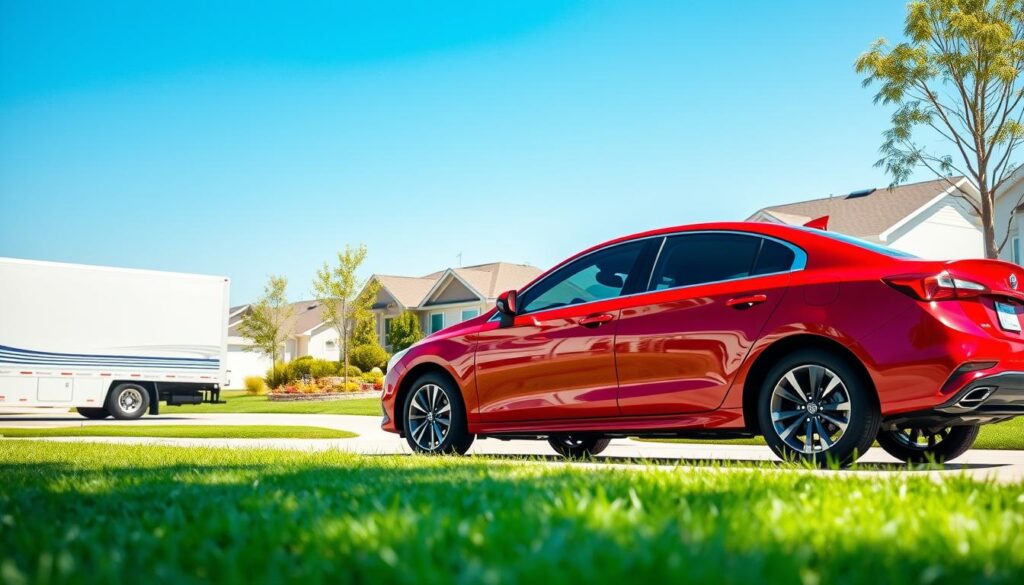
When schedules tighten or protecting vehicle condition matters, professional auto transport can be the smarter logistic move.
Common scenarios and practical reasons
Relocations: Job moves and multi-vehicle households benefit from predictable pickup windows and reduced travel burden.
Online purchases: Buying from an out-of-state dealer or private seller often requires coordinated delivery for both buyer and seller.
Seasonal and special cases: Snowbirds, students, and military transfers need flexibility and minimal disruption. Classic, luxury, or non-roadworthy cars gain extra protection when carried instead of driven.
| Scenario | Primary Benefit | When to choose transport |
|---|---|---|
| Job relocation | Save time and avoid added miles | Short timelines or multiple vehicles |
| Out-of-state purchase | Reliable delivery and documentation | Seller requires coordinated pickup |
| Seasonal move / military | Reduced trip costs and stress | Fixed schedules and long distances |
| High-value or non-operable cars | Maximum protection and lower breakdown risk | Low clearance, classic, or in-repair vehicles |
Decision checkpoint: If timing, mileage preservation, or risk reduction matters, consider a professional option. For direct booking and details, visit ship your vehicle across states.
Car shipping options that affect price, protection, and convenience

Choosing the right transport method defines cost, convenience, and the level of protection your vehicle receives.
Open transport is the industry standard and the most cost-effective choice. Carriers load multiple vehicles on an open trailer to keep pricing competitive. This method suits everyday commuter models and fleet moves.
Open loads leave cars exposed to weather and road debris. That exposure is usually acceptable for common use vehicles. It lowers price while offering predictable transit windows.
Enclosed transport for maximum protection
Enclosed hauling is the premium option for full protection. Vehicles ride inside a covered carrier and avoid rain, snow, dust, and unwanted attention. This service commonly costs 30%–60% more.
Choose enclosed for luxury, vintage, custom paint, or low-clearance models. Loading and unloading are handled with extra care.
Door delivery vs terminal shipping
Door-to-door delivery offers convenience and less customer travel. Large trailers may face access limits at some addresses.
Terminal-to-terminal shipping can reduce price and add flexibility. Customers pickup or drop off at a carrier facility when schedules allow.
- Match method and service to vehicle value, risk tolerance, and timeline.
- Expect higher cost for enclosed service and greater convenience for door delivery.
How to ship car to another state step by step
Start with a clear timeline and a single point of contact to keep the transport process predictable.
Define route and pickup window. List origin, destination, preferred pickup window, and any access limits such as gated entries or tight streets.
Pick open or enclosed transport based on vehicle value and acceptable exposure. Cheap is not always the best risk-adjusted choice.
Choose door service or terminal pickup by weighing convenience against price and route frequency.
- Request multiple quotes and confirm what the price includes: fuel surcharges, insurance, and special handling fees.
- Book early to avoid price spikes and improve carrier availability.
- Prepare the vehicle for inspection—clean it, remove personal items, and have keys ready.
- Complete pickup paperwork and keep copies; use carrier tracking and updates until delivery.
- Provide a primary and backup delivery contact to prevent missed calls or delays.
| Step | Action | Why it matters |
|---|---|---|
| Route planning | Set origin, destination, and pickup window | Ensures accurate timing and carrier routing |
| Service choice | Open vs enclosed; door vs terminal | Balances protection, cost, and convenience |
| Booking & prep | Request quotes, book early, prepare vehicle | Reduces delays and unexpected price changes |
Need a reliable quote and schedule? Visit car shipping and auto transport Upton or contact info@bestcarshippinginc.com for carrier options and firm pricing.
How much does it cost to ship a car to another state
Understanding typical mile buckets gives clarity when comparing transport quotes.
Average price ranges vary by distance and service. Short moves under 500 miles commonly run about $500–$1,000. Mid-range trips around 1,000 miles often land near $1,000–$1,800. Cross-country journeys typically cost $1,800–$3,000+.
Per-mile behavior and examples
Per-mile rates drop as distances grow, even though total prices rise with mileage and driver hours.
A 200-mile haul may price near $2.00 per mile. A 2,000-mile route often averages closer to $0.75 per mile. That tiering reflects route efficiency, driver scheduling, and load planning.
Open vs enclosed pricing
Enclosed transport normally costs 30%–60% more than open service. The premium pays for enclosed trailers, extra handling, and added protection for high-value vehicles.
- Factors that affect final prices: fuel, tolls, labor time, route complexity, and vehicle size.
- Decision tip: Compare apples-to-apples quotes and check what each price includes before booking.
For a detailed per-mile breakdown and benchmarking, review an expert guide on average cost per mile: average cost per mile.
Factors that change your car shipping quote
Quotes reflect operational realities. Distance and route demand shape availability. High-traffic corridors usually attract more carriers and faster schedules. Niche lanes or off-route destinations can increase price as drivers add time and detours.
Distance, route demand, and carrier availability
Longer hauls lower per-mile rates but raise total price. Popular routes have more carrier options. Sparse demand forces carriers to charge premiums for repositioning and empty miles.
Pickup and delivery: urban vs rural
Metro pickups are often cheaper. High carrier density and highway access reduce time on local roads.
Remote deliveries add labor, off-route miles, and sometimes special permits. That raises the final charge.
Vehicle type, size, weight, and modifications
Large SUVs, trucks, and vans occupy more trailer space and use more fuel.
Lift kits, oversized tires, and wide bodies may require special loading. Expect added fees for unusual dimensions.
Operable vs non-operational vehicles and equipment
Non-running units often need a winch or flatbed service. Carriers apply surcharges for extra handling and gear.
Seasonality, fuel, and expedited timelines
Peak seasons and high fuel costs push prices up. Expedited pickups or guaranteed windows usually cost more because they limit routing flexibility.
Insurance and protection levels
Basic cargo coverage suits standard vehicles. High-value cars need higher limits and documented inspections.
“Transparent companies disclose how each factor affects final pricing before booking.”
- Check route flexibility and flexible pickup/delivery dates to lower price.
- Remove or note modifications and confirm operability to avoid surprise surcharges.
- Ask companies for written insurance limits and condition-report procedures.
Need specifics for a challenging route? Review a detailed example from Florida corridor pricing at Florida to North Dakota pricing or contact info@bestcarshippinginc.com for a transparent quote.
How long car shipping takes between states
A transit timeline depends on distance and route availability. Regional transport often finishes in a few days. Coast-to-coast delivery can range from 1–10 days or more, depending on routing and carrier schedules.
Typical delivery windows from regional routes to coast-to-coast
Regional routes usually run faster. Short hauls see quicker pickups and fewer stops. That shortens overall time.
Long-haul runs need more planning. Drivers follow scheduled lanes and may combine many vehicles on one load. That can extend transit but keeps pricing competitive.
Delays from weather, traffic, construction, and multi-stop routes
Common delay drivers include severe weather, urban traffic, construction detours, and road restrictions for large trailers. Coordination problems at pickup or delivery also cause hold-ups.
- Build a buffer around expected delivery dates.
- Be flexible with pickup windows to shorten transit.
- Confirm contact availability for driver updates.
| Scenario | Typical time | Primary cause of delay |
|---|---|---|
| Regional (within region) | 2–4 days | Route density, local traffic |
| Cross-country | 1–10+ days | Distance, multi-stop routing |
| Rural delivery | 3–7 days | Access limits, repositioning |
Planning tip: Expect updates and tracking from reputable carriers. Reliable communication reduces uncertainty even when transit time shifts. For firm timelines, contact customer service at info@bestcarshippinginc.com or call (307) 288-5972.
How to choose reliable car shipping companies
Selecting a trustworthy provider starts with compliance, clear contracts, and verifiable coverage. A brief checklist makes comparison easy and reduces risk for the customer. Focus on credentials, written insurance, and plain-language service terms before paying a deposit.
Verify registration and insurance
Confirm DOT and FMCSA registration numbers and check them online. Ask for written proof of active cargo insurance. Do not accept verbal assurances.
Compare contracts, reviews, and route experience
Look for transparent contracts that list itemized fees, defined pickup windows, and cancellation terms. Review patterns in feedback: consistent on-time delivery, clear communication, and fair claims handling matter more than a single five-star review.
Questions to ask before booking
- Who is the actual carrier that will haul the vehicle?
- What protection is included and how are damage claims handled?
- What is the inspection process at pickup and delivery?
- How are delays communicated and who is the single point of contact?
Compare multiple quotes and weigh inclusions, not just price. A lower number can hide fees or weak protection. Choose the provider with clear terms, route experience, and professional communication.
“Verify registration and written insurance before any deposit is paid.”
How to prepare your vehicle for pickup day
A compact checklist ensures the vehicle is inspection-ready and accepted without delay on pickup day.
Clean, document, and record pre-existing damage
Wash the vehicle and take clear photos from all angles. Include close-ups of any existing dents, scratches, or interior marks.
Record mileage and save photos with timestamps. This documentation protects against later disputes over damage at delivery.
Remove personal items and disable alerts
Empty the trunk and cabin. Remove toll tags and parking passes to avoid unexpected charges.
Turn off alarms and immobilizers so the driver can load and secure the vehicle without interruption.
Perform basic mechanical checks
Inspect tire pressure, battery condition, fluid levels, and look for visible leaks. Keep about a quarter tank of fuel—enough for movement but light enough for transit.
Secure loose parts and confirm logistics
Fold mirrors, retract or remove antennas, and secure loose trim. Have keys available and share the best contact number with the driver.
| Item | Action | Why it matters |
|---|---|---|
| Photos & mileage | Document all angles and odo | Proof against false damage claims |
| Personal items | Remove from cabin and trunk | Liability and weight reduction |
| Mechanical check | Tires, battery, fluids, leaks | Prevents refusals and delays |
| Fuel level | Leave ~1/4 tank | Safe for loading, limits extra weight |
| Keys & contact | Keep keys handy and confirm driver number | Smooth pickup and timely delivery |
Preparation reduces risk and speeds pickup. For a full prep guide, review prepare a car for transport.
Pickup, transport, and delivery day checklist to avoid surprises
A clear pickup and delivery routine cuts most surprises on moving day.
Understanding the bill of lading and the inspection process
The bill of lading is the primary condition report and receipt used at both pickup and delivery. It records existing marks and mileage. It also serves as the formal proof of carrier responsibility during transport.
Pickup inspection steps:
- Walk around the vehicle with the driver and compare visible scratches or dents to your photos.
- Confirm odometer reading and note it on the bill of lading.
- Ensure the driver records any pre-existing damage in plain language.
- Collect the estimated delivery window and driver contact procedure for updates.
- Agree where the vehicle will be left if curb access is limited.
What to do at delivery and handling damage claims
Inspect the vehicle immediately in good light. Compare current condition against pickup photos and the bill of lading notes.
If there is new damage, do not sign a clean receipt. Instead, photograph the issue, write clear notes on the delivery paperwork before signing, and request the insurer contact details and claim steps.
| Stage | Customer action | Why it matters |
|---|---|---|
| Pickup | Confirm condition, mileage, delivery window | Sets baseline for liability |
| During transport | Be reachable; expect multi-stop routing calls | Prevents missed delivery attempts |
| Delivery | Inspect, photograph, note new issues before signing | Protects claim rights and speeds resolution |
Damage-claim best practices: Photograph all new damage from multiple angles. Note details on the delivery report. Request the insurer contact and next steps. Keep copies of all documents and send them to the carrier promptly.
No surprises: Clear paperwork, steady communication, and careful inspection are the controls that keep shipping predictable. For a complete checklist and further reading, see a complete guide.
Conclusion
A clear plan and the right carrier make long-distance vehicle moves predictable and low risk.
Match service level with vehicle value, confirm written quotes, and pick carriers with verified compliance and insurance.
Open transport and enclosed options trade cost for protection. Door delivery increases convenience while terminal pickup can lower prices and simplify routes.
Expect short trips to run roughly $500–$1,000, mid-range $1,000–$1,800, and long hauls $1,800–$3,000+. Per-mile rates fall on longer runs, but weather, traffic, and access affect final prices and time.
Book early, document condition at pickup and delivery, and insist on written pickup windows to reduce surprises. For a clear plan and transparent quote, email info@bestcarshippinginc.com or call (307) 288-5972. Learn about open transport options.