
Planning a long-distance auto move starts with clear facts. The typical route covers about 1,405 miles and costs usually fall between $1,288 and $1,734. This guide explains what matters most for a smooth delivery.
Reliability and care are the priorities. The professional team handles each vehicle with strict protocols during pickup, transit, and final delivery. Customers get transparent quotes so budgets stay on track.
Choosing a vetted carrier reduces risk. Weather, road conditions, and the time of year can change rates and the chosen method of transport. Most shipments arrive within a few days of the expected date when tracked closely.
Contact the support team for a custom quote and clear next steps. Call (307) 288-5972 or email info@bestcarshippinginc.com for fast answers.
Key Takeaways
- Understand the 1,405-mile distance and expected costs before booking.
- Transparent quotes help manage your budget and expectations.
- Vetted carriers and tracked transit improve delivery reliability.
- Weather and timing affect rates and transport method choices.
- Door-to-door service saves time and reduces hassle for customers.
Understanding Laredo TX to Los Angeles car shipping
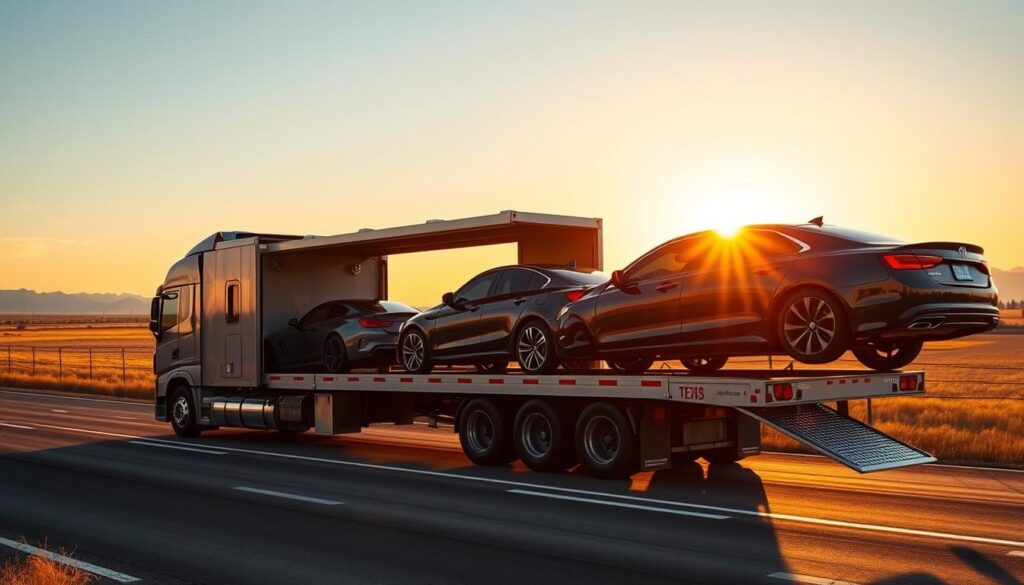
The corridor serves as a vital trade and transport artery and carries heavy freight and passenger flows between a major border hub and the West Coast.
High traffic and complex logistics make professional auto transport essential. Experienced teams reduce delays and prevent unnecessary wear on your vehicle.
Our vehicle transport experts provide clear guidance on timing, permits, and routing. They tap into established shipping networks so your move is efficient whether you’re relocating or selling.
We handle sedans, SUVs, and specialized trucks with secure loading and tracking. The process is simple: schedule pickup, confirm documentation, and monitor transit until final delivery.
- Streamlined planning: dedicated coordinators manage routing and communication.
- Protected transit: secure straps, inspected carriers, and insured handling.
- Clear updates: status notifications from pickup through delivery.
Trusting a professional service means years of industry knowledge working to minimize delays and keep vehicles safe. Contact support at (307) 288-5972 or info@bestcarshippinginc.com for a custom quote.
Average costs and pricing factors

Understanding what drives rates helps owners plan a realistic budget. The average cost to ship car models along the 1,405-mile route generally falls between $1,288 and $1,734. These figures serve as a starting point for a formal quote.
Fuel price fluctuations
Fuel is a leading variable in auto transport pricing. Diesel consumption for long hauls raises carrier operating costs.
When fuel climbs, carriers pass part of that expense to customers. This change can alter rates quickly and affect the final costs on your invoice.
Vehicle size and weight impact
Vehicle dimensions directly change the cost ship car. Larger SUVs and trucks weigh more and take additional space on multi-carriers.
Smaller vehicles often cost less per mile and fit more efficiently on open trailers. Specialized carriers or enclosed service raise prices for heavy or oversized vehicles.
- Book early: carriers adjust rates by demand and route.
- Clear breakdowns: expect an itemized quote showing fuel, distance, and handling fees.
- Expert review: shipping specialists explain how vehicle type affects time and final price.
Selecting the right auto transport company
Find a company that blends real-time tracking, firm quotes, and licensed service for predictable delivery.
Start by comparing providers with verified ratings. Nexus Auto Transport holds a 4.7/5 score and offers real-time tracking. Sherpa Auto Transport rates 4.5/5 and includes a price lock promise. Navi Auto Transport (4.4/5) focuses on budget options. SGT Auto Transport guarantees exact pickup dates for tight schedules.
Ask about inspection and documentation. A professional team will note vehicle condition on the Bill of Lading. Confirm the carrier is licensed and insured. Verify door-to-door pickup and delivery to reduce handling.
Request a binding quote and check for hidden fees. Compare timelines in days and confirm pickup windows with the driver. Use customer support to weigh trade-offs between price and service.
For a tailored estimate and trusted providers, see our car shipping services.
Comparing open versus enclosed carrier methods
The right transport method balances cost, availability, and protection for your vehicle. Owners should compare common options before booking a move. This helps match value with risk and budget.
Benefits of open transport
Open carriers are the most frequent and offer a cost-effective way to move vehicles nationwide. They keep prices lower through higher capacity on multi-vehicle trailers.
Open carriers are widely available. That means faster pickup and shorter transit windows for standard models that do not need special handling.
Safety protocols remain strong: drivers use nylon tie-downs and scheduled inspections to protect each unit during transit.
Advantages of enclosed trailers
Enclosed carriers deliver superior protection from debris, rain, and dust. They are ideal for luxury and classic vehicles that require extra care.
Enclosed trailers often include lift gates for low-clearance cars. Expect a 30–40% premium over standard open car shipping for this added protection.
Our team helps customers choose the best carrier type based on vehicle value and exposure concerns. The goal is a reliable, transparent service that fits the budget and risk profile.
- Compare costs versus protection before deciding.
- Confirm carrier equipment and loading options for low-clearance models.
- Choose the way that keeps your vehicle secure and aligns with your timeline.
Preparing your vehicle for transit
A few focused steps before pickup make the auto transport process safer and more efficient. Our team recommends simple actions that protect your asset and speed the loading inspection.
Cleaning and personal item removal
Wash the exterior before the pickup date so photos clearly show existing marks or dings. Take detailed photos of all sides for your records.
Remove personal items and toll tags. These items are not covered by standard cargo insurance and add weight. Leave only about a quarter tank of gas to meet safety rules.
Preparation checklist:
- Clean exterior and document condition with photos.
- Remove all personal items and toll tags.
- Keep fuel at roughly 25% and disable alarms.
- Provide clear access for the driver at pickup to reduce delays.
Questions about preparing a specific vehicle? Contact support for guidance, a quick quote, and to confirm pickup time so the services team can meet your schedule.
Navigating pickup and delivery logistics
Clear pickup and delivery rules cut delays and keep timelines predictable. The team coordinates pickup windows and confirms the exact location with the assigned driver before the scheduled date.
Door-to-door service means the carrier loads the vehicle at your driveway and delivers at the destination address. Terminal service is an alternative for remote locations or when you need extra time before handoff.
A final walk-around inspection is completed at pickup. The driver records existing marks on the Bill of Lading. This document protects both parties during transit and at delivery.
Real-time tracking and status updates keep customers informed during each day of transit. Flexible scheduling aligns pickup and delivery times with personal plans. Route planning and carrier coordination ensure the vehicle arrives in the same condition it left.
| Service | Best for | Key benefit |
|---|---|---|
| Door-to-door | Residential and business locations | Maximum convenience, direct loading |
| Terminal | Remote areas or delayed pickups | Secure facility access near highways |
| Hybrid | Flexible schedules | Balance of cost and convenience |
For a detailed best car shipping guide, contact support at (307) 288-5972 or email info@bestcarshippinginc.com.
Essential documentation for your shipment
Clear documentation prevents delays and protects owners during every phase of transport. Presenting the right forms at pickup speeds the process and limits questions from the driver.
Key documents include a Bill of Lading as the primary contract. The driver will record vehicle condition on that form and the customer must sign to verify details.
Proof of registration and proof of insurance are routine requirements for any auto transport service. For cross-border moves, customs paperwork is necessary and the team will assist with those forms.
Keep copies of every signed paper. The delivery receipt is the final proof you inspected the vehicle on arrival. Retain documents for any future claims.
| Document | Purpose | Signed by | When |
|---|---|---|---|
| Bill of Lading | Contract and condition record | Customer & driver | At pickup |
| Registration | Legal ownership proof | Customer | Before transit |
| Insurance proof | Liability and coverage | Customer | Before transit |
| Delivery receipt | Confirm arrival and inspection | Customer & driver | At delivery |
If questions arise about any form, contact support for a clear quote and guidance. Call (307) 288-5972 or email info@bestcarshippinginc.com.
Insurance coverage and damage protection
“A clear damage policy turns uncertainty into predictable protection for every vehicle.”
Insurance coverage is a core element of this auto transport service. Every carrier must carry public liability and cargo coverage that meets or exceeds federal rules.
Ship A Car Direct is a partner that offers a damage-free guarantee plus $500 in coverage for loss or damage. The partnership adds a practical layer of protection for customers.
In addition, the company provides a gap policy on top of carrier insurance. This combined approach closes common coverage gaps and reduces out-of-pocket risk.
- Vehicles are monitored during transit and clear guidance is given on how to file a claim.
- Customer support explains coverage details before you book and can provide documentation on request.
- Transparency in insurance and claims is a distinguishing feature of the transport service.
“Prioritizing damage protection lets owners trust the delivery process and focus on their move.”
For questions or a detailed quote, contact support at (307) 288-5972 or email info@bestcarshippinginc.com.
Seasonal impacts on transport rates
Timing a vehicle move around seasonal patterns can save or cost you hundreds of dollars.
Peak periods like summer and the winter holiday season push demand higher. That pressure often raises rates for car shipping and auto transport services.
Booking between October and March typically lowers costs. Customers often save about $105–$165 compared with peak summer prices.
Weather also matters. Severe weather can add days to transit and limit carrier availability. This affects final prices and pickup windows.
Our logistics team monitors these factors and provides timely, transparent quotes. They advise booking early during busy months to lock a delivery date and secure a carrier.
“Plan ahead and choose off-peak dates to reduce costs and improve scheduling certainty.”
| Season | Demand | Typical price impact |
|---|---|---|
| Summer | High | Increases rates |
| Winter holidays | High | Increases rates |
| Oct–Mar | Lower | Saves $105–$165 |
Need a tailored quote? Contact support at (307) 288-5972 or email info@bestcarshippinginc.com for guidance on timing and costs.
Vehicle inspection protocols
Every pickup begins with a systematic, driver-led walk-around that records the vehicle’s exact condition. The driver notes dings, scratches, and mechanical concerns. This step reduces disputes and speeds any claim process.
Inspection details are recorded on the Bill of Lading. That document serves as the official record for the auto transport shipment. Customers should review and sign it at pickup.
Enclosed trailers use lift gates and trained loading techniques. This prevents damage to low-clearance cars and protects undercarriage parts during loading and unloading.
- Drivers perform a walk-around at pickup and again at delivery.
- Photos and notes on the Bill of Lading document condition at each stage.
- Training covers tire chock spacing and secure tie-down methods.
- Customers are encouraged to be present to verify condition and ask the driver questions.
These protocols protect both owner and carrier. They are part of the standard service and help keep the claim rate below one percent. For a clear quote or questions about the process, contact support at (307) 288-5972 or email info@bestcarshippinginc.com.
“Consistent inspections make every delivery verifiable and give owners peace of mind.”
Cross-border shipping considerations
Transnational auto transport demands precise documentation and experienced coordination to prevent hold-ups.
Border crossings in this region process over 250,000 vehicle imports and exports each year. That volume creates special rules for any car shipping plan.
Our bilingual team manages customs papers, duties, and taxes. They simplify complex forms so owners avoid rookie mistakes that cause delays.
Understanding federal and state regulations matters. The team works with the Texas Department of Motor Vehicles and partners to ensure compliance for every vehicle transport.
- Full-service logistics: experts handle permits, inspection records, and cross-border paperwork.
- Speed and predictability: processes are designed to reduce hold times and speed delivery days.
- Clear guidance: customers get step-by-step instructions and an accurate quote before booking.
Whether moving a vehicle across the border or bringing one into the United States, the service manages the move from pickup to final delivery. For help, contact (307) 288-5972 or email info@bestcarshippinginc.com.
Alternative methods for vehicle relocation
When moving a vehicle long distance, evaluate several options beyond a traditional carrier.
Drive it yourself. Driving covers about 1,405 miles and often takes 4+ days. This option saves on immediate costs but adds wear and tear and uses personal time.
Rail transport. Shipping via train is typically the least expensive route. It can be slower and has limited pickup points, so plan for extra transit days and local pickup logistics.
Professional driving service. Hiring a driver keeps the vehicle moving but still adds miles. This method can be costly and may not protect vehicle condition the way enclosed transport does.
- Compare costs: ask the team for a clear quote that contrasts driving, rail, and professional services.
- Assess time: factor in delivery days and pickup windows for each method.
- Consider condition: choose the way that best preserves value and fits the schedule.
Professional auto transport often saves time and stress and offers door delivery with tracking and insured handling. For localized options and a formal estimate, see our car shipping Texas page or contact support at (307) 288-5972.
“We help customers select the most reliable, efficient method for their needs.”
Comparing Texas and California vehicle regulations
State rules for registration, insurance, and licensing shape how quickly a vehicle becomes street-legal after a move. Understanding both systems helps plan delivery, avoid fines, and meet local requirements on time.
Driver license requirements
Deadlines differ significantly. New residents must obtain a Texas driver license within 90 days. California requires a license within 10 days of establishing residency.
Safety inspection standards
Both states mandate annual safety inspections. These checks confirm brakes, lights, and emissions where required. Completing inspections early avoids delays in local registration and keeps the vehicle compliant for road use.
Parking permit rules
Parking rules vary by municipality. In many Los Angeles areas, temporary no-parking signs or permits are needed for moving vehicles and trucks. Planning ahead prevents towing or citation during unload.
- Insurance: Texas requires 30/60/25 minimum liability. California requires 15/30/5.
- Timing: License, inspection, and local permits affect the time before the vehicle is fully legal.
Our team provides clear guidance on these differences and coordinates with local partners. For a tailored quote or questions about auto transport and delivery timelines, contact (307) 288-5972 or info@bestcarshippinginc.com.
Managing transit time expectations
Expect transit windows that balance route efficiency with realistic road conditions.
Average transit for this route is 3 to 8 days. This range reflects typical carrier schedules and normal traffic patterns.
The team provides realistic delivery estimates based on weather, traffic, and the route your assigned carrier will follow. Updates come during each stage so customers know the expected arrival time.
If you need a faster option, expedited transport services are available. These prioritize pickup and shorten transit days for urgent moves.
- We give clear timelines in your initial quote.
- Staff coordinate with carriers to reduce delays and keep the schedule on track.
- Transparent updates let you plan arrival and final delivery.
Choosing professional transport adds predictability. Clear communication and tracked progress make the process reliable and stress-free. For questions about timing or expedited options, call (307) 288-5972 or email info@bestcarshippinginc.com.
Tips for budget-conscious shippers
Smart planning can cut costs without sacrificing vehicle protection.
Compare quotes from multiple companies. A short review of three offers often reveals the best rates for your needs. Ask each provider for an itemized quote.
Be flexible with pickup and delivery dates. Carriers reward open schedules with lower rates. Choosing an off-peak day can reduce prices and shorten wait days.
Open transport is the most affordable way to ship car assets. It provides reliable service at a lower cost than enclosed trailers.
- Book early to lock better rates.
- Look for seasonal discounts and bundle services where possible.
- Use the support team to compare options and avoid surprise fees.
| Option | Typical cost impact | Best use |
|---|---|---|
| Open transport | Low | Standard vehicles, budget-focused moves |
| Enclosed transport | High | Luxury or classic models needing protection |
| Bundled services | Moderate savings | Moves requiring multiple items or logistics |
Contact the team for a free, clear estimate and to learn more about how to reduce the overall cost to ship car. See our best car shipping guide for details or call (307) 288-5972.
Conclusion
The right transport partner turns a complex move into a manageable process. This guide covered pricing, methods, insurance, and vehicle preparation so owners can make informed choices.
Expect clear estimates for costs and realistic transit days. A trusted team protects vehicle condition and provides timely delivery with tracked updates and support.
For a customized quote and dependable service, contact the support team at (307) 288-5972 or email info@bestcarshippinginc.com. Let the experts handle the details so you can move with confidence.