
Best Car Shipping explains car shipping in plain terms: a company picks up a vehicle at one address and moves it to another using trailers, either open or enclosed. This auto transport service covers door-to-door and terminal-to-terminal options so customers know what is and is not included.
As a coordination-first partner, the company matches customers with licensed, insured carriers nationwide. Customers get clear schedules, protective handling during pickup and delivery, and steady communication from dispatch through final delivery.
Pricing depends on route, vehicle type, timing, and the chosen service level. There is no one-size-fits-all price, but Best Car Shipping provides realistic estimates and helps compare timelines and price drivers. The fastest way to get an accurate quote is to call (307) 288-5972.
This page helps customers compare open vs enclosed carriers, door-to-door vs terminal options, transit windows, insurance basics, and vehicle prep steps. For regional needs, see options for car shipping in Texas.
Key Takeaways
- Car shipping moves your vehicle by trailer with open or enclosed options.
- Best Car Shipping pairs you with licensed, insured carriers nationwide.
- Price drivers: route, vehicle, timing, and service level—call for a quote.
- Expect clear communication, practical scheduling, and vehicle protection.
- Next: learn carrier types, transit windows, insurance, and prep steps.
Why Best Car Shipping Is a Smart Choice for Auto Transport in the United States

Best Car Shipping acts as a logistics hub, matching each shipment to vetted carriers and keeping customers informed. The company schedules pickups with licensed, insured carriers and oversees the move from pickup to delivery. This lowers risk and simplifies planning for every customer.
Reliable coordination with licensed and insured carriers
Licensed and insured means carriers meet federal and state requirements and carry cargo coverage. Customers get proof of insurance and carrier credentials before pickup.
Upfront pricing expectations and transparent service
Pricing is clear. An accurate quote needs route, vehicle details, and timing. Variables that can change a price include distance, vehicle size, and expedited requests.
Nationwide pickup and delivery built for real-world schedules
Best Car Shipping sets realistic pickup windows, not exact minutes. Dispatch provides updates and drivers coordinate any adjustments. Fewer handoffs lead to clearer paperwork and better on-time performance.
| Feature | Benefit | What to Expect |
|---|---|---|
| Vetted carriers | Reduced risk | License and insurance proof |
| Clear pricing | No hidden fees | Quote based on route & vehicle |
| Dispatch updates | Better timing | Pickup windows and driver contact |
Next step: call (307) 288-5972 to review route, vehicle, and timing with the team.
What Car Shipping Is and When You Should Ship a Car
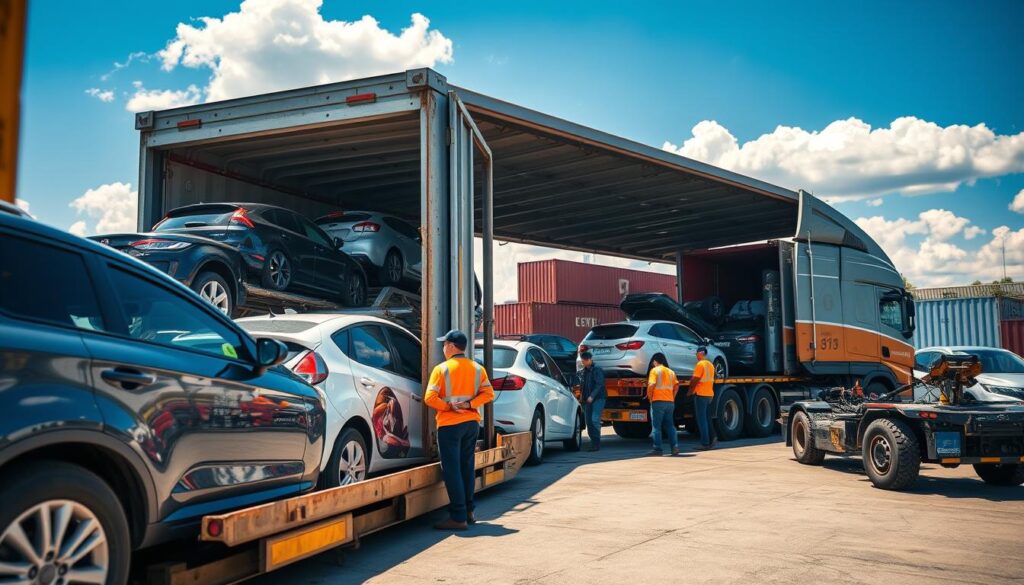
When distance, time, or vehicle value matter, professional car shipping becomes the practical option.
What car shipping means: It is a carrier-based service for moving a vehicle between addresses. Common terms include auto transport and vehicle transport, both referring to trailer moves or arranged driving services.
Common reasons owners choose this service
- Job relocations, military PCS, and student moves.
- Seasonal snowbird travel and long-distance online purchases.
- When the owner cannot or prefers not to drive to the destination.
Why shipping reduces wear versus driving
Shipping keeps miles off the odometer. It avoids extra tire wear, scheduled maintenance triggers, and day-to-day road exposure.
Trailer-based shipping vs. hiring a driver
Trailer-based: Lower mileage risk, tighter control over handling, and standard protection for valuable cars.
Driver-for-hire: Can be faster for short runs but adds miles, driver risk, and limited tracking.
| Method | Primary benefit | Consideration |
|---|---|---|
| Trailer-based shipping | Protects vehicle condition | Better for high-value cars and long distances |
| Driver-for-hire | Flexible scheduling | Adds mileage and wear |
| Hybrid (short-distance drive + trailer) | Cost and time balance | Choice depends on needs and timeframe |
Low Cost Auto Transport Options We Offer
Choose the service level that matches your vehicle, schedule, and risk tolerance. Best Car Shipping lists clear options so customers can match protection and pricing to their needs.
Open auto transport for everyday vehicles
Open carriers are the most common and provide the best value for daily drivers.
Vehicles are securely fastened but remain exposed to normal road and weather conditions. This option suits most cars and clients focused on practical protection.
Enclosed transport for high-value cars
Enclosed transport offers added shielding from debris and weather. It is preferred for luxury, classic, and exotic cars.
Customers who choose this can expect extra handling care and reduced exposure during shipping. For details see our enclosed car shipping page.
Expedited shipping and pickup delivery choices
Expedited shipping gives priority pickup and tighter delivery windows. It shortens time in transit but usually carries higher pricing.
Door-to-door service brings the vehicle near your address for convenience. Terminal-to-terminal can lower the price but needs a pickup or drop-off at a facility. Some urban areas require nearby meeting points even for door service.
| Option | Best For | Key Trade-off |
|---|---|---|
| Open carriers | Everyday cars | Good value, exposed to elements |
| Enclosed carriers | Luxury and classic cars | Higher protection, higher price |
| Door-to-door | Convenience | May cost more, direct delivery |
| Terminal-to-terminal | Flexible budget | Lower price, extra travel for pickup |
How Our Auto Transport Process Works From Quote to Delivery
Begin the process with a short call so the team can collect the shipment details and give a clear quote. Call (307) 288-5972 to request pricing and speak with a representative who will ask about route, vehicle type and size, operability, timing, and desired service level.
Carrier assignment and scheduling
Once booked, the company assigns a carrier based on route and timing. Pickup is scheduled as a window to allow for traffic and route sequencing.
Dispatch provides updates and the driver will call within the pickup window to coordinate arrival time.
Paperwork and inspection
Customers will review a Bill of Lading at pickup and again at delivery. This document records vehicle condition and protects both parties.
Do a walkaround, note dents or marks, and take photos with your phone. The driver signs the same paperwork at drop-off to confirm delivery.
| Step | What to Expect | Why It Matters |
|---|---|---|
| Quote call | Route, vehicle, timing, service level | Accurate pricing and scheduling |
| Carrier assignment | Dispatch contact, pickup window | Reliable pickup and routing |
| Pickup & inspection | Walkaround, Bill of Lading, photos | Condition documented for claims |
If access is restricted at pickup, the company will set a nearby meeting point. For quick pricing or questions, call (307) 288-5972. The company aims to keep customers informed throughout transit and delivery.
Auto Transport Pricing in the U.S. What You Can Expect Today
Best Car Shipping provides clear pricing context so customers can plan before requesting a final quote. Below are practical per-mile references and total ranges that reflect current market patterns.
Per-mile reference points
Short runs under 200 miles often show higher per-mile rates because of pickup and delivery time. Expect roughly $2.92 per mile for those trips.
Mid-distance moves of 200–500 miles average near $0.93 per mile. Long hauls, 1,000+ miles, commonly fall around $0.78 per mile, which reflects carrier routing efficiencies.
Typical price ranges by distance
| Distance | Open carriers | Enclosed carriers | Typical transit time |
|---|---|---|---|
| Under 500 miles | $500–$900 | $700–$1,200 | 1–3 days |
| 500–1,000 miles | $800–$1,000 | $1,100–$1,500 | 2–4 days |
| 1,000–1,500 miles | $900–$1,200 | $1,300–$1,800 | 4–6 days |
| 1,500–2,000 miles | $1,100–$1,400 | $1,600–$2,000 | 5–8 days |
| 2,000+ miles | $1,300–$1,600 | $1,800–$2,500 | 7–10 days |
Regional vs. cross-country expectations
Regional shipments move faster and can cost more per mile due to shorter runs and driver scheduling. Cross-country trips lower the per-mile rate but increase total days in transit.
Note: Pickup scheduling (carrier assignment and pickup window) is separate from transit time once the vehicle is loaded. Exact price and timing depend on vehicle details and current market capacity. For a tailored quote, call (307) 288-5972 or review our per-mile overview at average cost per mile.
“Transparent pricing helps customers budget and avoid surprises.”
What Impacts the Cost of Shipping a Car
Carriers build a rate from measurable pieces: miles, access, equipment needs, and seasonality.
Distance and corridor demand
Longer routes generally spread the price over miles, lowering per-mile pricing on long hauls.
High-demand corridors have more carrier options. Off-route pickups add mileage and handling, which raises the quote.
Pickup and destination access
Urban locations with tight streets may need nearby meeting points. Rural locations can require driver deviations.
Both situations affect routing time and the final price the carrier charges.
Vehicle size, condition, and extras
Larger SUVs or trucks often need special loading gear. Roof racks, bike mounts, and lift kits change equipment needs.
An inoperable vehicle requires winching or a flatbed. Disclose non-running status so the quote reflects needed labor.
Service level and seasonality
Choosing enclosed or expedited services increases the fee but adds protection or speed. Open options are more common for everyday cars.
Weather and peak months affect availability and pricing. Best Car Shipping explains these factors during the quote process and recommends the best services and options.
To compare estimates, request a tailored quote or view our cheap car shipping options.
Door-to-Door Auto Transport vs. Terminal Shipping
Most customers pick door-to-door service because it simplifies pickup and delivery at familiar addresses.
Why door-to-door is the most requested option
Door-to-door means the carrier comes as close to the address as legally and safely possible for pickup and delivery. This reduces travel for the customer. It also cuts coordination time with the driver.
When terminal-to-terminal can lower your price
Terminal shipping often lowers the final price when customers can drive to a nearby facility. Picking up or dropping off at a terminal can expand carrier options and shorten handling time.
Meeting points when streets are tight or access is restricted
Large carriers may not enter gated communities, narrow streets, or low-clearance areas. In those cases, Best Car Shipping will arrange a safe meeting point.
- Common meeting spots: wide shopping center lots, commercial loading areas, or public parking near the location.
- The driver and dispatch confirm the exact spot and time so pickup and delivery proceed smoothly.
Best Car Shipping coordinates these decisions. The best option depends on budget, schedule, and the delivery location. Call (307) 288-5972 or email info@bestcarshippinginc.com for a tailored plan.
Open vs. Enclosed Car Transport Choosing the Right Carrier
The right carrier type balances vehicle value, weather exposure, and the owner’s comfort with risk. Best Car Shipping helps customers pick the best fit for their needs and budget.
Open carrier basics
Open carriers are the most common choice for daily cars. They load multiple vehicles on exposed trailers. This method is practical and usually the most economical for standard vehicles.
The tradeoff is exposure. Vehicles may face road dust, debris, and normal weather during shipping.
Enclosed auto transport
Enclosed service uses a covered trailer to shield vehicles from debris and weather. This option is recommended for luxury, classic, exotic, or newly restored cars.
Owners who want extra peace of mind choose enclosed shipping despite a higher cost. It reduces visible wear and risk from the road.
Deciding and protecting your vehicle
Match the carrier choice to vehicle value and personal priorities. Document the condition with photos at pickup and delivery. Insurance coverage and the Bill of Lading layer protection: carrier liability plus inspection records help if a claim is needed.
Best Car Shipping pairs customers with vetted carriers and explains insurance, schedules, and expected handling so the chosen option fits the vehicle and the owner’s risk tolerance.
Transit Times and Delivery Windows What “On Time” Really Means
Delivery windows in car shipping are planned time ranges, not precise arrival minutes. Customers should expect a window so drivers can meet safety rules and multiple pickups.
Typical delivery ranges by distance
Use these ranges to set travel or handoff plans. Under 500 miles: 1–3 days. 500–1,000 miles: 2–4 days. 1,000–1,500 miles: 4–6 days. 1,500–2,000 miles: 5–8 days. Over 2,000 miles: 7–10 days.
Pickup time vs. transit time
Pickup time covers carrier assignment and scheduling. That can add days before the vehicle loads.
Transit time begins once the car is on the trailer and reflects driving hours and stops to the destination.
Why windows exist and what delays can occur
Windows account for DOT hours-of-service, multi-vehicle routing, and required safe stops. Metro traffic, construction, and winter weather can extend both pickup and delivery time.
Best Car Shipping provides updates from dispatch and the driver so customers can plan with confidence. Call (307) 288-5972 or email info@bestcarshippinginc.com for a specific delivery window.
How to Get the Best Price From Auto Transport Companies
Shifting pickup or delivery dates by a few days gives carriers room to optimize routes and pricing. This simple change often produces multiple offers and better scheduling choices.
Flex your dates to reduce price
Be flexible. A wider window increases carrier availability and can improve a quoted rate. Ask for alternatives when you request a quote.
Choose open carriers when protection allows
Open transport is the practical default for most daily cars. It balances protection and efficiency for owners whose vehicles do not need enclosed handling.
Bundle and plan ahead
Ship more than one vehicle, or schedule repeat moves with the same company. Bundling reduces per-vehicle fees and streamlines dispatching.
Avoid peak months and compare quotes
Book 1–3 weeks in advance when possible, and avoid high-demand windows like spring and summer student moves. Always compare a clear quote that lists services, pickup format, and delivery expectations.
- Be flexible on dates to expand carrier options.
- Choose open transport for standard cars when acceptable.
- Bundle multiple cars or repeat shipments for savings.
- Plan ahead for peak seasons and request comparable quotes.
Best Car Shipping helps customers evaluate offers and pick the service that fits their needs, not just the cheapest number. Review car shipping options at car shipping options to request a tailored quote.
Insurance and Protection for Vehicle Shipping
Understanding carrier liability helps owners know what protection applies during transit. Carriers are required to carry baseline liability coverage, but limits and terms vary by company and load.
Carrier liability and simple meaning
Carrier liability means the transporter must cover damage caused while the vehicle is on their trailer. It does not always cover every event. Customers should confirm exact cargo limits and deductibles before pickup.
Key questions to ask
- What are the cargo coverage limits and deductible?
- Are there exclusions for weather or pre-existing damage?
- How is a claim filed and what is the timeline?
Document condition for claims
Do a timed walkaround and take close photos at pickup and delivery. Match photos to the Bill of Lading and add short notes for any marks.
At delivery: if new damage is found, note it on the paperwork and photograph the area before signing. Best Car Shipping reviews these questions with each customer and confirms coverage details before dispatch. Prevention—careful loading and securement—plus clear documentation keeps claims straightforward.
Preparing Your Car for Shipment Pickup
A few clear prep steps make pickup smoother and reduce the risk of surprises during shipping. Best Car Shipping recommends a short checklist so the driver can load and move the vehicle without delay.
Remove personal items and non-permanent accessories
Remove all personal belongings. Carrier policies usually prohibit items inside the vehicle. Removing them lowers loss risk and speeds the inspection at pickup and delivery.
Take off or disclose removable accessories like roof racks and bike mounts. These items affect clearance and loading. Note them in your paperwork if you plan to leave them on the vehicle.
Clean the vehicle for accurate inspection documentation
Wash the car so scratches and dents are visible during the walkaround. Clean surfaces make inspections faster and reduce questions if a claim is needed.
Fuel level, fluids, tire pressure, and battery readiness
Keep fuel near one-quarter tank. That meets safety rules and lowers weight for travel.
Check fluids, tire pressure, and battery charge so the vehicle can be moved if required during loading. Disclose any mechanical issues before pickup.
Keys, alarms, and special instructions for the driver
Provide two sets of keys when possible. Disable alarms or leave clear instructions for the driver to avoid delays at pickup.
Share special instructions early. Notes about gated access, required permits, or unusual access routes prevent last-minute changes that can affect pickup time and schedule.
For a full prep guide and checklist, review how to prepare your car for transport at vehicle preparation tips.
Pickup and Delivery Day What to Expect With Best Car Shipping
Day-of coordination starts with a clear call or text so the driver can confirm the pickup window and the customer can plan time accordingly.
Coordinating with the driver and setting a realistic window
Best Car Shipping sets a practical arrival window to allow for routing and DOT rules. Dispatch sends proactive updates to minimize surprises.
Bill of Lading inspection steps at pickup and delivery
At pickup the driver and customer review the Bill of Lading together. They confirm vehicle information, note pre-existing damage, and each party keeps a copy.
At delivery, compare the vehicle to the pickup photos and the BOL. Document any new marks before signing.
Final walkaround to confirm condition before signing
Do a consistent walkaround: front, both sides, roofline if visible, and wheels. Take time-stamped photos and short notes for the record.
- Keep keys and alarm guidance ready for the driver.
- If an authorized representative signs, provide written permission and ID to keep the process controlled.
- Report discrepancies to dispatch immediately and photograph the issue.
Questions? Call (307) 288-5972 or email info@bestcarshippinginc.com for help on pickup, delivery, or the Bill of Lading process.
Service Coverage and Popular Routes Nationwide
Strategic routing through Midwest connectors keeps many shipments on time and limits unnecessary detours. Best Car Shipping maintains nationwide coverage and focuses capacity where it improves availability and delivery predictability.
Shipping to and from major Midwest hubs and high-volume corridors
Ohio acts as a key connector between the Northeast, South, and Central U.S. That concentration helps carriers find backhauls and tighter pickup windows.
- Major highways: I-70, I-71, I-75, I-76, I-77, I-80 (Ohio Turnpike), and US-23 support efficient routing.
- These corridors increase carrier availability and competitive pricing for customers.
Example Ohio and Cincinnati shipment expectations: cost and timing ranges
| Origin–Destination | Typical price range | Typical delivery time |
|---|---|---|
| Cincinnati — within 500 miles | $550–$750 | 2–6 days |
| Los Angeles — Cincinnati | $700–$1,100 | 5–14 days |
| Statewide Ohio moves | $700–$1,900 | 1–9 days (regional vs cross-country) |
Major highways that support efficient transport routes
Using these corridors reduces routing time and helps dispatch optimize pickup and delivery calendars. Peak months (April–September) can lengthen windows and affect pricing.
“Best Car Shipping advises routing and service choices based on exact origin and destination to meet timing needs.”
Questions or to get a tailored plan? Call (307) 288-5972 or email info@bestcarshippinginc.com.
Conclusion
Deciding on service, scheduling, and protection narrows choices and makes planning simple. Choose the right service level—open, enclosed, or expedited—pick door or terminal pickup, and allow schedule flexibility to control timing and price.
Protect the vehicle with proper prep, timed inspections, and confirmed insurance details. Clear documentation reduces risk and speeds any claim process.
Expect realistic windows for pickup and delivery; final pricing depends on route, vehicle specifics, and market demand. For a tailored quote and to schedule, call (307) 288-5972.
Best Car Shipping coordinates nationwide moves with customer care and steady communication. For written logistics, email info@bestcarshippinginc.com or review regional details for car shipping in Houston. The goal is a smooth, on-time delivery with clear updates at every step.