
Buying across state lines or online often means coordinating delivery through three parties: buyer, dealer, and transporter. Dealers work with carriers routinely, so pickup at a commercial lot is usually smoother than a residential pick up. This process covers both new and used vehicle moves in the U.S.
Expect clear handoffs: the dealer handles lot release and documents, the transporter manages pickup and movement, and the buyer arranges delivery timing. Open transport is common and cost-effective. Enclosed transport adds protection but can cost roughly 30%–40% more.
Key decisions focus on risk and budget: open vs enclosed vs expedited. Choose enclosed for high-value or classic vehicles. Pick expedited when timing is critical.
Reputable providers protect assets and timelines. A single load can represent hundreds of thousands in value, so vet carriers and confirm insurance and inspection procedures. This guide will cover timing, pricing, paperwork, inspections, damage prevention, and rules that affect delivery windows.
Key Takeaways
- Dealership pickup is often faster due to established carrier relationships.
- Three-party coordination (buyer, dealer, carrier) shapes timelines and responsibilities.
- Open transport is standard; enclosed adds cost for extra protection.
- Verify carrier insurance, inspection, and reputation to reduce risk.
- Learn timing, costs, and paperwork steps to plan delivery successfully.
- For open transport options, see open car transport.
Car dealership car shipping basics in the United States
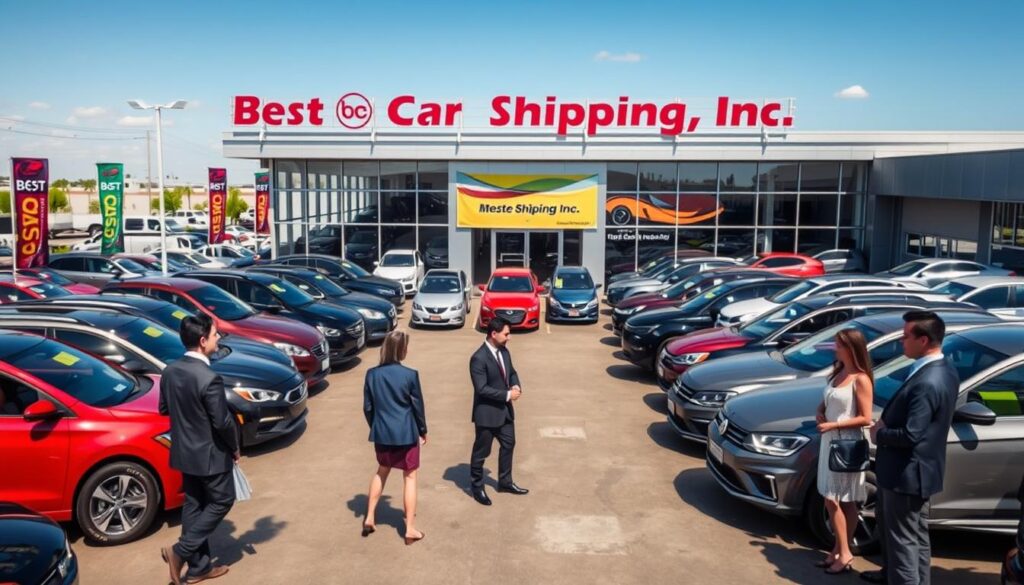
Dealership lots simplify pickup logistics for most auto moves. Commercial access, predictable staffing, and wide staging areas make handoffs smoother than residential pickups.
Why pickup is usually straightforward for carriers
Dealers work with auto transport partners regularly. They know required documents, gate rules, and how to stage vehicles. That familiarity reduces delays.
Who coordinates the shipment: you, the dealer, and the transport company
The process involves three parties. The buyer confirms pickup permission and contact info. The dealer provides release and a point person. The carrier handles the move.
“Clear release instructions and a single pickup contact cut hold times and improve delivery predictability.”
Good expectations: drivers give call-aheads, pickup windows are common, and business hours set limits. Confirm that the dealer permits outside pickup before booking.
| Pickup Type | Typical Advantage | Common Constraint |
|---|---|---|
| Dealer lot | Fast processing and space for loading | Business hours and gate procedures |
| Residential | Convenient for buyer | Driveway access and timing issues |
| Enclosed service | Extra protection for value vehicles | Higher cost and limited carrier availability |
Understand broker vs carrier roles when a dispatcher calls. Confirm rules at the pickup location and share one contact list so services align and the move goes smoothly. For vetted company options, see best car shippers in the US.
When it makes sense to ship a car instead of driving it home
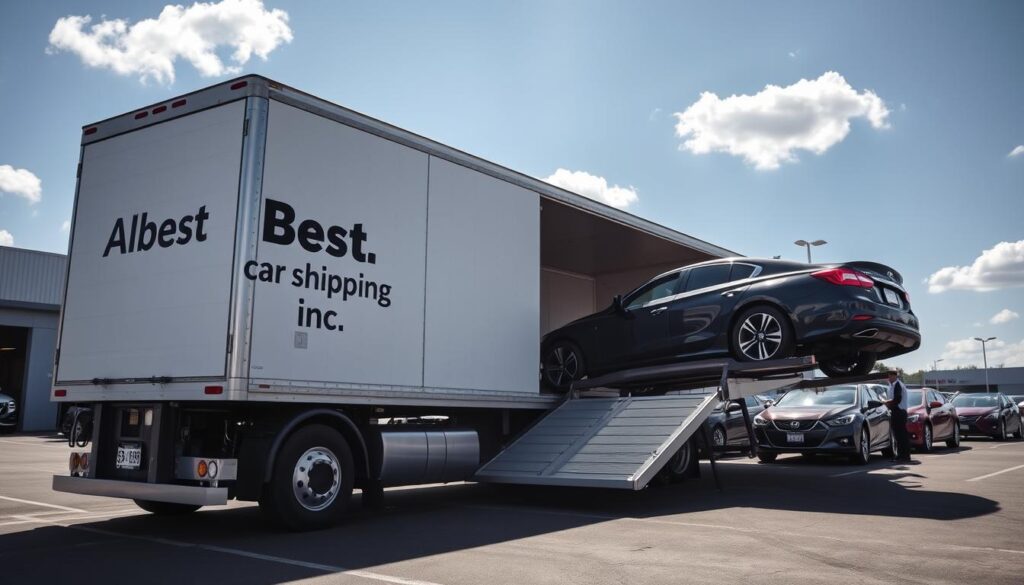
When distance, timing, or mileage matters, moving a vehicle by carrier often makes more sense than driving it. Time and risk play large roles in that choice.
Out-of-state purchases and online buying
Modern buyers shop nationwide and arrange delivery after purchase. For many, arranging car transport ensures the vehicle arrives with minimal wear and without long road trips. It also helps align delivery with financing, temporary registration, and paperwork completion.
Dealer-to-dealer transfers and inventory moves
Dealers commonly move inventory between locations to keep models fresh and odometers low. Dealer-to-dealer transfers preserve condition and resale value, especially for newer cars that must show minimal miles.
“Dealer transfers avoid unnecessary mileage and keep inventory sale-ready.”
- Decision factors: time constraints, long-distance fatigue, weather exposure, mileage limits, and roadside risk.
- Businesslike delivery: professional transport is efficient for out-of-state purchases and home or office delivery.
- Convenience: avoid travel costs, hotel stays, and time away from work while keeping delivery scheduling professional.
- Reduce friction by confirming the dealer has released the vehicle, completed payment paperwork, and prepared temporary tags before dispatch.
Practical note: This option fits not only luxury models. It is a practical solution whenever distance, timing, or mileage management matters to the buyer’s experience.
Shipping a car from a dealership: step-by-step process
Start with a clear timeline that aligns buyer payment, dealer release, and carrier pickup.
Choose an auto transport company and request a quote
Select a reputable company that shows licensing and insurance up front. Ask about communication standards and if they can handle the vehicle type and route.
To get an accurate quote, provide make/model, pickup and delivery ZIPs, whether the vehicle runs, service type, and preferred pickup date. Each detail affects price and scheduling.
Select the right transport type
Match options to needs: open for value and cost savings, enclosed for higher protection, expedited when time matters most.
Coordinate pickup and schedule delivery
Confirm dealer hours, gate rules, and release paperwork before booking. Decide on home delivery or terminal pickup and choose a safe, truck-accessible drop spot.
- Confirm vehicle readiness and documents.
- Obtain and compare at least two quotes.
- Book carrier once dealer approves outside pickup.
- Set driver call-ahead and delivery window expectations.
| Step | What to confirm | Why it matters |
|---|---|---|
| Quote inputs | Make/model, distance, operable, date | Determines rate and routing |
| Carrier vetting | MC number, insurance, reviews | Protects asset and timeline |
| Dealer coordination | Hours, release docs, driver access | Prevents pickup delays |
Choosing the right car shipping method
This section helps match services to value and schedule. Pick the method that fits the dealer car, route, and owner expectations.
Open car transport for standard vehicles and best overall price
Open trailers move many vehicles at once. They offer the best price and wide availability. Expect exposure to weather and road debris, which is acceptable for most standard vehicles.
Enclosed auto transport for luxury, classic, or high-value cars
Enclosed auto transport shields vehicles from the elements. Choose this when cosmetic risk is unacceptable. It costs roughly 30%–40% more and may require longer booking lead time.
Expedited shipping when timing matters more than cost
Expedited service prioritizes speed. Use it for tight deadlines or business moves. Plan for a premium rate; carriers may reroute to meet schedules.
Oversized vehicles and when a flatbed may be required
Oversized means limits on height, length, or weight. These vehicles often need permits and a flatbed. Confirm route clearance and handling before booking.
- Compare protection, availability, and price for each method.
- Open: efficient and cost-effective for most dealer car deliveries.
- Enclosed: responsible choice for high-value vehicle protection.
- Expedited: pay more for fast, prioritized service.
- Oversized: flatbed and permits may be required.
| Method | Protection | Availability |
|---|---|---|
| Open | Low | High |
| Enclosed | High | Limited |
| Expedited/Flatbed | Variable | Limited |
Quick checklist: vehicle category, route distance, schedule flexibility, and desired protection level. Use this to book the right services with confidence.
Dealer shipping vs. hiring your own car transport company
Who arranges transport often dictates scheduling flexibility and cost transparency.
Dealer-arranged delivery can be efficient. Dealerships often work with trusted carriers and routine lanes. That means faster booking and less back-and-forth for the buyer.
“Free” or discounted service is sometimes built into the purchase price, warranty, or service plan. Check sales paperwork and invoices to see if the savings are offset by higher vehicle costs or added options.
Why you might book your own service
Booking third-party car transport opens more carrier choices and service options. It can improve scheduling and tailor protection levels to the buyer’s needs.
“Document the plan in writing: named contacts, pickup windows, and exact delivery location.”
- Ask the dealer: who is the shipper, what insurance applies, and the pickup window.
- Confirm who updates the buyer and who resolves missed pickup or delays.
- Get named contacts, dates, and delivery points in writing to reduce disputes.
Paperwork and access: what the carrier needs at pickup
Confirming documents and access rules before pickup prevents last-minute delays and confusion. Clear paperwork speeds handoffs and protects the vehicle’s condition during the handoff.
Temporary registration and ID
Transport drivers often require temporary registration and, in some cases, a copy of the buyer’s license. Discuss required documents with the dealer and the carrier before payment or booking.
Keys, alarms, and special instructions
Provide two keys when possible. Label key sets and note fob care for loading. Put the vehicle in valet mode or disable alarms if the dealer allows it.
Dealership release and site access
Confirm who can sign release forms and where the vehicle will be staged. Share exact entrance gates, preferred driver check-in procedures, and any after-hours limits.
- Docs: temp registration, buyer ID copy (if required).
- Keys: two sets, labeled and secured.
- Alarms/Electric: valet mode, charge instructions for EVs.
- Location: gate hours and staging spot confirmed.
Good preparation reduces hold times, supports condition reporting, and creates a traceable, professional delivery process.
How long car delivery takes from a dealership
Delivery time hinges on route length, carrier availability, and seasonal demand. Expect windows rather than exact days. Long routes and busy seasons expand transit windows.
How distance, route, and time of year shape transit windows
Timing breaks into clear phases: driver assignment, pickup window, transit, and final-mile scheduling. Each phase adds variable days based on distance and route density.
Why enclosed carriers can take longer
Enclosed transport often needs longer lead time. There are fewer enclosed carriers and tighter routing. That increases wait and transit time, especially for locations outside major metro areas.
What the “current logistics landscape” means
Current logistics landscape covers weather events, traffic, road incidents, and regulatory stops. These factors cause unpredictable holds and slow progress on otherwise routine lanes.
Typical cross-country expectation in the U.S.
For most coast-to-coast moves, plan on about 7–10 business days of transit. Delays do occur; reroutes and seasonal demand can add several days.
- Set realistic delivery windows; exact-day guarantees are uncommon.
- Build buffer days for travel plans, registration, or resale dates.
- Keep communication lines open with the carrier and dealer during the process.
Cost to ship a car from a dealer
Estimating cost begins with clear lane and equipment needs rather than just distance alone. Rates reflect demand on the route, trailer availability, and required service level.
Key pricing factors
Major cost drivers include distance, vehicle type, operable versus inoperable condition, and whether open or enclosed service is requested.
Expedited pickup or remote pickup/dropoff also raises costs due to scheduling and deadhead miles.
Per-mile benchmarks and why they vary
Use these practical U.S. benchmarks to budget: roughly $1.50 per mile under 500 miles; about $1.25 per mile for 500–1,000 miles; and near $1.00 per mile over 1,000 miles.
Short runs can cost more per mile because fixed trip overhead is spread over fewer miles. Rural or gated lots may add access charges.
Multi-vehicle moves and accurate quotes
Multi-vehicle loads reduce per-vehicle costs by sharing trailer space and routing. Flexibility on dates usually yields better rates.
“Provide full vehicle specs and preferred dates to get an accurate quote—partial details produce rough estimates only.”
| Quote Input | Why It Matters | Typical Effect on Cost |
|---|---|---|
| Make / model / type | Determines space and tie-down needs | Small to large impact |
| Distance / route | Drives mileage and lane demand | Major impact |
| Operable condition | Requires winch or flatbed if inoperable | High additional cost |
| Service level (open/enclosed/expedited) | Protection and speed preferences | 30–40% premium for enclosed; higher for expedite |
Compare quotes by matching service level and insurance, not just the lowest number. For deeper per-mile analysis, see an industry guide on average per-mile rates: average cost per mile.
Vehicle protection during transport: reducing damage risk
Protecting the finish starts with clear expectations. Open trailers expose vehicles to weather, road debris, and normal grime. That means small chips and dust are realistic risks on long lanes.
Open trailer exposure
Open service moves many units at once. It is efficient and cost-effective. However, exposure to debris and weather is part of the trade-off.
Enclosed protection and when it’s worth the premium
Enclosed transport reduces exposure to rain, hail, and flying stones. Choose it for high-value, rare, or freshly detailed vehicles. For details on this premium option see enclosed vehicle transport.
Inspection best practices
Document condition with photos before pickup. Check tires, mirrors, glass, and paint. Note existing scratches and dents on the Bill of Lading.
- Remove personal items and loose accessories.
- Disable alarms if permitted and leave keys labeled.
- Compare pickup photos to the vehicle at delivery and note any damage immediately.
The goal is delivery in expected condition with clear, traceable documentation. A measured inspection workflow protects both owner and carrier and improves the overall service experience.
What’s happening behind the scenes: drivers, equipment, and regulations
Experienced drivers and proper equipment keep high-value vehicle moves safe and predictable.
Why experienced CDL drivers matter
CDL holders handle heavy rigs and complex loads. Their experience reduces risk when loading, securing, and maneuvering dealer car inventories.
Skill matters: drivers spot balance issues, secure straps correctly, and manage on‑route hazards that protect vehicles and people.
Federal weight, height, and loading limits
Federal gross weight is typically 80,000 lbs. Certain twenty-foot trailer configs face ~70,000‑lb limits. States add axle and height rules, often near 13’6″–14′.
These caps shape how many vehicles a rig can carry and which roads the carrier can use.
Hours-of-Service and delivery timing
HOS rules allow up to 11 driving hours inside 14 on-duty hours, with a 30‑minute break after 8 hours and weekly caps near 60–70 hours.
That explains why overnight promises can be unrealistic. Compliance protects drivers and reduces incident risk.
Multimodal logistics and major ports
Modern dealerships rely on ship, rail, and truck. Imported vehicles roll off RORO ships—some carry up to ~8,000 vehicles—and move inland by rail or truck for staging.
Key U.S. ports include Los Angeles, Long Beach, New York, Savannah, Seattle, Houston, Charleston, Miami, and Norfolk.
“These constraints are safety and compliance standards reputable carriers follow to protect people and assets.”
Takeaway: understanding these rules helps buyers plan and evaluate transport services more intelligently. For lane-specific planning, see the Florida to North Dakota guide.
Conclusion
A concise plan that names contacts, windows, and paperwork makes final-mile delivery predictable.
Start by choosing the right service level, confirm all documents, and verify pickup rules with the dealer in advance. Match open, enclosed, or expedited service to value and budget.
Expect timeline variation: distance, carrier availability, and logistics conditions shape transit windows. Flexibility often improves price and timing.
Get an accurate quote using full vehicle details, ZIPs, and preferred dates. Clear specs reduce surprises and help compare true value across offers.
Protect your interest: document condition at pickup and delivery, keep records, and maintain direct communication to limit disputes.
Ready to plan? Request a transparent quote and schedule with a trusted team. Email info@bestcarshippinginc.com or call (307) 288-5972 with vehicle details and preferred dates.