
Best Car Shipping Inc. helps owners move non-running vehicles across the United States safely. The company offers clear steps and reliable vehicle transport options that reduce delays and avoid damage.
Customers receive transparent quotes and a simple pickup plan. Teams use proper equipment and trained carriers to load inoperable cars. Options include open and enclosed trailers to match protection needs.
Preparation matters: clearing loose items, noting fluid leaks, and sharing full condition details speeds the process. Clear communication with the transport company ensures accurate timing and fewer surprises.
For a tailored quote and friendly guidance, call (307) 288-5972 or email info@bestcarshippinginc.com. The goal is a smooth delivery and respectful handling from pickup through final delivery.
Key Takeaways
- Professional vehicle transport teams handle non-running cars with special equipment.
- Open and enclosed trailer choices protect your vehicle based on needs.
- Clear condition notes and simple prep reduce delays and risk of damage.
- Best Car Shipping Inc. provides transparent quotes and dependable pickup plans.
- Contact (307) 288-5972 or info@bestcarshippinginc.com for an accurate quote.
Understanding What Inoperable Means in Auto Transport
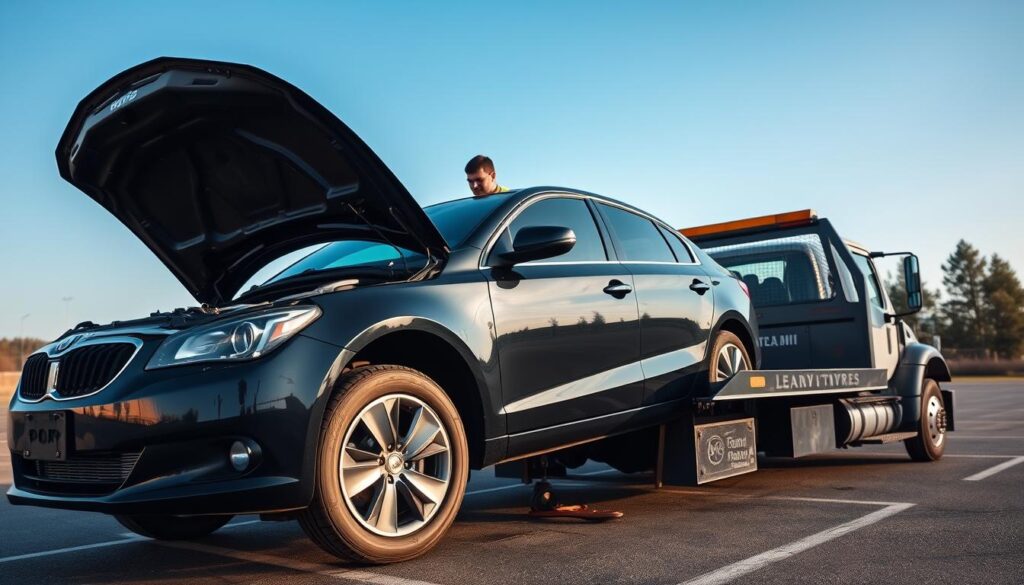
Knowing how carriers classify non-running vehicles helps owners choose the right handling and timeline.
Defining inoperable status: Carriers judge a vehicle by its ability to roll, steer, and brake during loading. If the vehicle cannot perform those basic motions, it is usually classed as inoperable.
Common mechanical issues that cause this status include a dead battery, seized brakes, or severe engine failure. These faults change the required handling and the kind of equipment a carrier brings.
Why accurate condition reports matter: A correct description lets the company send winches, dollies, or lift gear. That reduces pickup delays and improves safety for the vehicle and driver.
- Vehicles that cannot roll need more time and special handling.
- Transport companies classify cars by loadability to set the process and price.
- Best Car Shipping Inc. evaluates condition to give an accurate quote and arrange proper carriers.
For Spanish-speaking customers, see our vehicle transport options for tailored support and clear next steps.
Shipping Car With Engine Problems What to Expect
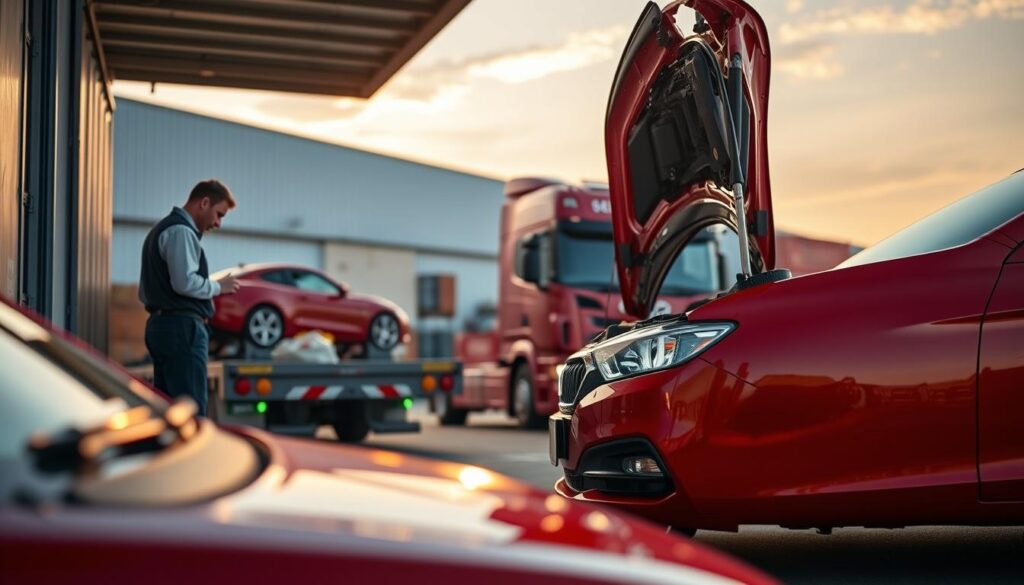
Non-running vehicles require a careful pre-check so carriers can bring the right equipment on arrival.
“Using the TCI Shipping Calculator gives the most accurate quote before pickup,” and that helps avoid surprise fees.
Provide clear condition details in advance. Note whether the vehicle rolls, steers, or has fluid leaks. This information lets the transport company plan the proper gear and crew.
Expect slightly higher cost for inoperable units. Extra time, winches, and special dollies add fees. That is standard and helps reduce the risk of damage during delivery.
“Transparency about the vehicle’s state speeds pickup and keeps timelines accurate.”
- Get an accurate quote using the TCI Shipping Calculator.
- Share condition details so the carrier brings needed tools.
- Plan for added time and modest extra cost when a vehicle cannot run.
Questions? Best Car Shipping Inc. answers details and handles logistics. For more about service options, see our Houston transport guide or call (307) 288-5972.
Essential Equipment for Moving Non-Running Vehicles
Successful transfer of a disabled vehicle hinges on the correct gear and trained personnel.
Winches and forklifts serve distinct roles during pickup delivery. Winches pull vehicles that roll but cannot drive onto a trailer. Forklifts lift heavily damaged units at auction yards like Copart and IAA.
Flatbed trucks often pair with forklifts for cars that cannot be towed. The right combination reduces handling time and lowers the risk of further damage.
- Carriers coordinate equipment availability at pickup sites.
- Specialized gear speeds loading and secures safe delivery to the destination.
- Best Car Shipping Inc. plans equipment based on the vehicle condition and cost considerations.
| Equipment | Best Use | Typical Sites |
|---|---|---|
| Winch | Pulls rolling but non-driving vehicles | Private lots, residential pickup |
| Forklift | Lifts heavily damaged or immobilized vehicles | Copart, IAA, auction yards |
| Flatbed Truck | Transports cars too damaged for standard dollies | Recovery and auction pickups |
“Using the proper equipment ensures a safe, efficient vehicle transport process.”
For details on scheduling and options, see our service FAQs or call (307) 288-5972.
Preparing Your Vehicle for Safe Transport
A short checklist before pickup helps prevent avoidable damage and holdups.
Securing Loose Parts
Remove or fasten any loose trim, antennas, and cargo. Tape or bag small pieces. This limits movement and protects the vehicle during handling.
Managing Fluid Leaks
Address fluid leaks in advance. Leaking oil or coolant creates hazards for carriers and other vehicles. Repair obvious leaks or note them on the bill of lading so proper equipment is ready.
Handling Keys and Documentation
Keep keys, title copies, and release forms together. Provide clear pickup instructions and any remote access info the carrier may need.
- Take detailed photos of the vehicle condition before pickup.
- Protect vulnerable areas from weather when possible.
- Use the checklist or see how to prepare a car for transport for step-by-step guidance.
“Clear details and simple prep speed the process and reduce risk.”
For questions, contact Best Car Shipping Inc. at (307) 288-5972 or info@bestcarshippinginc.com.
Financial Factors and Cost Considerations
Costs for moving a non-running vehicle vary by how it must be handled and the haul distance.
Expect higher fees for inoperable units. Typical extra charges range from $150 to $350. That covers winches, dollies, or a flatbed and added labor time.
Distance and access matter. Long routes or tight pickup sites raise the total cost. Carrier availability and the destination can add delays and affect pricing.
Auction yards often impose storage fees after 48 hours. Schedule pickup inside that window to avoid added daily charges.
- Get a clear quote that lists any special equipment fees.
- Compare options from reliable companies to find the best value.
- Ask the transport company about pickup timing to reduce storage or delay fees.
“Transparent pricing helps customers plan and prevents surprise costs.”
Best Car Shipping Inc. provides straightforward quotes and a helpful customer care team. Call (307) 288-5972 or email info@bestcarshippinginc.com for a detailed estimate and available options.
Conducting Thorough Pre-Shipment and Post-Shipment Inspections
A clear pre-shipment check creates an objective record of the vehicle and reduces disputes later.
Begin by photographing the exterior and interior from multiple angles. Compare those photos with ones taken at delivery to identify any new damage quickly.
Check fluid levels and tire pressure as part of the pre-inspection. Note leaks and mark them on the bill of lading so the carrier knows the exact condition at pickup.
- Document dents, scratches, and missing parts with clear photos.
- Record odometer, fuel level, and any loose equipment before transport.
- At delivery, inspect the vehicle immediately and compare photos for discrepancies.
If new damage appears, document it with time-stamped photos and contact the transporter right away. This step protects the owner and speeds claim resolution.
“Comparing pre-shipment and post-shipment photos is the most effective way to identify any damage that may have occurred during transport.”
Questions? Best Car Shipping Inc. provides inspection checklists and support. Call (307) 288-5972 or email info@bestcarshippinginc.com for guidance and to avoid delays at pickup or delivery.
Final Thoughts on Transporting Damaged Vehicles
Transporting damaged vehicles demands clear planning and expert handling at every step.
This short guide covered key factors that affect cost and timing. Document the vehicle condition with clear photos. That record helps avoid disputes and extra fees.
Work with a trusted transport company that provides transparent quotes and experienced crews. Good communication reduces risk and improves the overall customer experience.
When ready, call (224) 218-2949 for an accurate quote and scheduling. Best Car Shipping Inc. takes pride in managing complex moves and protecting your investment. Thank you for trusting the team for a smooth, worry‑free transport.