
If your car loses power during a trip, act quickly. A slipping transmission after long drive can show as hesitation, surging, or unexpected RPM changes. These symptoms point to possible transmission failure and need prompt attention to avoid costly repair.
Matt’s Automotive Service Center serves vehicles across ten locations in Minnesota and North Dakota. The shop’s skilled mechanics have spent years refining transmission repair and maintenance for many vehicle types. They handle the complex needs of engines and drivetrains so drivers stay safe on the road.
Do not ignore a sudden loss of power. Driving many miles puts stress on internal parts, and a quick service visit can prevent catastrophic damage. Contact the team to schedule inspection and repair and keep your car reliable.
Key Takeaways
- Loss of power on a trip often indicates a serious transmission issue.
- Matt’s Automotive has ten locations with experienced mechanics.
- Early service reduces the risk of costly repair and failure.
- Every vehicle type needs specific maintenance and care.
- Call the shop to schedule inspection and protect your investment.
Understanding Slipping Transmission After Long Drive
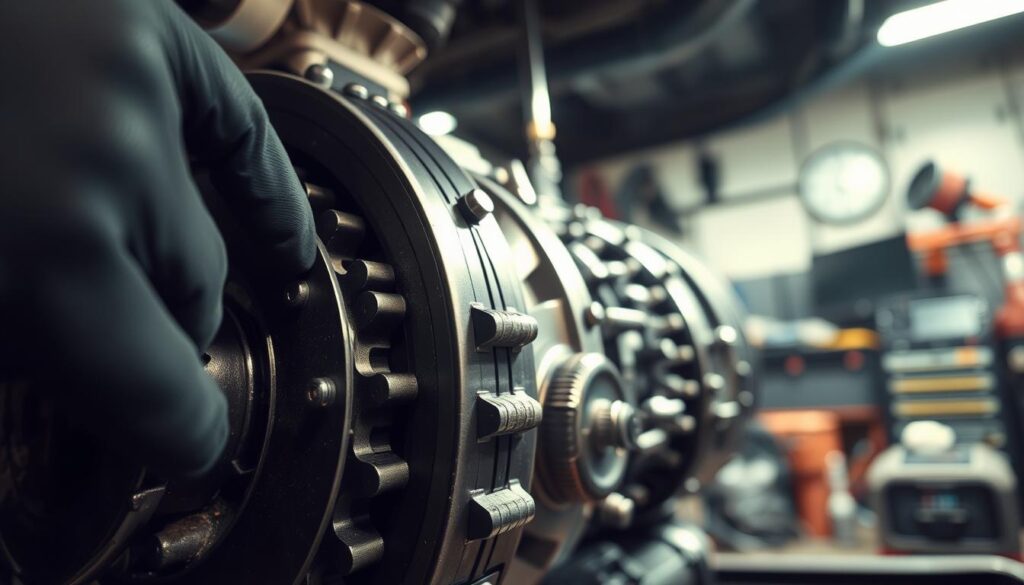
For close to three decades, technicians at Rohnert Park Transmission & Auto Repair have traced the root causes of gear hesitation in thousands of cars.
What it means: transmission slipping happens when a vehicle does not hold gear engagement. The engine may rev with little increase in power. That failure is a clear sign of transmission problems that need prompt attention.
Over years and many miles, internal parts wear. Different vehicle types show varied symptoms. A trained mechanic must inspect clutches, bands, and valve systems to determine the exact problem.
“Addressing these issues early saves time and money and prevents major repair.”
- Common cause: worn components from high mileage.
- Shop role: diagnostic service to identify faulty parts.
- Goal: restore consistent gear engagement and reliable power.
Bottom line: early maintenance and professional repair preserve daily drivability and extend the life of your transmissions.
Common Symptoms of Transmission Failure

A sudden change in shift behavior is one of the clearest warning signs from a vehicle.
Delayed Gear Engagement
Delayed Gear Engagement
Delayed gear engagement occurs when the car hesitates for several seconds after selecting drive or reverse. This pause can strain the engine and lead to further damage if not checked.
Unusual Grinding Noises
Grinding sounds often mean the clutch is not disengaging properly. Persistent grinding can wear down gears and cause expensive repair.
Burning Smell from Engine
A burning smell from the engine bay usually points to overheated fluid or excessive friction. This odor is a serious warning that requires immediate service to avoid total failure.
“Address signs promptly; early inspection reduces the risk of costly damage.”
| Symptom | What it Indicates | Recommended Action |
|---|---|---|
| Delay in engagement | Worn bands or low fluid | Inspect fluid level and have mechanic diagnose |
| Grinding noises | Clutch or gear wear | Schedule repair to avoid further damage |
| Burning smell | Overheated transmission fluid | Stop and seek immediate service |
- These transmission problems affect all vehicle types and miles.
- Regular maintenance keeps fluid clean and protects gears.
- If you notice any change, bring the vehicle to the shop for a full diagnostic.
The Role of Transmission Fluid in Performance
Proper fluid keeps moving parts cool and lubricated. It carries hydraulic pressure and prevents wear that leads to gear slipping and poor shifts.
New fluid is typically bright red. That color helps distinguish it from engine oil or coolant.
If you detect a burning smell, it often signals low or contaminated fluid. Prompt inspection prevents further damage to the vehicle and engine.
Identifying Leaks and Contamination
A trained mechanic checks fluid level and the filter for debris or metal particles. Finding dark or brown fluid under the car is a clear cause for immediate service.
| Check | What to Look For | Recommended Action |
|---|---|---|
| Fluid color | Bright red when new; brown/dark when old | Change fluid and inspect for contamination |
| Fluid level | Low level may cause slipping or poor engagement | Top up to spec and find leak source |
| Filter and debris | Metal shavings or dark sludge | Replace filter; full diagnostic and repair |
Regular service is the best prevention. A scheduled fluid change and filter check keeps the system efficient and reduces the risk of costly repair.
“Check fluid levels and color at routine service intervals to protect your vehicle’s drivetrain.”
Mechanical Components Contributing to Slippage
Mechanical wear inside the gearbox often shows as weak engagement and erratic shifts. A clear inspection focuses on clutch packs, bands, and control electronics that govern pressure and timing.
Worn Clutch Packs and Bands
Automatic systems rely on clutch packs and bands to lock gears under load. Over many miles these parts thin and glaze. That wear causes loss of hold and slipping gears.
When clutch surfaces fail, a professional replacement is usually required.
Solenoid and Control Module Issues
Solenoids direct fluid flow and valve timing. A failing solenoid or faulty control module can create erratic pressure and shift problems. Electronics are tested during a diagnostic to locate the issue.
Torque Converter and Related Parts
The torque converter links the engine to the geartrain. Damage or internal wear here also produces slipping and poor acceleration. The shop inspects all related parts before recommending repair or replacement.
“A thorough check of clutch packs, bands, solenoids and the torque converter pinpoints the root cause.”
- High-quality parts and experienced service restore reliable operation.
- Prompt repair prevents further engine strain and costly failures.
Why Heat Impacts Your Transmission During Extended Trips
High operating temperatures are the leading cause of rapid fluid breakdown in gear systems. Heat reduces lubrication and lets seals and clutch surfaces glaze. This process starts a cycle of wear that speeds up internal damage.
A burning smell often signals the unit is running too hot. That odor usually comes from degraded transmission fluid and overheated parts in the engine bay. A clogged filter makes the issue worse by blocking cooling flow.
During extended driving, broken-down fluid loses hydraulic strength. Gears and clutch components then work with less protection. The result can be hesitation or slipping and eventual transmission problems that need repair.
“Check fluid levels and the cooling system before long trips; prompt service prevents costly damage.”
- A certified mechanic will inspect fluid levels, the filter, and cooling lines.
- Keeping transmission fluid clean and topped to spec prevents many heat-related failures.
- Monitor performance and seek service at the first sign of slipping to avoid full repair.
Safety Risks of Driving with a Compromised Transmission
A failing gearbox can create instant danger on highways when power cuts out without warning.
Driving with a compromised transmission puts the driver and other road users at risk. Sudden loss of power at speed makes passing and merging unsafe.
A faulty unit can cause unpredictable gear changes. This behavior reduces control of the car in heavy traffic and increases the chance of an accident.
If the system fails completely, acceleration stops and the vehicle may become a moving hazard. Avoid highway driving if you notice unusual noise, delayed engagement, or a burning smell.
Professional service is essential. Our shop offers timely inspection and repair to restore safe operation. Contact (307) 288-5972 or email info@bestcarshippinginc.com for immediate assistance.
| Risk | What Can Happen | Recommended Action |
|---|---|---|
| Sudden power loss | Unable to accelerate on highway | Stop safely; call for service |
| Unpredictable shifting | Loss of vehicle control in traffic | Limit driving; seek inspection |
| Total failure | Car becomes hazardous | Do not drive; arrange repair |
“Contact the shop immediately if you experience any slipping; professional service protects safety and prevents further damage.”
Diagnostic Procedures for Professional Technicians
ATRA-certified techs begin diagnostics by connecting factory-grade scanners to read stored fault codes. This step provides clear error data and narrows the possible causes fast.
The mechanic then inspects the transmission fluid and checks fluid level and fluid levels for contamination or low volume. A simple fluid change can resolve many shifting issues.
Technicians examine the torque converter and the filter to detect internal damage. They also monitor live gear engagement data to spot intermittent faults.
- Advanced scanners read computer codes and live data streams.
- Visual and lab checks assess transmission fluid condition.
- Torque converter and filter inspection rules out internal failures.
- Sensor and solenoid testing isolates electronic causes quickly.
Trust a certified team to deliver a written diagnostic report. The report outlines the issue, recommended repair or change, and estimated time and cost for service.
Contact the shop for professional maintenance and reliable repair planning.
Repair Versus Rebuild Options
Deciding between a targeted repair and a full rebuild depends on the scope of damage and projected life expectancy.
A repair fixes specific issues such as a faulty solenoid or a bad torque converter. It is usually the most cost-effective choice for minor damage.
A rebuild involves full disassembly and replacement of worn parts. This service restores gears, bands, clutch packs, and internal components to near factory condition.
The shop’s years of experience help owners choose the best path for their vehicles.
“When damage is extensive or failure is catastrophic, a rebuild or full replacement often provides the longest-term reliability.”
- Inspect filter and fluid to see if a simple repair will resolve the issue.
- If many miles show extensive wear, a rebuild may be required.
- Technicians recommend honest, cost-aware guidance for every customer.
| Option | When to Choose | Primary Benefit |
|---|---|---|
| Targeted Repair | Single component failure (solenoid, torque converter) | Lower cost; quick turnaround |
| Full Rebuild | Widespread internal wear or repeated problems | Restores power and shifting to factory standards |
| Replacement | Catastrophic failure or severe damage | Maximum long-term reliability |
Conclusion
Catch warning signs early to avoid costly repairs and keep your vehicle safe while driving. A slipping transmission or odd hesitation should prompt quick action to prevent larger damage.
Check transmission fluid and note any burning smell or dark color. Low or contaminated fluid is a common cause of this problem and often fixes with simple service or fluid replacement.
Our team provides honest diagnostics, clear options for repair or replacement, and timely service. Call (307) 288-5972 or email info@bestcarshippinginc.com to schedule a diagnostic. Trust certified technicians to restore reliable operation and keep your vehicle shifting smoothly.