
Many owners ask whether personal belongings may travel inside their vehicle when arranging car shipping. Move.org experts with over eight years of experience review pricing and rules for reliable transport services. Their guidance helps owners weigh cost savings against real risks.
Federal Department of Transportation rules and most carrier policies favor shipping a vehicle empty. Firms often limit items to the trunk or below the window line to keep the load safe and visible for the driver.
If items are allowed, total weight usually must not exceed 100 pounds. Valuable or fragile household goods should be removed because carrier insurance typically excludes belongings inside the vehicle. Contact the transport representative early to confirm company policies, weight limits, and acceptable cargo.
For specifics on trunk limits and carrier coverage, consult the company FAQ or this helpful policy summary before booking service.
Key Takeaways
- Most companies prefer vehicles shipped empty to reduce damage risk.
- Allowed items should be stored in the trunk or below the window line.
- Total weight for belongings often caps at 100 pounds.
- Carrier insurance commonly does not cover personal items left inside.
- Contact the transport representative early to confirm limits and policies.
Understanding the Rules of Car Shipping

Regulatory and company rules generally limit carriers to vehicle-only transport, excluding most personal items.
Professional car shipping companies follow strict guidelines to protect vehicles during long hauls. Drivers and carriers focus on safe transit, not on moving household goods or personal items.
Most companies state clearly that the carrier is responsible for the vehicle only. The driver is not authorized to accept liability for items left behind, and insurance commonly excludes personal belongings.
Understanding these policies prevents delays or fines if an inspection flags prohibited items. Reliable transport services often require cars to be empty before loading to reduce risk and ensure on-time delivery.
If specific questions remain, contact the transport company directly for details about limits, weight allowances, and the carrier’s experience. For assistance, email info@bestcarshippinginc.com or call (307) 288-5972.
Can You Put Luggage in a Car During Shipping?
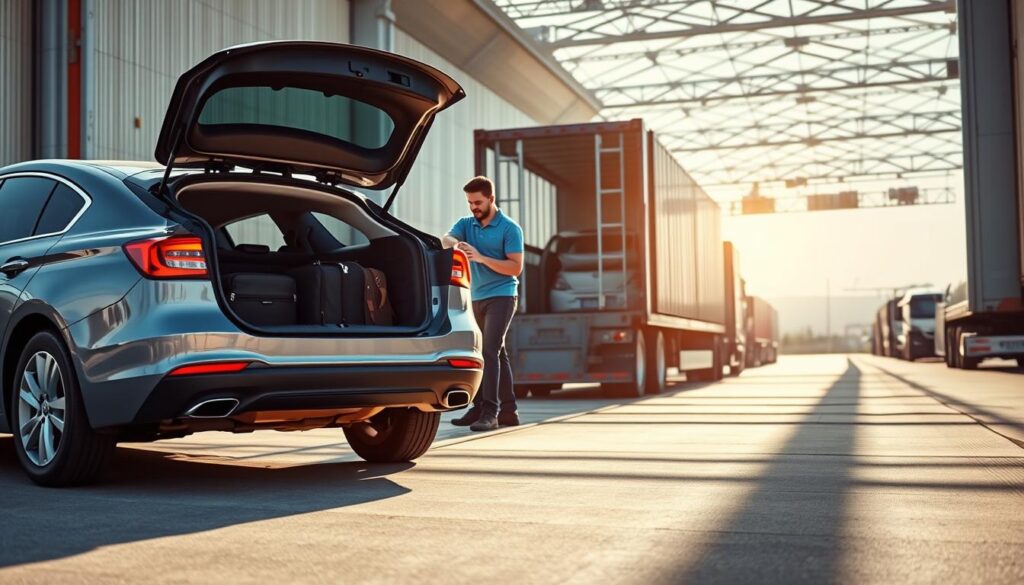
Short answer: whether items may remain inside a vehicle depends entirely on the transport company’s policy.
Some carriers allow a limited amount of personal items, while many prohibit any extra load for safety.
Owners should weigh the risks before they ship car with belongings. Most carrier insurance excludes personal belongings left inside. That makes any damage or loss difficult to claim.
- Confirm the company’s weight limits and allowed areas (usually trunk or below the window line).
- Secure items so they cannot shift during transport.
- Notify the carrier before pickup to avoid delays or rejection at the terminal.
Bottom line: follow the carrier’s rules, keep valuables out of the vehicle, and consider separate shipping services for household goods. Clear communication with the transport provider ensures a smooth move.
Why Carriers Prefer Empty Vehicles
Most carriers insist on empty vehicles to minimize transport hazards and legal exposure.
Insurance policies typically cover the vehicle only. That means personal items and household goods left inside are excluded from carrier claims. Owners who leave cargo face a high risk of loss or damage with no recourse.
Drivers usually refuse responsibility for packed cars. They avoid hauling extra stuff to prevent claims and delays at weigh stations. Companies also limit transport to the vehicle itself because they are not licensed to move household goods.
- Insurer coverage: vehicle only, not belongings inside.
- Driver liability: commonly declined for items car owners leave behind.
- Operational risk: extra weight can trigger inspections and schedule changes.
| Issue | Effect | Best Practice |
|---|---|---|
| Insurance limits | No payout for personal items | Remove valuables before pickup |
| Driver liability | Driver may refuse loaded vehicles | Confirm policy with carrier |
| Weight concerns | Delays at weigh stations | Keep cargo under 100 pounds if allowed |
For clear guidance, consult the carrier early. For professional help with booking or questions about car shipping services, see car shipping services or contact the transport representative.
Department of Transportation Regulations
Federal rules set clear weight and licensing standards for vehicle transport. The Department of Transportation enforces limits to keep roadways and bridges safe. Drivers and carriers must follow these rules before loading any car for long-distance transport.
Ship a Car Direct notes that DOT officials seldom penalize loads under 100 pounds, but exceeding limits creates serious risk. Carriers found moving household goods without the proper license face fines and legal action.
- Weight checks can trigger inspections and delays for every vehicle on the carrier.
- Carriers must keep accurate cargo records; unauthorized items may cause violations during traffic stops.
- When owners ship car, they must respect these legal boundaries to avoid rejection at pickup.
| Regulation | Why it matters | Owner action |
|---|---|---|
| Weight limits | Protects bridges and vehicle stability | Keep items under allowed weight; disclose cargo |
| Licensing for household goods | Unauthorised transport risks fines | Use licensed movers for household goods |
| Cargo records | Enables DOT audits and inspections | Confirm carrier documentation before pickup |
Follow DOT rules to ensure smooth transport. For trusted carriers and help booking, see our guide to the highest-rated auto transport companies or contact the transport team at info@bestcarshippinginc.com or (307) 288-5972.
The Reality of Insurance Coverage
Insurance for auto transport typically covers the vehicle but not any goods left inside.
Most carriers insure the car and its permanent parts only. That means personal items and household goods inside a vehicle are excluded from claims. Owners who assume belongings are covered often face surprise losses.
Carriers and drivers routinely state they will not accept liability for belongings inside the vehicle. Policies from most companies repeat this point in plain language.
If items inside are a concern, consider buying separate transit insurance. Verify the policy language with the carrier before pickup. Clear documentation at drop-off helps if disputes arise.
| Coverage | What it protects | Owner action |
|---|---|---|
| Carrier policy | Vehicle and permanent parts | Remove valuables before pickup |
| Personal items | Not covered | Buy separate insurance or ship items separately |
| Driver liability | Usually declined for belongings | Confirm with company and document condition |
For clarity and booking assistance, contact the transport team at info@bestcarshippinginc.com or (307) 288-5972.
Weight Limits and Safety Concerns
Excess cargo inside a vehicle changes handling and raises clear safety concerns during long-haul transport.
Extra weight strains tires and brakes. That increases braking time and can make trailers less stable. In extreme cases, overloaded vehicles raise the risk of the carrier tipping over.
Most carriers set a standard limit of 100 pounds for personal items stored in the trunk. This limit helps protect the vehicle and the transport rig. It also keeps routes open that might be restricted for heavy loads.
“Adhering to weight limits reduces mechanical stress and lowers the chance of damage during transit.”
- Safety: Weight limits protect tires, brakes, and overall handling.
- Placement: Keep items below the window line and secure them in the trunk when allowed.
- Operational impact: Heavy vehicles may force route changes and add delivery time.
Follow carrier rules and document any cargo before pickup. That reduces risk and helps ensure the vehicle arrives without damage.
How to Pack Items if Allowed
When limited cargo is permitted, clear rules and careful packing protect both vehicle and driver.
Securing Items Below the Window Line
Only place permitted goods in the trunk or below the window line. Use one sturdy box or suitcase that stays under 100 pounds total. Keep items tight and use soft padding to prevent movement.
Cover contents with a blanket if stored on the rear seat, ensuring they remain below the window at all times.
Keeping the Driver Seat Clear
Drivers must have an unobstructed seat and clear access to controls. Remove any boxes or loose items from the front area before pickup.
Secure back-seat cargo so it cannot slide forward during sudden stops. That protects both the driver and the vehicle during transport.
Avoiding Dangerous Substances
Never pack flammable, pressurized, or illegal materials. Carriers and companies prohibit such cargo for safety and insurance reasons.
If uncertain about an item, declare it to the carrier at booking. When in doubt, ship household goods separately through a licensed mover.
| Action | Why it matters | Best practice |
|---|---|---|
| Store below window line | Prevents shifting and visibility issues | Use trunk or single secure box |
| Keep driver area clear | Maintains safety and access | Remove front-seat items before pickup |
| Avoid hazardous materials | Protects people and maintains insurance | Declare items or use separate service |
Need help? Contact the transport team at info@bestcarshippinginc.com or call (307) 288-5972 for policy details before loading any personal items.
Specific Policies for Major Shipping Companies
Major transport firms keep clear limits on allowed cargo to protect vehicles and meet insurance rules.
AmeriFreight permits items inside a vehicle but warns owners that carrier insurance usually excludes personal items. SGT Auto Transport allows a single box or suitcase up to 100 pounds, stored in the trunk or cargo area.
Montway accepts one bag up to 100 pounds free, if it stays below the window line and seats stay upright. Sherpa also allows up to 100 pounds in the trunk or below the window line at no extra charge.
Easy Auto Ship generally permits one box of 100 pounds but requires prior carrier agreement. Each company has distinct experience and rules, so owners should disclose plans to the transport representative.
- Best practice: always declare any cargo to the carrier before pickup.
- Secure placement: trunk or below the window line when allowed.
- Risk: items left inside may not be covered for damage or loss.
| Company | Allowance | Placement |
|---|---|---|
| AmeriFreight | Allowed; not recommended | Trunk/cargo; disclose to rep |
| SGT Auto Transport | One box up to 100 pounds | Trunk or cargo area |
| Montway | One bag up to 100 pounds free | Below window line; seats upright |
| Sherpa | Up to 100 pounds no charge | Trunk or below window line |
| Easy Auto Ship | One box ~100 pounds with carrier OK | Trunk/cargo; must confirm |
Confirm policies early to avoid pickup delays. For help, contact the transport team at info@bestcarshippinginc.com or call (307) 288-5972.
Restrictions for Hawaii and Sea Transport
Sea transport to Hawaii enforces zero-tolerance rules for personal cargo inside vehicles.
When handling car shipping to or from Hawaii, the vehicle must be completely empty. Local port rules and marine terminals do not accept personal items or household goods.
Any car arriving with belongings inside will be rejected. That refusal creates major delays and extra costs for the owner.
The Department of Transportation and port authorities enforce these restrictions. Unlike standard land transport, no company allows even 100 pounds of cargo for Hawaii-bound vehicles.
- Remove all personal belongings and stuff before terminal drop-off.
- Expect a thorough carrier inspection; items found lead to immediate refusal.
- Plan ahead to avoid rebooking fees and storage charges at the port.
“Empty vehicles keep maritime operations safe and comply with strict port and DOT rules.”
For assistance or to confirm terminal rules, contact the transport team at info@bestcarshippinginc.com or call (307) 288-5972.
Preparing Your Vehicle for Transit
Well-documented preparation reduces delays and protects against disputes.
Begin by cleaning the exterior and taking clear photos of all sides, the interior, and the odometer. This record supports any later claim for damage.
Remove valuable personal items and fragile belongings before handing keys to the carrier. If a company allows up to 100 pounds, place permitted items in the trunk and keep them under the window line.
Inspect the vehicle for pre-existing dents, scratches, and mechanical issues. Note fuel level and tire condition. Provide this information to the transport representative so drivers know access limits and any driveway constraints.
Secure packing matters: use one sturdy box or soft bags that cannot shift. Label the cargo and fasten it so it stays put during loading and transit.
- Document condition with date-stamped photos.
- Confirm weight limits and trunk placement with the carrier.
- Disclose special access needs or unusual cargo early.
Keep a written record of condition and communications. That documentation is essential if insurance questions arise. For help with pre-shipment checks, contact info@bestcarshippinginc.com or call (307) 288-5972.
Communicating with Your Transport Representative
Confirming cargo allowances with the transport rep protects owners from unexpected fees and delays.
Tell the representative up front if intending to pack up to 100 pounds of personal items. The carrier must approve weight and placement before pickup.
Ask about the company’s policies on the driver seat and whether permitted goods must stay in the trunk or below the window line. If the vehicle is modified, report details so the transport team can assign proper equipment.
Always confirm insurance coverage for transit. Most policies cover the vehicle, not belongings, so get written clarification to avoid disputes over damage.
“Clear instructions to the transport team reduce risk and ensure the vehicle is handled correctly.”
- Document agreed limits and any exceptions.
- Note the rep name, date, and reference number for your file.
- Request the carrier’s written terms and conditions when unsure.
Open communication keeps drivers informed and the service on schedule. A professional representative will guide owners through each step and prevent common mistakes that cause damage or delays.
Risks of Packing Valuables
High-value items inside a vehicle create clear financial and insurance risks during transport.
Carrier policies typically exclude personal belongings from coverage. That means lost or stolen items have no insurance remedy. Owners should treat that exclusion as a firm rule, not a suggestion.
Vibration and movement during long-haul transport can damage fragile items if they are not secured. Even when carriers allow up to 100 pounds in the trunk, cash, jewelry, and heirlooms remain too risky to include.
Most companies warn against leaving valuables inside. Theft, accidental loss, or unnoticed damage leave owners without recourse. The safest option is to move high-value personal belongings separately through a licensed service.
- Keep valuables out of the vehicle to protect assets.
- Document vehicle condition and any declared cargo before pickup.
- If permitted small items remain, secure them and disclose to the carrier in writing.
| Risk | Why it matters | Owner action |
|---|---|---|
| Insurance exclusion | No payout for belongings inside | Remove valuables; buy separate coverage |
| Theft or loss | Items may disappear during transit | Ship valuables via courier or mover |
| Vibration damage | Fragile goods break without padding | Do not pack delicate items in vehicle |
| Operational refusal | Carrier may reject loaded vehicle | Disclose cargo; follow company rules |
For practical prep steps and a checklist, see prepare your vehicle.
Alternatives for Moving Personal Belongings
Using a dedicated mover for household items often proves safer than adding cargo to a transported vehicle.
For more than 100 pounds of personal belongings, hire a professional moving company to transport household goods separately. That avoids weight issues and reduces the risk of carrier refusal at pickup.
Other practical ways include renting a truck or using a container service. Both options keep the car lighter and simplify the shipping car process.
Dedicated moving services save time and effort. Movers with experience pack and secure items to prevent damage during long transport.
- Reliability: separate service protects valuables better than packing them into the vehicle.
- Efficiency: professionals handle loading, paperwork, and scheduling, freeing the owner to focus on the vehicle.
- Cost vs. benefit: compare quotes to find the best balance of price, time, and protection.
Separating car shipping from the household move is the safest way to ensure both the vehicle and belongings arrive intact. For help comparing options, contact info@bestcarshippinginc.com or call (307) 288-5972.
Conclusion
A careful review of carrier terms and documented condition helps prevent disputes when some items remain onboard.
Shipping with small personal belongings may be allowed by some carriers, but owners must accept the risks. Keep permitted goods under the stated limit of 100 pounds and document condition thoroughly.
The clear answer is that policy varies. When in doubt, send the vehicle empty. That choice reduces insurance gaps and safety concerns for both the owner and the transport provider.
For large household loads, hire a licensed mover. For assistance with quotes or policy questions, contact the transport team at info@bestcarshippinginc.com or call (307) 288-5972.