
A-1 Auto Transport offers clear, reliable auto transport services across the United States. This introduction shows how enclosed auto shipping works, why it costs more, and when it makes sense to choose added protection.
The company provides free, no-obligation quotes and professional handling. Reputable carriers calculate price using distance, weather, and other key factors. Enclosed service uses specialized trailers to shield vehicles from the elements and reduce the risk of damage.
Choosing the right way to move a vehicle depends on value and condition. Luxury cars or rare models often need covered carriers and additional insurance. A-1 Auto Transport pairs experienced drivers with modern equipment to keep shipments safe during transit.
Understanding these basics helps owners compare services, timeframes, and coverage options. For questions or a quote, contact the company at (307) 288-5972 or email info@bestcarshippinginc.com.
Key Takeaways
- Enclosed auto shipping offers superior protection against weather and road elements.
- Cost typically runs about $1.00 per mile—roughly double open options.
- Reputable carriers consider distance, weather, and vehicle condition when quoting.
- Specialized trailers and experienced drivers reduce the chance of damage.
- A-1 Auto Transport provides free quotes and insurance options for peace of mind.
Understanding Enclosed Car Transport Explained for Beginners
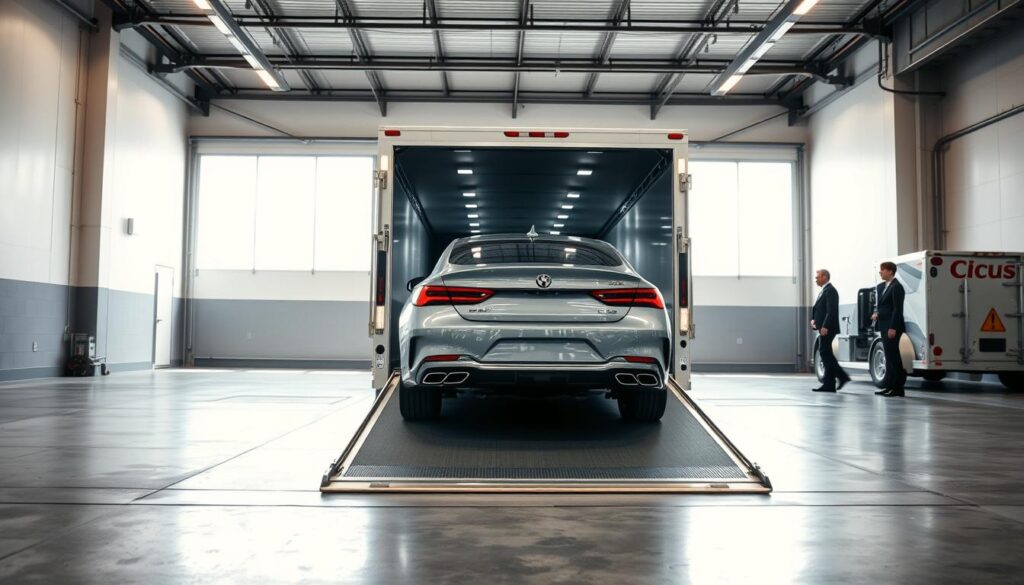
This premium method houses your vehicle inside a sealed trailer to limit exposure during transit. It is a higher-level shipping choice that prioritizes protection and condition over cost.
What is Enclosed Transport
Enclosed auto shipping places the vehicle inside fully covered trailers to shield it from weather, road debris, and dust. The closed trailer creates a controlled environment that reduces the chance of exterior damage.
How the Process Works
A professional driver arrives to inspect the vehicle. They note existing marks and conditions on the bill of lading and take photos if required.
Cars are secured with soft-strap tie-downs to protect suspension and bodywork. The carrier provides a clear quote based on distance, trailer type, and required insurance coverage.
“The inspection and secure loading are the key steps that preserve a vehicle’s condition during shipment.”
For specific route pricing and options, see our Sacramento to Dallas car shipping service page. Contact the company at (307) 288-5972 or email info@bestcarshippinginc.com for a detailed quote.
How Enclosed Shipping Differs from Open Transport
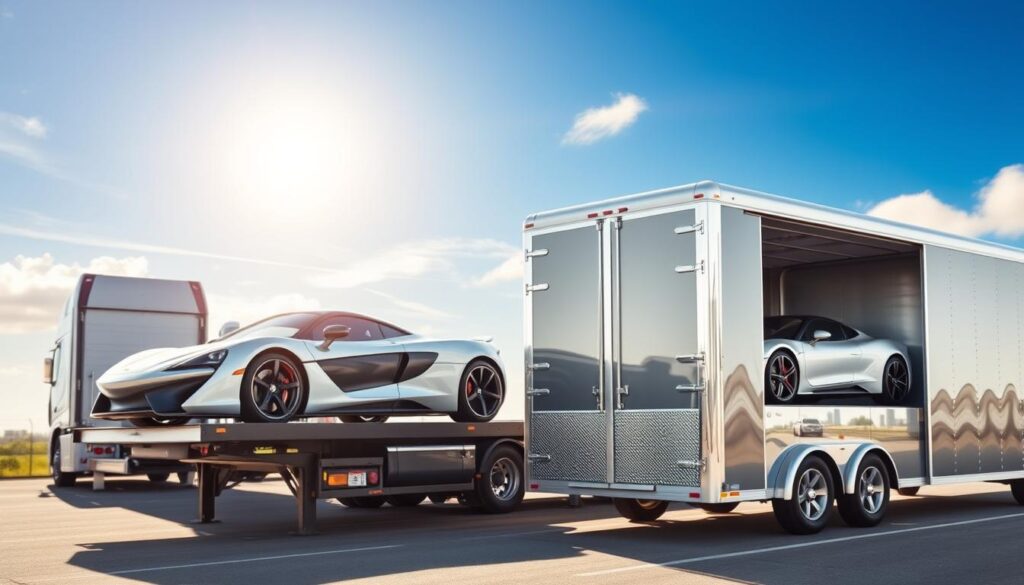
Open trailers move the majority of everyday vehicles, offering a cost-effective and widely used shipping method.
Open transport commonly carries seven to ten vehicles per trip. It keeps prices lower and handles high volume each day. Drivers secure each vehicle with tested tie-downs and follow safety checks before departure.
Closed trailers typically carry two to six vehicles. That limited load gives greater protection from road debris and weather. Owners of luxury and classic models often choose this option for added peace of mind.
| Feature | Open Trailers | Closed Trailers |
|---|---|---|
| Capacity | 7–10 vehicles | 2–6 vehicles |
| Protection | Basic, exposed to road | Higher, shielded from debris |
| Typical Use | Everyday cars and cost-sensitive moves | High-value autos and special shipments |
Most carriers offer both options so customers can pick the best way based on value and insurance needs. Learn more about enclosed auto transport when evaluating protection and cost.
Key Benefits of Choosing an Enclosed Trailer
Choosing a covered trailer gives owners tangible safeguards that preserve a vehicle’s finish and function. This option is ideal when value and condition matter more than cost.
Environmental protection is a primary advantage. A sealed trailer blocks rain, road salt, dust, and UV exposure. Car owners worry less about weather and debris damaging paint or trim.
Reduced Handling Frequency
Smaller loads mean fewer times a vehicle is loaded and unloaded. That reduces the chance of accidental dings and scrapes during handling.
99.9% protection against damage is often cited for covered shipping because the vehicle stays inside a secure space from pickup to delivery.
Privacy and Security
Privacy improves when a vehicle is hidden from public view. This lowers theft risk and keeps high-value models out of sight.
“Our drivers follow strict loading protocols and secure each vehicle to meet the highest safety standards.”
- Protection: Shields vehicles from weather and road debris.
- Handling: Fewer moves reduce accidental damage.
- Security: Hidden cargo lowers visibility to potential thieves.
- Value: Investing in protected shipping preserves long-term value.
| Benefit | What it Protects | Why it Matters |
|---|---|---|
| Weather Shielding | Paint, trim, interior seals | Prevents corrosion and cosmetic damage |
| Lower Handling | Body panels, mirrors | Reduces loading-related dents |
| Increased Privacy | High-value vehicles | Reduces theft and vandalism risk |
Factors That Influence Your Final Shipping Quote
Location and elevation can change a final quote more than most owners expect.
The route distance and current demand for auto transport services drive baseline pricing. Remote addresses and steep mountain roads add time and fuel use. That raises the price and can affect pickup windows.
The Impact of Location and Elevation
Elevation matters: driving through high-altitude passes slows trips and increases fuel consumption for the carrier. Drivers may need extra rest stops and time, which raises transport costs.
Access matters: remote driveways or narrow roads force carriers to plan special loading or local pickup points. Those adjustments add to the final quote.
- High-traffic metro areas often lower delivery costs by up to 50% due to carrier density.
- Adverse weather can delay shipment and change arrival time estimates.
- Carriers use route data and demand trends to calculate a fair price and coverage.
“We analyze elevation, access, and market demand to deliver an accurate auto shipping quote.”
| Factor | How It Affects Price | Typical Impact |
|---|---|---|
| Distance | Longer routes increase labor and fuel | Moderate to high |
| Elevation & Roads | Steeper, remote roads need time and skill | High |
| Market Demand | Busy corridors lower costs | Low to moderate |
| Weather | Delays and reroutes can add fees | Variable |
Request tailored auto shipping quotes to see how these factors shape your final price.
Evaluating Your Vehicle Type and Protection Needs
Owners must match protection level to a vehicle’s clearance, modifications, and market value.
Luxury and classic models often need covered options. About 60% of clients select enclosed auto transport to reduce risk and preserve value.
If a low-clearance sports car is involved, choose a trailer with a hydraulic liftgate. That feature prevents scraping the undercarriage during loading and unloading.
Value and condition drive the decision between open transport and a covered option. Standard commuter vehicles usually travel safely on open carriers.
Our team evaluates each vehicle, including modifications and ride height, when preparing a price quote. Drivers plan loading time and protective measures to limit handling and risk.
- Assess value: rare or restored vehicles merit higher protection.
- Check clearance: low rides need specialized trailers.
- Consider distance: longer routes increase exposure and handling time.
“Choosing the right level of protection ensures the vehicle arrives in the same condition as pickup.”
| Vehicle Type | Recommended Service | Why It Matters |
|---|---|---|
| Luxury / Classic | Enclosed auto transport | Maximum protection from weather and debris |
| Low-clearance sports | Enclosed trailer with liftgate | Prevents undercarriage damage during loading |
| Standard commuter | Open transport | Cost-effective and adequate protection |
For practical tips on planning a shipment and choosing the right service, see our top tips for stress-free vehicle transport or contact the team at (307) 288-5972 or info@bestcarshippinginc.com.
The Role of Insurance in Secured Auto Freight
Insurance shapes the financial safety net that underpins secured auto freight. Proper coverage protects owners when a vehicle is damaged by loading impacts, road debris, or weather during shipping. Enclosed carriers typically carry cargo limits from $250,000 to over $1,000,000 per shipment to match higher vehicle value.
The company verifies each carrier’s certificate of insurance before booking. This step ensures the policy aligns with the vehicle’s declared value and industry standards. Agents document condition at pickup to separate pre-existing issues from transit damage.
“Our team confirms coverage and records condition photos so customers know their vehicle is protected from pickup to delivery.”
Cargo insurance covers physical harm caused by the carrier, including accidental scrapes or impacts inside trailers. It does not cover pre-existing damage, so inspection is critical.
- Carrier verification: Certificate checks before shipment.
- Coverage limits: Policies scale with vehicle value.
- Documentation: Pick-up inspection and photos protect the owner.
| Coverage Level | What It Covers | Why It Matters |
|---|---|---|
| $250,000–$499,999 | Standard cargo damage, loading incidents | Suitable for mid-value vehicles and short routes |
| $500,000–$999,999 | Broader liability, higher-value collections | Preferred for luxury and restored vehicles |
| $1,000,000+ | High-limit protection for specialty autos | Provides maximum financial safety for rare vehicles |
Navigating Seasonal and Route Challenges
Winter routes demand proactive planning to limit delays and protect vehicles from salt and ice.
Winter shipping and road salt risks create real exposure for vehicles on open trailers. Salt spray can corrode underbodies and speed long-term wear. Owners moving through salt-belt states face the highest risk.
Winter Shipping and Road Salt Risks
Enclosed auto transport acts as a barrier against these elements, keeping vehicles away from salt, sleet, and blowing debris. That protection reduces the chance of corrosion and cosmetic damage during cold-weather transit.
Seasonal demand also affects price and availability. Snowbird and winter routes often increase transport costs by 15–25% from November through April. Planning ahead helps secure carriers and better arrival windows.
- Routes are monitored to avoid closed highways and severe delays.
- Experienced drivers adjust speed and handling in icy conditions.
- Advance booking reduces the chance of last-minute cost increases.
| Challenge | Impact | Mitigation |
|---|---|---|
| Road salt | Undercarriage corrosion | Use covered trailers; inspect on pickup |
| Seasonal demand | Higher cost & limited carriers | Book early; flexible pickup windows |
| Severe weather | Delays and reroutes | Monitor routes; communicate updates |
“Our team monitors routes and weather to keep shipping times accurate and to protect each vehicle in transit.”
Preparing Your Vehicle for a Safe Transit
A short checklist completed before the driver arrives makes the entire shipment smoother. Wash the exterior so scratches and dents are visible. This helps document the vehicle’s condition and supports insurance coverage.
Remove all personal items, especially anything over 100 pounds. Those items are not covered by the carrier and can shift during loading or on the road.
Date-stamped photos from multiple angles are mandatory. Take clear images of the front, sides, rear, interior, and any existing damage. Keep the photo files with the pickup date.
- Complete the provided checklist to meet safety and loading requirements.
- Note fuel level and disable alarms before pickup.
- Confirm keys, paperwork, and special instructions with the driver.
“The driver will perform a final inspection on pickup day to confirm the vehicle’s condition before loading.”
Following these steps helps the company deliver secure auto transport and reduces the chance of damage during enclosed auto transport. For questions or a quote, contact customer service at (307) 288-5972 or email info@bestcarshippinginc.com.
Conclusion
The right choice in shipping method keeps your vehicle safe and arrival times reliable.
Strong, reliable service matters when selecting auto transport. Owners should weigh protection, price, and time to match their needs.
Whether choosing open transport or a covered option, the company offers professional handling and clear quotes. Review vehicle value, route, and seasonal risks to set expectations.
Request a competitive secure auto shipping quote and the team will guide you through scheduling, pickup, and delivery. Contact (307) 288-5972 or email info@bestcarshippinginc.com to begin.