
Choosing the right transport option means matching needs, budget, and timing. This guide explains key differences between short hops and coast-to-coast moves for your vehicle. It highlights costs, transit time, and carrier choices so owners can pick a secure solution.
The FMCSA recommends using licensed, insured transport companies. That advice reduces risk of damage and ensures proper insurance and clear quotes. Professional auto transport services handle pickup, delivery, and paperwork to protect the car’s condition.
Prepare the vehicle by removing personal items and documenting existing condition. Compare rates and transit days for open carrier or enclosed trailer options. Consider weather, road debris, and vehicle size when selecting carriers.
BestCarShipping Inc. prioritizes transparent quotes and responsive customer service. Call (307) 288-5972 or email info@bestcarshippinginc.com for a free quote and guidance tailored to your destination and needs.
Key Takeaways
- Licensed, insured transport companies lower risk and meet FMCSA guidelines.
- Compare shipping costs, transit time, and carrier options before booking.
- Prep the vehicle and document condition to avoid disputes.
- Weather and road debris can affect delivery days and rates.
- Contact (307) 288-5972 for a free quote and clear customer service.
Understanding Local Car Shipping vs Long-Distance Shipping
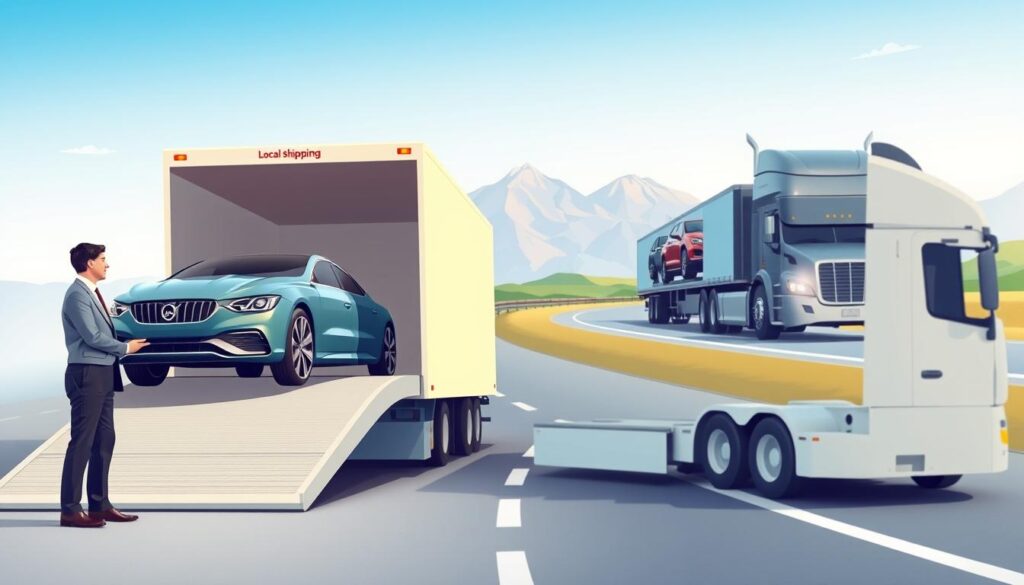
Distance changes the priorities for any vehicle move, from timing to insurance. Short moves usually focus on quick pickup and same-day delivery within a tight radius. Longer trips span hundreds or thousands of miles and need more planning.
Professional auto transport services take over the logistics so owners avoid long drives. A reputable carrier reduces wear and tear on cars and limits road damage risk. They also provide a clear quote and proof of insurance.
“A trusted carrier protects the vehicle from start to final delivery and communicates every step.”
- Short moves: fast pickup, minimal transit time.
- Long moves: scheduled routes, more miles, higher cost considerations.
- Key checks: vehicle condition, operability, and size before pickup.
For a deeper breakdown of coast-to-coast options and planning, read the ultimate guide to having your car shipped across. Contact (307) 288-5972 or info@bestcarshippinginc.com for a transparent quote and reliable service.
Defining the Scope of Your Vehicle Transport Needs
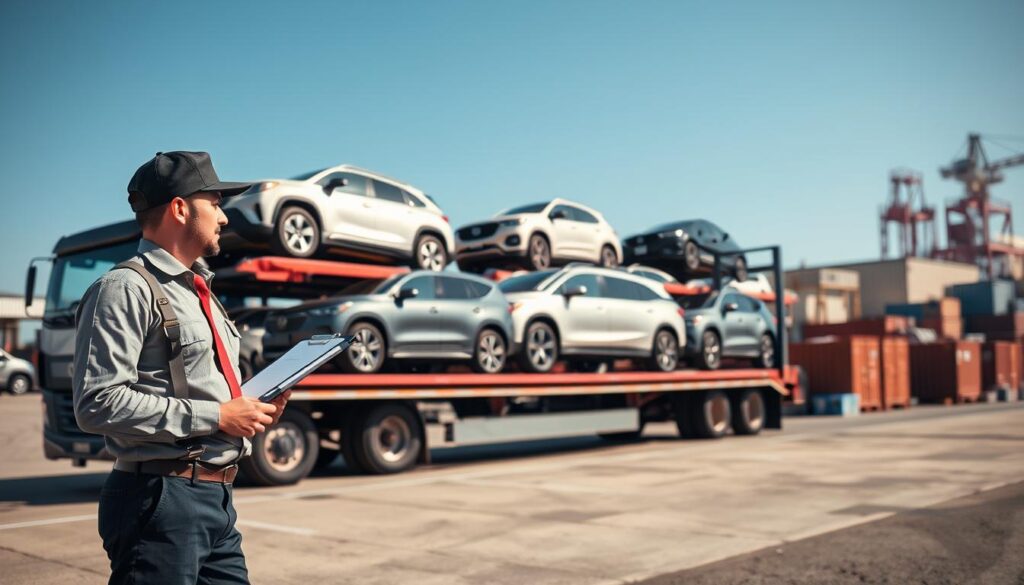
Begin with a clear checklist of requirements so carriers can deliver accurate quotes and schedules.
Local vs Cross-Country Requirements
Short moves focus on fast pickup and quick delivery. Longer routes require route planning, fuel stops, and scheduled handoffs.
Cross-country shipments typically take around 7 to 10 days from pickup to final delivery. That timeline affects cost and booking windows.
Assessing Your Specific Timeline
Decide if your schedule fits the standard transit time offered by professional auto transport companies. If dates are flexible, rates and carrier options widen.
Provide accurate information about your vehicle and pickup location. That detail helps carriers provide precise quotes and minimizes surprise fees.
“Clear communication about delivery expectations ensures the transport experience meets both professional standards and personal needs.”
- Book early to secure preferred dates and lower risk of delays.
- Confirm insurance and pickup instructions before carrier arrival.
- Use a carrier that handles single vehicles or multiple vehicles as needed.
| Need | Typical Time | Booking Advice |
|---|---|---|
| Short radius moves | Same day to 2 days | Book 1–3 days ahead for best pickup windows |
| Cross-country transport | 7–10 days | Reserve 2–4 weeks in advance to secure dates |
| Multiple vehicles | Depends on route and load | Request consolidated quotes and route options early |
| Special handling (enclosed) | May add 1–3 days | Specify protection level when requesting a quote |
Need help planning? Call (307) 288-5972 or email info@bestcarshippinginc.com for a clear quote and timeline tailored to your vehicle and delivery needs.
Key Differences in Transit Time and Logistics
How quickly a vehicle arrives depends on route, carrier capacity, and daily mileage targets. Professional carriers typically average 500 miles per day on long hauls, which sets realistic expectations for total transit time.
Short radius moves use simpler pickup delivery windows. Cross-country transport needs multi-state coordination, scheduled handoffs, and tighter route planning.
When you ship a car, the carrier factors in traffic, weather, and roadside delays. These variables can change estimated delivery days and cost.
BestCarShipping Inc. monitors shipments and provides progress updates so customers know where their vehicle is and when to expect delivery.
“Clear, timely communication between carrier and customer makes the shipping experience predictable and less stressful.”
- Compare transit time options to match your deadline.
- Confirm insurance and pickup instructions before carrier arrival.
- Request a detailed quote via request a detailed quote to get tailored timing and cost estimates.
Evaluating Costs for Short and Long Hauls
Costs for vehicle moves shift with demand, distance, and the protection you choose.
Market demand and seasonal pricing directly affect rates. Peak seasons and rising fuel prices push quotes up. Off-peak months often yield better rates and more flexible pickup windows.
Market Demand and Seasonal Pricing
High demand months raise shipping costs and extend delivery time. Book early to lock favorable quotes.
Impact of Vehicle Size and Weight
Larger vehicles, such as trucks, occupy more space and add weight. That increases the cost compared with standard sedans.
The Role of Inoperable Vehicle Fees
Inoperable vehicles need winches and extra labor. Carriers charge added fees for special equipment and handling.
| Driver | Typical Effect | Estimate |
|---|---|---|
| Distance (1,500+ miles) | Higher base rate for long hauls | $1,250–$1,700 per vehicle |
| Vehicle size/weight | More space, higher fee | Premium for trucks and larger vehicles |
| Protection level | Enclosed vs open transport choice | Enclosed adds a significant premium |
| Operability | Special equipment and labor | Additional inoperable vehicle fees apply |
BestCarShipping Inc. provides detailed quotes that factor in demand, vehicle size, and pickup needs. Call (307) 288-5972 or email info@bestcarshippinginc.com to ship car with a clear, competitive rate.
Benefits of Professional Auto Transport Services
Using a vetted transport company protects your vehicle and simplifies logistics for any distance.
Professional teams handle pickup and delivery so owners avoid long drives. Trained drivers secure vehicles for safe transit and reduce risk of damage.
Choosing auto transport saves time and prevents extra miles, wear, and the added cost of lodging and fuel. Communication stays clear with status updates from carriers.
Convenience and protection are key. A reliable service provides a single point of contact, transparent quotes, and documented condition reports at pickup and drop-off.
“Professional handling focuses on safety, timing, and clear communication to keep your move predictable.”
- Less wear and tear on your car
- Fewer logistical headaches and faster delivery
- Transparent cost estimates and customer support
| Benefit | Impact | Typical Result |
|---|---|---|
| Secure loading | Lower damage risk | Safe arrival in original condition |
| Managed pickup | Saves owner time | Fast, scheduled collection |
| Transparent quote | Clear cost expectations | Fewer surprise fees |
Ready to get a clear quote? Call (307) 288-5972 or email info@bestcarshippinginc.com to discuss transport options and timing.
Comparing Open and Enclosed Carrier Options
Choosing the right trailer type affects cost, protection, and peace of mind for any vehicle move. Open transport is the common, affordable choice. Enclosed transport protects against weather and road debris but costs more.
When to Choose Enclosed Protection
Enclosed trailers shield a vehicle from debris, salt, and rain for the full trip. That makes them ideal for high-value or classic automobiles.
About 90% of customers opt for open carrier transport because it balances safety and price. Enclosed service is typically about 50% more expensive but adds superior protection.
- Open transport: most cost-effective for daily drivers and routine moves.
- Enclosed transport: recommended for luxury or irreplaceable vehicles.
- Every carrier in the network is vetted, and drivers secure vehicles properly on the trailer.
| Option | Protection | Typical Cost Impact |
|---|---|---|
| Open carrier | Good for standard vehicles | Base rate (most affordable) |
| Enclosed trailer | High protection vs weather and debris | ≈50% premium |
| Recommendation | Match value to protection need | Consult carrier for best option |
For help choosing the best transport option and a tailored estimate, request an auto shipping quote or call (307) 288-5972. Email info@bestcarshippinginc.com for personalized guidance.
Preparing Your Vehicle for Safe Transit
Simple checks before handoff save time and reduce dispute risk after delivery.
Clean and document the condition. Wash the exterior so scratches and dents are easy to photograph. Take clear photos from all angles to record any existing damage.
Remove belongings. Carriers are not responsible for personal items left inside. Owners may place up to 100 lbs in the trunk or below the window line for safe loading.
Check fluids and tires. Ensure oil, coolant, and fuel levels meet carrier guidelines and tires are properly inflated. That helps with safe loading and unloading.
Disable alarms to avoid battery drain or transit delays. Note any inoperable systems on the condition report before pickup.
- Document current condition with dated photos.
- Keep personal items under 100 lbs in trunk only.
- Confirm tire pressure and fluid levels.
- Turn off alarms and remove toll tags.
| Step | Why it matters | Tip |
|---|---|---|
| Exterior cleaning | Clear damage record | Photo every panel before pickup |
| Remove personal items | Carrier liability limits | Store small items at origin |
| Check fluids & tires | Safer loading/unloading | Top off to recommended levels |
| Disable alarms | Prevents battery drain | Test after disabling |
“A short pre-shipment checklist protects both owner and carrier and keeps delivery on schedule.”
Need assistance? BestCarShipping Inc. provides a full checklist and guidance for auto transport. Call (307) 288-5972 or email info@bestcarshippinginc.com for help and a clear cost estimate.
Identifying Potential Risks and How to Mitigate Them
Transporting a vehicle involves predictable logistics and a few variables that can affect timing and safety. Knowing common risks helps owners plan and reduces stress about pickup and delivery.
Common Causes of Shipping Delays
Mechanical issues with trucks and unexpected traffic are frequent causes of delays. Severe weather can force carriers to slow down or pause until conditions improve.
Scheduling conflicts or route changes also add time. Reputable companies track each load and notify customers if an issue arises.
- Mechanical breakdowns: require driver reports and repairs.
- Weather interruptions: may add days to transit time.
- Route congestion: leads to longer transit and higher cost.
Protecting Against Road Debris and Weather
Road debris and weather are managed through carrier standards and equipment choices. Choosing enclosed transport shields vehicles from chips, salt, and debris on the highway.
Insurance coverage is essential. It provides financial protection if damage occurs during transit. Confirm policy limits and what is covered before pickup.
“We maintain constant communication with the carrier to track progress from initial pickup delivery to final destination.”
Best practices: document vehicle condition, disable alarms, and confirm pickup instructions. If you need guidance on cost and options to ship car safely, review a detailed estimate at how much it costs to ship a.
Selecting a Reputable Shipping Company
Choose a transport partner that proves reliability with clear policies and steady communication.
Look for transparent pricing and an upfront quote with no hidden fees. A clear estimate explains cost, insurance limits, and any extra charges.
Experience matters. Select a company that has handled many vehicles across varied routes. That background reduces delays and improves handling.
- Proven track record: positive reviews and punctual deliveries.
- Carrier vetting: verified drivers and insured equipment.
- Responsive customer service: updates from pickup to delivery.
Read feedback from past customers to confirm reliability and care. Reviews reveal how a firm handles issues and keeps commitments.
“Transparent communication and vetted carriers protect your vehicle and simplify the move.”
Questions? Call (307) 288-5972 or email info@bestcarshippinginc.com for a clear quote and details on our vetting process.
Factors Influencing Your Final Decision
Make a short checklist of distance, vehicle size, and timeline to guide the final choice. This helps weigh protection, rates, and expected days in transit.
Distance matters: for moves under 500 miles, driving may be practical. For longer distances, professional transport is usually more cost-effective and kinder to the vehicle.
Value and protection: classic or luxury cars often justify enclosed transport despite higher cost. Consider potential road damage and the cost to repair it versus the premium for protection.
- Include time and pickup delivery windows when comparing quotes.
- Factor in shipping costs plus value of your time and wear on the car.
- If you have multiple vehicles, ask about consolidated plans to lower rates.
“Compare quotes from several carriers to confirm you get the best option for your destination and budget.”
Use the vehicle shipping calculator to estimate rates and request a tailored quote. Call the auto transport specialists at (623) 292 4141 for a free, no-obligation plan that fits your schedule and needs.
Conclusion
Selecting the best transport approach starts with weighing timing, budget, and the vehicle’s value.
Choose the method that matches your needs and timeline. Professional shipping offers convenience and stronger protection for long moves and high-value vehicles.
Costs vary by distance, carrier choice, and protection level. The added fee for higher safeguards often pays off when it prevents damage.
Prioritize safety, transparent quotes, and clear communication when you compare options. A reputable partner delivers predictable service and less stress.
BestCarShipping Inc. is committed to reliable service and timely updates. For expert guidance and a clear quote, call (307) 288-5972 or email info@bestcarshippinginc.com.