
RoadRunner Auto Transport specializes in long-distance auto transport between Texas and California. The route covers roughly 1,435 miles of highway, and the team handles logistics so customers avoid surprises.
Professional car shipping means full management of pickup, transit, and delivery. RoadRunner offers transparent pricing, licensed carriers, and insured transport for every vehicle.
Whether moving for work or buying remotely, customers get clear timelines and careful handling. Trust in experienced crews who prioritize safety and on-time delivery.
Learn more about long-distance options and service details on the company guide at best car shipping guide.
Key Takeaways
- RoadRunner Auto Transport manages long-haul vehicle moves with professional care.
- The Dallas–Los Angeles corridor spans about 1,435 miles of highway.
- Licensed, insured carriers reduce risk during cross-state shipping.
- Transparent quotes help customers plan budgets and timelines.
- Options include open and enclosed transport for different needs.
Why Choose Professional Auto Transport
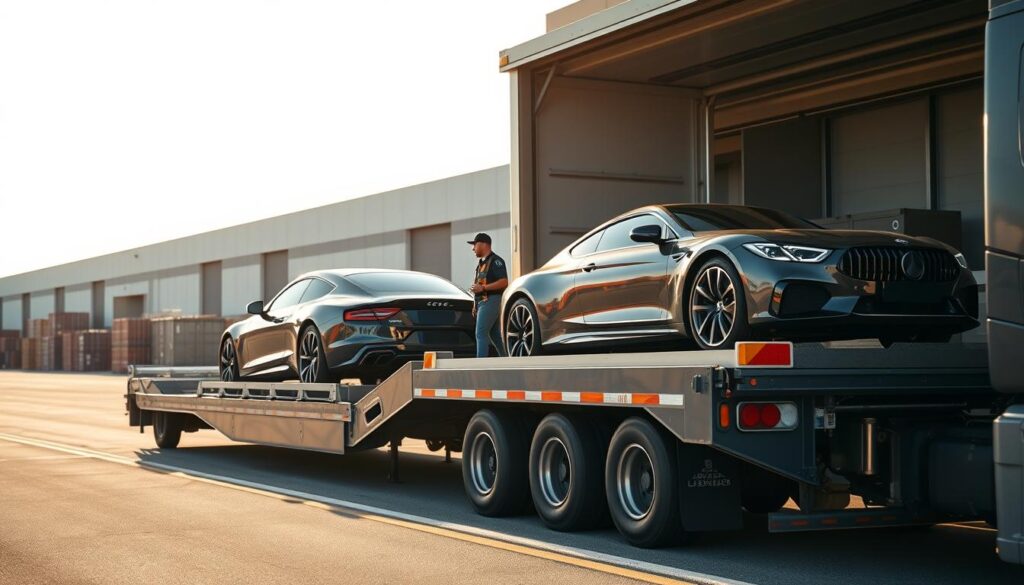
Reliable carriers offer insurance and careful handling that save customers time and worry.
Licensed, insured professionals reduce risk during long-distance car shipping. RoadRunner Auto Transport holds an A+ rating with the Better Business Bureau, showing proven commitment to quality and trust.
Professional shipping teams use specialized equipment to secure each vehicle. That lowers the chance of damage and prevents extra wear that comes with long drives.
Transparent communication keeps customers informed at every step. The company delivers clear pickup windows, transit updates, and final delivery confirmation.
Choosing expert transport also preserves resale value. Drivers avoid thousands of miles of road wear. That saves money and keeps the vehicle in better condition.
| Feature | Benefit | Why it matters |
|---|---|---|
| Licensed carriers | Regulatory compliance | Protects legal and financial interests |
| Insurance coverage | Damage protection | Covers repairs during transit |
| Specialized equipment | Secure loading | Reduces risk of transport damage |
How to Ship a Car From Dallas to Los Angeles
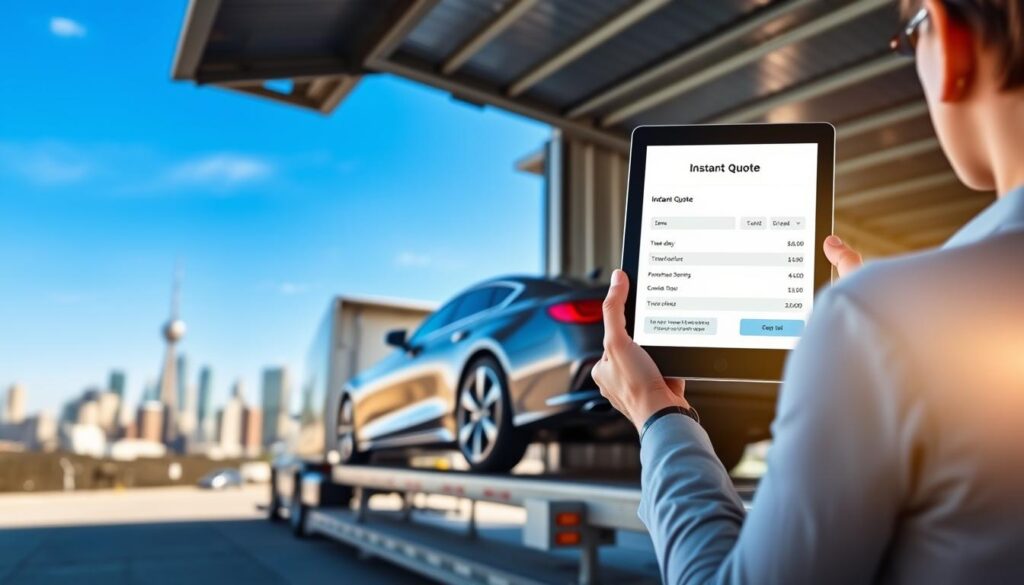
Start with a quick online quote that asks for basic vehicle details and your pickup location. This step sets pricing and helps plan pickup and delivery windows.
Getting an Instant Quote
Enter the year, make, and model plus the desired pickup location to get an instant estimate. The quote shows available transport options and expected transit days.
Customers see open and enclosed options, carrier availability, and any door-to-door fees. Accepting the quote confirms the rate and begins scheduling.
Scheduling Your Pickup
After approval, the team coordinates pickup times that match your moving timeline. Flexible door services mean the vehicle can be collected from home or office for convenience.
Experienced carriers manage the route and keep the shipment on track. Staff remain available to answer questions and update progress until delivery is complete.
Understanding the Shipping Process
Every shipment starts with a careful walk-around and photos to record your vehicle’s condition.
The driver documents mileage and visible damage before loading. This initial check creates a clear record for customers and the carrier.
Specialized equipment is used to secure each car. Straps, wheel chocks, and ramps keep vehicles stable during long transport.
Insurance coverage protects the shipment against unforeseen incidents. Customers receive policy details with their quote and before pickup.
Throughout transit, the team provides location updates and estimated delivery days. Final inspection at delivery lets the recipient confirm condition and mileage.
BestCarShipping coordinates logistics so owners focus on their move while professionals handle the transport details. For local carrier listings, see service locations.
| Step | Who | Typical Timeframe | Why it matters |
|---|---|---|---|
| Pre-load inspection | Driver | 30–45 minutes | Documents condition and mileage |
| Secure loading | Carrier crew | 15–30 minutes | Prevents movement and damage |
| In-transit updates | Dispatch team | Daily or on request | Keeps customers informed |
| Final inspection | Driver & recipient | 10–20 minutes | Verifies delivery condition |
Factors Influencing Your Transport Costs
Multiple variables determine how much your long-distance auto transport will cost. The 1,435-mile route between major metro centers is the primary distance driver. Typical pricing for this run ranges between $1,382 and $1,940.
Distance and Route Popularity
Longer mileage raises base price. Popular routes often lower rates because carriers find return loads and reduce empty miles.
Vehicle Size and Weight
Larger vehicles such as full-size SUVs increase costs. They use more deck space and add weight, which affects carrier pricing and trailer capacity.
Fuel Price Fluctuations
Fuel swings directly change carrier operating costs. Carriers include fuel in final pricing, so higher gasoline raises the total cost of shipping.
| Factor | Impact | How it affects price |
|---|---|---|
| Distance | High | More miles = higher base fee |
| Vehicle size | Medium–High | SUVs cost more due to space and weight |
| Fuel | Variable | Fluctuations change carrier surcharges |
| Route popularity | Low–Medium | Frequent lanes can reduce rates |
BestCarShippingInc provides transparent quotes that break down these factors. For a tailored estimate, contact (307) 288-5972 or email info@bestcarshippinginc.com.
Comparing Open and Enclosed Carrier Options
The carrier type you pick directly changes pricing and the level of protection for your vehicle.
Open carriers are the most affordable option and handle roughly ninety percent of long-distance moves. They offer reliable shipping at lower cost. Most standard vehicles travel this way.
Enclosed transport adds protection from weather, road debris, and dust. This option suits luxury and classic vehicles worth over $50,000. It raises the price but reduces exposure and preserves finish.
When choosing, consider vehicle value, desired protection level, and budget. Request a clear quote and transit time to compare pricing and services.
- Open: cost-effective, high availability.
- Enclosed: premium protection, higher costs.
- Both options run on the Dallas–Los Angeles corridor to meet schedule needs.
| Feature | Open Carrier | Enclosed Carrier |
|---|---|---|
| Typical cost | Lower | Higher |
| Protection level | Standard | Maximum |
| Best for | Everyday vehicles | Luxury, classic, high-value vehicles |
For help choosing the right carrier, contact the team at (307) 288-5972 or email info@bestcarshippinginc.com. Experts will review pricing and recommend the best option for your shipment.
Preparing Your Vehicle for Transit
Before pickup day, owners should complete a short checklist to protect their vehicle and speed inspection. Clear steps make the process efficient and reduce risk during long-distance auto transport.
Cleaning and Inspection
Clean the vehicle inside and out. A tidy interior makes visual checks faster. Exterior washing helps spot scratches and dents.
Take photos from all angles. Include close-ups of any existing damage. These images serve as proof during the final delivery review.
Removing Personal Belongings
Remove all personal items before the driver arrives. That includes GPS units, phone chargers, toll tags, and loose objects.
Keep the gas tank between one-quarter and one-half full. This gives enough fuel for loading without adding extra weight.
“Customers who prepare ahead report smoother pickup and fewer questions during the inspection.”
- Have a spare key ready for the driver at pickup and delivery location.
- Document mileage and visible condition during the walk-around.
- Contact the company for guidance on special items or enclosed transport options.
BestCarShippingInc provides step-by-step support to meet carrier requirements and protect the vehicle during shipping. For questions about service, quote, or insurance coverage, call (307) 288-5972 or email info@bestcarshippinginc.com.
Navigating Texas and California Vehicle Regulations
Each state enforces unique requirements for vehicle registration and emissions that owners must meet after relocation.
California compliance includes a mandatory smog check for most vehicles. New residents must pass this inspection within 20 days of establishing residency. Registration with the California DMV is also required within 20 days and can carry higher fees than Texas.
Texas law requires drivers to maintain liability insurance with 30/60/25 limits. This coverage is a baseline for legal operation and should remain active during any transport or transfer period.
Window tinting rules differ by state. California allows roughly 70% light transmission on most windows, while Texas commonly enforces darker limits near 25%. Owners should check tint compliance before moving.
“Understanding state-specific regulations reduces surprises and speeds up post-move registration.”
- Pass smog check within 20 days of California residency.
- Register the vehicle with the DMV in 20 days.
- Maintain 30/60/25 liability insurance while in Texas and during transition.
BestCarShippingInc helps manage transport logistics so owners can focus on paperwork. For assistance, request a clear quote or call (307) 288-5972 or email info@bestcarshippinginc.com.
| Requirement | Texas | California |
|---|---|---|
| Emissions / Smog | Varies by county | Smog check within 20 days of residency |
| Insurance | 30/60/25 mandatory minimum | Valid liability required; limits may vary |
| Registration window | Standard state timeline | Register within 20 days; higher fees possible |
| Window tint | Commonly darker (near 25% limit) | Stricter; about 70% light transmission |
Benefits of Door to Door Delivery
Direct pickup at your home or office makes long-distance auto transport simpler for busy professionals. This service removes the need to visit a terminal and reduces extra driving time.
Door-to-door delivery means the carrier collects the vehicle at your specified location and delivers it to the final address. That single-point handoff saves time and lowers coordination tasks during a move.
Convenience for Busy Schedules
Customers gain one contact and one schedule. The carrier coordinates pickup and delivery windows to fit your work and travel plans. This streamlines communication and limits delays.
- Pick up directly from residential or business locations.
- Avoid terminal trips that add time and cost.
- Single point of contact simplifies tracking and updates.
- Careful handling from doorstep to final delivery reduces risk.
“Door-to-door delivery turns a complex shipment into a manageable, single-step service.”
Managing Your Shipment Timeline
Booking well ahead gives the best chance of preferred pickup dates and lower quotes. For this long route, most trips take between 2 and 8 days depending on the carrier and chosen route.
Schedule your auto transport at least 1–2 weeks in advance. That lead time helps secure better pricing and preferred pickup windows.
Customers receive real-time updates while the vehicle moves across states. Dispatch provides location checks so recipients know estimated arrival times.
If dates are tight, discuss expedited options. Expedited services reduce transit time but affect cost and availability.
Weather and traffic are common factors that influence times. Experienced drivers and vetted carriers work to keep the shipment on schedule.
- Typical transit: 2–8 days.
- Book 1–2 weeks ahead for better pricing.
- Real-time tracking and dispatch updates included.
- Expedited options available for strict timelines.
| Item | Recommended Lead Time | Impact on Price |
|---|---|---|
| Standard booking | 1–2 weeks | Lower pricing, more options |
| Expedited request | 3–7 days | Higher cost, limited carriers |
| Last-minute | Under 72 hours | Highest prices, fewer choices |
“Plan ahead and communicate dates clearly. It makes the process predictable and reduces surprises.”
For help aligning delivery dates with moving plans, request a tailored shipping route guide or call (307) 288-5972. The company assists with quotes, carrier selection, and insurance details.
Insurance Coverage and Protection
Verifying policy status before loading prevents delays and ensures protection.
All vetted carriers must maintain robust liability and cargo coverage. The company requires at least $1,000,000 in liability and a minimum of $100,000 in cargo insurance for every auto transport contract.
Before any shipment begins, staff confirm the carrier’s insurance is active and valid. This verification happens before the crew loads your vehicle and appears on the final quote.
While damage is rare, customers should document condition with photos during the pre-load inspection. Images simplify claims and speed resolution if an issue occurs.
- Your vehicle is protected by comprehensive insurance during transit.
- Required liability limits protect property and third parties.
- Cargo coverage safeguards the specific vehicle on the route to los angeles.
- Carrier insurance checks are completed prior to loading for every shipment.
“Customers gain peace of mind knowing carriers meet strict insurance standards.”
For questions about insurance, coverage specifics, or to request a detailed quote, contact (307) 288-5972 or email info@bestcarshippinginc.com.
Choosing the Right Transport Company
Selecting the right company starts with checking USDOT credentials and recent customer feedback. Verified licensure proves regulatory compliance. Positive reviews show consistent service and on-time delivery.
Look for transparent quotes that list pricing, insurance, and expected transit time. A professional firm will explain carrier coverage and give clear pickup and delivery windows.
- Verify USDOT licensure and current insurance for every carrier.
- Read independent reviews to confirm reliability and driver professionalism.
- Prefer companies that offer enclosed transport and door delivery for high-value vehicles.
- Choose providers that match or beat competitor pricing and keep communication open.
SAKAEM Logistics and other top-rated firms offer price matching and hands-on support. Customers find this helpful when comparing quotes and services across routes and states.
“Transparent communication and verified licensing remove uncertainty and speed the transport process.”
For a trusted reference and detailed guidance, consult the best car shipping guide. Contact (307) 288-5972 or email info@bestcarshippinginc.com for help selecting the right company and securing your shipment.
Seasonal Impacts on Shipping Rates
Booking dates around lower-demand months can lead to measurable savings on transport.
Winter months (November–February) often offer the most competitive car shipping rates on the Dallas–los angeles route. Carriers have fewer loads and pricing becomes more favorable for customers.
By contrast, summer and early fall bring higher demand. This peak season pushes up prices and reduces carrier availability for popular pickup and delivery windows.
Plan ahead and book well in advance if moving during busy months. Early reservations secure better quotes and preferred dates. Flexibility with pickup and delivery times can also lower the final cost.
- Winter = lower rates and more options.
- Summer/early fall = higher demand and higher prices.
- Flexible dates increase chances of a lower price.
“Customers who time moves outside peak months typically save on transport costs.”
For targeted guidance and current pricing on the Del Rio to los angeles route, review the route listing or call (307) 288-5972.
Alternatives to Traditional Auto Transport
Owners have several practical alternatives to standard carrier services.
Driving the vehicle yourself is common. It gives full control but adds significant mileage and wear. This option can save money on the quote, but it costs time and fuel.
Hiring a professional driving service removes the need to drive. It can be faster than arranging transport. Expect higher fees and the need to vet the driver before handoff.
Rail shipping often lowers cost. Trains may limit pickup and delivery locations, so last-mile logistics become necessary. It is a budget-minded way to move a vehicle across states.
Coordinating with long-distance movers can simplify a full household move. Movers sometimes manage vehicle logistics as part of the relocation package. That reduces coordination tasks for the owner.
- Consider trade-offs: cost versus convenience and added mileage.
- Assess time, pickup flexibility, and carrier trustworthiness before booking.
“Our team can help evaluate options and determine whether professional shipping best fits your schedule and budget.”
Contact (307) 288-5972 or email info@bestcarshippinginc.com for a tailored assessment and clear quote.
Tips for Reducing Your Shipping Price
Small timing changes and route choices can cut your transport bill without sacrificing reliability.
Book 1–2 weeks in advance and keep pickup and delivery dates flexible. Early bookings lock better pricing and more carrier options.
Meet the carrier near a major highway instead of a residential street. This can save $50–$100 and avoids city driving limits.
Choose open transport for standard vehicles when protection needs are moderate. That option lowers cost compared with enclosed transport.
- Request multiple quotes to compare pricing and services.
- Avoid peak travel periods; demand and fuel spikes raise prices.
- Confirm insurance coverage and exact quote details before booking.
- Use price-match offers—SAKAEM Logistics guarantees value on competitive quotes.
Customers who follow these steps reduce costs and keep the process simple. For help, request a clear quote or call (307) 288-5972.
What to Expect Upon Delivery
On arrival, expect a short inspection by the driver and a delivery receipt that records vehicle condition.
The driver will unload and inspect the vehicle. This final check confirms the unit arrived safely. The driver documents mileage and visible condition before you sign.
Inspect carefully. Note any new damage on the delivery receipt before the driver departs. Signing without notes may affect claims.
- The delivery receipt is official proof of condition and is required for claims.
- The pickup and delivery process is transparent; you receive all paperwork for your records.
- If questions arise, customer service is available immediately at (307) 288-5972 or info@bestcarshippinginc.com.
| Action | Who | Why it matters |
|---|---|---|
| Final walk-around | Driver & recipient | Confirms condition on arrival |
| Sign delivery receipt | Recipient | Creates official delivery record |
| Note new damage | Recipient | Enables timely claims if needed |
| Contact support | Customer service | Resolves questions and documents issues |
Once the inspection is complete and the receipt is signed, the vehicle is ready for use in its new location. For local service details and booking, visit Texas car shipping.
Conclusion
A reliable carrier turns a long-distance transfer into a predictable, low-stress task for vehicle owners.
Understanding cost drivers helps you compare each quote and choose the best option. Review insurance, transit time, and carrier type before confirming. This reduces surprises and saves money.
Contact the team for an instant quote and clear scheduling. The crew focuses on safe loading, tracked transit, and on-time delivery to los angeles. Expect professional handling and fast communication.
Call (307) 288-5972 or email info@bestcarshippinginc.com to receive a competitive quote. Trust the team to deliver your car safely and on schedule, giving you real peace of mind.