
Need reliable vehicle transport across the 1,322-mile route? BestCarShippingInc offers clear, professional car shipping with predictable transit times and fair pricing. Customers typically see delivery within 3 to 5 days, depending on seasonal demand and carrier availability.
RoadRunner Auto Transport partners with over 25,000 carriers to move vehicles nationwide. This network helps keep schedules steady and reduces delays. Clients can use the online tool to get quote instantly and plan cost and timing.
Protection and transparency guide every shipment. Drivers follow strict pickup and delivery steps. Insurance options are available to protect vehicle condition during transit.
Key Takeaways
- Transit for this route averages 3–5 days over roughly 1,322 miles.
- Pricing generally ranges between $665 and $1,039, varying by season.
- Network of 25,000+ carriers supports reliability and availability.
- Instant, no-obligation online tool helps customers get quote fast.
- Door-to-door service, clear pricing, and insurance help protect vehicles.
Why Choose Professional Auto Transport
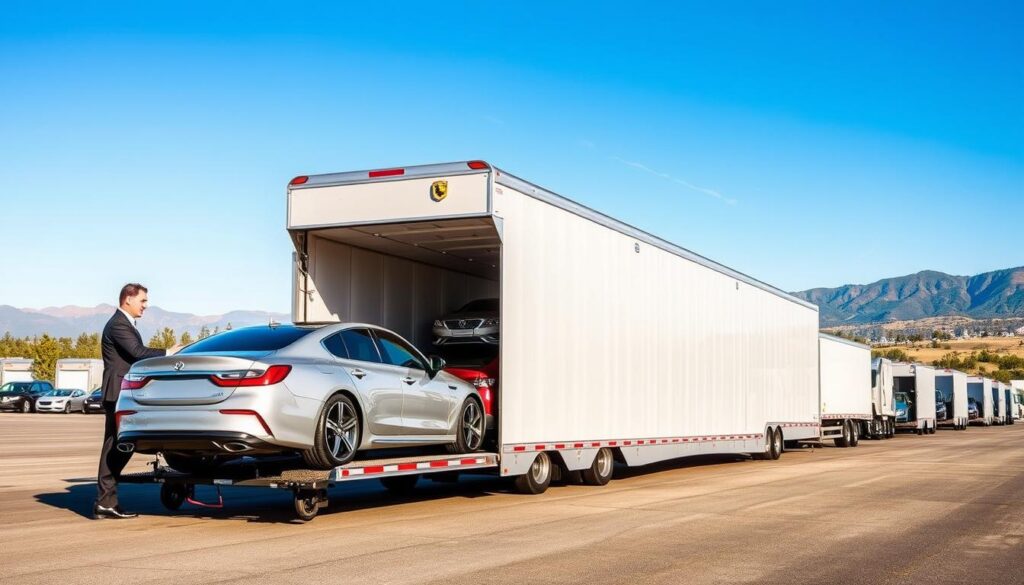
Experienced carriers deliver predictable timelines and clear communication for each vehicle move.
RoadRunner Auto Transport brings over 30 years of industry experience. That history supports reliable car shipping and steady transit windows. Drivers and carriers are vetted for safety records and insurance compliance. This protects valuable vehicles during the entire trip.
Using professional transport removes the stress and wear of driving long distances. Customers receive regular updates on status and location. Competitive pricing structures help control costs while keeping high standards of care.
Key advantages:
- Handled by experienced drivers familiar with long-haul logistics.
- Transparent quote process with no hidden fees.
- Access to vetted companies that meet maintenance and insurance standards.
| Benefit | What it means | Impact |
|---|---|---|
| Vetted carriers | Safety checks and insurance verified | Lower risk of damage or delays |
| Clear quotes | Upfront pricing and fee breakdown | Predictable costs and budgeting |
| Regular updates | Location and ETA alerts | Peace of mind during transit |
Ship a Car From Denver to Seattle With Ease

Well-maintained highways make this cross-state route efficient for scheduled vehicle moves. RoadRunner handles thousands of shipments on this corridor each year, which helps keep transit steady and predictable within typical 3–5 days.
Route Overview
Major interstates and state highways form the backbone of this route. Washington and Colorado both maintain strong road networks. That infrastructure reduces delays and supports safe long-haul auto transport.
Reliability and Safety
Thorough inspections occur at pickup and delivery to verify vehicle condition. The carrier network includes teams trained for sedans, SUVs, and larger models, with specialized loading equipment.
- Routine runs along this corridor keep car shipping efficient.
- Selected carriers meet strict safety and monitoring standards.
- Inspections at pickup and delivery protect each shipment.
- Competitive pricing helps control costs without cutting service.
Request a fast online quote or call (307) 288-5972 for detailed pricing and scheduling.
Understanding Transit Times for Your Vehicle
Estimating delivery time starts with how many miles carriers typically cover each day. Standard carriers average about 500 miles per day, so transit time scales with distance and stops.
For example, a 1,000-mile run generally takes 2–3 days. On the 1,322-mile corridor, customers should expect roughly 3–5 days, depending on conditions and carrier scheduling.
Weather, traffic, and driver hours-of-service rules can extend transit. Expedited shipping options are available for faster delivery, but they increase the overall cost.
- Daily mileage: Carriers average 500 miles, which sets baseline time.
- Distance-based ETA: Transit is calculated from pickup to final delivery miles.
- Delays: Expect adjustments for weather, traffic, and rest rules.
BestCarShippingInc provides precise estimates and real-time tracking so customers know shipment status. Request a complete guide or call (307) 288-5972 to get a quote and confirm delivery windows.
Factors Influencing Your Shipping Costs
Costs change based on route complexity, vehicle size, and market conditions. This overview explains the main variables that determine the final price for car shipping and helps customers understand quotes before they book.
Distance and Route
Longer distance raises fuel and labor expenses, which increases the cost. Complex routes with limited highway access or tight urban pickups add time and handling fees.
Distance and miles directly affect transit time and daily driver limits, which can change total shipping price.
Vehicle Type
Larger models need more trailer space and add weight. SUVs and pickup trucks typically cost more than compact sedans.
Vehicle type also determines loading equipment and securing steps, which are reflected in the quote you receive.
Fuel Prices
Fuel is a major operational expense for carriers. Rising gas or diesel prices push up transport pricing quickly.
BestCarShippingInc monitors fuel trends and explains how fuel impacts the final cost so customers see a clear pricing breakdown.
- Accessibility: Narrow streets or long driveways may require curbside pickup and adjust fees.
- Seasonal demand: Peak moving months can increase costs; booking early often secures better pricing.
- Transparent quotes: Customers receive a line-item estimate that shows how distance, vehicle type, and fuel affect the total cost.
To get an exact quote or discuss pricing details, contact BestCarShippingInc at (307) 288-5972 or email info@bestcarshippinginc.com.
Comparing Open and Enclosed Transport Options
Choosing between open and enclosed trailers starts with the vehicle’s value and owner priorities. Open transport is the most common and economical method. It suits most everyday vehicles and keeps costs low.
Enclosed transport provides complete protection from weather, road debris, and salty air. This option is ideal for luxury, classic, or exotic cars. Enclosed shipping typically costs 40–60% more than open trailers due to limited capacity and specialized equipment.
- Budget-friendly: Open trailer service reduces your overall shipping cost for standard vehicles.
- Maximum protection: Enclosed transport shields high-value vehicles during transit and delivery.
- Choice and clarity: Most carriers offer both types and provide clear cost breakdowns so customers can request a quote with confidence.
When owners need help deciding, auto transport experts can advise on which type fits the vehicle and budget. For details or to request pricing, visit our Denver page or contact customer service for a tailored quote and reliable service.
How Our Booking Process Works
The booking workflow is built around a fast online quote that sets clear expectations for price and timing.
Online Quote System
Enter your origin and destination to receive an instant price estimate for car shipping. The form also captures vehicle type and preferred pickup window.
After booking, BestCarShippingInc assigns a vetted carrier and issues a unique booking number. Customers use that number for real-time tracking and status updates.
- Pickup coordination: A designated driver calls to confirm time and location.
- Inspection: An adult must sign inspection reports and hand over keys at pickup and delivery.
- Payments: Major credit cards, electronic transfers, and bank checks are accepted for convenience.
Our process is simple and efficient. Request a quote online or call (307) 288-5972 for help with your shipment.
Preparing Your Vehicle for Safe Transit
Simple pre-pickup steps protect your vehicle and speed the shipping process.
Clean the vehicle before pickup so the driver can note scratches and dents. This makes inspection clear and protects paint during handling.
Remove personal items. Belongings are not covered by insurance and can shift or break during transport.
- Keep about a quarter tank of fuel and ensure the battery is charged to allow easy loading.
- Disable alarms to avoid battery drain and prevent interruptions for the driver.
- Provide a working key to the carrier so the driver can safely maneuver the vehicle.
BestCarShippingInc offers clear instructions before pickup and an experienced team that walks customers through the process. Proper prep reduces delays and helps ensure delivery within expected days and time windows.
Need help or a quick quote? Contact customer service at (307) 288-5972 or email info@bestcarshippinginc.com for guidance on preparing your vehicle for auto transport.
Navigating Seasonal Demand and Weather
Weather and seasonal trends create predictable patterns in transport costs and timing. Understanding these patterns helps customers plan shipments with fewer surprises.
Winter Driving Conditions
Winter in high-altitude and mountain areas brings snow, ice, and lower temperatures. These conditions force drivers to slow down and take extra precautions.
Delays are possible when roads close or chains are required. Denver’s elevation can also affect vehicle batteries and tire grip, so owners should check fluids and consider winter tires if they will drive after delivery.
Peak Season Demand
Summer months and major holidays usually mean higher demand for car shipping. That increases waiting time and raises the market price for carriers and routes.
Book early. Scheduling your pickup at least two to three weeks ahead improves availability and helps lock in better rates. Flexibility with dates often lowers costs and widens carrier options.
| Factor | Impact | Recommendation |
|---|---|---|
| Winter weather | Possible delays; cautious driving | Allow extra days; prepare vehicle for cold |
| Peak season | Higher price; lower availability | Book 2–3 weeks early; be flexible on dates |
| Fuel and driver limits | Variable costs and transit time | Request an itemized quote and confirm ETA |
BestCarShippingInc monitors seasonal trends and adjusts carrier assignments to protect delivery windows. For tailored guidance and a quick Georgia to Colorado guide, contact our team at (307) 288-5972 or email info@bestcarshippinginc.com.
Insurance Coverage and Protection Standards
Before any vehicle moves, carriers must prove active policies that meet our minimum coverage requirements.
Minimum limits: each carrier must carry at least $1,000,000 in liability and $100,000 in cargo insurance. BestCarShippingInc verifies policies are active before assigning any transport.
Owners receive clear details about included protection. Comprehensive insurance options are available for added peace of mind. Every shipment is covered during the entire transit process.
- Verified carriers: active insurance checked before assignment.
- Accountability: carriers list BestCarShippingInc as Certificate Holder.
- Inspection: condition checks at pickup and delivery document any changes.
| Coverage Type | Minimum Amount | Benefit |
|---|---|---|
| Liability | $1,000,000 | Covers third-party claims during transport |
| Cargo | $100,000 | Protects against damage or loss to your vehicle |
| Optional Comprehensive | Variable | Higher limits for high-value or classic vehicles |
Need specifics? Request a car shipping and auto transport Seatac quote or call (307) 288-5972. Our team answers insurance questions and helps select the right level of protection for your shipment.
Requirements for New Residents in Washington
Gathering the right documents before arrival makes DMV visits faster and less stressful.
Registration deadline: New residents have 90 days to register their vehicle with the state. Meeting this window avoids fines and keeps registration valid.
Emissions and model year: Vehicles seven model years or older may need an emissions test to complete registration. Confirm your car’s model year early so testing can be scheduled before delivery.
To register, bring your out-of-state title, proof of insurance, and valid ID to the DMV. Washington law also requires a state driver’s license within 30 days of relocating.
| Requirement | When | Needed Documents |
|---|---|---|
| Vehicle registration | Within 90 days | Out-of-state title, proof of insurance |
| Emissions test | If 7+ model years | Test certificate |
| Driver’s license | Within 30 days | ID, proof of Washington residence |
- Plan transport timing: Schedule car shipping so delivery aligns with registration deadlines.
- Keep paperwork handy: Shipping documents often help when titling at the DMV.
- Need help? Contact customer service for a quote and guidance through state requirements at (307) 288-5972 or info@bestcarshippinginc.com.
Managing Personal Belongings During Transport
Simple limits on weight and placement protect both the vehicle and the carrier. Customers may store up to 100 pounds of personal belongings inside the car. Items must sit in the trunk or back seat and remain below the window line.
Personal items are not covered by carrier insurance. BestCarShippingInc recommends keeping valuables with you. Fragile or high-value items should not stay in the vehicle.
If the route includes ocean transit, the vehicle must be completely emptied before loading. This rule prevents damage and keeps port handling efficient.
“Personal belongings are excluded from carrier coverage; keep valuables with you.”
- Pack smart: store items low and secure to avoid movement.
- Weight limit: stay under 100 pounds to meet carrier rules.
- Ask us: contact the team for packing guidance before pickup.
Managing belongings correctly makes car shipping and auto transport smoother. Request a detailed guide and quote or call (307) 288-5972 for help with packing and delivery details.
Benefits of Door to Door Delivery
Door-to-door delivery removes the need for terminal visits and brings clear convenience to every move.
With this service, the carrier collects your vehicle at your specified location and delivers it to your new address. This saves time and reduces the stress of driving long distances for pickup or drop-off.
Drivers aim to get as close to your door as legally and safely possible. If a street is too narrow, the driver may request a nearby parking lot or safe curbside spot for pickup and delivery.
“Door-to-door service lets customers focus on the move while professionals handle vehicle logistics.”
- Convenience: saves time and effort during relocation.
- Seamless pickup and delivery: professional carriers manage the full process.
- Clear communication: you receive updates on timing and arrival.
- Less hassle: avoids terminal visits and extra trips.
Contact BestCarShippingInc for a fast quote or call (307) 288-5972. Our customer service team helps plan pickup, confirms accessibility, and answers questions about our transport services.
Tips for Securing the Best Rates
Small shifts in pickup dates can cut your transport price by letting carriers optimize routes.
Book early. Reserve service at least 2–3 weeks ahead to secure lower pricing and flexible time windows.
Be flexible. Allowing a range of pickup and delivery dates helps carriers bundle moves and lower costs.
Shipping during off-peak months, such as spring or late fall, reduces market pressure and often lowers total costs.
- Choose open carrier for the most economical option for standard vehicles.
- Compare quotes from multiple companies to find the best pricing and service mix.
- Discuss options with the provider to learn if enclosed transport makes sense for high-value vehicles.
Request a quote early and review line-item pricing. Transparent estimates show how distance, fuel, and type affect final cost. Contact customer service at (307) 288-5972 or email info@bestcarshippinginc.com to get quote and secure the best rate.
Handling Vehicle Inspections at Pickup and Delivery
Documenting your vehicle before handover protects owners and streamlines claims.
The inspection process begins at pickup. Our driver performs a detailed walk-around and lists existing marks, dents, and scratches.
You or a trusted adult must be present to review and sign the inspection report at pickup and again at delivery. This step confirms the vehicle’s condition and avoids disputes.
Take clear photos from multiple angles before the driver arrives. Photos provide objective evidence of condition and support any claim if damage occurs during shipping.
“The Bill of Lading is your official receipt and record—review before signing.”
- Final inspection: completed at delivery to confirm the vehicle was returned in the same condition.
- Presence required: owner or adult signs pickup and delivery reports.
- Photo proof: recommended before pickup for protection and clarity.
- Trained drivers: note existing damage and document thoroughly.
- Bill of Lading: review carefully; it acts as the legal receipt for the shipment.
| Step | What Happens | Customer Action |
|---|---|---|
| Pickup inspection | Driver documents condition; note scratches and fluid leaks | Be present; take photos; sign report |
| In-transit monitoring | Carrier tracks location and handles secure transport | Keep booking number and check status updates |
| Delivery inspection | Final condition check; compare with pickup report | Inspect vehicle; sign Bill of Lading only after review |
Clear communication and careful documentation lower the risk of disputes and speed any resolution. Contact customer service for questions or to request a quote at (307) 288-5972 or info@bestcarshippinginc.com.
Why Our Carrier Network Stands Out
Wide coverage and careful vetting mean fewer scheduling gaps and more consistent delivery days for each route.
Extensive reach: The network includes over 25,000 carriers nationwide. That coverage improves availability and helps secure flexible pickup windows for many miles and routes.
Strict vetting: Each carrier is checked for safety records, active insurance, and service standards. This process protects condition and reduces risk during transit.
Real-time tracking: Advanced systems monitor shipments and send updates. Customers gain transparency and can track vehicle location during the full transport process.
- Over 25,000 vetted professionals for reliable auto transport.
- Verified insurance and protection standards for every assignment.
- 30+ years of logistics experience managing complex moves.
- Competitive pricing and responsive customer support to discuss quote and timing.
“Our carrier network combines scale, safety, and transparency so customers get reliable vehicle shipping every time.”
Contact customer service at (307) 288-5972 or email info@bestcarshippinginc.com to get a quote and confirm pricing and availability for your transport needs.
Conclusion
Finish your move with confidence by choosing a trusted auto transport partner.
Reliable providers deliver clear pricing, verified insurance, and steady timelines so vehicles arrive within expected days. Customers benefit from a broad carrier network and professional handling that reduce risk and simplify planning.
Transparent pricing and an easy online quote make comparing companies simple. Following preparation tips helps avoid delays and keeps total cost predictable.
For dependable car shipping and dedicated customer care, contact BestCarShippingInc. Call (307) 288-5972 or email info@bestcarshippinginc.com to get pricing and start your service today.