
Preparing a vehicle for transit helps protect its condition during transport. Exposure to road grime and debris is common in transit, and a clear inspection helps document any preexisting scratches or dents.
Cleaning both interior and exterior makes the pickup smoother for the carrier and the driver. Professional detailing runs between $75 and $225, depending on the level of service and vehicle type.
A tidy vehicle makes inspection faster and more accurate. That inspection is a core step in the vehicle shipping process and reduces disputes at delivery.
When time is limited, several companies offer prep services to remove personal items, check tire pressure, and secure loose belongings. These steps cut the risk of damage and ensure the shipment arrives in the expected condition.
For more information on preparing a vehicle and decisions about repair versus transport, see this guide on how to fix versus ship a transmission: repair vs. ship resource.
Key Takeaways
- Clean exterior and interior ease the inspection process.
- Professional cleaning costs typically range from $75 to $225.
- Removing personal items reduces liability and clutter during transit.
- Documentation of condition at pickup helps prevent disputes at delivery.
- Use carrier prep services if time for maintenance is limited.
Why Should You Wash Your Car Before Shipping?
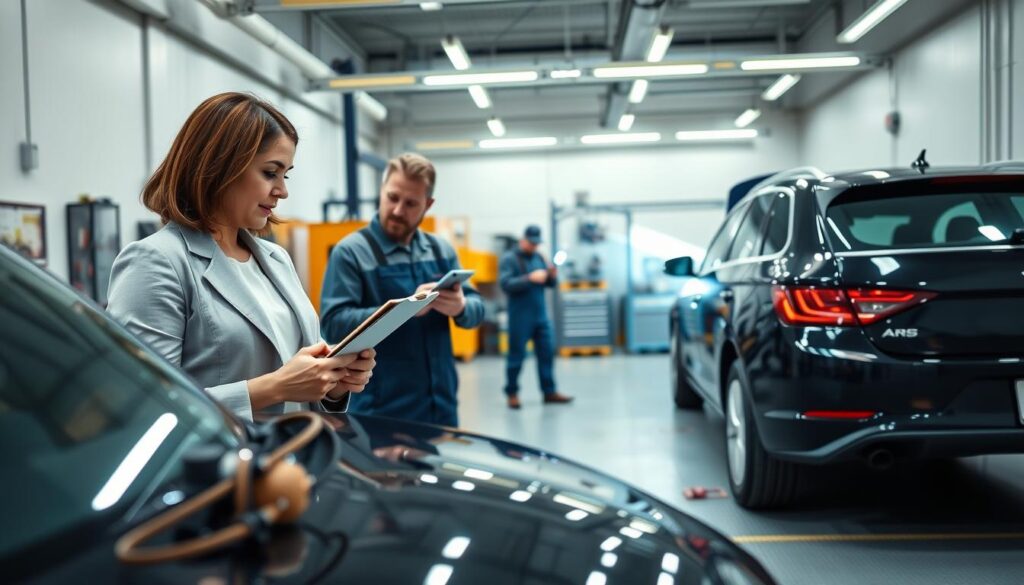
Removing grime and debris makes pre-shipment checks quick and reliable. A clean vehicle allows the carrier to spot scratches, dents, and other pre-existing damage at pickup.
Shipping companies watch for attempts to hide defects. Professional transport drivers are trained to find subtle marks that might be missed on a dirty surface. When the vehicle is not clean, inspection slows and the shipment can be delayed.
Documenting the true condition protects both owner and carrier. A transparent inspection reduces disputes at delivery and keeps the auto transport service moving on schedule. Many reputable companies list cleaning as a standard prep requirement.
- Accurate inspection: Clean surfaces reveal existing damage.
- Fewer delays: Drivers complete paperwork faster with a clear view.
- Transparent process: Both parties can agree on documented condition.
For step-by-step prep guidance, see this short guide to prepare a vehicle for transport.
“A thorough pre-shipment inspection starts with a visible, clean vehicle.”
The Role of Cleanliness in Pre-Shipment Inspections
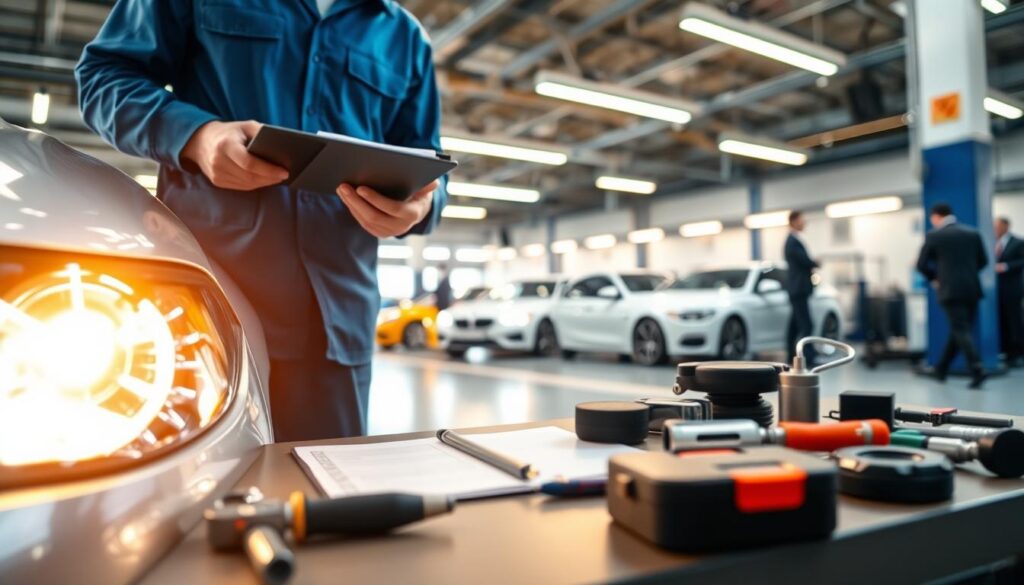
Documenting condition begins with clear visuals. High-quality photos of each panel, interior, and undercarriage create an objective record of dents, scratches, and other damage.
Documenting Existing Damage
Inspectors note every ding and dent. Photographs tied to written notes protect the owner and the transport company during the delivery review.
Good records reduce disputes and speed claims if new damage appears after transit.
Avoiding Shipment Delays
A clean surface exposes issues that dirt can hide. If the driver cannot confirm the vehicle condition, the company may delay pickup while the inspection is completed.
Timely documentation saves time and helps the auto transport process proceed on schedule.
- Document every scratch and dent: Photograph from multiple angles.
- Record interior items: Note loose belongings to limit liability.
- Keep records accessible: Share photos with the carrier at pickup to confirm condition.
| Action | Why it matters | Outcome |
|---|---|---|
| Photograph exterior panels | Proves preexisting damage | Fewer delivery disputes |
| Note interior condition | Limits liability for items and stains | Clear delivery report |
| Share files with carrier | Speeds inspection | On-time shipment |
“Clear documentation prevents most inspection disputes.”
Protecting Your Vehicle Paint During Transit
Modern coatings form a shield that keeps paint intact against sun and road debris.
Ceramic and graphene treatments create a thin, durable layer over the finish. This layer blocks UV rays and reduces minor abrasion from stones and dust during shipping.
Benefits of Ceramic and Graphene Coatings
Applied professionally, these coatings lower the risk of surface damage and help maintain resale value.
- Durable barrier against environmental hazards encountered in transit.
- Extra defense on open-air carrier runs to limit minor scratches from road debris.
- A proactive detailing service preserves paint integrity from pickup to final delivery.
| Coating Type | Primary Benefit | Best Use |
|---|---|---|
| Ceramic | Hydrophobic finish and UV protection | Long trips, frequent sun exposure |
| Graphene | Scratch resistance and heat dispersion | Open-air transport in harsh climates |
| Professional Sealant | Cost-effective short-term protection | Short transit or local carrier pickups |
“A high-quality coating is a small upfront cost that reduces post-delivery disputes.”
For a dependable transport plan and local options, consult reliable car shipping Miami services at reliable car shipping Miami services.
Essential Cleaning Techniques for the Interior and Exterior
Practical cleaning techniques help preserve condition during transport. A concise routine reduces inspection time and lowers the chance of disputes at delivery. The list below gives clear steps for interior, wheels, and body prep.
Interior Detailing Best Practices
Start inside. Use a vacuum on the seats and floor to remove loose dirt and debris. A bristle brush with a mild cleaning solution helps lift ground-in grime from fabric and carpet.
Wipe dashboard, trim, and cup holders with a microfiber cloth. Remove personal items, empty the trunk, and check under seats. Document condition for the inspection.
Effective Wheel and Tire Cleaning
Clean wheels and tires one at a time to prevent spotting. Apply a dedicated wheel cleaner and agitate with a long, slender brush to reach behind spokes.
Rinse and dry each tire thoroughly. Removing brake dust and grime protects finish and reduces the risk of visible marks after transit.
Washing the Vehicle Body
Work in the shade and use the two-bucket method to limit water spots. A soft mitt and pH-balanced soap protect the exterior finish.
Rinse thoroughly, dry with a clean microfiber towel, and inspect for scratches or dents. Clear documentation at pickup supports a smooth auto transport inspection.
- Tip: Remove personal items to limit liability and speed the process.
- Tip: Take photos of seats, wheels, and exterior panels before handoff.
“A brief, consistent prep routine simplifies the inspection and protects vehicle condition.”
For a reliable transport plan, consider this resource on smooth rides and smooth shipments.
Additional Maintenance and Safety Requirements
Routine checks for tires, battery, and fluids support a safer shipping process.
Perform basic maintenance before handoff. Check tire pressure and battery health. Confirm fluid levels and that doors, hood, and trunk latch properly.
Electric vehicles need special attention. Battery packs must remain between 45% and 65% state of charge for safe transport. This range meets common carrier safety protocols.
- Lower gas to 1/8–1/4 of the tank to reduce weight and fire risk.
- Remove personal items, fire extinguishers, and loose items from the trunk and seats.
- Provide honest information about maintenance and condition to the transport company.
| Requirement | Why it matters | Action |
|---|---|---|
| Battery (EV) | Meets carrier safety and reduces hazard | Set charge to 45–65% |
| Fuel level | Reduces weight and fire risk | Keep tank at 1/8–1/4 |
| Loose items | Prevents damage and limits liability | Remove all personal items and extinguishers |
“Accurate condition reports and basic maintenance speed inspections and protect the shipment.”
For state-to-state moves, see guidance on how to ship a vehicle to another state for planning and timing tips.
Navigating Regulatory and Port Inspection Standards
Port authorities enforce strict standards that can halt a shipment if invasive material is found.
Understanding USDA Requirements
The USDA inspects vehicles for mud, grass, and seeds. Wheel wells and the carriage are primary targets. Inspectors check both the exterior and the interior for organic debris.
Failing an inspection has consequences. The owner pays for cleaning and a re-inspection before the company resumes transport. That process can add time and cost to the shipment.
- The USDA inspects every vehicle for dirt and plant matter.
- Cleaning and re-inspection fees fall to the vehicle owner if the car fails.
- Make sure wheel wells and undercarriage are free of mud and debris.
- Remove personal items and ensure the interior is dry to meet port standards.
For help with port requirements, contact Matson customer service at 1-800-4-MATSON. For further assistance with vehicle shipping, email info@bestcarshippinginc.com or call (307) 288-5972.
“Port-level inspections protect ecosystems and keep the delivery process on schedule.”
Conclusion
Conclusion
A few proactive prep steps cut risk and keep the transit schedule on track. Thorough cleaning and basic maintenance help protect paint and interior from common transit hazards. Clear photos taken at handoff create an objective record for any insurance review.
Following port and USDA rules prevents costly holds and re-inspection fees. Investing time in these tasks signals responsibility and supports a smoother delivery experience.
For regional guidance and pickup tips, consult the North Las Vegas car shipping guide. For assistance, contact info@bestcarshippinginc.com or call (307) 288-5972.