
The 2026 automotive market now offers a wide mix of models for drivers ready to move to battery power. Consumers can choose based on range, performance, or interior space to match daily routines.
Our team uses a clear review process to test each model and report on real-world performance. The analysis covers range, charging, comfort, and ownership costs so buyers have reliable data.
Finding the right electric car means blending market trends with personal needs. This guide highlights the best electric options and explains why certain designs stand out in 2026.
Whether you need a daily commuter or a spacious family vehicle, this concise review helps narrow choices and points you to the most practical option for your next car.
Key Takeaways
- The 2026 market offers diverse models for different driving needs.
- Our review process focuses on range, cost, and comfort.
- Match vehicle features to your daily routine for the best fit.
- Expert analysis highlights reliability and real-world value.
- This guide simplifies choices for a confident purchase decision.
Understanding the Current Electric Vehicle Landscape
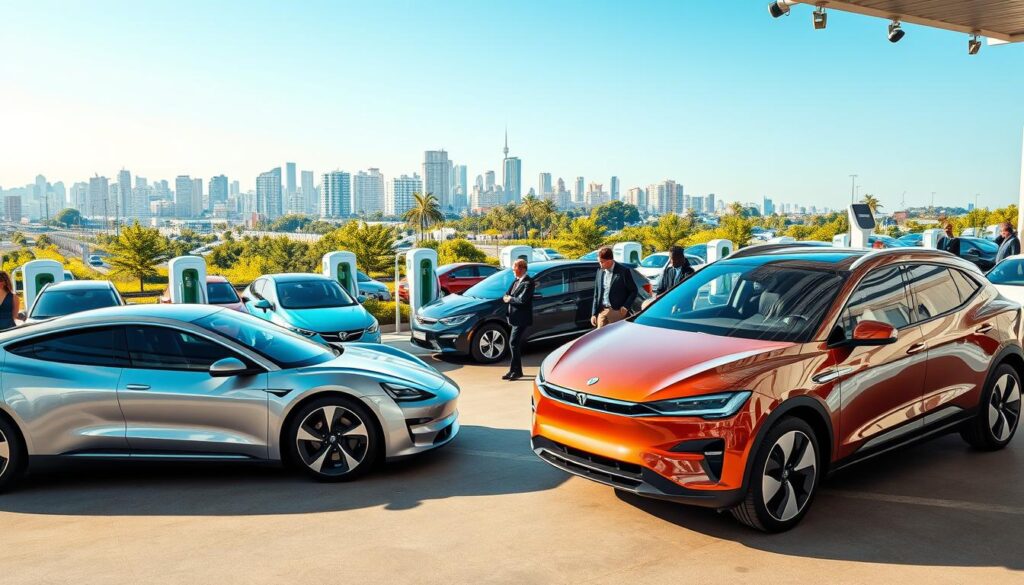
The 2026 market shows clear momentum toward practical, long-range designs. Manufacturers focus on real-world utility and improved charging to meet daily needs.
Market Shifts
- Market leaders: Tesla Model 3 and Tesla Model Y drive substantial share in the U.S.
- Ford, Nissan, and Chevrolet have adjusted strategies to remain competitive on price and range.
- Car Talk’s long-term review experience since 2010 helps track these changes over years.
Automakers are shifting to third-generation technology to enhance battery efficiency and charging speed. New models avoid earlier design faults and raise overall performance.
“The move to more mature platforms is making these vehicles more usable for more people.”
That change creates a wider choice—everything from compact hatchbacks to luxury suv offerings now balance range, space, and features.
Top Rated Electric Cars for Daily Driving
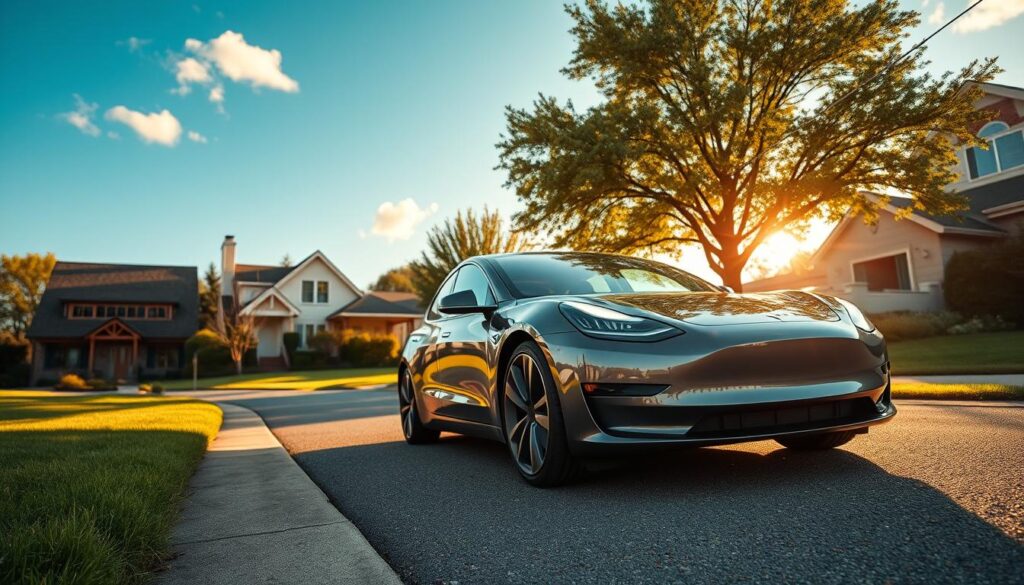
Choosing a reliable daily driver means looking beyond range numbers. The Tesla Model Y delivers between 306 and 357 miles, which suits long commutes and weekend trips.
InsideEVs editors call the Tesla model a refined version of a globally successful design. That refinement shows in ease of use on the road and consistent tech updates.
The Ford Mustang Mach-E stands out for reliability. It has earned high scores for two straight years, making it a trusted vehicle for regular drivers.
Kia’s EV6 blends sedan-like styling with usable space. Drivers who want performance and practicality often prefer its cabin and day-to-day comfort.
Our review team stresses that the best electric choices deliver a seamless driving experience. Range matters, but interior quality, cabin space, and dependable tech shape how a car performs every day.
- Range: Real-world miles should match your routine.
- Cabin: Space and finish affect daily comfort.
- Reliability: Proven uptime reduces stress for the driver.
Best Affordable Options for Budget-Conscious Buyers
For buyers watching their budget, several models now balance range, utility, and price. These vehicles focus on core features and sensible ownership costs.
The Return of the Chevy Bolt
The 2027 Chevy Bolt returns with a new LFP battery pack. It delivers about 262 miles of range and supports a 10–80% charge in roughly 26 minutes.
Nissan Leaf Value
The 2026 Nissan Leaf remains one of the most affordable options in the U.S. Its starting price sits well below $30,000, making it a practical choice for daily commuting and short road trips.
Equinox EV Utility
The Chevy Equinox EV extends value with up to 319 miles of real-world range. Families get a versatile vehicle that covers long errands and weekend plans without premium costs.
Review takeaway: budget buyers do not have to sacrifice range or utility to save money. These models show how the market now offers capable, low-cost solutions for practical driving needs.
Premium Luxury Electric SUVs
The luxury SUV segment now marries brand performance with modern battery tech. These vehicles hold to brand DNA while adding fast charging and refined interiors.
Porsche Macan keeps a driver-focused feel. The model delivers punchy handling and a refined cabin that fits daily use.
Genesis GV60 earns praise for true luxury and industry-leading charging speeds. Its performance and interior quality make it a multi-year winner in our review.
The BMW iX acts as a versatile, high-quality vehicle for long trips. Efficient motors and a spacious cabin support comfortable, efficient travel in many miles of real use.
Cadillac Vistiq adds a cushy air suspension and a 615-hp drivetrain. It answers the need for three-row space without losing premium comfort.
Our review finds these models offer the best mix of space, performance, and advanced features. Luxury and EV technology now pair to produce a superior driving experience for discerning owners.
High Performance Electric Vehicles
B. Manufacturers are tuning some EVs for track use without sacrificing daily usability.
The field now includes models built for serious track work and spirited street driving. The Hyundai Ioniq 5 N adds specialized drive modes that enable drifting and controlled slides. It pairs racecar-inspired suspension and brakes to manage the extra battery mass.
The Ford Mustang Mach-E Rally trim shows raw torque. With over 700 lb-ft available, this car accelerates like traditional performance models. Our review found these vehicles keep steady power during long track stints thanks to advanced battery cooling and management.
Drift Modes and Track Capability
Drift and sport modes tune steering, torque vectoring, and traction control for precise handling. These settings let drivers explore limits while retaining predictable behavior on return to normal driving.
| Model | Key Track Feature | Notable Spec | Real-World Benefit |
|---|---|---|---|
| Hyundai Ioniq 5 N | Drift modes, sport suspension | Race-tuned brakes | Consistent handling under load |
| Mustang Mach-E Rally | High torque delivery | 700+ lb-ft torque | Rapid acceleration, strong launch |
| Performance EVs (General) | Battery cooling, power sustain | Enhanced thermal management | Stable output over laps |
| Hybrid Track Setups | Brake and suspension upgrades | Weight-compensating parts | Improved cornering and control |
“High-performance EVs prove that electric power can deliver true track excitement without compromise.”
Capable Electric Trucks for Work and Play
Modern work trucks now blend heavy-duty capability with refined road manners. The Chevrolet Silverado EV and GMC Sierra EV lead the segment with up to 493 miles of range, giving fleets and owners confidence for long hauls and towing jobs.
The GMC Hummer EV stands out with 1,000 hp and electronic torque vectoring. It makes technical off-roading feel predictable and precise.
Rivian’s R1T earns praise for on-road performance and off-road utility. Features like an integrated air compressor and the gear tunnel add real-world value for owners who use their vehicle for both work and recreation.
Our review finds these models deliver more power and utility than many traditional pickups. They can handle serious towing and payload tasks and often match or beat conventional 3500HD trucks in real-world scenarios.
“These trucks are proving they can outperform traditional heavy-duty models in real towing conditions.”
- Performance: High torque and advanced drive control for demanding tasks.
- Range: Long-distance capability for jobsite and road trips.
- Price and utility: Competitive value for owners needing true work-level capability.
Three Row Electric Family Haulers
The newest three-row offerings deliver roomy cabins, advanced features, and strong real-world range for family use.
These models aim to be practical and comfortable for daily drives and long trips. Families get flexible seating, cargo options, and user-friendly tech. Expect higher price points for added luxury and space.
Hyundai Ioniq 9
The Hyundai Ioniq 9 positions itself as the ultimate family EV with a luxurious cabin and broad passenger space. Its interior prioritizes comfort and storage for multiple riders.
Performance balances smooth ride quality with efficient energy use. Range projections and practical features make it suited for long family trips.
Kia EV9
The Kia EV9 offers a spacious cabin and class-leading charging that cuts downtime on long drives. Its seating layout and durable materials fit active families.
Our review notes that the EV9 blends usable interior space with reliable charging and sensible performance for everyday family needs.
| Model | Seating | Range (estimated miles) | Charging Benefit |
|---|---|---|---|
| Hyundai Ioniq 9 | Seven | Up to 300 | Smart thermal management |
| Kia EV9 | Seven | About 280 | Faster DC charging speeds |
| Volkswagen ID. Buzz | Six to seven | ~200–260 | Comfortable third-row seating |
“Three-row models now give families a real alternative to traditional SUVs, with space and modern amenities.”
Electric Sedans and Hatchbacks
Compact sedans and sporty hatchbacks now pack long range and modern tech into familiar silhouettes.
Tesla Model 3 remains a benchmark in this segment. It pairs a seamless software experience with impressive range at an attainable price.
The Mercedes‑Benz CLA 250+ brings a fresh take on luxury sedans. With about 374 miles of range and advanced driver‑assist systems, it targets buyers who want both refinement and daily usability.
The Kia EV6 is a versatile hatchback. Testers praise its quick charging, sporty styling, and strong performance for its class.
These evs show that sedans and hatchbacks balance efficiency, interior comfort, and modern technology. They remain competitive with gas-powered models for value and utility.
- Range: Choose a model that matches your daily miles and occasional trips.
- Cabin & space: Prioritize interior layout for passengers and cargo.
- Technology: Look for software updates and driver aids that improve long-term ownership.
“Sedans and hatchbacks now offer luxury-level features without losing practical value.”
Evaluating Real World Range and Charging
Charging access and real range define whether a vehicle fits everyday life. Buyers should weigh published miles against typical driving conditions.
The Importance of NACS Charging
NACS gives many vehicles reliable access to the Tesla Supercharger Network. That access improves route flexibility for drivers of non-Tesla models and supports long road trips.
Real-world range varies. Most modern vehicles deliver between 250 and 450 miles per charge depending on speed, load, and climate.
- Home charging: A Level 2 charger remains the most important asset for every day ownership.
- Thermal systems: Efficient battery thermal management maintains performance on long drives.
- Route tools: Planning apps reduce range anxiety and optimize charging stops.
“As charging tech improves, the time to add 300 miles of range is shrinking, making EVs more practical for the road.”
When evaluating a model, review real-world tests for range and charging speed. Look for verified performance data and realistic estimates on price and space to match driving needs.
Safety Standards in Modern Electric Vehicles
Battery placement and structure shape how modern cars perform in collisions. The low center of gravity from the pack improves handling and makes the vehicle more stable on the road.
Manufacturers prioritize crash performance. Most models score highly in IIHS and NHTSA testing. The Ford Mustang Mach-E earned the IIHS Top Safety Pick+ designation, showing that style and protection can go together.
Modern EVs tend to be heavier than comparable cars. That extra mass often helps in multi-car impacts by providing added stability and energy absorption.
| Safety Factor | How it Helps | Real-World Benefit |
|---|---|---|
| Low center of gravity | Improves cornering and reduces rollover risk | Better control in emergency maneuvers |
| Battery structure | Serves as rigid crash element | Improved occupant protection |
| Regulatory testing | IIHS & NHTSA scores | Clear benchmarks for buyers |
Our review of safety data confirms that many vehicles available today rank among the safest options for families and individual drivers. Expect continued advances next year as manufacturers add active safety tech and improved crash structures.
“EV safety is not just about batteries—it’s about integrated design and proven test results.”
Leasing Versus Buying Your Next Electric Car
When technology moves fast, leasing lets a driver update to newer features without a long-term commitment.
Manufacturers often structure their best deals as leases. These offers can shield owners from rapid depreciation and keep the vehicle under warranty for the term.
Our review of current market trends shows many EV owners prefer leasing to manage monthly costs. Leasing also helps if you cannot install a Level 2 charger at home.
Financial experts note that leasing can save money for those who value predictability. Shorter terms let buyers reassess needs for range and features before committing to purchase.
- Lower monthly cost: Easier budgeting than many purchase loans.
- Warranty coverage: Repairs often remain covered for the lease term.
- Try before you buy: Test whether the car fits your daily range and routine.
For drivers unsure about long-term ownership, leasing an electric vehicle is a practical way to balance price, risk, and access to new tech.
Essential Technology Features to Look For
Prioritize usable tech that makes each commute simpler and long trips less stressful.
Infotainment compatibility matters. Apple CarPlay and Android Auto provide a familiar in-vehicle experience and reduce distraction. Confirm the system works with your phone before you sign a deal to avoid surprises in the interior interface.
A peak DC charging rate above 150 kW preserves long-term utility. Faster charging shortens stops and expands usable range. Check published rates and real-world reports for consistent performance.
Advanced driver-assistance systems improve highway comfort and safety. Options like GM’s Super Cruise let drivers relax on long runs and enhance the overall driving experience in a modern suv or sedan.
Over-the-air updates keep systems current. Manufacturers can add features or fix bugs after delivery. Our review advises buyers to verify software support and expected update windows.
“Choose technology that supports daily use, not just headline specs.”
Final check: confirm desired features, test the tech in person, and weigh price against real usability. The right setup changes how the car feels every day.
How Electric Vehicles Are Changing Performance Standards
A new wave of battery-powered models blends muscle-car acceleration with track-focused control systems.
The Hyundai Ioniq 5 N and similar models deliver instant torque and tuned chassis dynamics. That approach gives drivers more usable power and predictable handling on track days.
Battery placement improves weight distribution. Engineers now design the car around the pack to boost cornering and traction. This change alters how vehicles accelerate and hold speed lap after lap.
Drift Modes and Track Capability
Manufacturers add drift and sport modes that adjust torque, steering, and stability control. The result is a tailored experience for drivers who want both daily comfort and weekend excitement.
| Model | Key Feature | Real-World Benefit |
|---|---|---|
| Hyundai Ioniq 5 N | Drift modes, torque vectoring | Confident cornering and launch control |
| Mustang Mach-E | High torque maps | Rapid acceleration from stop to 60 mph |
| F-150 Lightning | Heavy-duty cooling | Sustained power under load |
“Battery-electric vehicles are redefining what a performance car can do on track and road.”
Expert Tips for First Time EV Owners
First-time EV owners benefit most from simple, practical habits that protect range and reliability.
Install a Level 2 charger at home. A hardwired unit means the vehicle is ready each morning. This step reduces reliance on public chargers and saves time.
Learn the charging curve for your specific model. Knowing when charging slows helps plan stops on long trips. It cuts unnecessary waiting at public stations.
Familiarize yourself with the infotainment and driver-assistance features before a long route. Test adaptive cruise and lane systems in low-risk settings to build confidence.
Join a local EV club. Our review of owner experiences shows clubs deliver practical tips on charging, weather effects, and community charging etiquette.
Keep vehicle software updated. Updates often improve efficiency and range. They also add safety patches and refine driver aids.
- Regenerative braking: Learn how to use it to extend brake life and increase efficiency.
- Plan routes: Use apps that reflect real-world charging rates and locations.
“Simple routines and community support make the transition to an EV predictable and stress-free.”
Conclusion
,Choosing the right model demands weighing range, daily utility, and long-term ownership costs. Readers should match real-world needs to vehicle specs rather than headline numbers.
This review highlights sensible choices across budgets and segments. It shows how features, charging access, and cabin comfort shape daily use.
Select a shortlist and schedule test drives. Verify charging at home and on likely routes before committing. Practical checks reduce surprises and improve ownership satisfaction.
For help comparing options or arranging transport, contact the team at info@bestcarshippinginc.com or call (307) 288-5972. Make a confident move toward the best electric choice and a reliable electric car for your needs.