
Best Car Shipping Inc. recognizes that a sudden surge or lurch during gear changes signals an urgent concern. Ignoring this warning can lead to severe damage and costly repairs to your vehicle.
Our team offers clear, business-oriented guidance to diagnose and resolve the issue. Early action protects vehicle longevity and reduces downtime for owners and fleet managers.
Contact our expert support at (307) 288-5972 or email info@bestcarshippinginc.com for professional advice. We prioritize safety and provide reliable steps to prevent further mechanical harm.
Key Takeaways
- Prompt attention prevents long-term damage.
- Best Car Shipping Inc. provides practical, reliable guidance.
- Early diagnosis saves time and money.
- Professional support is available at (307) 288-5972.
- Clear steps help maintain vehicle safety and value.
Understanding Why Your Car Jerks When Shifting Automatic Transmission
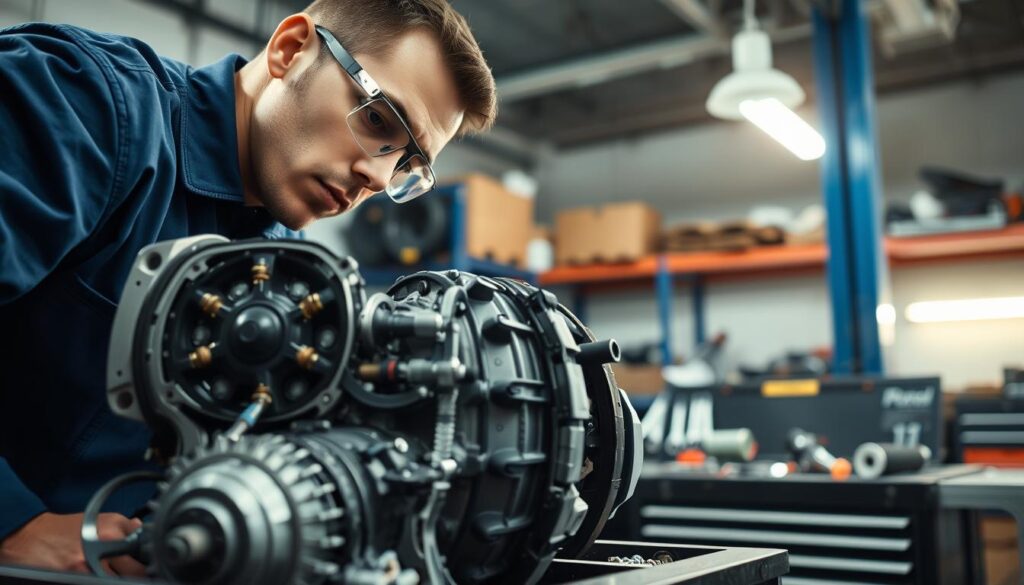
Modern driveline systems rely on precise timing and controlled torque to deliver seamless gear changes. These systems combine hydraulic circuits, electronic controls, and mechanical parts to manage power delivery.
When the vehicle lurches during a shift, it often means the transmission struggles to keep torque flowing to the wheels. That loss of synchronization causes noticeable jerking and rough transitions.
Frequent or worsening jerks point to deeper problems. Common sources include worn components, sensor faults, or fluid issues. Each can interrupt smooth gear shifting and create repeated shifts that feel abrupt.
Understanding the mechanics helps drivers and fleet managers identify symptoms early. Professional technicians list this set of issues among the most common service complaints they see in everyday driving.
- Key reminder: Persistent jerking requires prompt diagnosis to avoid greater vehicle damage.
The Role of Transmission Fluid in Smooth Gear Transitions
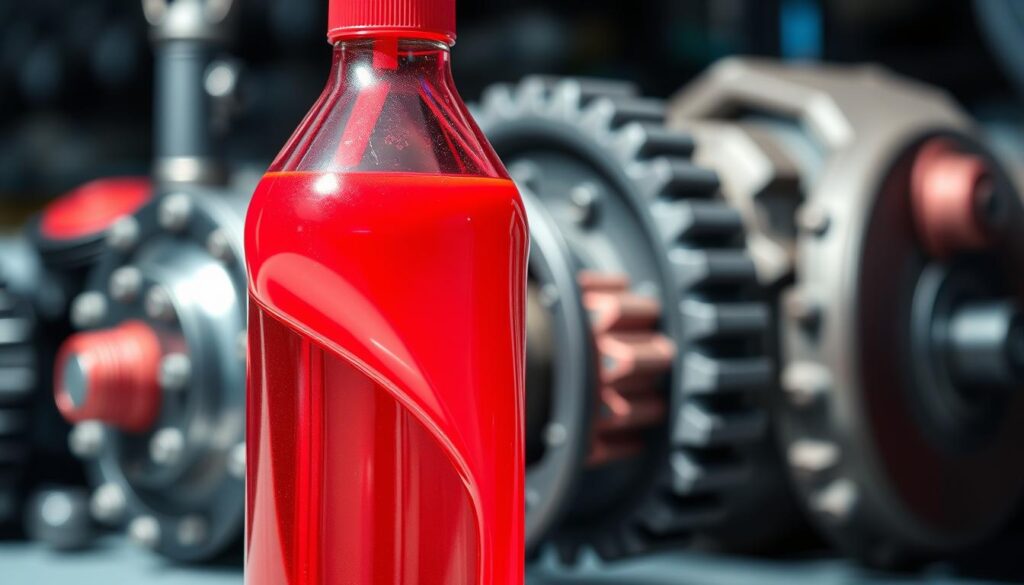
Proper fluid condition and level keep hydraulic pressure steady for reliable gear shifts.
Signs of Fluid Contamination
Healthy fluid should be a clear red. Dark, burnt, or cloudy color signals contamination or overheating.
Contaminated fluid can clog valves and filters. That reduces hydraulic pressure and leads to rough or delayed shifts.
- Dark or black color
- Burnt smell
- Visible debris or froth
Importance of Proper Fluid Levels
Maintaining the correct fluid level is essential. Low transmission fluid lowers hydraulic pressure and strains the system.
Regular maintenance prevents long-term engine and drivetrain damage. Check fluid level per the manufacturer schedule.
- Inspect color and smell regularly.
- Top up with the specified fluid grade.
- Replace fluid on recommended intervals.
Common Mechanical Culprits Behind Jerky Shifts
Several worn parts and faulty signals commonly trigger rough gear transitions. Quick diagnosis helps limit further damage and reduces downtime for fleet managers and owners.
Worn Mounts
Worn transmission mounts allow excessive movement of the drivetrain. That motion causes a clunk or abrupt change during a gear change.
Sign: noticeable vibration or loud impact under load. Replace mounts to restore steady alignment and reduce stress on other components.
Faulty Sensor Signals
Sensors that feed incorrect data disrupt the transmission control module. The result is erratic timing and inconsistent shifts.
Sign: erratic upshifts or hard downshifts and dashboard fault codes. Sensor faults demand prompt attention and software checks.
Torque Converter Failure
A failing torque converter disturbs power flow from the engine to the driveline. Low-speed jerking and hesitations are common symptoms.
Sign: slipping under load or overheating. Professional repairs often involve replacing the converter or related internal components.
| Cause | Common Signs | Immediate Action |
|---|---|---|
| Worn mounts | Vibration, clunking | Inspect and replace mounts |
| Faulty sensors / software | Fault codes, erratic shifts | Scan, recalibrate, replace sensor |
| Torque converter or internal wear | Low-speed jerking, slipping | Inspect hydraulic pressure; repair/replace parts |
Note: Internal bands and bearings wear over time. Early attention prevents extensive repairs and further damage.
For professional help, contact Best Car Shipping Inc. at (307) 288-5972 or info@bestcarshippinginc.com.
How to Perform a Basic Transmission Diagnostic
Begin with visible checks to spot early signs of trouble. Look under the hood and at the dash for warning lights and odd smells.
Inspect the fluid level by locating the dipstick. Ensure the transmission fluid reaches the recommended mark on the dipstick.
Check the fluid color and smell. A burnt odor or dark color signals internal wear and may mean low transmission fluid or contamination.
If a check engine or specific transmission light appears, connect an OBD-II scanner. The readout helps identify faulty sensors and other component errors.
Try a soft reset: disconnect the battery for 15 minutes. This can clear minor glitches in the control module and restore normal shifting behavior.
If delayed engagement or repeated symptoms persist, schedule professional repairs promptly. Early service prevents costly damage to gears and related parts.
| Check | What to look for | Next step |
|---|---|---|
| Fluid level | At recommended mark; clear red color | Top up or replace per manual |
| Fluid condition | Burnt smell, dark color | Change fluid and filter; inspect internals |
| Warning light / codes | OBD-II codes, sensor faults | Scan, diagnose sensor, repair as needed |
| Electrical reset | Minor control module errors | Disconnect battery 15 minutes; retest |
For expert assistance, contact Best Car Shipping Inc. at (307) 288-5972 or info@bestcarshippinginc.com.
Resetting the Transmission Control Module
A simple reset can often clear minor control-module faults and restore smooth gear behavior.
Recalibrating the System
Begin by disconnecting the negative battery terminal for 15 minutes. This clears stored faults and lets the transmission control module reset its internal memory.
After reconnecting, allow the engine to idle. Idle time lets the control module relearn shift points and collect fresh sensor data. This process can resolve minor software glitches that cause erratic shifts during daily use.
- Park on level ground and set the parking brake.
- Disconnect the negative battery cable for 15 minutes.
- Reconnect the cable, start the engine, and idle for 10 minutes to recalibrate.
“A properly functioning control module is vital for managing sensor input and maintaining smooth gear transitions.”
Regular resets are a small part of maintenance time that helps keep the system optimized. If issues persist, contact a certified technician or Best Car Shipping Inc. at (307) 288-5972 or info@bestcarshippinginc.com.
When to Seek Professional Mechanical Assistance
Persistent rough shifts after home troubleshooting indicate the need for expert diagnostics. If basic checks do not stop the problem, schedule service promptly.
Immediate attention is required for strange grinding noises or a burning smell. These are clear signs the transmission needs professional repair.
A certified mechanic uses advanced tools to find complex sensor faults that a standard OBD-II scan might miss. Ignoring these symptoms can escalate issues into a full rebuild.
- Cost range: Typical repairs run between AED 800 and AED 2,500.
- Warning light: If the dash shows a transmission-related light, seek a service center.
- Low transmission fluid: Persistent low transmission levels or contamination needs expert attention.
Prompt service minimizes downtime and prevents higher repair costs. For professional assistance, contact Best Car Shipping Inc. at (307) 288-5972 or info@bestcarshippinginc.com.
Best Practices for Preventing Future Transmission Issues
A proactive maintenance plan reduces the chance of costly driveline failures and keeps vehicles in service.
Schedule fluid service at recommended intervals. Adhering to a fluid change at 60,000 km protects seals, valves, and other components.
Check level and color regularly. Early detection of low transmission fluid prevents internal wear and costly repairs.
Routine Maintenance Schedules
Implement regular maintenance checks for the engine and driveline. Inspections should include fluid condition, mounts, and filter status.
Use an ordered plan:
- Inspect fluid and level every 6 months or per manufacturer.
- Change fluid at roughly 60,000 km unless the manual states otherwise.
- Address early symptoms immediately to avoid larger repairs.
Software Update Requirements
Keep control modules current. Modern vehicles benefit from software updates about every two years.
Updated software helps the transmission control module use refined shift maps. That reduces stress on components and improves gear shifts.
| Item | Interval | Benefit |
|---|---|---|
| Fluid change | 60,000 km | Protects seals and valves |
| Software update | Every 2 years | Optimizes control parameters |
| Routine inspection | 6 months / per manual | Early symptom detection |
Smooth driving and regular maintenance are the most effective ways to extend component life and reduce downtime.
For professional guidance, contact Best Car Shipping Inc. at (307) 288-5972 or info@bestcarshippinginc.com.
The Impact of Driving Habits on Gear Performance
Driving style directly influences how the control module manages gear timing.
Aggressive acceleration and sudden stops put extra strain on the transmission. This often causes the car to exhibit jerks during gear shifts.
Adopting a smoother approach lets the control software work as designed. Gentle throttle inputs allow the engine and gears to work in harmony.
Drivers who avoid harsh maneuvers usually see more consistent gear shifting performance. Over time, this habit limits premature wear on internal parts and reduces service needs.
“Consistent, gentle acceleration helps the system manage shifts and extends component life.”
| Habit | Effect | Simple Fix |
|---|---|---|
| Hard acceleration | Higher wear on gears and torque elements | Use steady throttle |
| Frequent abrupt stops | Stress on clutch packs and valves | Brake smoothly; increase following distance |
| Calm, consistent driving | Improved shift quality and longevity | Maintain steady speed and light inputs |
Best Car Shipping Inc. recommends training drivers on gentle techniques. For fleet guidance, contact (307) 288-5972 or info@bestcarshippinginc.com.
Conclusion
Tackling irregular gear action early reduces risk of severe internal damage and downtime. Quick attention limits component wear and keeps fleet costs down.
Regular maintenance is essential. Check fluid level and color, keep software up to date, and practice smooth driving to preserve gears and other components.
If warning signs or persistent symptoms appear, seek professional attention. Prompt repairs protect the vehicle and avoid larger, costlier repairs later.
For trusted service and expert guidance, contact Best Car Shipping Inc. at (307) 288-5972 or info@bestcarshippinginc.com.