
Reliable vehicle care matters when summer brings extreme heat. Sergio Flores and Nicholas Kjeldgaard warned on August 31, 2022, that high temperatures can harm engine performance and lead to costly damage.
Drivers should watch gauges and fluid levels. Regular checks make a big difference. A well-serviced cooling system keeps temperatures stable and protects long-term value.
Professional transport services also advise planning during heat waves. For trusted logistics and expert handling consult auto transport in Phoenix to reduce risk and ensure safe movement.
Key Takeaways
- High summer heat strains an engine and affects reliability.
- Simple checks of fluids and belts prevent many failures.
- Older vehicles need extra attention before long trips.
- Stay alert to gauges and odd smells while driving.
- Use professional shipping or service when moving a vehicle during heat waves.
Understanding the Cooling System and Heat Risks
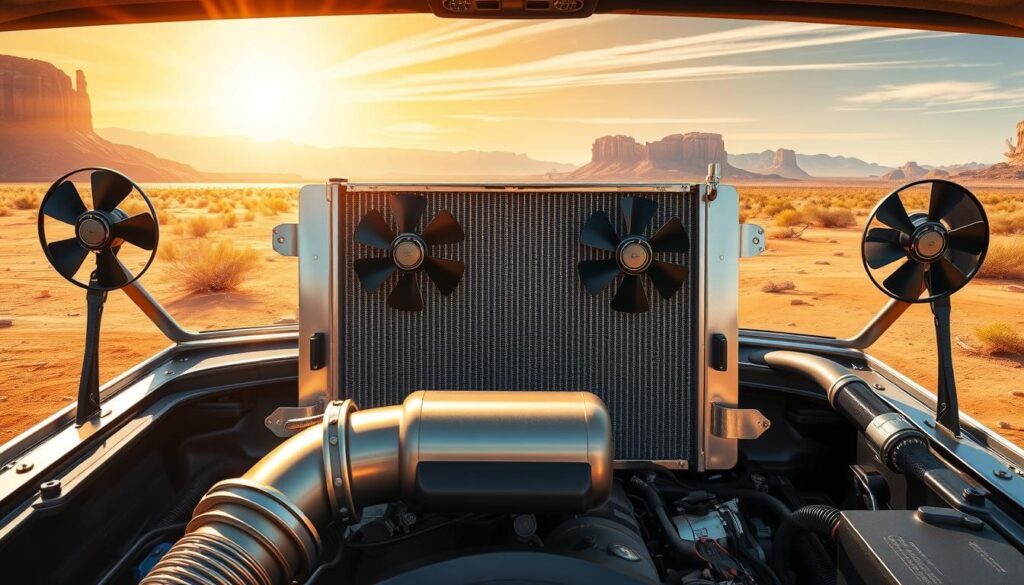
A vehicle’s cooling system is a coordinated network — and each part must work for peak performance.
Will Pesarini of Aero Auto Repair notes that the entire system fails if one component breaks. That single failure can cause major engine problems.
The radiator and airflow matter most. The radiator depends on steady air to shed heat. Owners of 1994 and 1989 model SCs report GM airdams redirect air to the radiator and improve cooling.
The Role of the Radiator and Airflow
Missing seals or an absent air dam limits airflow and reduces cooling. A faulty fan or low coolant often starts the chain of problems.
Identifying Signs of Engine Stress
- Rising temperature gauge readings signal the system is struggling.
- Steam under the hood means stop and wait; never open the hood right away.
- Some owners fit a 160° thermostat to influence temperature control, but it won’t fix all issues.
For logistics and safe transport during severe heat, consult reliable services such as car shipping in Arizona.
Proactive Maintenance to Prevent Car Overheating in Hot States Like Arizona
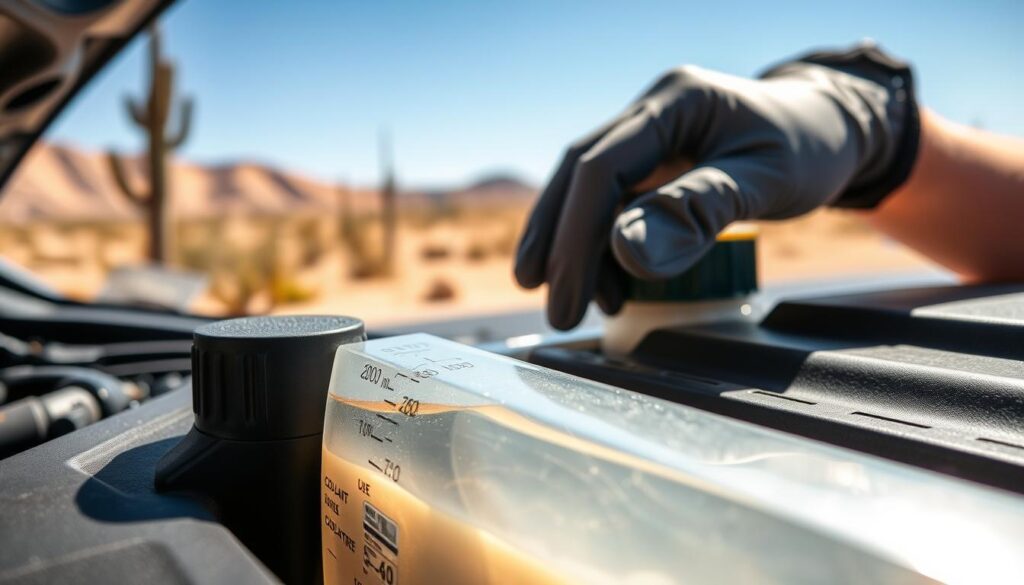
A timely inspection can spot weak fans, low fluid, or failing thermostats before they cause a breakdown. Will Pesarini recommends having your vehicle checked by a qualified mechanic when a heat wave is forecast.
Make sure to check coolant levels and overall system function before the peak of summer. Low coolant or old water reduces the engine’s ability to shed temperatures on long trips.
- Have a professional inspection scheduled ahead of severe weather.
- Keep extra coolant and bottled water in the trunk for emergencies.
- Test the fan and thermostat; these parts often fail first and cause rapid failure.
“Regular maintenance saves time and money by preventing catastrophic cooling system failure.”
Follow these tips to protect your vehicle, extend service intervals, and avoid roadside repairs during extreme summer weather.
Emergency Actions When Your Engine Temperature Rises
When the temperature gauge climbs, immediate action can prevent costly engine damage. Pull over to a safe spot and shut the engine off. If you see steam under the hood, stop right away.
Immediate Steps for Safety
Remain calm and move away from traffic. Open the hood only after the temperature drops. Never remove the radiator cap while the engine is hot; pressurized coolant and water can cause severe burns.
Managing Coolant Levels
Check coolant levels after the engine cools. Topping off coolant may help reach a service shop if a tow is not available. Make sure the reservoir and radiator are secure before driving again.
Using the Heater to Reduce Engine Load
Running the heater can draw heat away from the engine and may buy a few extra miles. Turn off air conditioning to lower load on the vehicle. If stuck in traffic, placing the transmission in neutral and gently revving can move more air through the radiator.
- Do not continue when the gauge stays in the red; that will cause more problems.
- Seek professional service quickly for any serious rise in temperature.
“Running the heater while you wait can help reduce engine temperature.”
Conclusion
Protecting your vehicle starts with routine inspections and knowing how to act when gauges climb. ,
Follow simple maintenance and keep emergency supplies ready. Regular checks of belts, fans, and coolant reduce the chance of a breakdown during summer.
These short, practical tips help avoid serious issues and keep a vehicle reliable. If you plan a long move, review the vehicle shipping guide for safe transport options.
Prioritize safety. Pull over at the first sign of car overheating and seek professional service promptly.