
Moving your car from New York to California requires careful planning and the right transport partner. The 2,900-mile cross-country route presents unique challenges that demand professional handling. This comprehensive guide walks you through every aspect of shipping your vehicle across the United States.
Whether you’re relocating for work, moving to a new home, or delivering a purchased vehicle, understanding the car shipping process helps you make informed decisions. You’ll discover cost factors, transport methods, and practical tips that save time and money.
Get Your Free Car Shipping Quote Today
Receive an instant estimate for transporting your vehicle from New York to California. Our specialists provide transparent pricing and answer all your questions.
Understanding the New York to California Shipping Route
The New York California car shipping route spans approximately 2,900 miles across the continental United States. This transcontinental journey typically follows major interstate highways connecting the East Coast to the West Coast. Transport carriers use established routes that pass through multiple states.
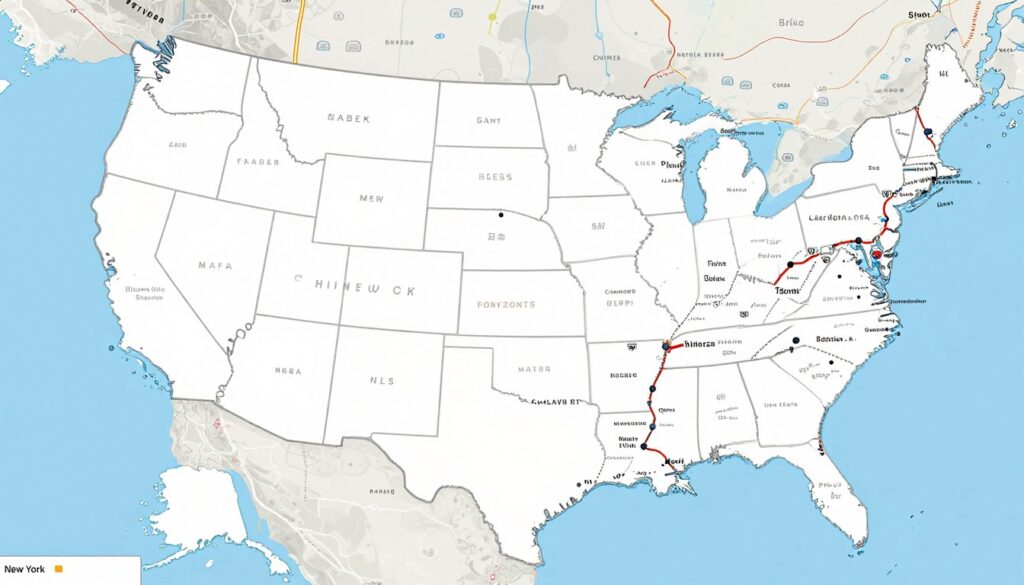
Most carriers travel through Pennsylvania, Ohio, Indiana, Illinois, Iowa, Nebraska, Wyoming, Utah, and Nevada before reaching California. The specific path depends on your destination city within California. Los Angeles, San Francisco, and San Diego represent the most common delivery points.
Major Pickup Cities in New York
- New York City and Manhattan
- Brooklyn and Queens
- Buffalo and Rochester
- Albany and Syracuse
- Long Island communities
Popular Delivery Cities in California
- Los Angeles and surrounding areas
- San Francisco Bay Area
- San Diego County
- Sacramento region
- Orange County cities
Car Shipping Costs from New York to California
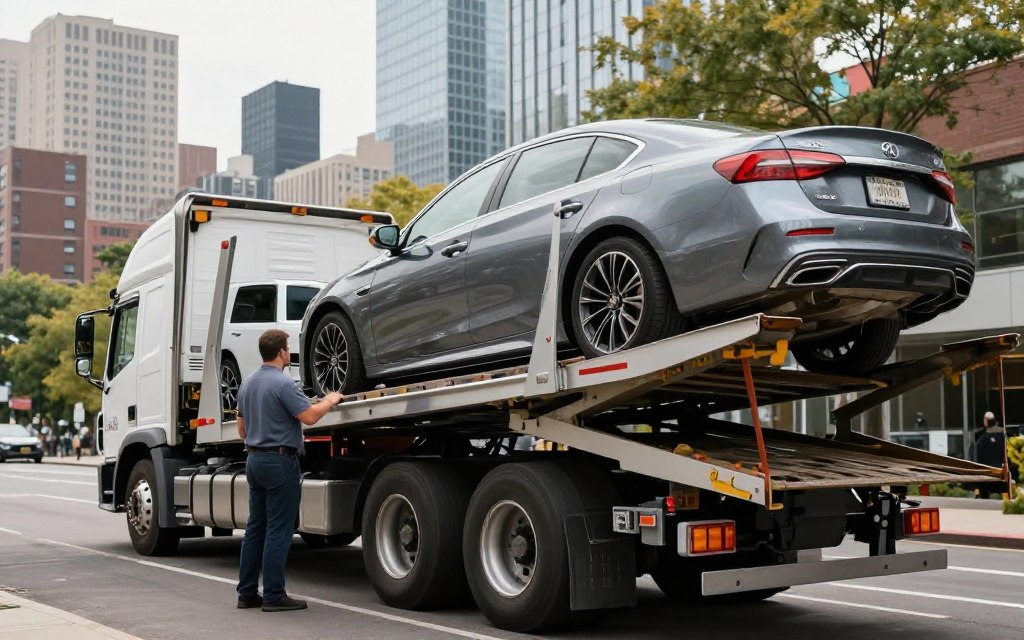
The average cost to ship a car from New York to California ranges between $900 and $1,500 for standard sedan transport. Multiple factors influence the final price you pay for auto transport services. Understanding these variables helps you budget accurately for your vehicle shipment.

Distance and Route Specifics
Distance serves as the primary cost determinant for New York California shipments. The 2,900-mile journey represents one of the longest domestic routes available. Carriers calculate rates based on mileage, fuel consumption, and driver time required for cross-country transport.
Your specific pickup and delivery locations within each state affect pricing. Urban areas like New York City and Los Angeles typically cost less than rural locations. Carriers operate regular routes to major metropolitan areas, making these destinations more economical.
Vehicle Type and Size
Larger vehicles cost more to transport than compact cars. Your vehicle’s weight and dimensions determine how much space it occupies on the carrier. Standard sedans represent the baseline pricing category for most transport companies.
Lower Cost Vehicles
- Compact sedans and coupes
- Standard four-door sedans
- Small hatchbacks
- Economy vehicles under 3,500 lbs
Higher Cost Vehicles
- Large SUVs and trucks
- Luxury and exotic cars
- Oversized vehicles over 5,000 lbs
- Modified or lifted vehicles

Transport Method Selection
Open transport costs significantly less than enclosed shipping. Open carriers expose your vehicle to weather and road conditions during transit. Enclosed transport provides complete protection inside a covered trailer.
Most customers choose open transport for the New York to California route. This method offers excellent value for standard vehicles in good condition. Enclosed transport suits luxury cars, classics, or vehicles requiring maximum protection.
| Transport Method | Average Cost Range | Transit Time | Best For |
| Open Transport | $900 – $1,200 | 7-10 days | Standard vehicles, daily drivers |
| Enclosed Transport | $1,300 – $1,800 | 7-12 days | Luxury cars, classics, exotics |
| Expedited Open | $1,200 – $1,500 | 5-7 days | Time-sensitive shipments |
| Expedited Enclosed | $1,800 – $2,300 | 5-8 days | High-value urgent transport |
Seasonal Price Variations
Shipping rates fluctuate throughout the year based on demand. Summer months see increased prices as families relocate and students move. Winter typically offers lower rates, though weather conditions may extend delivery times.
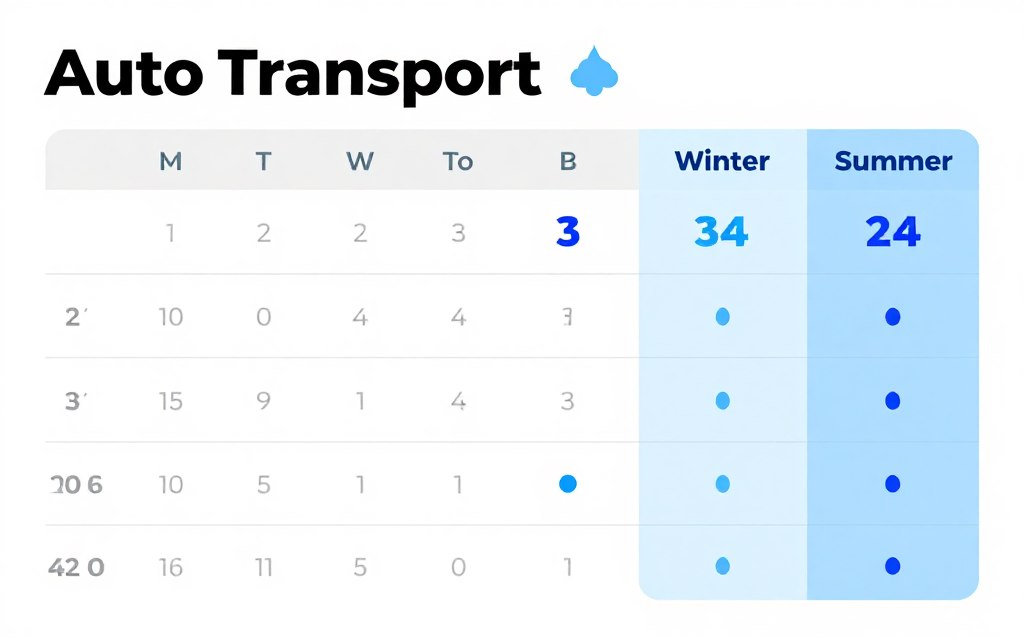
Peak season runs from May through September. Booking during fall or winter often saves 10-15% on transport costs. Planning ahead allows you to choose optimal shipping dates that balance price and convenience.
Available Car Transport Methods
Choosing the right transport method protects your vehicle and fits your budget. Two primary options exist for shipping a car from New York to California. Each method offers distinct advantages depending on your vehicle type and protection requirements.
Open Transport Services
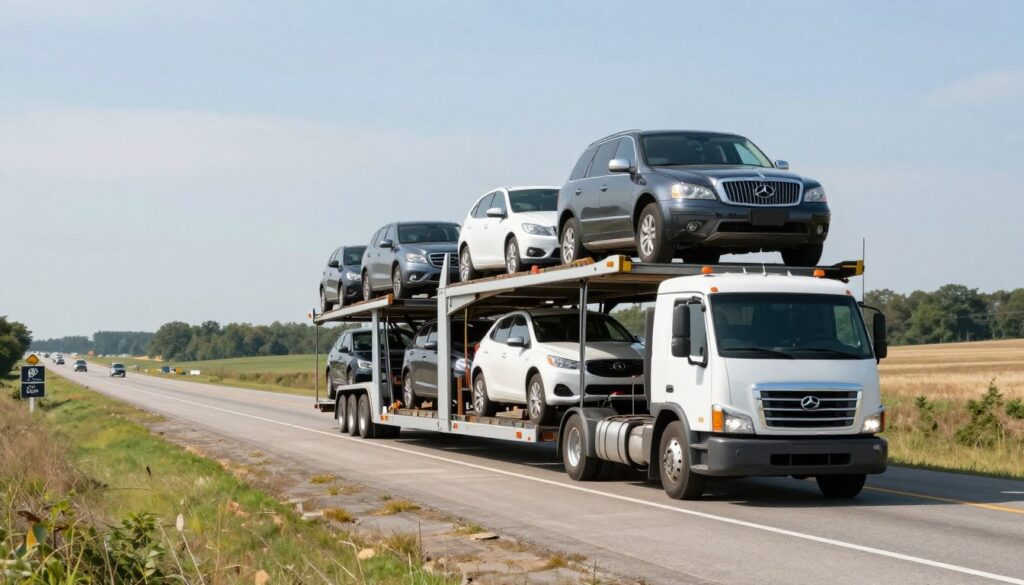
Open transport represents the most popular and economical shipping method. Carriers load vehicles onto open-air trailers that hold multiple cars simultaneously. Your vehicle remains exposed to weather conditions during the cross-country journey.
This method works perfectly for standard vehicles in regular use. The same carriers transport new cars from manufacturers to dealerships across the country. Your car receives professional handling despite exposure to elements during transit.
Open Transport Advantages
- Lower cost by $300-$600 compared to enclosed
- More carriers available on the route
- Faster pickup scheduling options
- Suitable for most vehicle types
- Industry standard for new car delivery
Open Transport Considerations
- Vehicle exposed to weather conditions
- Road debris and dust possible
- No protection from sun exposure
- Limited privacy during transport

Enclosed Transport Services
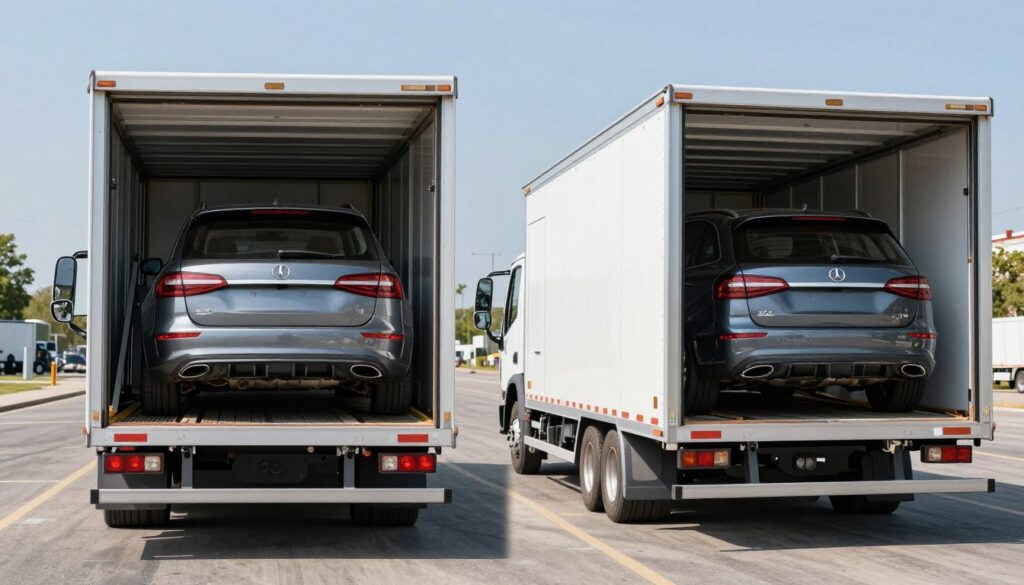
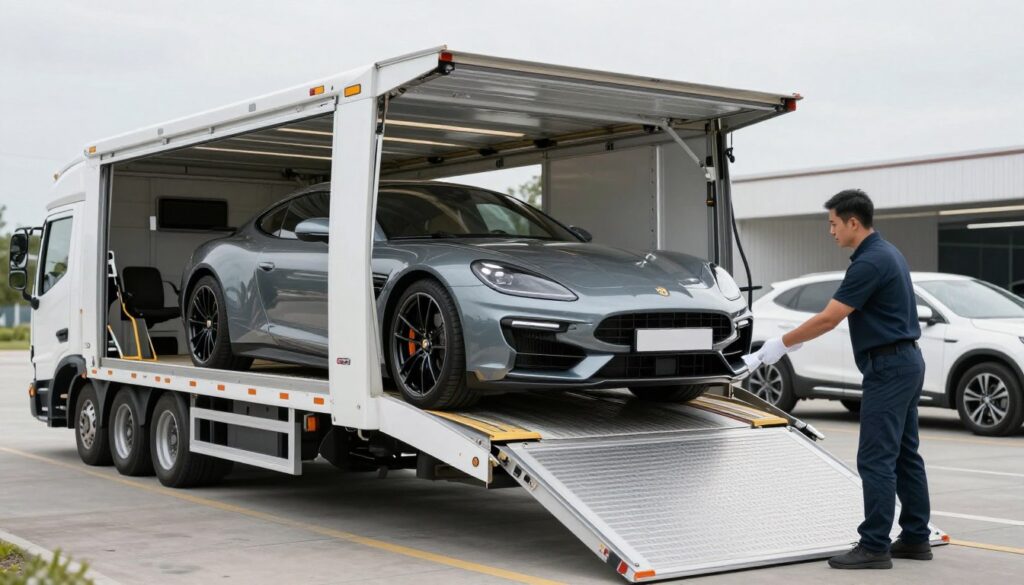
Enclosed transport provides complete protection inside a covered trailer. Your vehicle travels in a climate-controlled or fully enclosed environment. This premium service suits high-value vehicles, classics, or cars requiring maximum protection.
Enclosed carriers typically hold fewer vehicles than open trailers. The limited capacity and specialized equipment justify higher prices. Many collectors and luxury car owners consider this method essential for preserving vehicle condition.
Ideal for Enclosed Transport
- Luxury and exotic vehicles
- Classic and antique cars
- High-end sports cars
- Custom or modified vehicles
- Collectible automobiles
- Vehicles requiring climate control
Enclosed Transport Benefits
- Complete weather protection
- Shield from road debris
- Enhanced security measures
- Privacy during shipment
- Often includes white-glove service
- Detailed condition documentation
Door-to-Door vs Terminal-to-Terminal
Door-to-door service brings the carrier directly to your specified addresses. The driver picks up your car at your New York location and delivers it to your California destination. This convenient option eliminates the need for you to transport your vehicle to a terminal.
Terminal-to-terminal requires you to drop off and pick up your vehicle at designated facilities. This option costs less but demands your time and effort. You must arrange transportation to access the terminals at both ends of the route.
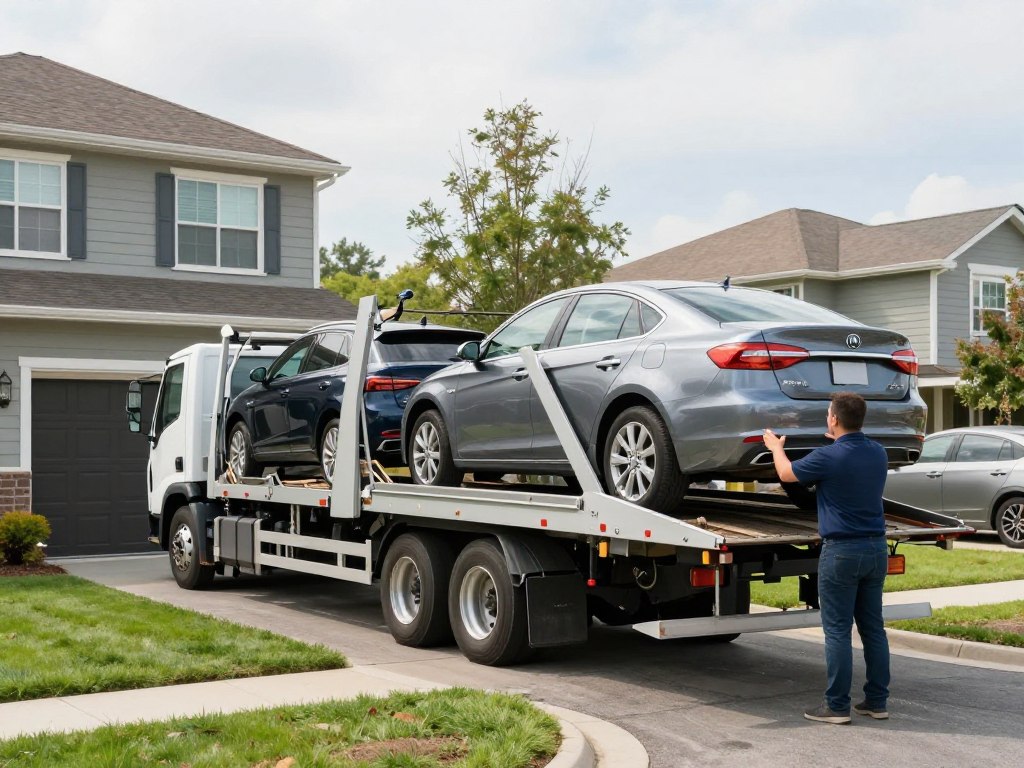
Most customers prefer door-to-door service for the convenience it provides. The carrier contacts you to schedule specific pickup and delivery windows. This method works best when you have adequate space for a large transport truck to access your location.
Choose Your Ideal Transport Method
Our transport specialists help you select the perfect shipping method for your vehicle and budget. Get personalized recommendations based on your specific needs.
Transit Time and Delivery Expectations
Understanding realistic timeframes helps you plan effectively for vehicle delivery. The New York to California route typically requires 7 to 10 days for standard transport. Several factors influence the exact delivery time for your specific shipment.
Standard Delivery Timeframes
Open transport generally completes the journey in 7 to 10 days. Carriers follow established routes and schedules that optimize efficiency. Your vehicle shares space with other cars heading to various California destinations.
Enclosed transport may take slightly longer, ranging from 7 to 12 days. Fewer enclosed carriers operate on any given route. The specialized nature of this service sometimes requires additional time for scheduling and coordination.
| Service Type | Typical Transit Time | Pickup Window | Delivery Window |
| Standard Open Transport | 7-10 days | 1-3 days | 1-2 days |
| Standard Enclosed Transport | 7-12 days | 2-4 days | 1-2 days |
| Expedited Open Transport | 5-7 days | 1-2 days | 1 day |
| Expedited Enclosed Transport | 5-8 days | 1-3 days | 1 day |
Factors Affecting Delivery Time
Weather conditions along the route impact transit times significantly. Winter storms in the Midwest or mountain passes can cause delays. Carriers prioritize safety over speed when road conditions become hazardous.

Your specific location within New York and California affects scheduling. Major cities receive more frequent carrier service than remote areas. Rural pickups or deliveries may add 1-2 days to the standard timeframe.
Factors That May Extend Transit
- Severe weather conditions along route
- Remote pickup or delivery locations
- Peak season demand congestion
- Required vehicle repairs during inspection
- Carrier mechanical issues
- Road closures or construction
Factors That May Speed Transit
- Major city pickup and delivery
- Flexible scheduling on your part
- Direct route without multiple stops
- Off-season shipping timing
- Choosing expedited service
- Optimal weather conditions
Tracking Your Vehicle Shipment
Reputable transport companies provide regular updates during transit. You receive notifications when the driver picks up your vehicle. Many carriers offer tracking systems that show your car’s approximate location throughout the journey.
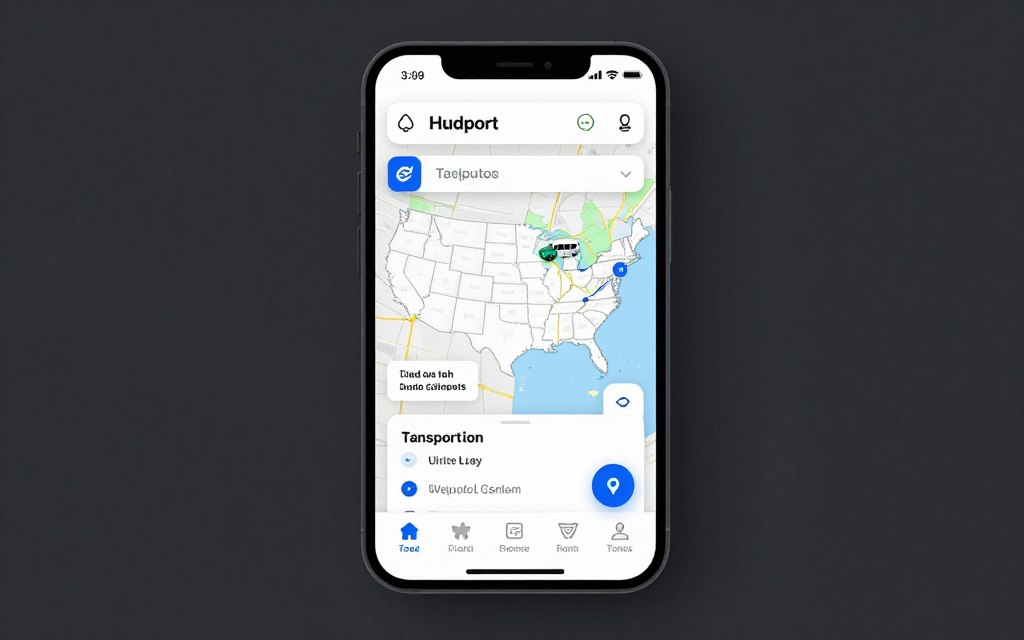
Direct communication with your assigned driver ensures you stay informed. The carrier contacts you 24 hours before expected delivery. This advance notice allows you to prepare for vehicle arrival and schedule the final inspection.
Plan for some flexibility in your schedule around delivery day. While carriers strive to meet estimated timeframes, exact delivery times depend on traffic, previous deliveries, and route conditions. A one or two-day window provides realistic expectations.
Selecting a Reliable Auto Transport Company
Choosing the right carrier protects your vehicle and ensures smooth transport. The auto transport industry includes thousands of companies with varying service levels. Thorough research helps you identify trustworthy carriers for the New York California route.

Essential Licensing and Insurance Requirements
Legitimate auto transport companies must hold proper federal licensing. The Department of Transportation assigns a unique DOT number to qualified carriers. This number verifies the company operates legally and meets safety standards.
Federal Motor Carrier Safety Administration registration proves carrier compliance with regulations. You can verify any company’s credentials through the FMCSA website. Check their safety ratings and complaint history before making your decision.
Required Carrier Credentials
- Valid DOT number from Department of Transportation
- MC number for interstate commerce authorization
- Current cargo insurance coverage
- Liability insurance protecting customer vehicles
- Clean safety record with FMCSA
- State-level business licensing
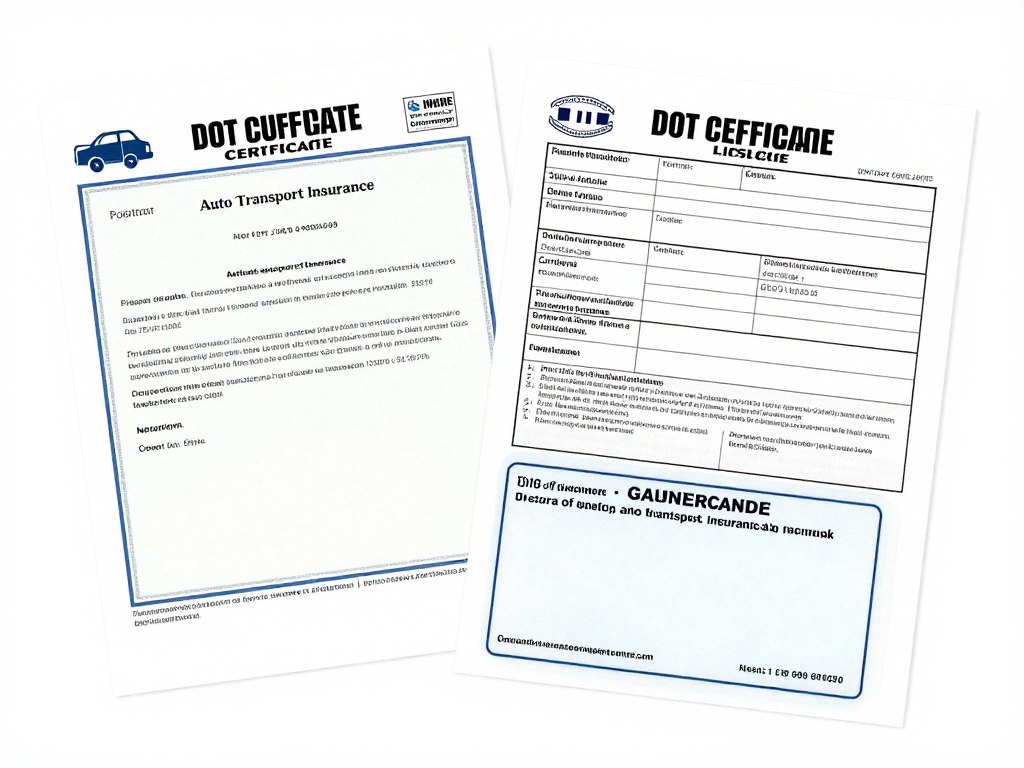
Insurance Coverage Verification
Every carrier must maintain cargo insurance protecting vehicles during transport. Standard coverage ranges from $100,000 to $250,000 per load for open transport. Enclosed carriers typically provide $500,000 to $1,000,000 in coverage.
Request a copy of the insurance certificate before booking transport. The document shows coverage amounts, policy numbers, and expiration dates. Verify the insurance remains current through the policy effective dates.
| Insurance Type | Minimum Coverage | Recommended Coverage | What It Covers |
| Cargo Insurance | $100,000 | $250,000+ | Vehicle damage during transport |
| Liability Insurance | $750,000 | $1,000,000+ | Third-party property damage |
| Enclosed Transport | $250,000 | $500,000-$1M | Premium vehicle protection |
Reading Customer Reviews and Ratings
Customer reviews reveal real experiences with transport companies. Multiple review platforms provide insights into carrier reliability and service quality. Look for patterns in feedback rather than focusing on isolated complaints.
Check reviews on the Better Business Bureau, Transport Reviews, Google, and industry-specific sites. Companies with consistently high ratings across platforms demonstrate reliable service. Pay attention to how businesses respond to negative feedback.
Green Flags in Reviews
- Consistent on-time delivery reports
- Responsive customer service mentions
- Professional driver interactions
- Accurate pricing with no hidden fees
- Vehicle delivered in same condition
- Clear communication throughout process
Red Flags to Avoid
- Multiple reports of damaged vehicles
- Hidden fees added after booking
- Inability to reach customer service
- Significant delivery delays
- Pressure tactics during sales process
- Refusal to provide insurance details
Comparing Quotes and Services
Obtain quotes from at least three different companies for comparison. Legitimate carriers provide detailed estimates explaining all costs. Extremely low quotes often indicate problems with service quality or hidden charges.
Compare what each quote includes beyond the base price. Some companies offer free cancellation, guaranteed pickup dates, or enhanced insurance. The total value matters more than finding the absolute lowest price.
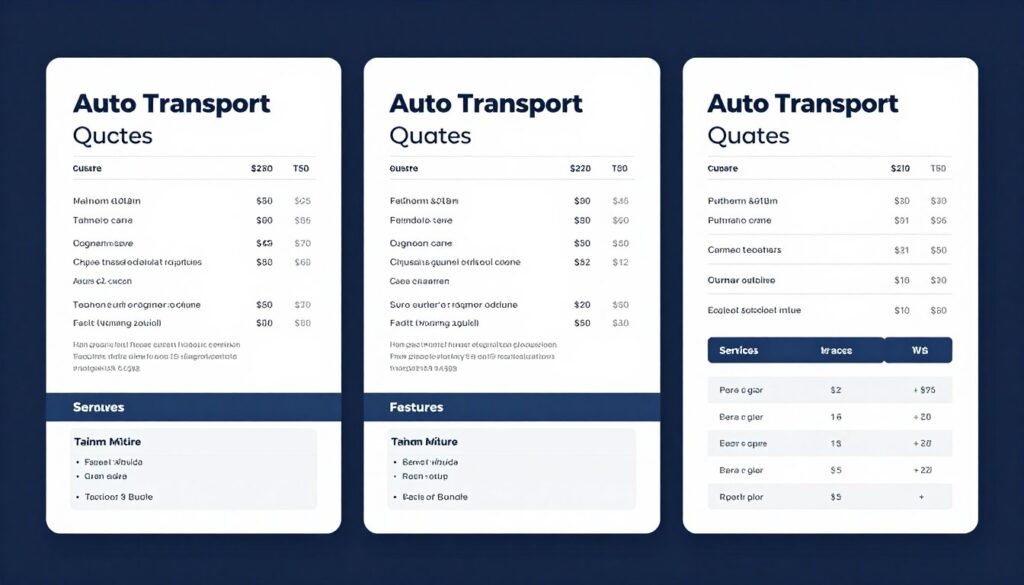
Quote Comparison Checklist
- Verify quote includes all pickup and delivery fees
- Confirm insurance coverage amounts
- Check cancellation policy and refund terms
- Understand payment schedule and accepted methods
- Review guaranteed vs estimated pickup dates
- Clarify what happens if delivery is delayed
Questions to Ask Before Booking
Direct conversation with transport companies reveals important service details. Ask specific questions about their process, experience, and policies. Professional carriers welcome inquiries and provide clear, honest answers.
How long have you been operating on the New York to California route?
Experience on this specific route indicates familiarity with the journey’s challenges. Companies running this route regularly understand the timeline and potential issues.
Who will actually transport my vehicle – your company or a subcontractor?
Many companies act as brokers, hiring independent carriers. Know whether you’re dealing with the actual carrier or a middleman arranging transport.
What is your claims process if my vehicle is damaged during transport?
Understanding the claims procedure before problems arise protects your interests. Reputable carriers have clear, documented processes for handling damage claims.
Can you provide references from recent New York to California shipments?
Speaking with recent customers provides firsthand insights into service quality. Confident companies readily share customer references.

Work With Licensed & Insured Professionals
Best Car Shipping Inc. maintains full licensing, comprehensive insurance, and an excellent safety record. Our experienced team specializes in New York to California transport routes.
The Pickup and Delivery Process
Understanding what happens during pickup and delivery prepares you for smooth vehicle handoff. The transport process follows standardized procedures protecting both you and the carrier. Proper preparation ensures your car ships without complications.

Preparing Your Vehicle for Shipment
Clean your car thoroughly before the carrier arrives. A clean vehicle allows for accurate condition assessment during inspection. Remove all personal belongings from the interior and trunk before transport.
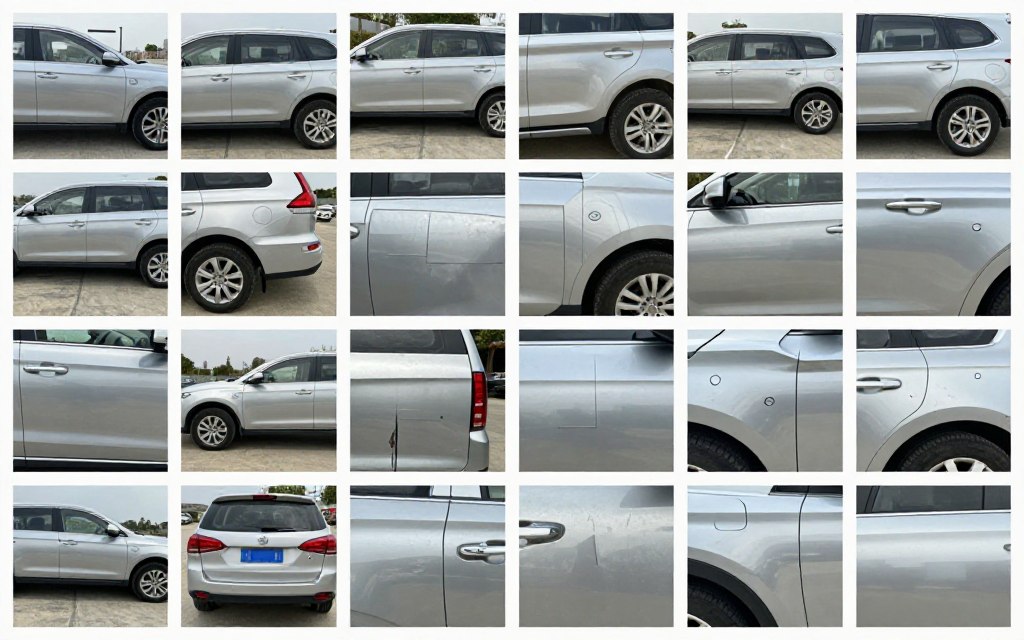
Document your vehicle’s condition with photographs from multiple angles. Take clear images showing any existing damage, scratches, or dents. These photos provide evidence of your car’s pre-shipment state should any issues arise.
Required Vehicle Preparation
- Remove all personal items from interior
- Empty trunk completely
- Clean exterior and interior thoroughly
- Disable car alarm systems
- Maintain fuel at quarter tank level
- Fix any fluid leaks before transport
- Ensure tires are properly inflated
- Remove or secure loose accessories
Important Documentation Steps
- Take photos of all sides of vehicle
- Document existing damage clearly
- Record current mileage reading
- Keep vehicle registration accessible
- Prepare insurance information
- Have identification ready for pickup
- Note any special vehicle features
- Create copy of car keys
Pickup Day Procedures
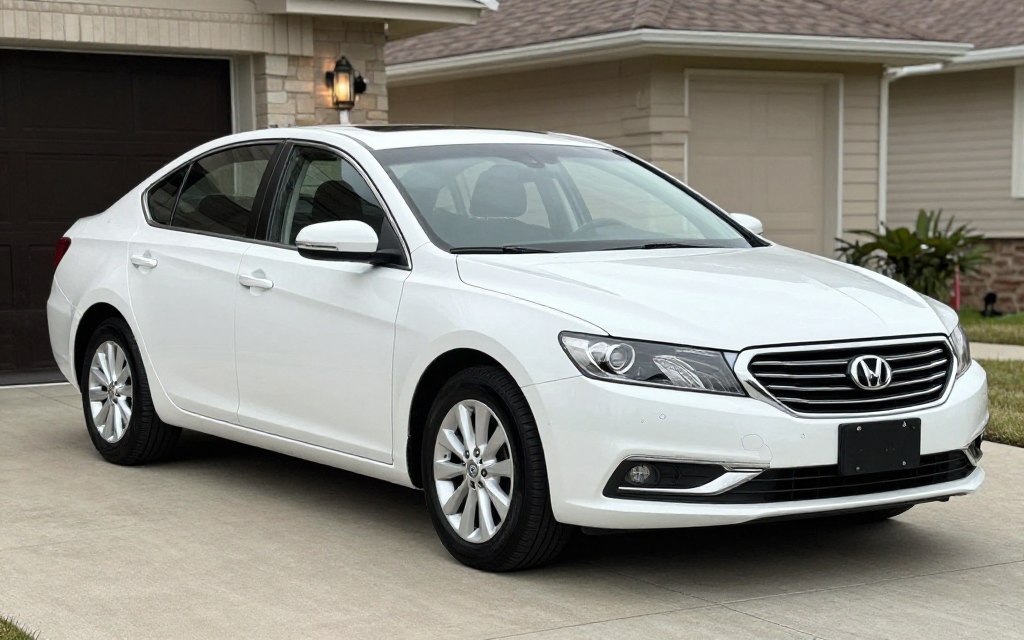
The carrier contacts you 24 hours before arrival to confirm the pickup window. Be available during this timeframe or designate someone to handle the handoff. The driver needs approximately 30 to 45 minutes for the complete pickup process.
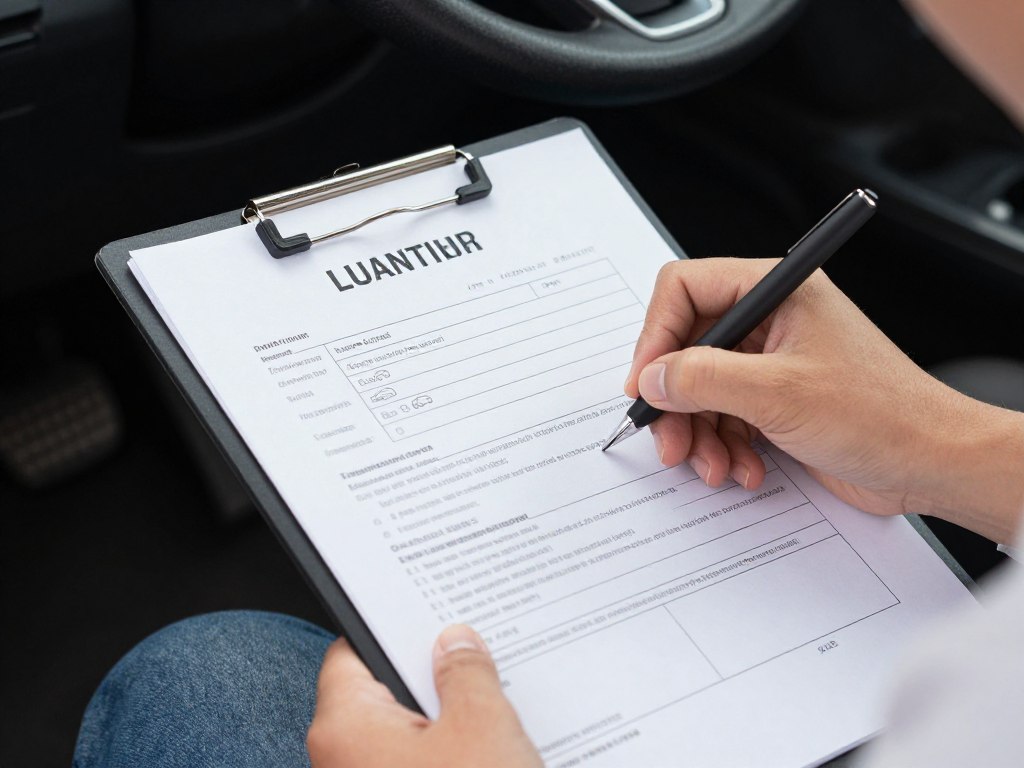
Conduct a thorough inspection with the driver before loading. Walk around your vehicle together, noting any existing damage on the Bill of Lading. This document serves as the official condition record for your vehicle.
Bill of Lading Details
The Bill of Lading records your vehicle’s condition at pickup and delivery. Mark every scratch, dent, or imperfection on the diagram. Both you and the driver sign this document confirming accuracy. Keep your copy in a safe place throughout the transport process. This document becomes crucial if you need to file a damage claim.
During Transit Communication
Most carriers provide updates during the journey across the country. You may receive notifications when your vehicle reaches major checkpoints. Some companies offer tracking systems showing your car’s approximate location in real time.
Keep your phone accessible for driver communication. The carrier may need to contact you regarding route changes or delivery schedule adjustments. Respond promptly to messages ensuring smooth coordination throughout the transport process.
Delivery Day Expectations
The driver calls you 24 hours before expected delivery in California. Confirm your availability and provide specific directions if needed. Large carriers require adequate space to maneuver and unload your vehicle safely.
Be present for delivery or arrange for an authorized representative. The person accepting delivery must be 18 years or older with valid identification. They need authority to sign the delivery Bill of Lading on your behalf.
Delivery Location Requirements
- Clear space for large transport truck
- Accessible street without low trees
- No tight turns or narrow passages
- Safe area for vehicle unloading
- Adequate lighting if evening delivery
What to Bring to Delivery
- Government-issued photo ID
- Original Bill of Lading from pickup
- Payment method if balance due
- Your pickup inspection photos
- Camera or phone for new photos
Final Vehicle Inspection
Inspect your vehicle carefully before signing the delivery Bill of Lading. Compare its condition against the pickup documentation. Look for any new damage that may have occurred during transport.

Check all sides of your car, including the roof and undercarriage if possible. Note any concerns on the delivery Bill of Lading immediately. Once you sign without noting damage, filing claims becomes significantly more difficult.
Take new photographs documenting your vehicle’s delivered condition. These images provide evidence of its state immediately after transport. If you discover damage later, report it to the carrier within 24 hours.
Important Inspection Reminders
- Inspect during daylight hours if possible for best visibility
- Check all panels, bumpers, lights, and glass
- Look for scratches, dents, or paint damage
- Test that doors, trunk, and hood open properly
- Note any concerns before signing delivery papers
- Never feel pressured to sign if you see problems
Payment and Final Steps
Most carriers require payment upon delivery. Standard payment methods include cash, cashier’s check, or money order. Some companies accept credit cards with advance arrangements.
Verify the payment amount matches your quote before finalizing. No additional fees should appear unless previously discussed and agreed upon. Obtain a receipt documenting your full payment for the transport service.
Common Mistakes to Avoid When Shipping Your Car
Learning from common errors saves time, money, and stress during vehicle transport. Many customers make preventable mistakes when shipping cars cross-country. Awareness of these issues helps you navigate the process successfully.
Booking Based Solely on Price
Choosing the cheapest quote often leads to problems with service quality. Unrealistically low prices may indicate inadequate insurance, hidden fees, or unreliable carriers. Quality transport requires fair pricing that covers proper insurance, experienced drivers, and maintained equipment.
Compare total value rather than focusing exclusively on cost. Consider insurance coverage, company reputation, pickup guarantees, and customer service quality. Spending slightly more with a reputable carrier prevents expensive problems.
Value Factors Beyond Price
- Comprehensive insurance coverage amounts
- Guaranteed pickup and delivery dates
- Strong customer reviews and ratings
- Responsive customer service availability
- Clear contract terms without hidden fees
- Professional driver experience level
Signs of Too-Low Quotes
- Price significantly below market average
- Vague explanations of services included
- Pressure to book immediately
- No verifiable licensing or insurance
- Poor or no online reviews
- Unwillingness to provide written contracts

Not Verifying Company Credentials
Failing to check licensing and insurance creates serious risks. Unlicensed carriers operate illegally and provide no protection if problems occur. Always verify DOT and MC numbers through the FMCSA website before booking.
Request and review current insurance certificates. Confirm coverage amounts meet your vehicle’s value. Fraudulent companies sometimes provide fake insurance documents, so verify policy details with the insurance provider directly.
Leaving Personal Items in the Vehicle
Personal belongings left in your car during transport are not covered by carrier insurance. Items may shift during transit, potentially damaging your vehicle’s interior. Transport contracts specifically exclude coverage for personal property.
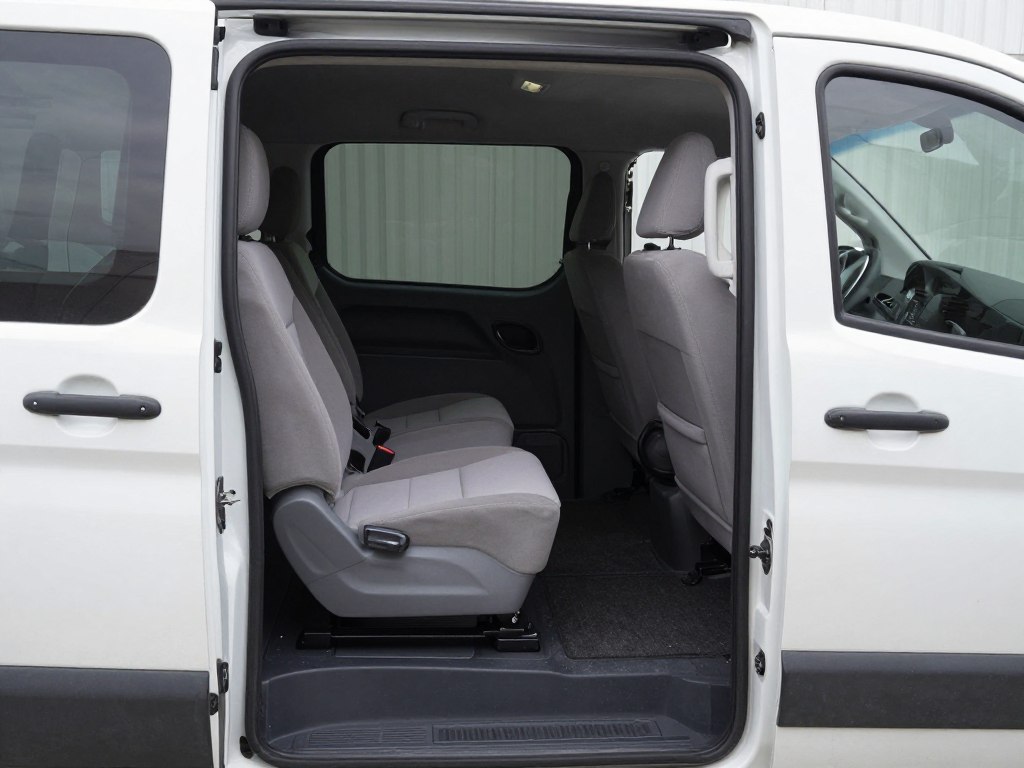
Remove everything from your car before pickup. This includes items in the glove box, trunk, door pockets, and under seats. Carriers may refuse to load vehicles containing personal property.
Inadequate Vehicle Preparation
Shipping a dirty vehicle prevents accurate condition assessment. Existing damage may go unnoticed and undocumented. Clean your car thoroughly so the driver can properly inspect and record its condition.
Mechanical issues should be addressed before transport. Leaking fluids, dead batteries, or non-functioning brakes create problems during loading and unloading. Inoperable vehicles require special handling and incur additional fees.
- Wash and clean vehicle thoroughly
- Remove all personal belongings
- Document condition with photos
- Fix any fluid leaks
- Maintain quarter tank of fuel
- Test that car starts and runs
- Secure or remove loose parts
- Disable alarm systems
Proper Preparation Steps
- Leaving car dirty or unwashed
- Keeping personal items inside
- No pre-shipment photos taken
- Ignoring mechanical problems
- Full tank of gas (too heavy)
- Not testing vehicle functions
- Leaving custom accessories attached
- Active alarm systems
Preparation Mistakes to Avoid
Not Reading the Contract Carefully
Signing contracts without thorough review leads to unexpected problems. Important terms regarding cancellation, delivery windows, and damage claims appear in the fine print. Take time to read and understand all contract provisions before signing.

Ask questions about anything unclear in the contract. Legitimate carriers welcome inquiries and provide clear explanations. Understand your rights and responsibilities before committing to the service.
Missing the Pickup or Delivery Window
Being unavailable during scheduled pickup or delivery causes significant complications. Carriers operate on tight schedules coordinating multiple vehicle transports. Missing your window may result in delays, additional fees, or cancellation.
Arrange your schedule around the provided timeframes. If you cannot be present, designate an authorized representative. Provide clear contact information and respond promptly to carrier communications.
Not Documenting Vehicle Condition Thoroughly
Insufficient documentation makes damage claims difficult or impossible. Take comprehensive photographs before pickup showing all angles. Include close-ups of existing damage and detailed shots of each body panel.
Review the Bill of Lading carefully during pickup. Ensure all existing damage appears on the condition report. Never sign documents acknowledging perfect condition if problems exist.
Documentation Best Practices
- Take at least 20-30 photos from all angles
- Include date/time stamps on photographs
- Document VIN number, mileage, and fuel level
- Photograph any existing scratches or dents
- Keep digital and physical copies of all paperwork
- Review Bill of Lading before signing at pickup
- Take new photos immediately upon delivery
Choosing Terminal Service for Convenience Savings
Terminal-to-terminal service seems economical but often creates hassles. You must transport your vehicle to and from storage facilities. Additional time, fuel costs, and inconvenience frequently outweigh the savings.
Door-to-door service provides better value despite higher cost. The convenience of pickup and delivery at your specified locations saves significant time and effort. Consider the total impact on your schedule when comparing options.

Get Expert Guidance on Your Car Shipment
Avoid costly mistakes with professional assistance from experienced transport specialists. We guide you through every step of the New York to California shipping process.
Understanding Insurance and Claims Process
Proper insurance coverage protects your vehicle during the New York to California journey. Understanding your coverage options and the claims process provides peace of mind. Most transports complete without issues, but preparation ensures you’re protected if problems arise.
Carrier Insurance Coverage
All licensed carriers must maintain cargo insurance protecting vehicles during transport. Standard coverage for open transport ranges from $100,000 to $250,000 per load. Enclosed transport typically provides higher coverage from $500,000 to $1,000,000.
This insurance covers damage occurring during transit from loading to delivery. Coverage includes accidents, carrier negligence, and damage from road conditions. Your vehicle receives protection throughout the entire transport process.
What Carrier Insurance Covers
- Damage during loading and unloading
- Accidents during transport
- Damage from road debris or weather
- Scratches or dents from carrier negligence
- Mechanical damage from improper handling
What Is Not Covered
- Personal belongings left in vehicle
- Pre-existing damage before pickup
- Normal wear and tear
- Damage from improper preparation
- Mechanical failures unrelated to transport

Your Personal Auto Insurance
Check with your personal auto insurance provider about coverage during transport. Some policies extend comprehensive coverage to vehicles being shipped. This additional layer of protection may cover issues not included in carrier insurance.
Contact your insurance agent before shipping to understand your policy’s provisions. Ask specifically about coverage during professional transport. Some companies require notification when shipping vehicles long distances.
Filing a Damage Claim
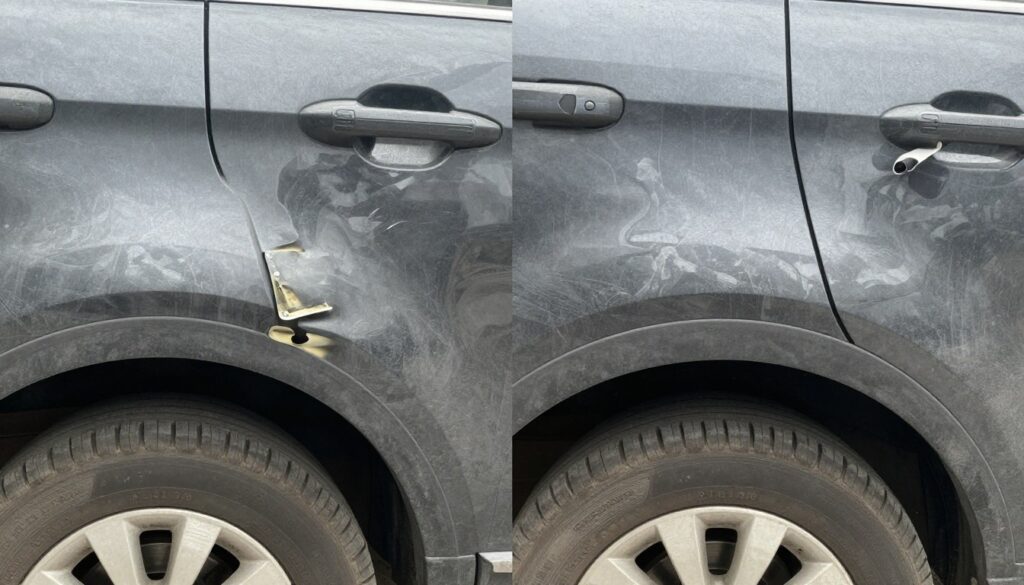
Identify and document damage immediately upon delivery. Note all concerns on the delivery Bill of Lading before signing. Take photographs showing any new damage from multiple angles.
Contact the carrier within 24 hours to report damage. Most companies require written notice within a specific timeframe. Provide your pickup and delivery Bill of Lading copies along with before and after photographs.
Claim Resolution Timeline
Most carriers resolve straightforward claims within 30 days. Complex cases involving significant damage may require longer investigation. Stay in regular contact with the claims department throughout the process.
Carriers typically request repair estimates from qualified shops. Some companies send their own adjuster to assess damage. Approved claims result in payment for documented repairs or diminished value.
| Claim Stage | Typical Timeline | Your Actions Required |
| Initial Report | Within 24 hours of delivery | Contact carrier, submit written notice, provide photos |
| Documentation Review | 3-7 days | Respond to information requests, submit additional evidence |
| Damage Assessment | 7-14 days | Provide repair estimates, allow inspection if requested |
| Claim Decision | 14-30 days | Review settlement offer, negotiate if needed |
| Resolution | 30-45 days total | Accept payment, complete repairs, submit final documentation |
Preventing Insurance Issues
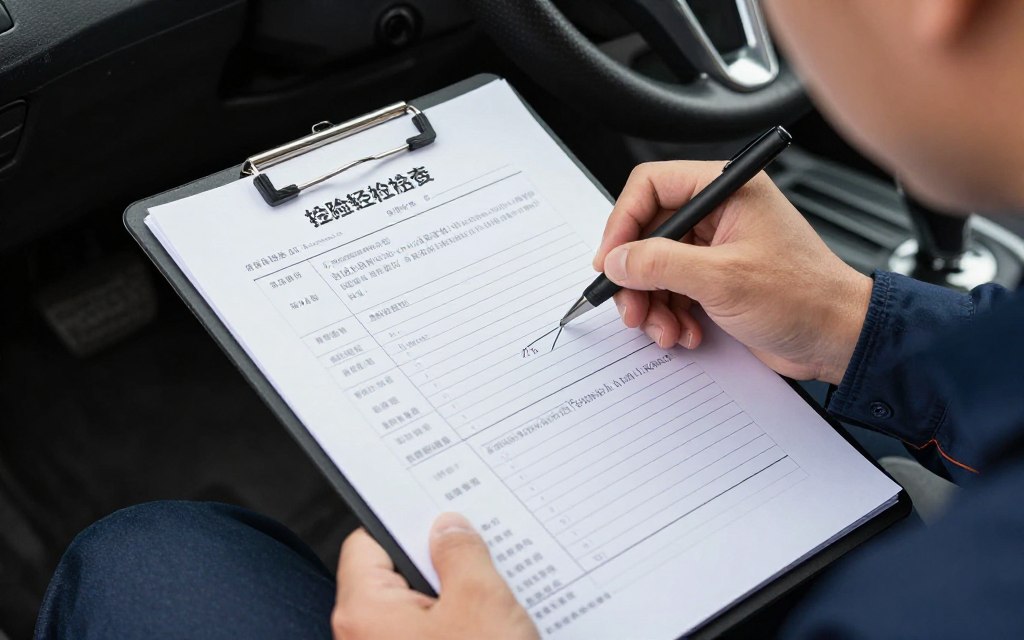
Thorough documentation at pickup prevents most insurance disputes. Accurate Bill of Lading completion protects both you and the carrier. Take time during pickup inspection to note every existing imperfection.
Choose carriers with strong insurance coverage and clear claims processes. Ask about their typical claims resolution time and procedures before booking. Companies with good reputations handle claims fairly and efficiently.
Seasonal Factors in Cross-Country Car Shipping
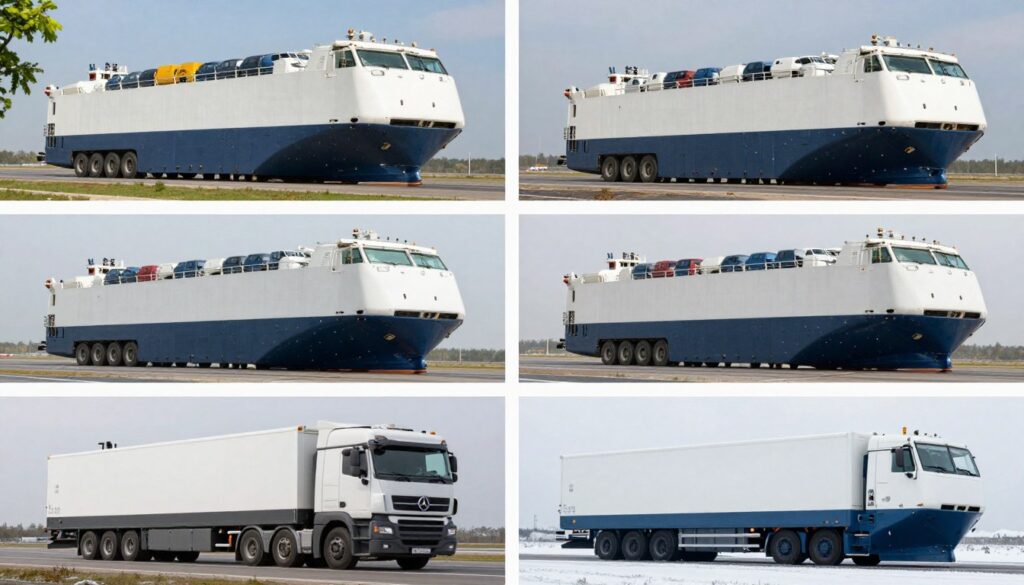
Time of year significantly impacts your car shipping experience from New York to California. Understanding seasonal variations helps you choose optimal timing for vehicle transport. Weather, demand, and route conditions change throughout the year.
Spring Shipping Considerations
Spring represents a moderate period for auto transport demand. Weather improves after winter, making routes more predictable. April and May see increasing bookings as people plan summer relocations.
Spring weather in the Midwest and mountain states can still present challenges. Late season snowstorms occasionally affect routes through Wyoming and Nevada. Overall conditions remain generally favorable for vehicle transport during this season.
Summer Peak Season
Summer brings the highest demand for car shipping services nationwide. Families relocate, college students move, and people purchase vehicles from distant sellers. June through August represent peak season with maximum prices.

Book well in advance during summer months to secure your preferred dates. Carriers fill their schedules quickly during peak demand. Prices typically increase 10-20% compared to off-season rates.
Summer Advantages
- Optimal weather conditions across routes
- Minimal weather-related delays
- More carriers actively running routes
- Flexible scheduling options
Summer Challenges
- Highest prices of the year
- Limited last-minute availability
- Longer wait times for pickup
- Heavy demand on popular routes
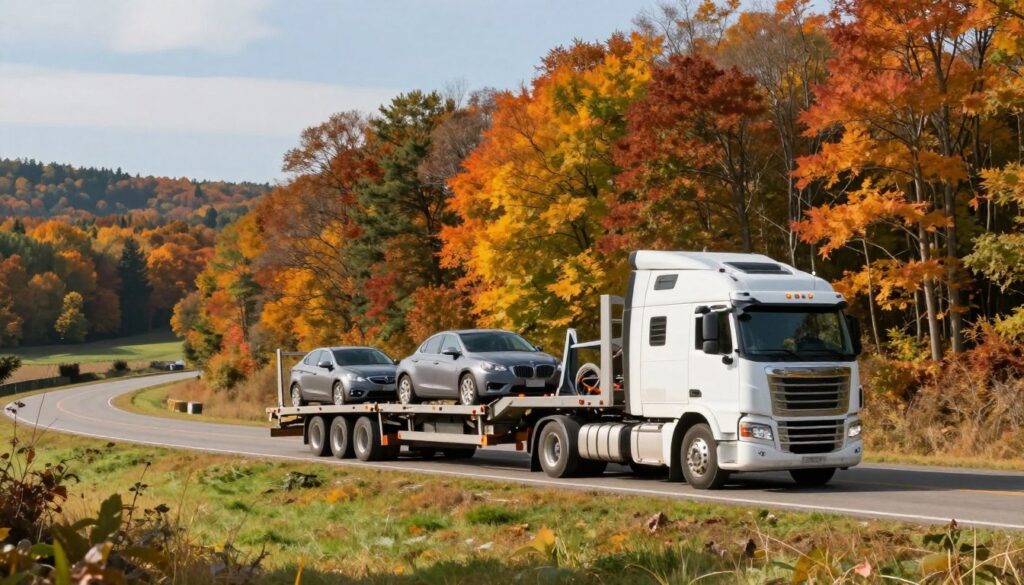
Fall Transport Season
September through November offer excellent conditions for vehicle shipping. Demand decreases after summer, bringing lower prices. Weather remains generally favorable through early fall.
Late fall may see early winter storms affecting mountain passes. November can bring unpredictable conditions in northern states. October typically provides the best balance of weather and pricing.
Winter Shipping Challenges
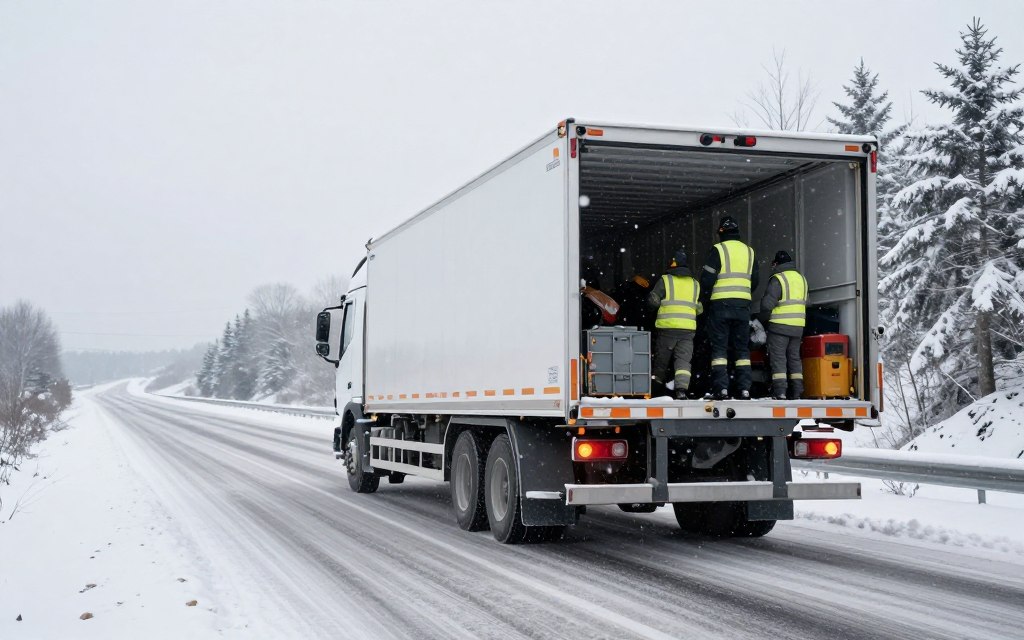
Winter offers the lowest prices but presents weather challenges. December through February see reduced demand and discounted rates. Snow and ice affect routes through the Midwest and mountain states.
Transit times often extend during winter months due to weather delays. Carriers must navigate carefully through snowstorms and icy conditions. Safety takes priority over speed during adverse weather.
Winter Shipping Considerations
- Potential delays from snowstorms and ice
- Extended transit times through affected regions
- Possible route changes to avoid severe weather
- Increased importance of carrier experience
- Need for flexible delivery scheduling
- Lower prices offset weather risks
Best Times to Ship Your Vehicle
Early fall and late spring offer optimal combinations of price, weather, and availability. September through October and April through May provide excellent value. Weather remains favorable while avoiding peak summer demand.
Plan your shipment around your schedule while considering seasonal factors. If you have flexibility, choosing off-peak times saves money without significant disadvantages. Winter shipping works well if you can accommodate potential delays.
| Season | Price Level | Weather Risk | Availability | Recommended |
| Spring (Mar-May) | Moderate | Low to Moderate | Good | Yes – Good value |
| Summer (Jun-Aug) | Highest | Very Low | Limited | If necessary |
| Fall (Sep-Nov) | Moderate-Low | Low to Moderate | Excellent | Yes – Best value |
| Winter (Dec-Feb) | Lowest | Moderate to High | Excellent | If flexible schedule |
Shipping Special and Luxury Vehicles
High-value and specialty vehicles require extra care during cross-country transport. Luxury cars, classics, exotics, and modified vehicles need specialized handling. Understanding these unique requirements ensures your valuable automobile receives appropriate protection.

Enclosed Transport for Premium Vehicles
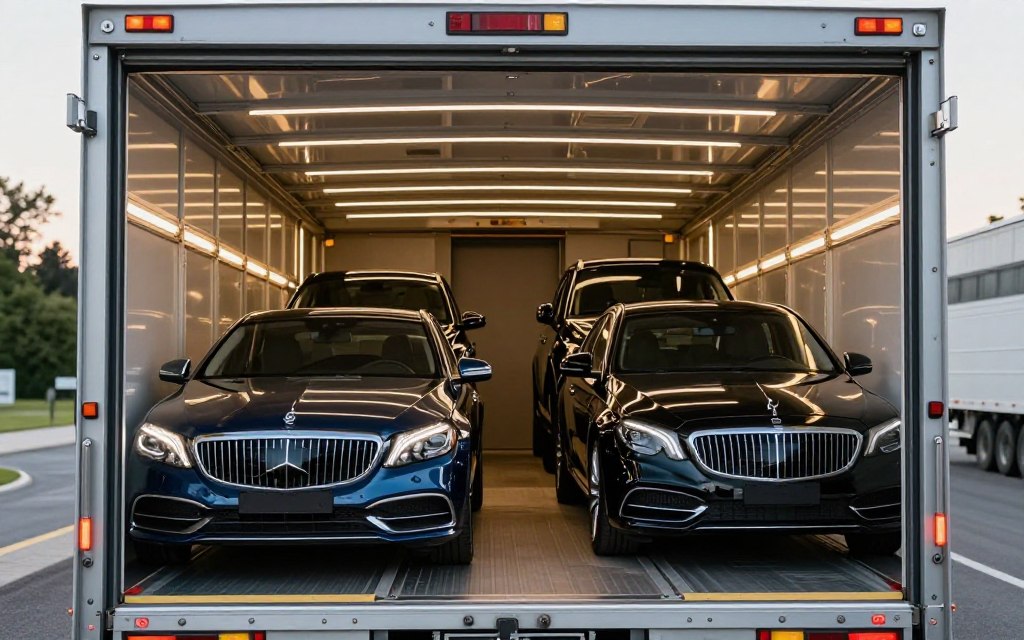
Luxury and exotic cars demand enclosed transport protection. Covered trailers shield vehicles from weather, road debris, and prying eyes. Climate-controlled options maintain stable temperature and humidity during transport.
Enclosed carriers typically transport fewer vehicles, providing more individualized attention. Your car travels with similar high-value automobiles. Professional handlers understand the care required for premium vehicles.
Vehicles Requiring Enclosed Transport
- Luxury brands like Ferrari, Lamborghini, Bentley
- Classic and antique automobiles
- Custom and modified vehicles
- Exotic supercars and hypercars
- Show cars and concours vehicles
- Rare collectible automobiles
Enclosed Transport Benefits
- Complete weather protection
- Shield from road debris and dust
- Enhanced security and privacy
- Climate control options available
- Specialized loading equipment
- Experienced premium vehicle handlers
Classic and Antique Car Considerations
Classic vehicles require special documentation and handling procedures. Many older cars have unique dimensions, limited ground clearance, or non-standard loading requirements. Discuss your vehicle’s specific needs with the carrier before booking.
Ensure your classic car is properly prepared for transport. Address any mechanical issues that could complicate loading. Document condition thoroughly with extensive photographs from all angles.
Modified and Lowered Vehicles
Modified cars with lowered suspension need carriers equipped for low-clearance loading. Standard carrier ramps may damage lowered vehicles. Specialized equipment ensures safe loading without scraping or undercarriage damage.
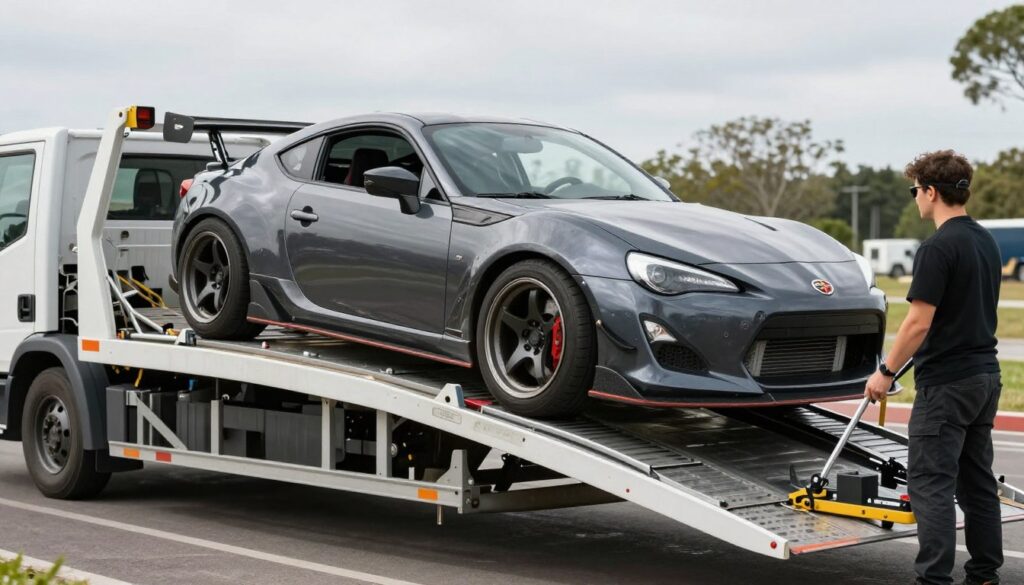
Inform carriers about any modifications affecting loading or dimensions. Raised vehicles, wide body kits, or extended bumpers impact how your car loads on the trailer. Accurate information prevents complications during pickup.
Insurance for High-Value Vehicles
Standard carrier insurance may not adequately cover luxury or exotic vehicles. Verify coverage amounts match or exceed your car’s value. Consider supplemental insurance for vehicles worth over $100,000.
Some specialty carriers offer enhanced insurance specifically for high-value automobiles. This additional coverage provides peace of mind when shipping six-figure vehicles. Ask about available options when requesting quotes.
High-Value Vehicle Insurance Checklist
- Verify carrier insurance covers full vehicle value
- Request detailed coverage documentation
- Consider additional insurance for vehicles over $100K
- Confirm policy includes door-to-door coverage
- Understand deductible and claim procedures
- Check your personal auto insurance provisions
White Glove Service Options
Premium white glove service provides the highest level of care and attention. Services include detailed condition reports, extra padding and securing, dedicated transport with no other vehicles, and direct delivery without transfers.
This concierge-level service suits extremely valuable or irreplaceable vehicles. Pricing reflects the specialized equipment, experienced handlers, and personalized attention. Many collectors consider this investment essential for their prized automobiles.
New York to Major California Cities
California’s size means delivery location significantly impacts your shipping experience. Different destination cities present unique considerations for vehicle transport. Understanding route specifics helps you plan effectively.
Shipping to Los Angeles
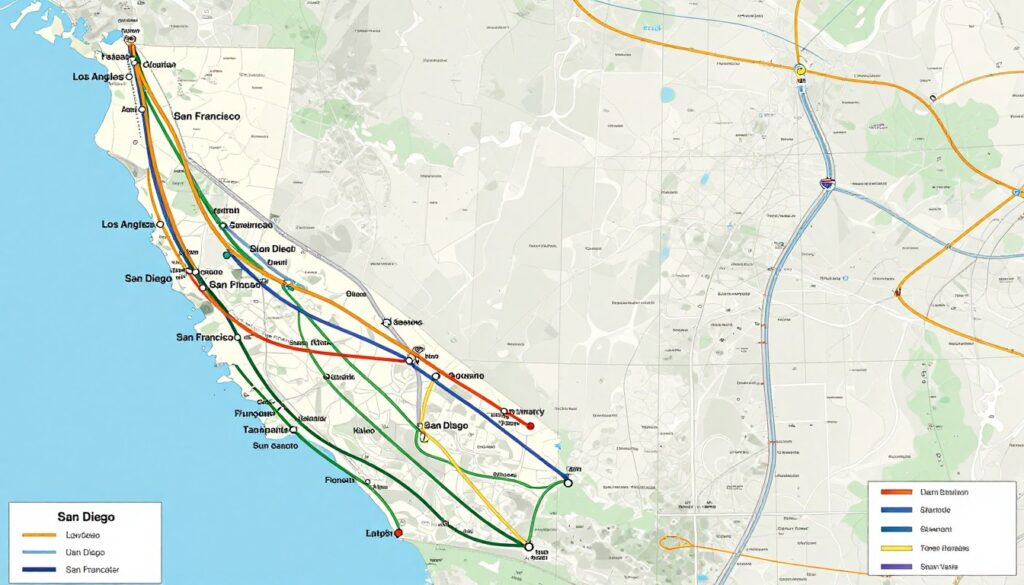
Los Angeles represents the most common California destination for New York shipments. The high volume of transport to this area provides excellent carrier availability. Competitive pricing results from frequent service on this route.
Most carriers follow Interstate 80 or Interstate 40 to reach the Los Angeles area. Transit time typically ranges from 7 to 9 days. Door-to-door service works well throughout the greater Los Angeles metropolitan region.
Los Angeles Transport Details
- Most frequent carrier service
- Competitive pricing due to volume
- 7-9 day typical transit time
- Excellent door-to-door availability
- Multiple daily carrier departures
LA Area Delivery Cities
- Los Angeles and Hollywood
- Santa Monica and Venice
- Pasadena and Glendale
- Long Beach and surrounding areas
- Inland Empire communities
Shipping to San Francisco Bay Area
San Francisco and Bay Area destinations receive regular carrier service from New York. Routes typically follow Interstate 80 through Nevada into Northern California. Transit time averages 8 to 10 days for this slightly longer route.
The San Francisco Bay Area includes numerous cities and communities. Carriers service San Francisco, Oakland, San Jose, and surrounding areas. Some locations require specific arrangements due to urban access challenges.
Shipping to San Diego
San Diego transport follows similar routes as Los Angeles shipments. Carriers typically deliver to Los Angeles area first, then continue south. This adds approximately one day to transit time.
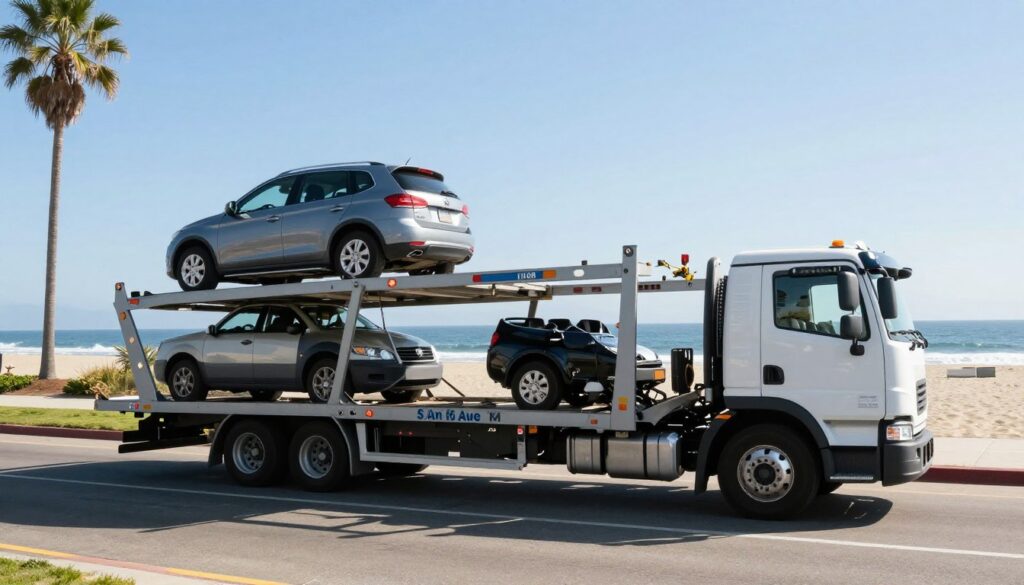
The San Diego area provides good carrier access despite being California’s southern border. Door-to-door service works well throughout the county. Transit time typically ranges from 8 to 10 days from New York.
Other California Destinations
Sacramento, Fresno, and other Central Valley cities receive regular transport service. These areas sit along major interstate routes connecting Northern and Southern California. Transit times remain similar to coastal destinations.
More remote California locations may require terminal service or extended delivery windows. Discuss specific requirements with carriers when booking. Rural areas sometimes necessitate meeting carriers at nearby major cities.
| California Destination | Distance from NY | Transit Time | Typical Cost Range |
| Los Angeles Area | 2,800 miles | 7-9 days | $900-$1,200 |
| San Francisco Bay Area | 2,900 miles | 8-10 days | $950-$1,250 |
| San Diego | 2,750 miles | 8-10 days | $900-$1,250 |
| Sacramento | 2,850 miles | 8-10 days | $950-$1,250 |
Get Your California Destination Quote
Receive accurate pricing and timeline for your specific California delivery location. Our specialists provide detailed estimates for all major California cities.
Frequently Asked Questions
Common questions about car shipping from New York to California help clarify the transport process. These answers address typical concerns from customers planning vehicle shipments.

How much does it cost to ship a car from New York to California?
Standard sedan transport typically costs between $900 and $1,500 depending on transport method, season, and specific locations. Open transport averages $900-$1,200, while enclosed transport ranges from $1,300-$1,800. Larger vehicles, expedited service, or peak season timing increase prices.
How long does car shipping take from New York to California?
Transit time averages 7 to 10 days for standard open transport. Enclosed transport may take 7 to 12 days due to fewer available carriers. Expedited service can reduce time to 5 to 7 days. Weather conditions, route, and pickup/delivery locations affect exact timing.
Is my car insured during transport from New York to California?
Yes, all licensed carriers must maintain cargo insurance protecting vehicles during transport. Standard coverage ranges from $100,000 to $250,000 for open transport and $500,000 to $1,000,000 for enclosed transport. Request insurance certificates before booking and verify coverage matches your vehicle’s value.
Should I choose open or enclosed transport?
Open transport works well for standard vehicles in regular use and costs $300-$600 less than enclosed. Choose enclosed transport for luxury cars, classics, exotics, or vehicles requiring maximum protection. Most customers select open transport for the New York to California route with excellent results.
Can I put personal items in my car during transport?
No, personal belongings should not remain in your vehicle during transport. Carrier insurance does not cover personal property, and items may shift during transit causing interior damage. Transport contracts specifically exclude coverage for personal belongings. Remove all items before pickup.
How do I prepare my car for shipping?
Clean your vehicle thoroughly inside and out. Remove all personal items. Document condition with photographs from multiple angles. Maintain fuel at quarter tank level. Disable alarm systems. Fix any fluid leaks. Ensure tires are properly inflated. Remove or secure loose accessories and custom parts.
What payment methods do car shipping companies accept?
Most carriers accept cash, cashier’s check, or money order at delivery. Some companies accept credit cards with advance arrangements, though fees may apply. Deposits sometimes required at booking range from $100 to $200. Final payment completes upon successful delivery in California.
When is the cheapest time to ship a car cross-country?
Winter months from December through February offer the lowest rates due to reduced demand. Fall, particularly September and October, provides good pricing while maintaining favorable weather. Avoid peak summer season from June through August when prices increase 10-20% due to high demand.
Do I need to be present for pickup and delivery?
Yes, you or an authorized representative must be present for both pickup and delivery. The person must be 18 years or older with valid identification. They conduct vehicle inspection and sign the Bill of Lading documenting condition. Plan to allow 30-45 minutes for the complete process.
What if my car is damaged during shipping?
Note any damage on the delivery Bill of Lading immediately before signing. Photograph all issues from multiple angles. Contact the carrier within 24 hours to file a formal claim. Provide before and after photos along with both Bill of Lading documents. Most straightforward claims resolve within 30 days.

Ready to Ship Your Vehicle from New York to California?
Professional car shipping simplifies your cross-country vehicle transport. Best Car Shipping Inc. provides reliable, licensed service for the New York to California route. Our experienced team handles every aspect of your vehicle shipment with care and professionalism.

Comprehensive insurance coverage protects your vehicle throughout the journey. Licensed carriers with excellent safety records ensure secure transport. Transparent pricing eliminates surprises, and responsive customer service keeps you informed every step of the way.
Our Service Advantages
- Licensed and insured professional carriers
- Competitive rates for all transport methods
- Door-to-door convenience
- Real-time shipment tracking
- Experienced New York to California specialists
- Comprehensive vehicle protection
Get Started Today
- Free instant quote in minutes
- No obligation estimate
- Flexible pickup scheduling
- Clear timeline expectations
- Dedicated support specialist
- Transparent pricing structure

Request Your Free Car Shipping Quote
Get an accurate estimate for shipping your vehicle from New York to California. Our transport specialists provide personalized quotes based on your specific needs, vehicle type, and preferred service level.
Call for Immediate Assistance
Speak directly with our transport specialists. We answer questions, provide instant quotes, and schedule pickup dates. Our team understands the New York to California route and guides you through every step.
Email for Detailed Information
Send detailed inquiries to our support team. We provide comprehensive information about services, pricing, and scheduling. Receive thorough answers to all your vehicle shipping questions.

Conclusion
Shipping your car from New York to California requires careful planning and the right transport partner. Understanding costs, transit times, and service options helps you make informed decisions. Professional carriers provide safe, reliable transport across the 2,900-mile journey.
Choose licensed, insured companies with strong reputations and clear policies. Prepare your vehicle properly and document condition thoroughly at both pickup and delivery. With proper preparation and a trustworthy carrier, your vehicle arrives safely in California ready for your next chapter.
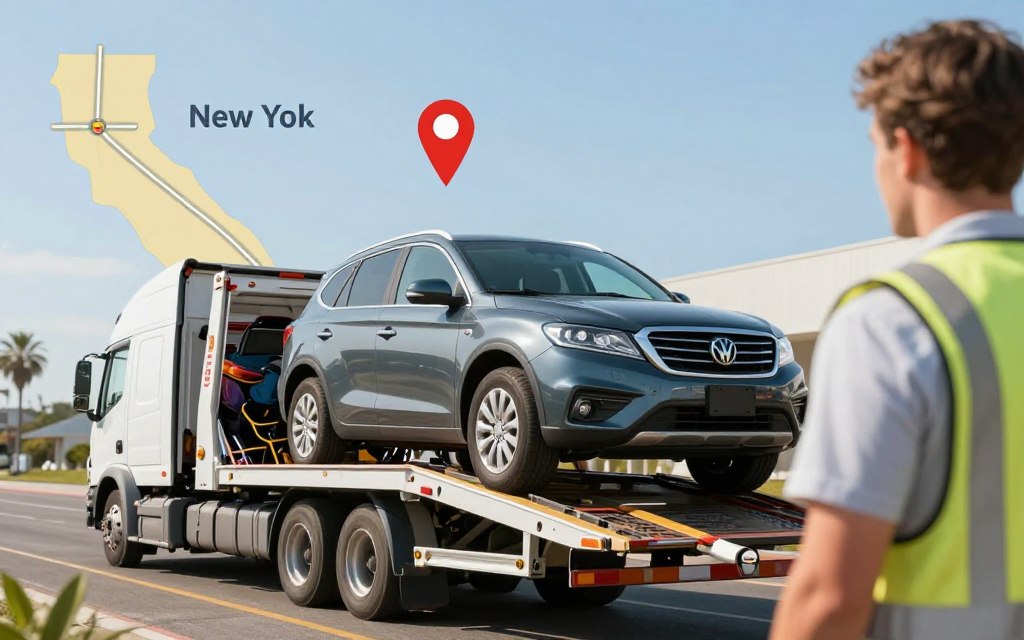
Professional auto transport eliminates the stress, time, and expense of driving cross-country. Your vehicle receives expert handling while you focus on other aspects of your relocation. Contact experienced transport specialists today to begin planning your New York to California vehicle shipment.