
Passport Transport builds quotes from real logistics and current market conditions, not fixed rate sheets. This matters when moving a modified vehicle because custom parts need careful handling. The company pairs experienced coordinators with tailored loading plans to protect bespoke components.
Clients get clear timelines and professional oversight from pickup through delivery. Teams review vehicle size, weight, and unique gear, then choose open or enclosed transport based on risk and value. This approach reduces surprises in price, time, and condition at arrival.
Proper preparation is essential. Passport’s crew guides owners on loading access, bill lading details, and special routing when weather or route constraints require extra time. The result is confident, reliable auto transport for high-value vehicles.
Key Takeaways
- Quotes reflect real logistics, not static rates.
- Custom components need tailored handling and planning.
- Enclosed versus open transport is chosen based on risk and value.
- Transparent communication clarifies price, timing, and delivery.
- Proper prep and documentation protect condition and transit.
Understanding Car Shipping for Modified Cars: What to Expect
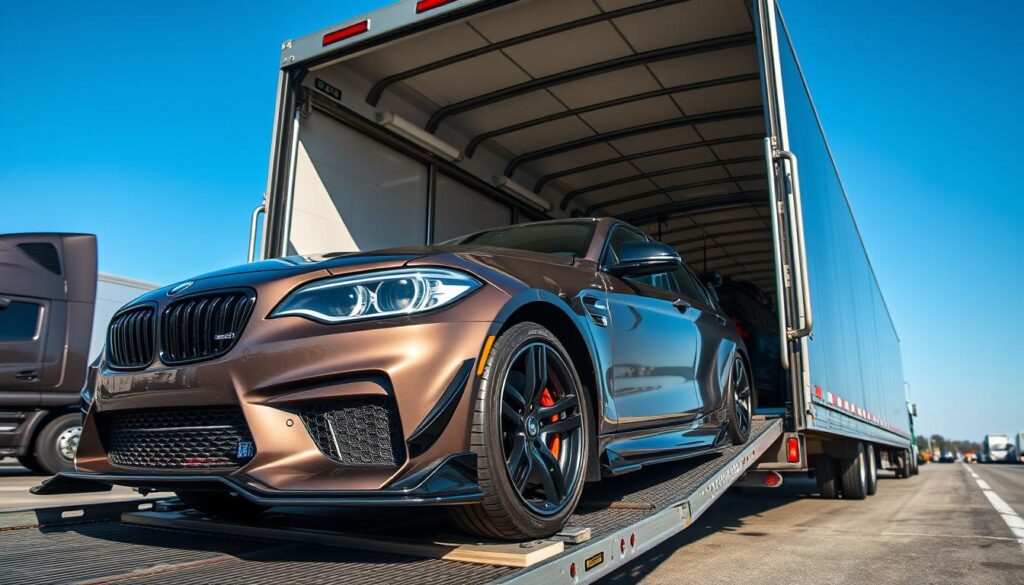
Transport teams begin with a focused review of aftermarket modifications and dimensions. This early assessment determines equipment needs, loading protocols, and any special routing for a long haul.
Defining Modified Vehicles
Modified vehicles are any units that differ from factory specs due to bodywork, lowered suspension, oversized tires, or custom attachments. These changes can affect how a vehicle fits on standard trailers and how it behaves during transit.
The Importance of Early Disclosure
It is vital that people disclose all upgrades when they request a quote. Early disclosure allows the carrier to schedule the right trailer and crew.
- Provide accurate dimensions so carriers can confirm fit and avoid loading issues.
- Note clearance limits for lowered rides or wide fenders before a cross country move over 1,500 miles.
- Share photos of unique attachments to speed planning and reduce delays.
Full details up front help keep the transport efficient and reduce unexpected costs or rescheduling.
Why Modified Vehicles Require Specialized Handling
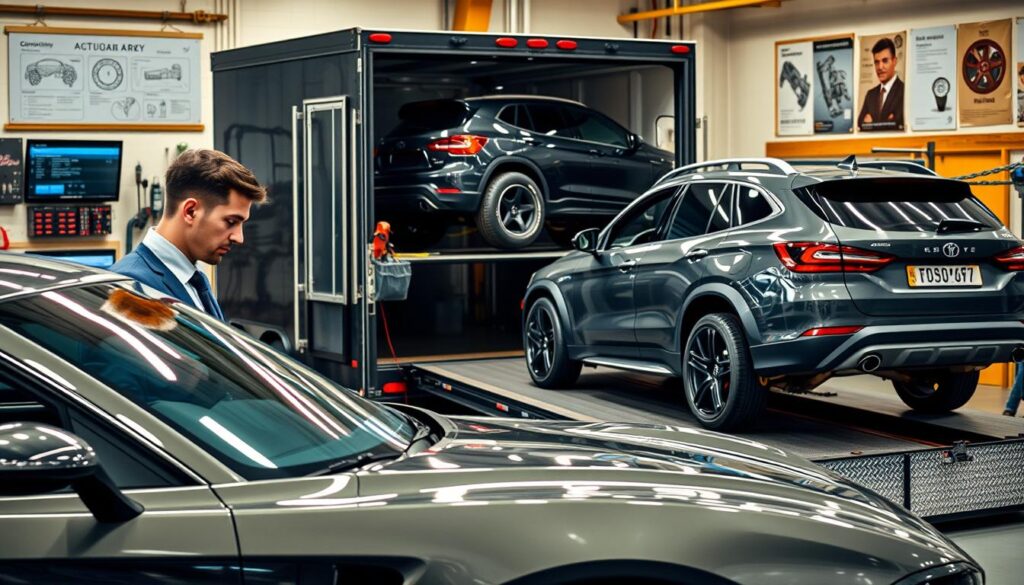
Before a route is set, teams assess nonstandard weights and appendages that change how a trailer must be loaded. This step prevents imbalance and improves safety during long hauls across the country.
Weight distribution matters. Modified vehicles often shift load points. Carriers adjust tie-downs and placement to keep the trailer stable.
Custom parts can sit outside normal dimensions. They may be fragile or extend beyond typical clearance. That means specialized gear and careful handling are required.
- Trained crews spot attachment issues and protect sensitive bodywork.
- Route and weight analysis ensures chosen carrier can handle the move over long miles.
- Costs reflect expertise and extra equipment needed to safeguard value.
| Risk | Action | Benefit | Typical Cost Impact |
|---|---|---|---|
| Unbalanced load | Adjust placement and straps | Improved stability | Moderate |
| Oversized parts | Use custom ramps or enclosed trailers | Reduced damage | Higher |
| Fragile components | Extra padding and inspection | Preserved condition | Moderate to High |
Owners who need precise estimates can request auto shipping quotes that account for weight, route, and special care.
Assessing Your Vehicle for Transport
A complete walk-around inspection flags risks that affect loading and transit plans. Drivers begin with a visual check and note any features that could contact the trailer or ramp.
Identifying Potential Loading Hazards
Low ground clearance and oversized accessories can scrape the truck ramp. These hazards are cataloged before the carrier secures the unit.
Trained drivers perform a detailed inspection to confirm fit and measure clearance. They evaluate weight and dimensions to select the proper loading method and equipment.
- Custom modifications may require extra time and special gear to load safely.
- Early identification lets teams coordinate with carriers and request tools or an enclosed trailer when needed.
- Verifying condition and accessories before the truck arrives prevents delays during the shipment.
Safety over speed guides the assessment. The company does not rush this step because careful evaluation reduces damage risk and helps ensure on-time delivery across any distance.
Choosing Between Open and Enclosed Transport
Deciding between open and enclosed trailers starts with an honest view of value, exposure risk, and route length.
Benefits of Enclosed Trailers
Enclosed transport offers superior protection against weather and road debris.
It shields delicate finishes and custom bodywork during long distance moves. This option reduces the chance of cosmetic damage and keeps sensitive parts dry.
Risks of Open Transport
Open transport exposes vehicles to elements and highway debris. That can harm custom paint or fragile trim.
Open trailers are common and efficient, but they increase exposure risk during cross-country shipment.
Cost Considerations
Open transport is typically 30–60% more affordable than enclosed transport. The lower price makes it a common choice for standard vehicles.
- Choose enclosed when value or finish demands extra protection.
- Pick open when budget and standard durability matter most.
- Weight and size affect pricing and loading; enclosed trailers carry fewer units per run.
Passport Transport provides detailed quotes for both options so people can compare price, timing, and delivery risks.
The Role of Ground Clearance and Custom Bodywork
Clearance checks and body measurements guide every step of a tailored transport plan.
Low ride height often requires special ramps and lift methods to avoid scraping. Teams measure clearance and mark pinch points before scheduling a pickup.
Custom bodywork alters overall width and length, so carriers confirm fit on enclosed trailers or open rigs. That review prevents unexpected fit issues during loading.
Safety is prioritized. The carrier documents all mods and communicates required gear with the driver. This reduces damage risk and speeds handling at terminals.
- Enclosed transport is recommended for extreme body changes because it limits exposure and contact.
- Open transport runs can work when placement and protection are planned carefully.
- Early documentation ensures the driver arrives prepared and the vehicle loads without delay.
Addressing ground clearance and custom work early creates a smoother move and protects the unique design of each vehicle during car shipping.
How Vehicle Weight Impacts Your Shipping Quote
Weight drives many cost components, from fuel use to trailer capacity limits. Car mass affects fuel burn, axle loads, and how many units a carrier can place on a run.
Larger vehicles with heavy custom parts often need more trailer space. That increases load planning time and raises the final price. Carriers must sometimes assign fewer units per trip.
Passport Transport measures weight and vehicle size during quoting. Accurate numbers reduce surprise adjustments at pickup. When owners supply precise data, the quoted price holds up through loading and transit.
- Distance and weight combine to shape fuel and toll estimates.
- Heavier units can require upgraded equipment or extra time during loading.
- Transparent pricing explains which factors drive any additional costs.
| Factor | Impact on Quote | Typical Result |
|---|---|---|
| Vehicle weight | Higher fuel and capacity costs | Moderate to High increase |
| Vehicle size | Less units per trailer, special placement | Higher per-unit price |
| Distance (miles) | More fuel and tolls | Proportional price rise |
Requesting a precise quote with weight and dimensions helps avoid surprises. Use the auto shipping calculator to supply accurate details and receive a reliable estimate.
Preparing Your Custom Car for the Road
Simple prep steps cut risk and help ensure a smooth loading process. Owners who follow these actions reduce delays and protect value during transit.
Securing Loose Accessories
Fasteners, spoilers, and external mounts must be checked and secured. Remove detachable racks and tape down trim when possible.
Loose parts can move during loading and cause scratches or more serious damage. Secure items lowers handling time and helps carriers plan placement.
Managing Fuel Levels and Weight
Keep fuel at roughly one-quarter tank. This reduces weight during loading and satisfies most carrier rules.
A lighter vehicle eases lift points for the driver and limits extra costs tied to axle loads.
- Remove personal items; they are not covered by carrier insurance.
- Wash the vehicle so the driver can document condition clearly.
- Follow any written prep list the transport team provides to avoid delays.
| Prep Task | Action | Benefit | Impact on Costs |
|---|---|---|---|
| Loose accessories | Secure or remove | Less damage risk | Low |
| Fuel level | ~25% tank | Reduced weight | None |
| Personal items | Clear out interior | Protects belongings, compliance | Low |
Clear preparation helps the transport team load quickly and keeps your shipment on schedule. For route details and planning tips see the Florida to North Dakota guide.
Documenting Condition Before the Driver Arrives
A methodical walk-around and photo log creates an objective record prior to load. Owners should take clear, high-resolution images of the vehicle from all sides. Include roof and undercarriage photos to capture any pre-existing issues.
The Bill of Lading is the official condition record. It lists scratches, dents, and other marks at pickup and delivery. Verify every line with the driver before signing.
Passport Transport recommends a short joint inspection. Walk the vehicle with the driver and confirm that the bill lading matches your photos. This step reduces disputes at delivery and speeds any claims process.
- Take time-stamped photos in good light.
- Note odometer reading and fuel level.
- Keep original keys and remove personal items.
| Document Item | Action | Benefit |
|---|---|---|
| Photos (all angles) | Capture high-res images | Objective pre-shipment proof |
| Bill Lading | Review and sign with driver | Official condition record |
| Walk-around | Inspect together | Reduces delivery disputes |
Clear documentation supports a transparent auto transport experience. If questions arise, contact Passport at (307) 288-5972 or info@bestcarshippinginc.com.
Navigating Insurance for High-Value Modifications
Insurance coverage is the safety net that protects high-value upgrades during transit. Owners should confirm carrier liability limits and compare them with personal policy coverage. This step clarifies gaps and the need for extra protection.
The bill lading is the primary proof in any claim. Note all pre-existing marks before the unit is loaded and keep time-stamped photos. This record speeds resolution and supports any payout request.
Many reputable providers allow a 48-hour inspection window after delivery. Inspect the vehicle promptly and document issues per the insurer’s instructions. Early reporting preserves claim rights.
- Review carrier liability and ask about supplemental policies.
- Confirm coverage limits on custom parts and added gear.
- Keep the bill lading and photo log handy for claims.
Passport Transport assists owners in evaluating options and arranging extra coverage when needed. For detailed planning, consult the ultimate guide: the ultimate guide to long-haul transport or contact (307) 288-5972 / info@bestcarshippinginc.com.
Working with Professional Auto Transport Carriers
Clear role definitions between logistics coordinators and drivers reduce delays and preserve vehicle condition.
When owners need to ship car-like vehicles across states, they benefit from knowing who does what. A broker arranges logistics, finds available carriers, and negotiates quotes.
The carrier is the team that physically loads, secures, and moves the vehicle. Drivers and crews handle the hands-on work and document condition at pickup and delivery.
Broker Versus Carrier Roles
Brokers match a shipment with a carrier that has the right equipment and experience. They manage routes, timing, and pricing details.
Carriers supply the trailer, driver, and loading gear. They follow the route and handle on-road issues that affect delivery timing.
- Network strength: A broad carrier network improves pricing and route options.
- Advocacy: The broker coordinates with the driver to meet special handling needs.
- Timing: Carrier availability and route complexity influence final costs and delivery time.
| Role | Main Function | Benefit to Owner |
|---|---|---|
| Broker | Logistics, quotes, carrier selection | Competitive pricing and streamlined planning |
| Carrier | Physical transport, driver, equipment | Safe handling and on-time delivery |
| Coordinator | Communication between parties | Clear updates and fewer surprises |
Passport Transport acts as an advocate during the move. The team keeps owners informed about pricing, routes, and timing and liaises with the carrier and driver when issues arise.
For a detailed quote or questions about an upcoming shipment, contact the team at (307) 288-5972 or info@bestcarshippinginc.com.
Managing Expectations for Delivery Timelines
Estimated arrival windows help owners plan, but actual delivery dates can shift. Most cross country runs take between 7 and 14 days depending on route efficiency and carrier availability.
Factors that affect the final delivery include weather, traffic, distance, and unexpected detours. The chosen transport equipment and the assigned driver also shape timing.
Passport Transport communicates closely with the driver to provide timely updates. When delays occur, the team notifies owners and explains any change in dates.
- Plan for a small buffer when you schedule pickup and arrival.
- Confirm availability windows with local pick-up points and carriers.
- Use realistic expectations for pricing and time when you plan a move.
Transparency reduces stress. Owners who allow extra days avoid last-minute conflicts and better coordinate logistics. For local carrier options and detailed routing, see this service page.
Avoiding Common Pitfalls During the Shipping Process
Begin every move with a documented quote and a confirmed carrier license to avoid last-minute issues. A clear written agreement protects people and vehicles when the transport begins.
Do not pick the lowest quote without verifying credentials. Many owners choose price first and discover hidden costs, delays, or poor service later.
Be wary of large upfront payments. Reputable providers request modest deposits and explain remaining costs in writing.
Document condition carefully on the bill lading. Time-stamped photos and a joint walk-around with the driver reduce disputes at delivery.
- Confirm vehicle size and weight on the quote so pricing and routing match reality.
- Secure loose accessories and keep fuel near one-quarter tank to ease loading.
- Ask about enclosed transport versus open transport if value or weather is a concern.
Stay informed and ask questions. Clear communication about timing, routes, and insurance helps avoid common mistakes. For assistance, contact Passport Transport at (307) 288-5972 or info@bestcarshippinginc.com.
Evaluating Quotes and Service Agreements
Reviewing a proposal line by line reveals hidden fees and service limits. Owners should compare the scope, not just the bottom line.
Key items to check:
- Insurance limits and cancellation terms. Confirm what is covered and what requires supplemental protection.
- Who is responsible for documentation. The bill lading should list any pre-existing marks and signoff procedures.
- Specific handling needs. Verify the quote reflects open transport or specialized handling if required by the vehicle.
Compare multiple quotes to ensure pricing matches service level. Cheaper price may omit important protections or add costly surcharges later.
Passport Transport provides clear service agreements that outline carrier responsibilities, driver duties, and delivery procedures. Contact the team for clarification at (307) 288-5972 or info@bestcarshippinginc.com.
Tip: Ask for a written breakdown of costs per route and miles so you can compare true costs across providers.
Conclusion
A focused conclusion highlights practical actions that preserve value and reduce surprises during transit. This is a strong, final note that underscores clear steps owners can take.
Plan early. Share accurate dimensions and photos when you request a quote. That helps the carrier quote, plan pickup, and ship car without hidden delays.
Expect clear costs and timing. Ask about insurance limits and probe any extra fees. Confirm delivery windows and the assigned driver so everyone agrees on responsibility.
Passport Transport stands ready to assist. Call (307) 288-5972 or email info@bestcarshippinginc.com with questions or for a detailed estimate. The team aims for reliable, transparent service and a smooth final handoff.