
Moving large or nonstandard vehicles demands expert handling and clear communication. A-1 Auto Transport has 33 years of experience and a 4.7-star rating from 67,926 reviews, showing consistent reliability. Recent demand is high: 7,790 customers used services last week alone, and RoadRunner operates 40 terminals with 30 modern carriers.
Shipping heavy or wide units requires skilled carriers and strict adherence to federal rules. The May 14, 2026, Supreme Court ruling clarified freight broker liability, and companies updated vetting and hiring practices to protect every shipment.
Clients receive transparent quotes, clear timelines, and dedicated support from pickup through transit and delivery. For service comparisons and options like open, enclosed, or door-to-door transport, see this helpful guide: service options and pricing.
Key Takeaways
- Expertise matters: Decades of experience reduce risk for large-unit moves.
- High volume and strong reviews reflect operational reliability.
- Legal updates now emphasize safer carrier hiring and broker responsibility.
- Modern carrier networks and terminal access improve transit options.
- Transparent quotes and tracking deliver peace of mind during transport.
Understanding Car Shipping for Oversized Vehicles in the USA
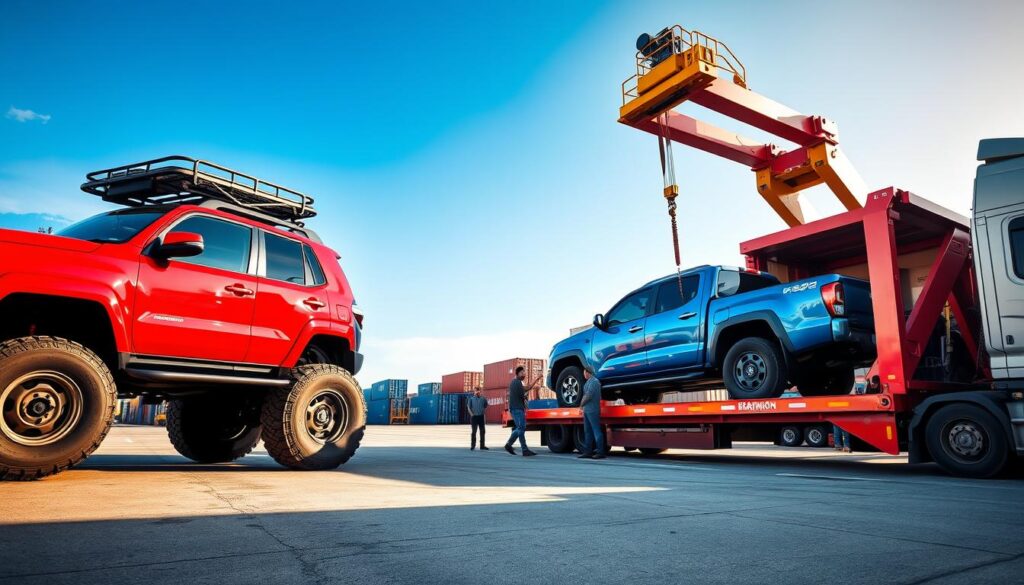
Transporting a large unit safely starts with a detailed assessment of size, route, and equipment needs. Auto transport experts measure dimensions and weight to pick the right carrier and gear.
When models exceed standard limits, teams secure special trailers, permits, and escorts to meet state and federal rules. This reduces delays and protects your asset during transit.
A comprehensive plan covers every step: initial pickup, secure loading, transit updates, and door delivery. Clear timelines and professional drivers shorten risk and uncertainty.
- Specialized equipment: rated for extra height and weight.
- Regulatory compliance: permits and route approvals.
- Carrier network: vetted partners across states for consistent service.
Choosing experienced auto transport services yields accurate quotes, dependable pickup windows, and careful handling across distance. Reliable reviews and past experience help customers pick the right company for their shipment.
Why Specialized Transport is Necessary
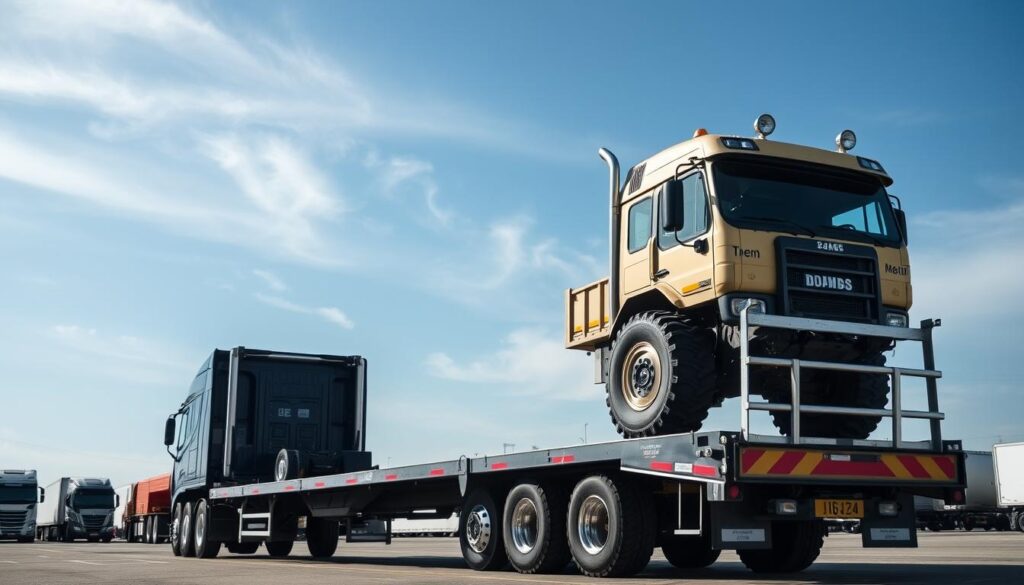
Large-unit moves demand tailored equipment and exact load planning to keep every shipment safe. Standard trailers cannot meet extreme weight and dimension needs. That makes specialized service mandatory.
Weight Considerations
Precise weight distribution prevents trailer overload and loss of control. Experts calculate axle loads and secure cargo to avoid shifts during transit.
Clearance and Height Restrictions
Height limits matter on long routes. Teams map clearances, bridges, and low foliage. Permits and escort vehicles are scheduled when required.
- Specialized trailers: built to support heavy frames.
- Route planning: avoids restrictions and delays.
- Regulatory compliance: permits and state rules handled end-to-end.
| Need | Solution | Benefit |
|---|---|---|
| Excess weight | Reinforced trailer and load plan | Safer transit and legal compliance |
| Height limits | Clearance survey and permits | On-time delivery and no detours |
| Route restrictions | Alternate routing and escorts | Reduced delays and damage risk |
Professional teams coordinate carriers, permits, and timelines so customers get secure delivery and clear quotes. Learn about specialized hauling partners at auto hauler companies.
Assessing Your Vehicle Dimensions and Requirements
Begin with exact exterior measurements and clearance checks to match your load to the right trailer.
Accurate length, width, and height guide the team when they evaluate whether a move counts as oversized. Small modifications can change overall size, so detail any lifts, racks, or attachments.
A condition inspection documents dings and features before loading. This protects the owner and the carrier and speeds claims handling if needed.
- Provide exact measurements and photos.
- Note special equipment or nonstandard tires.
- Confirm pickup and delivery access for large trailers.
| Assessment Item | Why It Matters | How It Affects Transport |
|---|---|---|
| Exterior dimensions | Defines permit needs | Determines trailer and escort requirements |
| Modifications | Alters clearance profile | May require custom loading plans |
| Site access | Ensures safe pickup/delivery | Affects timing and carrier availability |
Providing complete details helps secure the correct carrier and timely delivery. For a tailored estimate, request a vehicle shipping estimate.
Benefits of Professional Auto Transport Services
Skilled logistics teams coordinate permits, equipment and drivers to protect high-value loads.
Professional auto transport brings tested procedures and trained crews. They secure heavy equipment to industry standards. This lowers risk and speeds transit.
Expertise in Heavy Equipment
Teams assess weight, balance, and attachment points before loading. That prevents shifts and damage during transport.
Drivers and riggers with heavy-haul experience follow strict loading protocols. They use reinforced straps, custom cradles, and rated trailers to protect your asset.
- Safety: vetted drivers and inspected carriers reduce incidents.
- Network: access to specialized carriers cuts wait time and improves availability.
- Support: dedicated coordinators handle permits, routing and pickup details.
“Professional handling means fewer delays, clearer quotes, and reliable delivery.”
For Spanish-speaking customers, see our transportation options at transporte de carros.
Comparing Open and Enclosed Carrier Options
Trailer selection shapes how well a high-value unit resists road debris, weather, and handling during transit.
Open trailers are widely available and often cost less. They suit durable models and shorter trips. Availability is higher, which can speed pickup and reduce wait time.
Enclosed transport adds a layer of protection. This option shields against debris, salt, and weather. It is recommended when a customer ships a rare or high-value model.
Auto transport specialists evaluate carrier availability and match the right trailer to the unit. They balance protection needs against cost and transit time.
- Protection vs price: enclosed gives more care but raises cost.
- Scheduling: open has greater carrier availability and faster pickup windows.
- Security: enclosed reduces exposure during long-distance delivery.
Customers get clear quotes and real-time monitoring to secure the chosen service. For direct assistance call (307) 288-5972 or email info@bestcarshippinginc.com.
Factors Influencing Your Shipping Quote
Estimating cost combines measurable miles and variable market factors that affect every leg of transit.
Distance and Route Complexity
Distance directly shapes the price. Standard transit time is about 1 day per 500 miles. Longer distances raise labor and carrier scheduling needs.
Route complexity adds cost. Narrow roads, bridge clearances, and permit needs can require special equipment and escorts. Experts analyze those factors to produce a transparent quote.
Fuel Price Fluctuations
Fuel affects operational costs every day. When prices climb, shipping cost and carrier rates rise. The team monitors market changes and updates quotes to reflect current fuel expenses.
Seasonal Demand
Peak seasons increase carrier demand and may reduce availability. Booking during quieter months can lower prices and improve pickup windows.
“A clear, itemized quote helps customers understand what they pay and why.”
- Transparent quotes break down distance, fuel, and permit fees.
- Planners consider weather and route to limit delays and extra costs.
- Early booking helps secure better rates and carrier availability.
Preparing Your Oversized Vehicle for Transit
Proper preparation ensures a smoother, safer move and fewer surprises at pickup. A short, clear checklist helps customers and drivers confirm readiness. This lowers risk and reduces loading time.
Remove personal items and keep total weight under 100 pounds. Excess weight can affect balance and may void carrier terms.
Keep fuel at about a quarter tank. That level allows safe loading and gives the driver room to operate equipment.
- Clean exterior and interior so inspectors can document condition accurately.
- Disable alarms and secure loose parts or accessories before pickup.
- Confirm access at pickup and delivery to avoid unexpected delays.
Use a vehicle checklist supplied by the auto transport team to track each step. Staff will review notes and answer questions prior to transit.
“Clear preparation makes every shipment faster and safer.”
For help, contact customer support at (307) 288-5972 or email info@bestcarshippinginc.com. Staff will walk through each item and confirm carrier availability and timing.
Navigating Pickup and Delivery Logistics
Pickup and delivery often require custom staging when standard residential access blocks safe loading and unloading.
The team evaluates site access early. They check driveway width, overhead clearances, and street parking to decide if a doorstep move is feasible.
If access is restricted, the carrier arranges a nearby meeting point. Large parking lots, commercial zones, or public ramps can serve as safe staging areas for pickup delivery.
Addressing Residential Access Challenges
Drivers coordinate timing and exact location with the customer to avoid delays and reduce neighborhood disruption.
Staff plan for obstacles like narrow lanes or low-hanging foliage before transit. This reduces on-site adjustments and limits extra time or cost.
- Confirm access photos and measurements before pickup.
- Identify alternate staging to protect the vehicle and public property.
- Provide real-time updates during transit and at arrival.
Result: a smoother pickup delivery process that prioritizes safety and timely service. Customers get clear quotes, steady communication, and a coordinated auto transport experience from first call to final delivery.
Safety Protocols for Large Vehicle Handling
Handling large-scale transports demands step-by-step safety checks and trained crews at every handoff.
Strict procedures guide every pickup and load. Teams inspect tie-down points, balance, and braking clearances before moving a unit.
Specialized equipment—rated straps, reinforced ramps, and custom cradles—prevents movement during long transit and under changing weather conditions.
Drivers and logistics coordinators monitor each carrier continuously. They verify compliance with load plans and safety checklists during stops.
- Pre-load inspection: document condition and secure loose parts.
- Mid-route checks: confirm tension and balance at scheduled intervals.
- Post-delivery review: record final condition and confirm safe delivery.
“Safety protocols reduce risk and protect high-value assets.”
These standards lower cost and time risk by preventing damage and delays. For a dependable local option, see our Scottsville service page at Scottsville auto transport services or contact (307) 288-5972 or info@bestcarshippinginc.com.
Insurance Coverage and Liability Protection
Clear liability rules and solid coverage make complex transports manageable and predictable.
Comprehensive insurance is a standard part of this auto transport offering. Policies cover damage during loading, transit, and unloading to reduce client risk.
Each car transport job includes liability protection. That safeguards the asset against accidents, theft, and roadside incidents.
Before any move, carriers are vetted to confirm adequate insurance limits. Staff verify certificates and policy scopes to ensure continuous protection while teams ship car units.
Transparency matters. Customers receive clear explanations of coverage limits, deductibles, and claim steps. This removes surprises and speeds resolution if an incident occurs.
Responsibility and communication are priorities. The company accepts accountability from pickup through final delivery and keeps clients informed at every stage.
“Robust insurance and clear liability make ownership transfer safer during transit.”
- Verified carrier insurance and certificates on file.
- Itemized overview of protection and claim procedures.
- Dedicated support to answer coverage questions: (307) 288-5972 or info@bestcarshippinginc.com.
Managing Seasonal Transport Demands
Seasonal peaks shift demand and require proactive planning to maintain timely moves.
Carrier availability tightens during spring and late summer. The team advises early booking to secure reliable lanes and reduce wait times.
Customers who need extra protection should request enclosed transport early. That ensures space on protected trailers when demand spikes.
Winter months bring variable weather conditions that slow transit and force route changes. Planners add buffer days and safety checks to protect each unit.
Staff monitor market trends and keep a vetted network of carriers ready to handle seasonal shifts. They offer timing advice to help owners avoid peak windows and lower cost.
“Advance planning and a flexible timeline reduce delays and protect high-value moves.”
To secure a slot and get an accurate estimate, get an accurate quote or call (307) 288-5972. The team provides consistent service year-round and clear answers about availability and transport options.
Real-Time Tracking and Communication
Real-time visibility keeps owners informed at every step. The tracking portal shows live location and an updated ETA so customers can plan around pickup delivery windows.
Staff send scheduled notices and on-demand updates during transit. This constant communication reduces surprises and keeps timelines clear.
When a unit is en route, clients can view up-to-the-minute position reports and estimated arrival time. The portal ties dispatch notes to each update, so status changes are easy to follow.
- Live tracking: monitor location from origin to arrival.
- Direct contact: a dedicated coordinator answers questions during transit.
- Automated alerts: ETAs and exception notices delivered by text or email.
“Transparent tracking and steady communication provide peace of mind from pickup through final delivery.”
Contact customer support at (307) 288-5972 or info@bestcarshippinginc.com for real-time access and status checks until final delivery.
Handling Inoperable or Non-Running Vehicles
Inoperable models need a tailored approach that combines winches, ramps, and trained riggers for safe pickup. Technicians perform an on-site assessment to decide how to recover and load a disabled unit.
Extra equipment and labor raise the overall transport expense. The car shipping cost for non-running units typically reflects added winch time, rigging, and careful securement.
Staff verify access, note fluid leaks, and check mounting points. That lets them pick the right trailer and tie-down method. Teams secure each unit to prevent movement during transit.
Transparent pricing is standard. Customers receive a clear breakdown of the shipping cost, with line items for recovery labor and special equipment. This helps owners compare value and risk.
Experienced crews move non-running units with the same care as standard loads. For questions or to arrange an assessment, call (307) 288-5972 or email info@bestcarshippinginc.com.
Choosing the Right Shipping Partner
Selecting a dependable transport partner starts with verifying carrier credentials and real-world performance data. This step sets expectations for safety and timing.
Compare total shipping cost and service scope, not just the headline rate. Ask for an itemized quote that lists permits, escorts, and fuel surcharges to reveal true shipping cost.
Evaluate transport services by checking carrier insurance, recent reviews, and claims handling. A transparent provider explains how car shipping cost breaks down and answers questions clearly.
Choose a partner with proven procedures and trained crews. Reliable transport services reduce risk and speed delivery. Request references and confirm certificates before booking.
- Transparency: no hidden fees on car shipping cost.
- Accountability: verified insurance and vetted crews.
- Communication: real-time updates during transit.
Best practice: get multiple quotes, review terms, and pick the option that balances price with protection. For help, contact the team at (307) 288-5972 or info@bestcarshippinginc.com.
Conclusion
A precise plan and skilled crews make large-unit moves predictable and secure.
Professional expertise ensures compliance with federal and state rules while protecting high-value loads. Customers gain access to specialized equipment and vetted carriers that match size and weight needs.
Transparent pricing and real-time tracking keep owners informed and confident from first contact through final pickup delivery. Proper preparation and clear communication reduce surprises and speed each handoff.
The company’s commitment to quality service means every transport is handled with care and professionalism. Call (307) 288-5972 or email info@bestcarshippinginc.com to discuss a tailored plan.