
Moving an SUV across the United States requires planning that protects the vehicle and controls the final price. Professional transport offers a safe, convenient option to avoid extra miles and wear.
Size, route, and seasonal demand are the main factors that drive fees. Larger models take more space on a trailer, which can increase rates. Peak summer months often push prices higher due to greater demand.
This guide breaks down what affects the shipping cost and how to choose reliable carriers. It also explains the trade-offs between open and enclosed transport and what to expect during pickup and delivery.
For sample pricing and an overview of distance-based rates, see a detailed breakdown and quote options at how much it costs to ship a.
Key Takeaways
- Size and weight influence the final rate; bigger vehicles often cost more.
- Demand and seasonality, like summer, can raise prices and limit carriers.
- Open transport is cheaper; enclosed transport offers extra protection.
- Compare quotes and verify carrier insurance and licensing before booking.
- Simple prep steps—document condition and reduce fuel—help avoid delays.
Understanding Car Shipping for SUVs: Cost and Tips
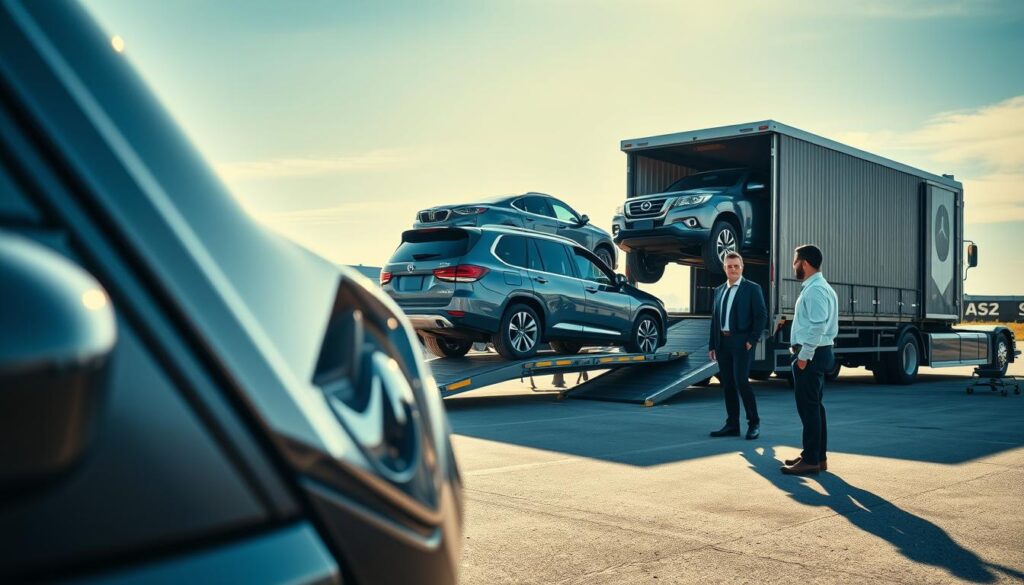
Owners of larger vehicles must understand how size, weight, and carrier choice change the overall quote. Specialized handling matters because heavy, tall models need different loading and tie-down methods than smaller cars.
In 2026 the auto transport market keeps evolving. Reputable companies evaluate dimensions and weight to match the right carrier to each vehicle. This assessment influences final rates and transit time.
Reliable services secure the load before pickup to reduce damage risk. Customers who plan shipments early often get better prices and flexible delivery windows.
“Choose carriers that document condition and provide clear quotes; that prevents surprises at delivery.”
- Space needs: Larger vehicles use more trailer room, which can raise the price.
- Carrier fit: Proper straps and ramps matter for safe transit.
- Advance planning: Booking early improves options and may lower rates.
For help with a quote or to discuss secure transport, contact BestCarShippingInc at info@bestcarshippinginc.com or call (307) 288-5972.
Why SUVs Require Specialized Transport Attention
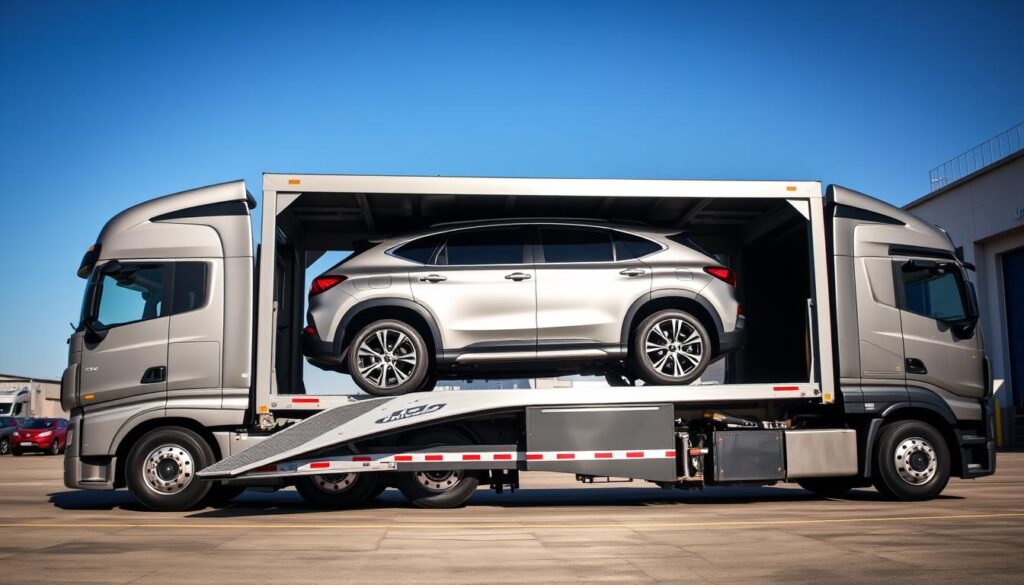
Transporting larger models requires precise planning to meet safety rules and avoid delays.
Weight Considerations
Heavy vehicles often push trailer limits. Car shipping firms must follow DOT load rules. That means a carrier will verify gross weight and axle specs before pickup.
When a vehicle exceeds standard limits, carriers may assign a dedicated spot. This reduces available capacity and can raise the final price and per-mile rates.
Height and Clearance
The increased height of modern models affects deck placement. Many double-decker trailers restrict upper-deck loading. That forces planners to reserve lower positions or use specialty trailers.
Customers who ship a model with lift kits or oversized tires must disclose modifications. Proper disclosure prevents damage and avoids delays at delivery.
| Dimension | Typical Impact | Carrier Response |
|---|---|---|
| Gross weight | Reduces trailer capacity | Weight verification; dedicated slot |
| Overall height | May limit deck placement | Lower-deck loading or specialty trailer |
| Custom mods | Risk of damage if undisclosed | Pre-shipment disclosure; adjusted quote |
“Accurate specs help logistics teams match the right trailer and avoid surprises.”
- Specialized straps and ramps protect roof and undercarriage.
- Proper positioning maintains trailer balance during transit.
- Reputable companies verify dimensions to provide an accurate quote.
Average Costs for Shipping Large Vehicles
Average national rates show larger models often carry a measurable premium over smaller sedans.
In 2026 the average national auto transport fee sits near $1,200. Larger models typically push that number higher.
Heavier vehicles cost more per mile. Carriers quote based on length, height, and weight. That keeps the final price transparent.
Reliable companies provide a clear breakdown so customers see how distance and vehicle size affect totals.
- Quotes reflect specific dimensions and expected miles.
- More trailer space needed means higher rates.
- Demand spikes during peak seasons can raise prices nationwide.
“Provide exact vehicle details to secure an accurate quote and avoid surprise adjustments.”
Compare offers from multiple carriers. For a sample market quote, review how much is car shipping.
Factors That Influence Your Final Price
What you pay depends on a mix of vehicle condition, pickup logistics, and route demand.
Vehicle Condition
Operational status matters.
If a vehicle cannot roll or steer, carriers must use a winch. That service commonly adds $100 to $300 to the bill.
Pickup Locations
Urban terminals near major highways usually lower fees. Remote rural areas raise access time and labor, which increases the price.
Route Popularity
High-traffic corridors offer more carriers and better rates. Routes like Florida to New York are often more competitive, while thin lanes drive up rates.
- Flexible pickup and delivery dates let carriers bundle loads and reduce your price.
- Weight and truck type influence quoted rates and final invoice.
- Sherpa Auto Transport’s Price Lock Promise guarantees the quoted figure at booking.
| Factor | Typical Impact | Typical Extra Fee |
|---|---|---|
| Inoperable vehicle | Requires winch/winch team | $100–$300 |
| Rural pickup | Longer access time | Higher local surcharge |
| Popular route | More carriers, lower rates | Lower per‑mile price |
“Accurate details and flexible timing lower surprises at delivery.”
Comparing Open and Enclosed Transport Options
Choosing between open and enclosed trailers shapes both protection and final price for large models.
Open transport is the most common, budget-friendly method. About 90% of Sherpa customers choose this option because it reduces price and transit time.
Enclosed transport offers superior protection from road debris and severe weather. This option suits luxury or classic vehicles that must arrive in pristine condition.
- Only about 5% of carriers run enclosed trailers, so availability is limited.
- Enclosed service typically costs roughly 50% more than open trailer transport.
- Fewer vehicles per trailer means higher rates but better protection.
Companies will help match the right service to a customer’s budget and protection needs. The choice affects final costs, the delivery window, and how many miles a carrier can bundle on the route.
“Select enclosed when protection outweighs price; choose open when efficiency and lower rates matter.”
How Distance Impacts Your Per-Mile Rate
Long runs and short hauls follow different pricing logic that affects per‑mile rates. Carriers allocate fixed expenses—drivers, loading, permits—across each job. That math changes the quoted figure.
Short vs Long Distance Economics
Short moves (0–500 miles) usually carry a higher per‑mile figure. Expect roughly $1.60 to $2.60 per mile on these runs.
Fixed operational costs make brief trips less efficient. Drivers spend similar time on paperwork and handling whether the run is 50 or 400 miles. That raises the per‑mile rate.
Long-distance routes lower the per‑mile price because carriers use fuel and hours more efficiently. Cross‑country transport increases the total invoice but lowers the rate per mile.
- Open transport often provides the best per‑mile value on long routes.
- Remote pickup or delivery locations can add local surcharges regardless of miles.
- Professional companies will analyze distance and route to give an accurate quote.
“Understanding route economics helps customers plan budgets and choose the most efficient service.”
To compare options and get an exact estimate, request a quote from a trusted carrier.
Preparing Your SUV for Safe Transit
Simple pre-shipment steps protect the vehicle and speed up handling at the terminal.
Clean the exterior so inspection is clear. A visible surface makes it easier for the carrier to note existing marks.
Remove all personal items and valuables. Most carriers will not accept extra weight or loose contents inside the interior. This also reduces liability and prevents loss during the trip.
Keep the tank about a quarter full. That provides enough fuel to drive on and off the trailer while minimizing weight. Disable toll responders and aftermarket alarms to avoid battery drain.
Check tire pressure and battery health. A charged battery and correct tire pressure let the crew move the vehicle safely at pickup and delivery.
Document condition with dated photos before the carrier arrives. Clear images provide proof in case of transit damage.
“Proper preparation protects the vehicle and helps carriers keep to the delivery schedule.”
Professional companies offer a checklist to assist owners. For a route-specific checklist, see the Florida to North Dakota guide.
The Role of Fuel Prices in Auto Transport
Fuel price swings directly change what carriers bill per mile and how they route loads.
Diesel is one of the largest operating expenses for transport firms. When global oil costs rise, many carriers add a fuel surcharge. That surcharge increases the overall shipping cost customers see on invoices.
Heavier, less aerodynamic vehicles consume more fuel during transit. That increased consumption is a key reason larger vehicles often carry higher shipping costs than smaller models.
Peak Summer Shipping
During summer, demand rises. Higher demand plus higher pump prices can push prices up further.
Companies may prioritize fuel-efficient lanes and consolidate loads. This can affect availability and delivery windows.
Winter Weather Delays
Cold months can increase fuel use and slow transit times. Delays add labor and idling costs that carriers factor into their rates.
“Book early to lock a rate and reduce exposure to sudden fuel spikes.”
- Professional companies monitor fuel trends to keep quotes accurate.
- Investments in efficient trucks and route planning help control prices over time.
- To compare estimated charges, review an auto shipping cost breakdown.
Navigating Seasonal Demand and Pricing
Seasonal peaks change availability and push rates higher for many vehicle moves.
During peak summer months, high demand often raises the shipping cost and extends lead times. Customers should expect prices to climb roughly 10% to 20% during busy windows.
Winter brings different risks. Snow, ice, and holiday schedules can delay delivery and make December one of the most expensive months to move a vehicle.
Book early. Professional carriers advise reserving at least two weeks before a summer pickup to secure availability and better rates. February is commonly one of the most affordable months when demand is low.
“Plan around seasonal trends to avoid peak rates and ensure a reliable experience.”
- Carriers adjust routes due to weather and road conditions, which can change arrival time.
- Flexible dates let carriers bundle loads and lower final costs.
- Understanding how demand affects rates helps customers pick the best time to move a vehicle.
For guidance on timing and to reserve a window, contact BestCarShippingInc at info@bestcarshippinginc.com or call (307) 288-5972.
Selecting a Reputable Shipping Company
Choosing a trusted transport partner begins with verifying reputation, licensing, and clear pricing.
Sherpa Auto Transport holds a 4.9 out of 5 star rating from thousands of reviews. That level of feedback signals consistent service and reliable carriers.
Ask for a written quote that lists all fees. A clear contract protects customers from hidden costs that some companies may add later.
Check the Better Business Bureau to review complaint handling and resolution history. Confirm that the provider vets drivers and maintains proper insurance.
- Avoid offers that are far below market rates; those often indicate poor service or scams.
- Choose firms that provide regular updates during transit. Timely communication gives peace of mind.
- Ask specific questions about liability and load handling before booking.
“Reputable companies combine rigorous carrier vetting with transparent pricing to protect your vehicle.”
To compare options and get an accurate estimate, request a vehicle shipping estimate. Research ensures the vehicle is entrusted to specialists who prioritize safety and service.
Understanding Insurance and Liability Coverage
Insurance rules determine who pays after a transit incident and shape how carriers handle claims.
Every reputable auto transport company must carry liability insurance to cover potential damage while a vehicle is in transit.
Ask the carrier to show a current insurance certificate before loading. That verifies active coverage and limits.
Reviewing Carrier Liability
Know the difference between carrier coverage and optional protection you may buy.
- Enclosed transport often includes higher insurance limits for high-value models.
- Most policies include deductibles—clarify who pays these if a claim is filed.
- Document condition with dated photos at pickup and delivery to support any claim.
| Item | What to Verify | Why It Matters |
|---|---|---|
| Insurance certificate | Active policy, limits | Ensures carrier liability if damage occurs |
| Deductible | Amount and payer | Determines immediate out-of-pocket costs |
| Optional protection | Supplemental coverage options | Provides extra protection beyond carrier limits |
“Professional companies will guide customers through coverage so claims are handled correctly.”
If questions remain, contact BestCarShippingInc at info@bestcarshippinginc.com or call (307) 288-5972.
Tips for Lowering Your Total Shipping Expense
Small choices before booking can shave hundreds off the final transport cost. Choose an open transport option when protection needs are standard; this option is often much more affordable than enclosed transport.
Book well in advance to secure better rates. Early booking gives leverage to negotiate a fair price and ensures access to top carriers.
Be flexible with pickup and delivery dates. Carriers give discounts when loads fit their schedules, which lowers final shipping costs and improves timing.
Ask about discounts for military, students, or multiple units. Terminal-to-terminal delivery can reduce the invoice if you can drop off and retrieve the vehicle.
“Compare multiple quotes to avoid overpaying; simple flexibility often yields the best value.”
- Avoid expedited service unless necessary; it raises the price sharply.
- When moving several vehicles, request a multi-vehicle discount to lower per-unit cost.
Request a written quote and confirm pickup details before payment. For assistance call (307) 288-5972 or email info@bestcarshippinginc.com.
What to Expect During Pickup and Delivery
Expect clear, step-by-step checks at pickup to confirm vehicle condition before the load departs.
The carrier will perform a full inspection and record any existing scratches or dents on the bill of lading. Owners should have photo documentation ready to match that report.
Sherpa shipments allow up to 100 lbs of personal items stored in the trunk below the window line. This helps when a short load requires small essentials to travel with the vehicle.
The carrier gives an estimated delivery window, but road construction, weather, or distance changes may alter the final arrival day. For moves under 500 miles the process is often faster and may complete in just a few days.
“Perform a final inspection with the driver and photograph any new damage before they leave.”
| Stage | What Happens | Customer Action |
|---|---|---|
| Pickup | Inspection, bill of lading signed | Present ID, documents, photos |
| Transit | Carrier updates location and schedule | Monitor messages; note per mile changes if any |
| Delivery | Final inspection and handoff | Compare condition, sign report, take photos |
Keep paperwork handy and confirm pickup areas and times in advance. For a quick estimate of travel distance and shipping cost, use the vehicle shipping calculator to plan around delivery windows and expected miles.
Conclusion
A clear plan and a trusted carrier turn a complex vehicle move into a predictable process.
Understand the main drivers of your shipping cost and you will reduce surprises. Prioritize reputable carriers, verify insurance, and document condition at pickup and delivery. These steps protect the asset and limit disputes.
Choose open or enclosed transport based on value and risk. Expect lower per mile rates on longer routes and higher shipping costs when demand or special handling is required.
If you need help to ship car assets or to get a tailored estimate, contact the team at info@bestcarshippinginc.com or call (307) 288-5972. Reliable partners make the difference.