
Simplifying vehicle transport saves time and money while protecting your investment. Sherpa Auto Transport remains a top choice for reliable, transparent vehicle shipping in 2026. Their licensed carriers provide clear quotes and steady communication.
The guide below shows practical ways to save money and still get quality service. Short pickup windows and expedited requests raise prices. Flexible dates and open transport often cut fees without risking safety.
Disclose vehicle details up front and compare quotes from vetted companies. Use an online calculator and confirm with a coordinator for accurate pricing. For a quick estimate, try our vehicle shipping estimate.
Insurance, clear timelines, and honest communication keep surprises low. Whether door-to-door delivery or terminal pickup is needed, this approach helps owners plan and save.
Key Takeaways
- Choose flexible pickup dates to lower final prices.
- Compare transparent quotes from licensed carriers.
- Prefer open transport for standard vehicles when safe.
- Provide accurate vehicle details to avoid re-quoting.
- Confirm insurance and service inclusions before booking.
Understanding Current Car Shipping Costs
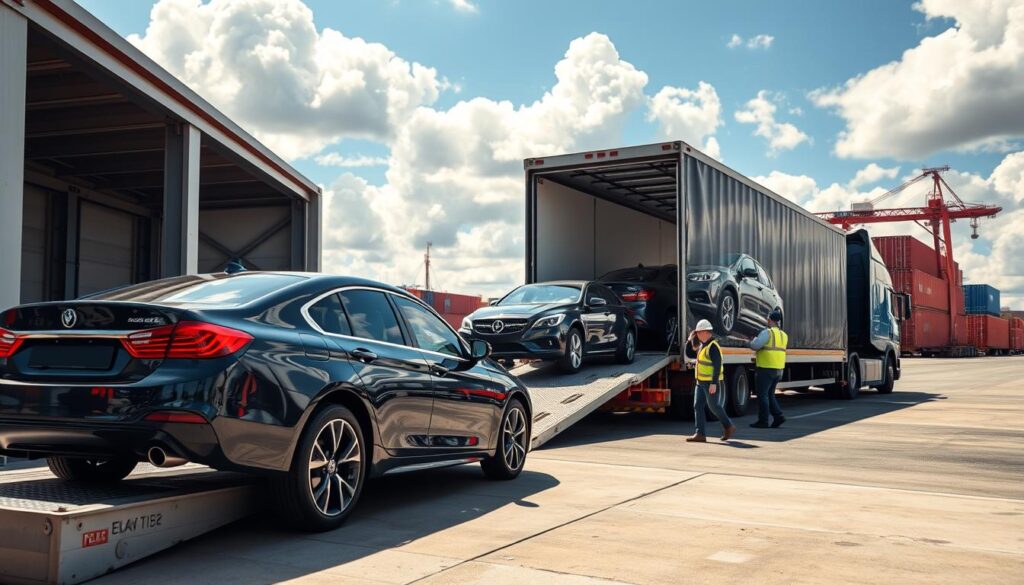
Current market figures give a clear snapshot of what owners can expect when arranging vehicle transport in 2026. This brief overview highlights typical rates and the main elements that shape final quotes.
Average Market Rates
Average fee: In 2026, the average car shipping price is about $1,200. Short-distance moves (0–500 miles) generally run between $1.60 and $2.60 per mile for standard operable vehicles.
Factors Influencing Estimates
Several factors change the final cost. Carrier availability, current fuel pricing, vehicle weight and size, route demand, and total distance all play roles.
| Factor | Typical Effect | Notes |
|---|---|---|
| Distance / Miles | Lower per-mile on long hauls | Long routes often reduce per-mile rates |
| Vehicle Type | Higher for oversized or luxury cars | Weight and dimensions affect carrier assignments |
| Route Demand | Surge on popular corridors | Plan flexibly to avoid peak premiums |
| Carrier Supply | Availability impacts quotes | More carriers = better competitive pricing |
Clear quotes and an understanding of market rates help owners compare offers and pick reliable carriers. Accurate vehicle details lead to steadier pricing and fewer surprises.
How to Lower Your Car Shipping Cost

Securing reservations well ahead of move dates often produces the most competitive vehicle quotes. Early booking gives carriers time to plan. That reduces the need for last-minute premium pricing.
Flexibility with pickup and delivery windows lets carriers consolidate loads. That is one simple way people save money. Open transport is usually the most affordable method for standard vehicles.
Ask about discounts for students, military families, and first responders. Many companies offer reduced rates that cut final costs without lowering service quality.
Compare multiple quotes from reputable carriers. Check reputation and insurance before booking. Planning ahead avoids expedited fees and peak-season surcharges.
- Book early for better rates.
- Keep dates flexible to lower per-mile charges.
- Choose open transport when appropriate.
- Request discounts and verify carrier reviews.
Need an estimate? Use our auto shipping cost calculator for a quick quote and next steps. For help, contact (307) 288-5972 or email info@bestcarshippinginc.com.
The Impact of Distance on Transport Pricing
Where a vehicle starts and ends dramatically affects final transport pricing. Short trips under 500 miles usually cost more per mile. Carriers still charge fixed handling and pickup fees that make short runs less efficient.
On long corridors, the total price rises but the price per mile drops. Routes beyond 1,500 miles let carriers fill trailers and spread fixed fees over many miles.
Key points for owners:
- Longer hauls often mean lower per-mile rates.
- High-demand locations can raise final quotes.
- Consider total distance when you evaluate multiple offers.
Best practice: Ask providers for route data and demand forecasts. Our logistics team monitors major corridors and offers clear, comparable estimates. That helps owners pick fair, reliable auto transport options and control overall costs.
Choosing the Right Transport Method
Picking a transport method balances protection needs with budget and route choices. Owners should first evaluate the vehicle’s value and exposure to weather and road debris.
Open Transport Benefits
Open trailers handle most car shipping jobs. Over 90% of Sherpa customers choose this approach because it is efficient and cost-effective.
Open transport moves vehicles quickly and works well for daily drivers. Many companies offer discounts for standard open trailer requests.
Enclosed Carrier Protection
Enclosed carriers provide full protection from weather and road debris. This method typically costs about 50% more than open trailers.
Enclosed transport suits classic and luxury vehicles. Availability is limited, so booking early is essential.
- Terminal pickup can save money versus door delivery in some cases.
- Carriers use specialized equipment to secure each truck or sedan on trailers.
- Remove loose items and evaluate vehicle value before booking a premium method.
Need guidance? See our top transport tips for planning and discounts.
Seasonal Trends and Their Effect on Rates
Seasonal demand shifts often shape final rates for auto transport and influence available pickup windows.
Summer months and January are common peak periods. During these times, demand rises and carriers fill capacity quickly.
Higher demand usually pushes prices up. Enclosed transport becomes scarce and premiums appear on some routes.
Winter weather in northern states can slow delivery times. Road conditions and safety checks add time and occasional reroutes.
Fuel costs also affect final quotes. When demand is high nationwide, fuel surges magnify rate increases.
Owners should avoid the busiest holiday windows when possible. Flexibility with pickup dates often uncovers better rates.
- Plan early for peak months.
- Expect limited enclosed transport during high demand.
- Ask carriers about route and weather contingencies.
Need a benchmark? Check current car shipping prices for up-to-date comparisons. Our logistics team monitors road and carrier availability year-round and can suggest the best timing for vehicle transport.
Why Fuel Prices Influence Your Quote
Fuel is a core variable that carriers must price into every long-distance transport plan.
Fluctuating fuel prices drive many moves in final car shipping figures. When diesel rises, carriers often add surcharges or raise base rates. That change shows up in the customer quote quickly.
Carriers also pick routes that save fuel. Pickup and delivery locations matter because efficient routing cuts miles and keeps rates competitive.
- Higher oil prices commonly trigger surcharges on long runs.
- Fuel-efficient routing reduces total miles and lowers the final price.
- Transparent quotes should show fuel impacts clearly before booking.
For owners who need to ship car across long distance, fuel consumption is a major cost component. BestCarShippingInc works with a network of reliable carriers to manage fuel exposure and offer fair quotes.
| Factor | Fuel Impact | What Customers See |
|---|---|---|
| Route distance (miles) | Higher consumption on longer routes | Higher total price; lower per-mile on long hauls |
| Diesel price swings | Direct surcharge or base-rate increase | Quote adjustments between booking and pickup |
| Route demand and traffic | Less efficient routing raises fuel use | Possible higher final rates during peak demand |
| Carrier routing strategy | Fuel-efficient routes lower consumption | More competitive quotes and fewer surcharges |
Need clear figures? Request transparent auto shipping quotes and the logistics team will show how fuel affects the final amount. Call (307) 288-5972 or email info@bestcarshippinginc.com for help.
Benefits of Flexible Pickup and Delivery
Certain moves gain the most when customers shift pickup or delivery by a few days. This simple change gives carriers room to group loads and optimize a route.
Flexible windows typically lower final prices. Carriers reward schedules that reduce deadhead miles and idle time. That often translates into better rates for the shipper.
Choosing a terminal pickup instead of door service can cut fees. Terminals make routing easier for companies and shorten handling time for drivers.
During peak demand, flexibility becomes critical. A broader window helps secure space and avoid surge pricing. Allowing an extra few days gives carriers options that save money.
- Coordinate with reliable carriers for a balance of time and price.
- Ask the team about available discounts when windows are flexible.
- Use terminal delivery when schedules and distance make sense.
Best practice: Discuss timing priorities with the provider. The company will structure the move to protect the vehicle and meet budget goals while keeping transit time reasonable.
Preparing Your Vehicle for Transit
Simple pre-shipment steps speed inspections and limit issues at pickup. Proper prep saves time and reduces the chance of unexpected fees or delays during the transport process.
Cleaning Your Vehicle
Wash and vacuum the vehicle inside and out. A clean car makes the inspection clear and fast. This helps carriers note existing damage and speeds the delivery process.
Removing Personal Items
Remove valuables and all personal items. You may keep up to 100 lbs in the trunk or below the window line if necessary. Excess weight affects the vehicle weight and may change the final quote.
Checking Mechanical Condition
Confirm the vehicle rolls, brakes, and starts. Keep the tank about one-quarter full to lower weight. Secure antennas, mirrors, and loose parts against road and weather exposure.
If the vehicle is inoperable, inform the carrier ahead of pickup. Specialized loading methods or a terminal transfer may be required. BestCarShippingInc offers a checklist and guidance for each step to ensure safe, efficient auto transport.
Leveraging Discounts and Special Offers
Special offers and targeted discounts can meaningfully reduce what you pay for vehicle transport. Asking about available promotions is fast and effective.
Many auto transport companies provide discounts for military personnel, students, and first responders. These programs help owners save money without lowering service quality.
Ask about multi-vehicle pricing when shipping more than one car. Bundled rates often beat single-vehicle quotes.
- Price Lock Promise®: Sherpa Auto Transport guarantees the quote is the price you pay.
- Check seasonal deals that reduce rates on select routes.
- Call experts at (855) 631-1128 for current promotions and tailored quotes.
Smart use of discounts is an easy way to cut costs while keeping reliable service. Companies that publish transparent prices and support customers make budgeting simpler.
Evaluating Carrier Vetting and Insurance
A robust vetting routine and transparent insurance details are the backbone of reliable auto transport.
Thorough carrier screening ensures the vehicle is handled by trained, licensed drivers. BestCarShippingInc partners only with carriers that hold comprehensive liability insurance and meet strict maintenance standards.
When requesting a quote, customers receive full insurance information. That includes liability limits and any extra coverage for enclosed transport. Transparent policy details reduce surprises at pickup and delivery.
Sherpa Auto Transport maintains a 4.9 out of 5 star Total Review Score. This rating reflects consistent service, careful carrier selection, and clear communication throughout the shipping process.
- Carriers must pass safety and background checks.
- Insurance coverage is disclosed in every shipping agreement.
- Open and enclosed transport vendors face the same vetting standards.
Peace of mind matters. The team manages the full process, from carrier selection to final delivery, so owners can trust their vehicles are in professional hands. For questions, call (307) 288-5972 or email info@bestcarshippinginc.com.
The Role of Vehicle Size and Condition
Vehicle size and mechanical condition directly shape final transport quotes and carrier availability.
Larger vehicles such as SUVs, trucks, and modified vans occupy more trailer space. That often raises the price because fewer units fit per load.
An inoperable vehicle requires special equipment and extra time at pickup. Those handling needs increase both the total price and transit time.
Weight and dimensions are used in every accurate quote. Disclose any lift kits, wide tires, or extended bumpers so the dispatcher can plan the route and carrier assignment.
Whether open or enclosed transport is chosen, size affects carrier choices and rates. Enclosed transport has stricter space limits and can add a premium for larger vehicles.
- Provide exact measurements and current operability when booking.
- Ask about options for oversized vehicles and available discounts.
- Work with vetted companies that specialize in safe handling of heavy or modified vehicles.
Accurate information at booking reduces surprises at pickup and speeds delivery. For questions, call (307) 288-5972 or email info@bestcarshippinginc.com.
Avoiding Common Shipping Pitfalls
Skipping a carrier background check is one of the fastest ways to add risk and expense. Always verify license, insurance, and reviews before accepting the lowest quote.
Be precise about pickup and delivery locations. Unclear addresses cause delays, added miles, and surprise fees. Give the carrier exact terminal or door instructions.
Plan moves during off-peak days when possible. Peak months and holiday windows increase rates and extend transit time. Flexibility often helps owners save money.
- Remove personal items and excess weight to avoid extra charges.
- Read terms closely to confirm insurance limits and carrier liability.
- Choose a reputable method and stay flexible with dates to reduce stress.
When in doubt, call the logistics team. Experts can compare quotes, verify carriers, and guide route or method choices. For assistance, contact (307) 288-5972 or email info@bestcarshippinginc.com.
Conclusion
Simple actions at booking and before pickup reduce risk and keep the final price predictable.
Plan ahead and remain flexible with dates. That combination helps owners find competitive auto transport options and avoid last-minute premiums.
Disclose vehicle details and vet carriers carefully. Verify insurance limits so the shipment is protected from pickup through delivery.
The team provides transparent quotes and expert guidance for every move. Call (307) 288-5972 or email info@bestcarshippinginc.com for help with a shipping car request.
Thank you for trusting these professional auto transport services. The company is committed to safe, reliable handling of each vehicle and clear communication through every step.