
Buying a vehicle out of state often means relying on professional transport for delivery. The average cost runs near $950, though exact pricing varies with distance, service type, and special requests.
Professional car shipping offers a secure, time-saving option when a dealer cannot deliver. Choosing a trusted auto transport company protects your investment and reduces hassle.
The guide below walks buyers through essential steps. It shows how to coordinate with the dealer, pick the right carrier, and prepare the vehicle for pickup. Many owners find shipping a smarter choice than driving across state lines.
For detailed regional advice and carrier comparisons, consult our practical guide at best car shipping resources. The goal is simple: get your new car delivered safely, on time, and with clear communication every step of the way.
Key Takeaways
- Average transport cost is about $950; final quotes depend on specifics.
- Pick a licensed, insured auto transport company for peace of mind.
- Shipping saves time and strain compared with long drives between states.
- Prepare the vehicle and paperwork before pickup to avoid delays.
- Use carriers that offer tracking and clear, transparent pricing.
Understanding the Process of How to Ship a Car From a Dealership
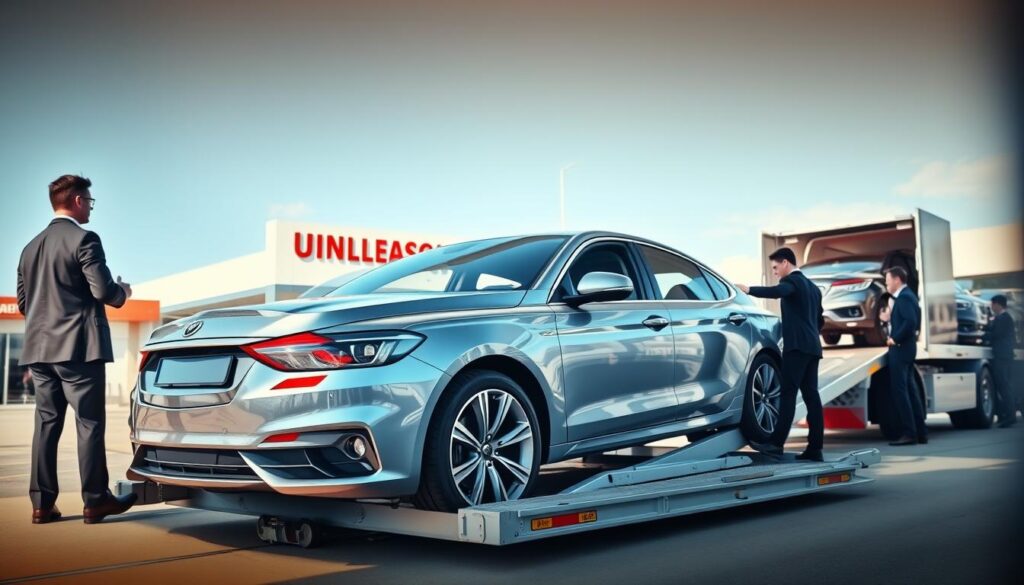
Dealers and carriers often follow an established workflow when arranging interstate vehicle delivery. This process is routine for most dealerships because they regularly work with transport firms to move inventory.
Start by notifying the dealer if a third-party auto transport company will handle pickup. That allows the dealer to prepare paperwork and schedule a convenient handoff.
Clear communication between buyer, dealer, and carrier speeds delivery. Confirm pickup windows and any access rules the dealership enforces.
Many dealers have preferred carriers, but customers may choose their own service. Vet each company and ask about insurance, tracking, and experience. Experts with over eight years in the industry recommend checking credentials before handing over keys.
| Step | Who Handles It | Why It Matters |
|---|---|---|
| Scheduling pickup | Dealer & Carrier | Ensures vehicle is ready and timing matches carrier route |
| Paperwork prep | Dealer | Clears title, keys, and release notes for smooth delivery |
| Carrier selection | Buyer or Dealer | Impacts cost, transport type, and delivery window |
| Final inspection | Carrier & Buyer | Documents condition and confirms pickup status |
For regional guidance and carrier comparisons, see our detailed regional resource at Florida to North Dakota car shipping. Understanding each step helps buyers feel confident when they get their vehicle delivered.
Factors That Influence Your Total Shipping Costs
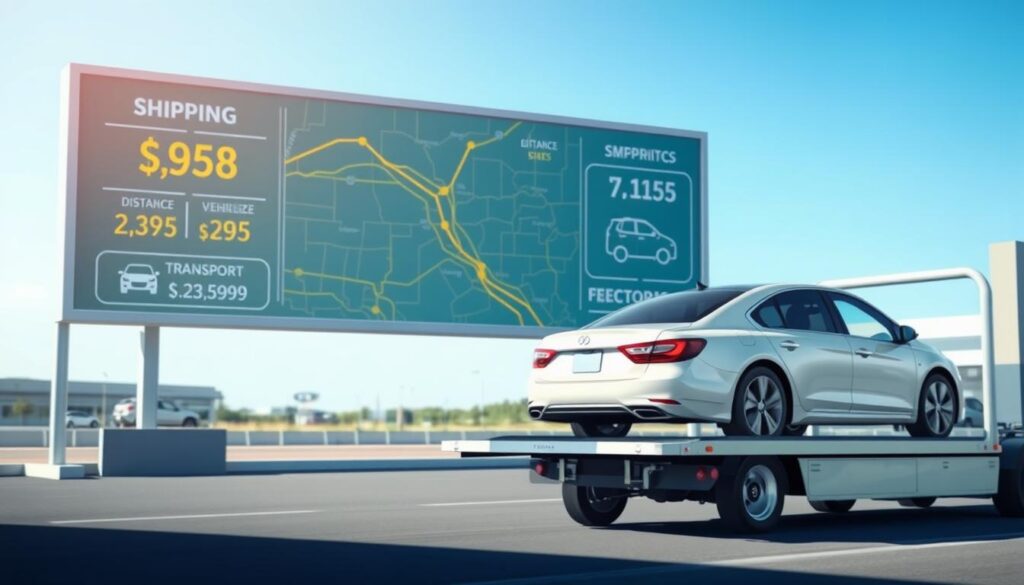
A few clear variables determine how much your auto transport will cost. Understanding them helps a buyer budget and choose the right service.
Vehicle Size
Smaller sedans usually cost less to ship than larger SUVs, trucks, or specialty cars. Size affects carrier capacity and space allocation.
Shipping Distance
Longer routes raise total cost, but many carriers lower the per-mile rate for cross-country trips. For example, a 2014 Ford Focus from Los Angeles to Boston can cost about $1,420 compared with the national average near $950.
Seasonal Demand
Peak summer demand can add roughly $200 to the final price. Busy seasons, remote locations, and tight delivery windows also drive cost increases.
| Factor | Typical Impact | What to Provide for a Quote |
|---|---|---|
| Vehicle size/type | High — larger vehicles cost more | Make, model, year, dimensions |
| Distance & route | Medium–High — longer trips raise totals | Pickup and delivery zip codes |
| Season & timing | Variable — peak seasons add approx. $200 | Preferred pickup/delivery dates |
| Location complexity | Medium — remote or congested areas cost more | Exact dealership or access notes |
Requesting clear auto transport quotes with full vehicle details produces the most accurate estimate. For fast comparisons, use the carrier quote page at auto transport quotes.
Comparing Open and Enclosed Transport Methods
Selecting an open or enclosed trailer changes the balance of price and protection. Open trailers carry up to ten cars at once, making them the most common and cost-effective option for standard shipping.
Open transport is widely available across the United States. It reduces cost and transit time for most vehicles. However, cars on open trailers are exposed to road debris and weather during delivery.
Open Transport Advantages
- Lower cost: Shared space on large trailers cuts the price per vehicle.
- Availability: More routes and faster pickup times across many locations.
- Efficiency: Fits multiple cars, which helps meet tight delivery windows.
Enclosed Transport Benefits
Enclosed transport offers the highest protection. It shields a vehicle from weather, debris, and potential damage. Expect enclosed service to cost roughly 30%–40% more than open trailers.
“Enclosed trailers are the best choice for luxury, antique, or high-value cars that require extra care.”
Decide based on value and risk. For everyday models, open trailers often deliver acceptable protection at a lower cost. For exotic or collectible cars, enclosed transport is worth the extra expense.
Benefits of Shipping Over Driving Your New Vehicle
Choosing professional transport removes long drives and preserves a vehicle’s condition. It keeps miles off the odometer and protects future resale value.
Shipping saves time and reduces travel stress. Drivers avoid hotel stays, fuel stops, and the logistics of a multi-day trip.
Professional carriers secure each car on a trailer, lowering the chance of road damage. That protection often offsets the initial cost compared with full self-driven trips.
Shipping also cuts maintenance needs. Oil changes, tire wear, and other upkeep tied to long drives add up fast. Many customers find the shipping option more economical when these extras are counted.
“Selecting transport preserves the vehicle and delivers a stress-free arrival at home.”
| Factor | Driving | Shipping |
|---|---|---|
| Time | High — multiple travel days | Low — carrier handles transit |
| Wear & damage risk | Higher — exposure on road | Lower — secured on trailer |
| Out-of-pocket cost | Variable — fuel, hotels, maintenance | Transparent — quoted service fee |
| Convenience | Low — requires planning and driving | High — dealer hands off to carrier |
For help arranging a reliable move, consider a trusted option to ship your car to another state.
Selecting a Reliable Auto Transport Company
Before committing, verify that any prospective auto transport firm is registered with the Federal Motor Carrier Safety Administration. This confirms basic safety standards and legal authority to operate.
Verifying Credentials and Insurance
Check FMCSA registration and request the carrier’s USDOT number. Then review insurance limits and ask for a certificate that covers loss or damage during shipping.
Reviewing complaints at the Better Business Bureau helps reveal recurring issues. Also read recent customer reviews for delivery and communication patterns.
| What to Verify | Why It Matters | Action |
|---|---|---|
| FMCSA / USDOT | Legal authority and safety compliance | Confirm number and search FMCSA site |
| Insurance coverage | Protects vehicle during transit | Request policy details and limits |
| Customer complaints | Signals reliability and responsiveness | Check BBB and recent reviews |
| Dealership experience | Ensures smooth handoff and documentation | Ask about past dealer pickups |
Request detailed quotes from multiple companies and compare services, timelines, and cost. For more carrier options, see recommended auto hauler companies.
Coordinating Logistics Between the Dealer and the Carrier
Smooth vehicle pickup begins with precise communication and agreed arrival windows.
Provide dealer contact details for your chosen auto transport company well before pickup. The dealer needs the carrier phone number and driver name so staff can prepare paperwork and the vehicle.
The carrier must present keys, a copy of the driver’s license, and the vehicle registration at handoff. These items clear the shipment and speed the handoff process.
- Confirm the planned date and time so the dealer can have the car ready for loading.
- Notify the carrier early if the vehicle is oversized; special trailer arrangements may be required.
- Be flexible with pickup and delivery windows; combined loads often lower the final quote.
Always verify the dealer approves outside carriers. Some dealerships prefer working with in-house partners and may have specific release rules.
“Clear lines of communication ensure the new car is handled with professional care throughout transit.”
Pro tip: Share a direct contact for day-of pickup and confirm delivery expectations in writing. That reduces surprises and improves the overall delivery experience.
Essential Paperwork for a Smooth Shipment
Proper documentation prevents delays and protects your interest during pickup. The most important form is the bill of lading, a legal contract that records the vehicle’s condition at loading and protects the owner in case of damage.
The Bill of Lading
The bill of lading documents preexisting scratches, dents, and mileage. Never allow the dealer to release keys until the driver signs this form.
If the driver cannot produce a signed bill of lading, treat this as a red flag about the carrier’s legitimacy. Ask the dealer to send you a signed copy or a clear photo before the shipment departs.
Temporary Registration Requirements
You do not need permanent plates for shipping. Provide the carrier with temporary registration documents and any required proof of insurance.
- Bill of lading: Records condition before loading and is your primary protection.
- Keys and signatures: Keys should transfer only after the bill is signed.
- Temporary registration: Required for carriers when vehicles cross state lines.
- Keep copies: Store digital and printed copies for possible claims.
“Keep paperwork organized so delivery remains transparent and all parties are accountable for condition.”
Tips for Ensuring Your Vehicle Arrives on Time
Small scheduling choices can have a big impact on on-time delivery for your vehicle.
Book early: Arrange pickup at least two weeks ahead. Summer demand fills carrier schedules fast. Early booking helps the company find a driver and lock a reasonable quote.
Expect delays: Weather and road closures happen. Plan buffer days around your expected delivery time. Keep a backup car available if timing is critical.
- Ask about expedited shipping options. RPM Moves and similar companies offer faster service for urgent needs.
- Communicate the delivery window and any dealer restrictions clearly.
- Confirm pickup details the day before and track the shipment when possible.
“Clear timelines and prompt communication are the best defenses against unexpected delays.”
| Action | Why it matters | Result |
|---|---|---|
| Book 2+ weeks early | Carrier can assign driver | Fewer schedule changes |
| Request expedited service | Faster transit on direct routes | Quicker delivery for urgent moves |
| Confirm dealer access | Prevents pickup hold-ups | Smoother handoff and on-time pickup |
Tip: Distance and carrier availability remain primary factors. Plan proactively and stay in touch with the transport company for the best chance of timely delivery.
Inspecting Your Car Upon Delivery
Begin the delivery checklist the moment the carrier arrives. A prompt walk-around helps identify any new scratches, dents, or upholstery rips that may have occurred during transit.
Documenting Damage and Discrepancies
Perform a full exterior and interior review before signing final paperwork. Check doors, bumpers, glass, and the trunk for signs of road debris or impact.
Use a smartphone to capture high-quality photos and videos from multiple angles. Record close-ups of any suspected damage and wider shots that show context.
- Compare current condition against notes on the bill of lading and any dealer paperwork.
- If damage is present but not listed, notify the carrier and ask for an immediate incident report.
- Contact the transport company’s insurance if discrepancies remain unresolved.
“The delivery process is not complete until the vehicle matches the condition in the shipping contract.”
For reliable regional support or carrier options when you need to get car delivery arranged again, see this local resource: car shipping in Versailles, Kentucky.
Conclusion
Shipping from a dealer lets buyers source the right vehicle anywhere in the country and still get reliable delivery.
Understand cost drivers, pick between open or enclosed transport, and protect the vehicle with a signed bill of lading. These steps make the shipment smooth and clear.
Work only with reputable auto transport companies that provide written quotes, insurance proof, and timely communication. Inspect the vehicle at delivery and document any issues.
The goal is simple: get the car home safely, on time, and without extra miles. Ready for a fast quote? Contact BestCarShippingInc for dependable service and clear pricing at fast quote or call (307) 288-5972.