
Moving a vehicle from a rural spot requires planning and a trusted transport partner. Rural origins can add miles and time to any car shipping job. Expect schedules to shift and costs to vary, especially when routes are thinly served.
Start with a written quote. A clear quote lists pickup and delivery zip codes, method, and price. For short hauls, UShip data showed about $2.92 per mile for distances under 200 miles as of July 2022.
Decide between open transport and enclosed transport early. Open is cost-effective. Enclosed offers extra protection for high-value cars.
Document vehicle condition and remove personal items before the bill lading is signed. If moving another state, plan for transit that can take several weeks depending on distance and carrier schedules.
Work with experienced car shipping companies and confirm insurance, pickup delivery options, and timelines. For full guidance and a tailored quote, see our page on ship your car to another state or contact the team at info@bestcarshippinginc.com.
Key Takeaways
- Rural transport can add cost and delivery time; plan ahead.
- Obtain a detailed, written quote before booking.
- Choose open or enclosed transport based on value and protection needs.
- Document condition and remove belongings before signing the bill lading.
- Confirm insurance and pickup delivery terms with the transport company.
Understanding the Challenges of Rural Auto Transport

Rural pickup points often face limited carrier schedules, which raises lead times and affects pricing.
Carrier availability is a primary factor that drives shipping costs and delivery time. Rural areas often have fewer carriers compared with hubs like Fort Lauderdale, which sees about 15,000 vehicles moved in and out each month.
When dispatch options are thin, a transport company may ask customers to meet drivers at a central location. This can lower miles on special routes but adds coordination steps and possible wait time.
Distance and accessibility
Longer distances to terminals raise the total miles billed and can bump prices. Poor road access or tight rural streets can require smaller carrier equipment or alternate pickup points.
Reliable services reduce stress. Professional companies advise on routes, insurance coverage, and realistic delivery windows for remote pickups.
- Less carrier supply usually means higher shipping costs and longer transit time.
- Meeting at a nearby hub can be a practical alternative.
- Comprehensive insurance is important for longer rural routes.
| Factor | Rural Impact | Practical Tip |
|---|---|---|
| Carrier availability | Fewer trucks, limited schedules | Book early and confirm pickup windows |
| Distance (miles) | Higher billed miles, extra fees | Consider central meet-up points |
| Insurance & risk | Longer exposure on road | Verify full coverage with your transport company |
For tailored routing and realistic price estimates, see our detailed guide on Florida to North Dakota car shipping and contact our team for a quote.
How to Ship a Car From a Small Town Effectively
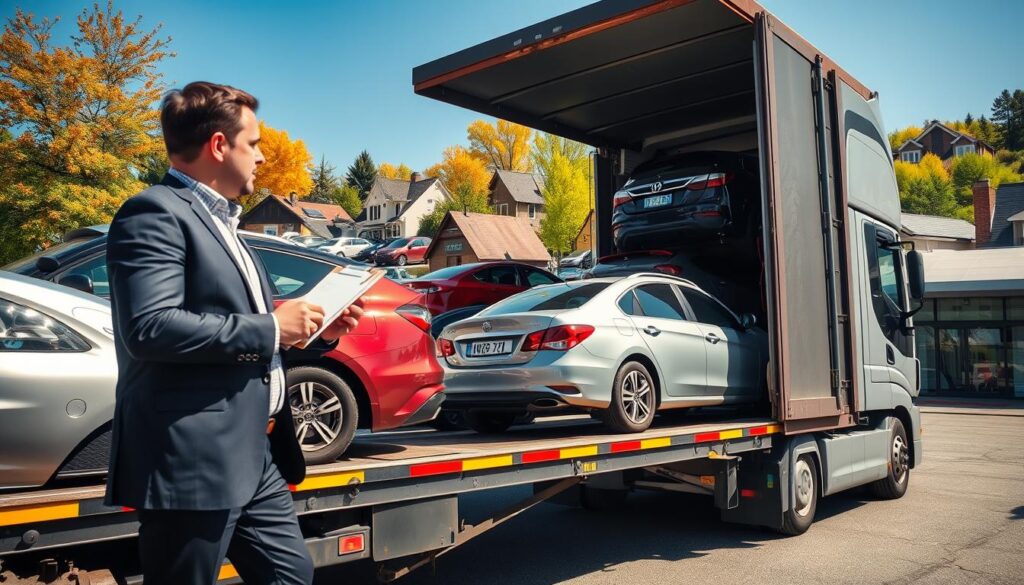
Prioritize transport firms with proven rural experience and detailed customer feedback. Begin by researching multiple car shipping providers and reading recent reviews. Reliable feedback reveals how companies handle routing, delays, and unusual pickup conditions.
Request written quotes early. Compare shipping costs, services, and delivery windows. A clear quote shows price, pickup delivery options, and expected time. This makes the selection process simple and fair.
- Verify insurance and licensing before booking the vehicle.
- Coordinate pickup delivery schedules with chosen transport companies.
- Be flexible with delivery windows; it often lowers prices when routes can be combined.
Reading detailed reviews helps identify transport companies with small-town experience. Comparing quotes and services is the most efficient way to find a trusted company. This approach saves time, lowers risk, and gives clear expectations for miles, cost, and final delivery.
Calculating Your Estimated Shipping Costs
The biggest drivers of a final quote are vehicle size, method of transport, and route length. These three factors shape per-mile prices and total shipping cost.
Vehicle size matters. Larger SUVs and trucks take more room and raise the per mile charge. Weight and dimensions affect carrier loading and space allocation.
Factors Influencing Price per Mile
Open transport is usually cheaper than enclosed transport for standard cars. Enclosed service adds protection but increases prices.
“Longer routes often lower the price per mile even as the total cost rises.”
Other variables include fuel prices, seasonal demand, and current market supply. A detailed quote shows how each line item contributes to the final price.
| Factor | Impact | Practical Tip |
|---|---|---|
| Vehicle size & weight | Higher per-mile price for larger vehicles | Use a car transport calculator for exact estimates |
| Transport method | Enclosed > Open in price | Choose based on value and protection needs |
| Distance (miles) | Per mile often decreases on long hauls | Compare quotes for different distances |
For a detailed cost breakdown and a tailored quote, use our guide on shipping cost estimates. Understanding these factors helps select a company that balances service quality and price for reliable delivery.
Preparing Your Vehicle for Transit
Preparing a vehicle for transit begins with a careful walk-around and photo record. Owners should document any existing marks and note mechanical issues. This speeds claims if damage appears after transport.
Cleaning and Inspection
Clean the exterior so imperfections are visible. Take dated photos from multiple angles. Note scratches, dents, and tire condition on the bill lading during pickup delivery.
Removing Personal Belongings
Remove all personal items. Transport companies generally will not accept responsibility for belongings left inside vehicles. Empty trunks and glove boxes before the driver arrives.
Managing Fuel Levels
Keep the tank at about one-quarter full. Lower fuel reduces weight and can lower shipping costs. Also disable toll tags and alarm systems when required by the carrier.
At pickup, both parties must sign the bill lading. Keep a signed copy for insurance and records. Proper prep protects the vehicle and shortens delivery time.
| Step | Why it Matters | Quick Tip |
|---|---|---|
| Clean & inspect | Shows pre-existing condition | Photos with date stamp |
| Remove belongings | Limits liability for companies | Check all storage areas |
| Fuel level | Reduces weight and cost | One-quarter tank recommended |
For reliable local options and scheduling, see our page on car shipping and auto transport Upton or contact info@bestcarshippinginc.com for assistance.
Selecting the Right Transport Company
Choosing a trustworthy transport company starts with checking licensing and insurance details. Verify that the carrier is bonded, licensed, and insured for vehicle shipping. A-1 Auto Transport, for example, lists nationwide coverage and BBB accreditation.
Compare written quotes from multiple providers. Look for transparent line items: pickup, delivery, fuel, and any extra fees that affect final prices. Ask each company about estimated delivery time and route miles.
Read recent reviews for service quality and on-time delivery records. Positive feedback and clear communication reduce risk. Confirm whether the company handles both open and enclosed transport so the car gets the right protection.
Before booking, request a written quote and confirm insurance limits. If questions remain, contact info@bestcarshippinginc.com or call (307) 288-5972 for guidance. Prioritizing trust and verification keeps vehicles safe during transit.
| Check | Why it Matters | Quick Action |
|---|---|---|
| License & insurance | Legal protection and claims | Request proof |
| Transparent quote | Avoid hidden costs | Compare 3+ offers |
| Customer reviews | Service reliability | Scan recent feedback |
Choosing Between Open and Enclosed Carriers
Select the carrier type that matches your vehicle’s value and the level of protection required.
Open transport is the most common and budget-friendly option. It handles over 90% of standard cars and lowers prices for long hauls.
Enclosed transport offers premium protection from weather and road debris. Nearly 80% of some high-protection clients in Fort Lauderdale opt for enclosed trailers for luxury and classic cars.
Key factors in choosing a method include vehicle size, declared value, and budget. High-value vehicles often justify higher prices for enclosed services.
- Open transport — cost-effective, wide availability, good for standard cars.
- Enclosed transport — extra protection, higher cost, ideal for collector or luxury vehicles.
- Evaluate size and delivery time needs before booking.
Work with reputable companies that explain price factors and insurance limits. For tailored pricing and to compare options, request auto shipping quotes.
Managing Pickup and Delivery Logistics
Confirming exact pickup details with the seller prevents missed appointments and wasted miles.
Clear communication keeps the pickup delivery process on track. Sellers or dealers must be present when the carrier arrives. They complete the inspection and sign the bill lading.
Coordinating with Sellers or Dealers
Inspect before signing. Always verify the vehicle condition at delivery. Sign the bill lading only after a thorough check for damage.
Transport companies provide delivery estimates. These are accurate guides but not guaranteed times. Variables like route changes can affect arrival time.
- Confirm pickup windows with seller or dealer.
- Photograph condition and note issues on the bill lading.
- Choose carriers with strong reviews for reliable service.
| Step | Why it matters | Quick action |
|---|---|---|
| Seller availability | Allows inspection and legal sign-off | Set firm appointment times |
| Condition check | Protects buyer and carrier | Note damage on bill lading |
| Delivery estimates | Plan for arrival and staffing | Use estimates, expect flexibility |
For purchases from another state, the company can manage the full process—from initial quote to final delivery. Read reviews of car shipping companies and contact the team for detailed estimates or questions about shipping costs and insurance at car transportation services.
95% of vehicle shipments in Fort Lauderdale arrive on time, though schedules remain estimates.
Protecting Your Investment with Insurance
Verify insurance limits with the carrier before pickup so you avoid coverage gaps. Review the carrier’s policy and ask for written proof before signing the bill lading. This step limits surprises and speeds any claims process.
Most transport companies carry liability insurance. Still, check exclusions, deductibles, and covered events. Keep your own comprehensive auto policy active for added protection.
- Request the carrier’s insurance certificate and record the policy limits on the bill lading.
- Document the vehicle condition with dated photos at pickup and delivery for claims.
- Confirm how coverage differs between open transport and enclosed transport.
| Item | Why it matters | Action |
|---|---|---|
| Carrier insurance | Primary liability during transit | Obtain written proof before pickup |
| Personal policy | Back-up coverage for gaps | Keep active and check limits |
| Inspection record | Evidence for damage claims | Note all issues on bill lading and photos |
For clear guidance and a competitive quote, review local options like car shipping in Scottsville or contact the team at info@bestcarshippinginc.com or (307) 288-5972.
Conclusion
Good preparation and a verified company cut surprises and keep delivery on track.
Plan early and get written quotes. Clear communication lowers cost and sets realistic delivery windows. Inspect the vehicle before and after transit and confirm insurance limits.
Choose a carrier based on credentials and reviews. That decision affects shipping, protection, and your final cost. Ask about available services and confirm pickup details.
Car shipping works best when owners stay involved and use trusted partners. For tailored quotes or help, contact the company at info@bestcarshippinginc.com or call (307) 288-5972.