
Professional auto transport offers a simple, reliable alternative for owners who need vehicle delivery across states. Choosing a vetted transport company removes long hours on the road and protects mileage, wear, and risk of damage.
Clients receive clear quotes, a bill of lading at pickup, and updates during transit. Licensed carriers use industry-standard trailers and inspection steps to make sure each vehicle arrives in the same condition it left.
BestCarShippingInc provides door delivery where allowed, optional insurance, and transparent pricing based on distance, vehicle condition, and chosen service level. Contact (307) 288-5972 or info@bestcarshippinginc.com for scheduling and a tailored quote.
Learn more about nationwide options and process details on the company page: car shipping and auto transport services. Trust a professional team to manage pickups, secure load, and final delivery with care.
Key Takeaways
- Professional transport saves time, reduces miles, and avoids road risks.
- Licensed carriers inspect vehicles and provide a bill of lading for protection.
- Door delivery and optional cargo insurance enhance convenience and security.
- Transparent quotes reflect distance, vehicle size, and service type.
- Contact (307) 288-5972 for a clear estimate and scheduling assistance.
Understanding the Benefits of Professional Auto Transport
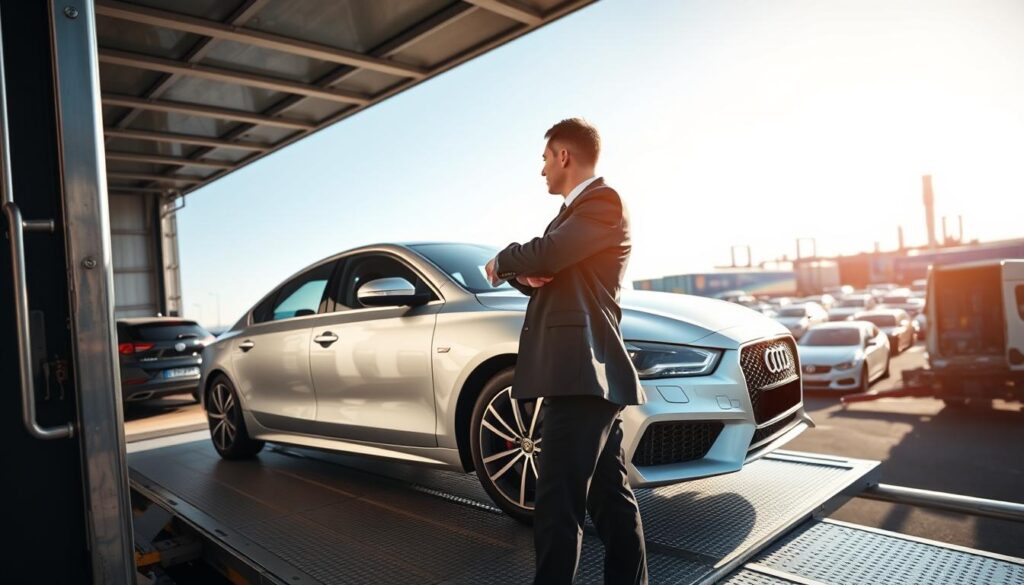
Reputable carriers use industry-grade trailers and trained drivers to keep your vehicle secure in transit.
Professional car shipping services protect vehicles with purpose-built equipment and proven loading methods. This lowers damage risk and preserves resale value by avoiding extra miles on the odometer.
Door-to-door delivery adds convenience for busy owners and families. Licensed companies also maintain comprehensive insurance policies, giving clear protection during long trips.
- Reliable transport companies use secure tie-downs and inspected trailers.
- Experienced drivers follow safety protocols for loading and unloading.
- Choosing a vetted shipping company reduces stress and logistical headaches.
Investing in professional services means your car receives specialized care from pickup to delivery. For an in-depth overview of options and statewide logistics, review the guide on car transport services.
How to Ship a Car Without Driving It Home
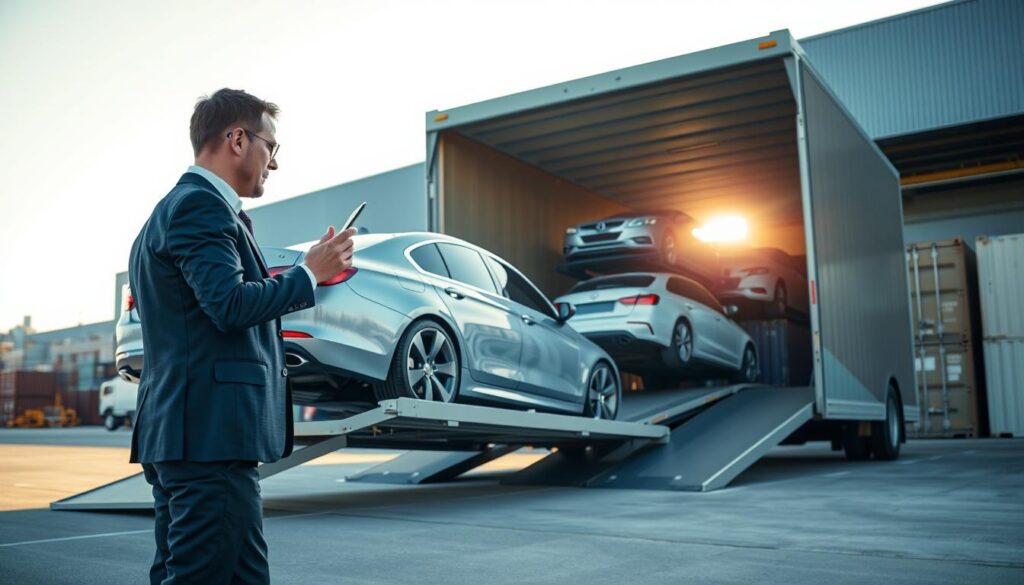
A reliable process makes arranging delivery of your car straightforward and predictable.
Step-by-Step Overview
- Choose a licensed transport company and confirm insurance and credentials.
- Schedule pickup and agree on an estimated delivery time based on miles and route.
- Inspect the vehicle with the driver and sign the bill lading before departure.
- Coordinate access for the truck at both pickup and delivery sites.
Choosing Your Delivery Location
Owners can select door delivery or a nearby staging lot. Shipping into a metro area usually lowers costs because trucks have easier access.
Plan ahead. Weather, road conditions, and carrier schedules affect arrival time. Always arrange alternate transportation if this is your only vehicle.
Verify credentials and review the bill lading carefully to confirm vehicle condition and avoid disputes on delivery day.
Researching Reliable Vehicle Shipping Companies
Start by verifying a company’s licensing and insurance before comparing rates and timelines.
Read online reviews for recent feedback on delivery time and vehicle condition. Reviews reveal how well a transport service handles delays and damage claims.
Request a written quote that lists all fees and included insurance. A clear quote prevents surprise charges when the vehicle is in transit.
Confirm the carrier’s DOT number and proof of insurance. A licensed transport company must produce paperwork on request.
Check specialization. If the vehicle is a luxury model, choose companies experienced with enclosed services and extra protection.
| What to Check | Why It Matters | Action |
|---|---|---|
| DOT license & insurance | Legal compliance and cargo protection | Ask for documentation and verify online |
| Detailed quote | Avoids hidden charges | Get multiple written quotes for comparison |
| Customer reviews | Shows track record for safety and service | Read recent reviews on multiple platforms |
| Vehicle specialization | Ensures proper handling for specific car types | Confirm experience with your vehicle model |
BestCarShippingInc is available for questions and transparent quotes. Call (307) 288-5972 or email info@bestcarshippinginc.com for a tailored vehicle shipping estimate.
Comparing Open and Enclosed Transport Methods
Choosing the right trailer type affects protection level, availability, and final prices for any long-distance vehicle move.
Open trailers are the most common and cost-effective way to move standard cars. These rigs usually carry eight or nine vehicles on two open metal decks. That makes open transport widely available and lower in cost.
Advantages of Open Trailers
- Affordability: Lower prices due to higher capacity and frequent routes.
- Availability: More trucks and pickup windows for ordinary vehicles.
- Speed: Shorter waits and common scheduling for most routes.
Benefits of Enclosed Carriers
Enclosed transport provides full coverage and improved security. It shields vehicles from road debris, weather, and public exposure. This method is ideal for luxury, classic, or high-value cars.
| Feature | Open Trailer | Enclosed Carrier |
|---|---|---|
| Protection | Basic; exposed to elements | High; full coverage from weather and debris |
| Typical Cost | Lower | Higher |
| Best Use | Standard cars and frequent routes | Luxury, classic, or exotic vehicles |
| Availability | Widespread | Limited; may require booking sooner |
Factors such as vehicle size, value, and the chosen method determine final shipping prices. Owners should weigh protection needs against budget when selecting a transport option.
Estimating Your Total Shipping Costs
A reliable cost estimate blends mileage rates, transport method, and current market demand.
Average benchmarks provide a quick starting point. For short hauls under 200 miles, expect about $2.92 per mile. For long runs over 1,000 miles, the rate can drop to roughly $0.78 per mile.
The LA–Boston example helps illustrate distance impact: a 2014 Ford Focus moved for $1,420 in February 2020. That shows how miles and route choices affect final prices.
Factors Influencing Final Pricing
- Vehicle size and weight — larger cars raise shipping costs.
- Transport method — enclosed carriers cost more than open trailers.
- Route and demand — seasonal spikes or low carrier availability increase prices.
- Additional fees — insurance, pickup access, and special handling add to the total.
Always request a detailed quote that lists service fees and insurance. Booking early often secures better prices and more flexible delivery timeframes. For a clear estimate, contact BestCarShippingInc at (307) 288-5972 or info@bestcarshippinginc.com.
Preparing Your Vehicle for Safe Transit
Prepare the vehicle so inspections go smoothly at pickup and the transport team can load without delays.
Cleaning and Documentation
Wash the exterior and vacuum the interior. A clean car makes existing scratches and dents visible.
Take dated photos from four angles and note damage. Keep copies for the bill lading and any insurance claim.
Managing Fuel Levels
Keep the gas tank about one-quarter full. This reduces weight and helps lower overall costs during vehicle shipping.
Removing Personal Belongings
Remove items exceeding 100 lbs. Place small items in the trunk or below the window line.
Make sure personal property is out. Most transport companies do not accept vehicles loaded with belongings.
“Document condition clearly at pickup; it protects owners and simplifies claims if damage occurs.”
- Check tire pressure and fluids so the driver can move the car if needed.
- Secure loose parts like antennas or spoilers before loading on the trailer.
- Keep the bill lading and contact info handy during pickup and delivery.
BestCarShippingInc can provide a prep checklist and answer questions at (307) 288-5972 or info@bestcarshippinginc.com.
Coordinating Logistics with Sellers or Dealerships
A smooth pickup depends on confirming who will provide keys, title, and access at the lot. When buying from a dealer, request that the registration and title be ready for the transport driver at the agreed time.
Share the carrier’s contact details and your phone number with the seller. That makes on-site coordination faster and reduces waiting time.
If the owner cannot be present, ask the seller to email a copy of the bill of lading after pickup. This document protects the buyer and helps with any insurance or claims.
Clear communication between the seller, the transport company, and the buyer is the best way to prevent hold-ups. Confirm pickup location access, loading restrictions, and any lot fees ahead of time.
- Confirm documents: keys, title, registration ready at pickup.
- Share contacts: seller, carrier, and buyer phone numbers.
- Request records: copy of the bill of lading if you are absent.
For dependable support during this process, request an early quote from BestCarShippingInc. Their team manages seller coordination and ensures the transport service proceeds on schedule.
Navigating the Bill of Lading Process
A signed bill of lading creates the legal record that ties pickup details, delivery points, and vehicle condition together.
The bill lading is the official contract for any car shipping job. It lists pickup and delivery locations and notes preexisting scratches or dents. Keep keys until the driver presents this document for the seller or dealer to sign.
Why this document matters
The bill protects the owner when reporting damage or filing an insurance claim. Inspect the vehicle at pickup and compare notes at delivery.
- Sign bill lading at pickup and again at delivery to confirm condition.
- Refuse to release keys if the driver cannot produce the bill lading.
- Keep a copy of the signed bill for any future damage or claim discussions.
“Never accept delivery without matching the vehicle’s condition to the original bill.”
For reliable support and clear paperwork, contact BestCarShippingInc or request an estimate from this local page: car shipping services in Jeanerette, Louisiana.
Managing Insurance and Protection During Transport
Confirming liability coverage is the single most important step before any vehicle leaves a seller’s lot.
Most reputable companies carry insurance that covers damage while they move your vehicle. Ask the carrier for a current certificate and policy limits before pickup.
Owners should check with their own insurer. Comprehensive or collision policies sometimes supplement carrier coverage if a claim arises.
Request documentation. A trusted shipping company will provide proof and answer questions about exclusions, deductibles, and claims procedures.
- Verify credentials: Confirm the carrier’s insurance and DOT status.
- Compare coverages: See how your personal policy interacts with the carrier’s plan.
- Read reviews: Customer feedback often highlights how companies handled past claims.
“Always get written proof of insurance before the vehicle is accepted for transport.”
BestCarShippingInc prioritizes protection and clear communication. Call (307) 288-5972 or email info@bestcarshippinginc.com for policy details and support with your auto transport insurance questions.
What to Expect on Delivery Day
Expect a driver call that pins down arrival time and confirms access at your chosen delivery location.
The driver and owner conduct a final inspection. Both compare notes with the original pickup report.
Sign bill lading only after you verify condition. If any new damage exists, note it on the bill lading before signing.
Be prepared to settle remaining costs on delivery. Many carriers require payment when the truck arrives, so have your agreed funds ready.
“Inspect the vehicle carefully and document any discrepancies before releasing the driver.”
BestCarShippingInc provides support if questions arise during delivery. The driver will give you a final copy of the bill for records.
| Step | What Happens | Customer Action |
|---|---|---|
| Driver call | Confirms time and access | Be reachable and confirm location |
| Final inspection | Compare condition with pickup report | Check exterior, interior, and mileage |
| Paperwork | Sign final bill | Note any damage before signing |
| Payment | Settle remaining balance | Have payment ready as agreed |
- Door delivery makes the process convenient and time-saving.
- If issues occur, contact (307) 288-5972 or info@bestcarshippinginc.com.
- For route-specific questions, see this guide on Florida–North Dakota car shipping.
Conclusion
Trustworthy teams handle each car with care and clear timelines. ,
Shipping and transport professionals streamline the process so your vehicle moves safely and predictably. This company and companies like it focus on reliable service and timely delivery.
Expect transparent quotes that explain cost and time, plus fair prices for chosen options. If you worry about damage, ask about inspection steps and insurance. For a custom quote or questions, call (307) 288-5972 or email info@bestcarshippinginc.com. BestCarShippingInc stands ready to assist and ensure your vehicle arrives in excellent condition.