
Deciding on enclosed transport means weighing protection against price. Move.org analyzed nearly 700 quotes and found that covered options run about 40% higher than open carriers. For many owners, that premium buys peace of mind.
Only about 10% of customers choose covered carriers, yet this option remains vital for high-value and antique vehicles. Enclosed trailers shield finishes from weather and road debris. Some units even offer climate control.
Best Car Shipping Inc. provides licensed, insured, professional auto transport and handles preloading inspections, secure loading, and post-delivery checks. For transparent quotes or questions, call (307) 288-5972 or email info@bestcarshippinginc.com.
Learn more about specialized options and how they match your vehicle’s value at Best Car Shipping Inc.’s guide.
Key Takeaways
- Enclosed transport costs about 40% more than open carriers.
- Roughly 10% of customers select covered transport for added protection.
- Best for luxury, classic, or high-value vehicles needing extra care.
- Services include inspections, secure loading, and insurance coverage.
- Contact Best Car Shipping Inc. for clear quotes and expert advice.
Understanding the Basics of Auto Transport
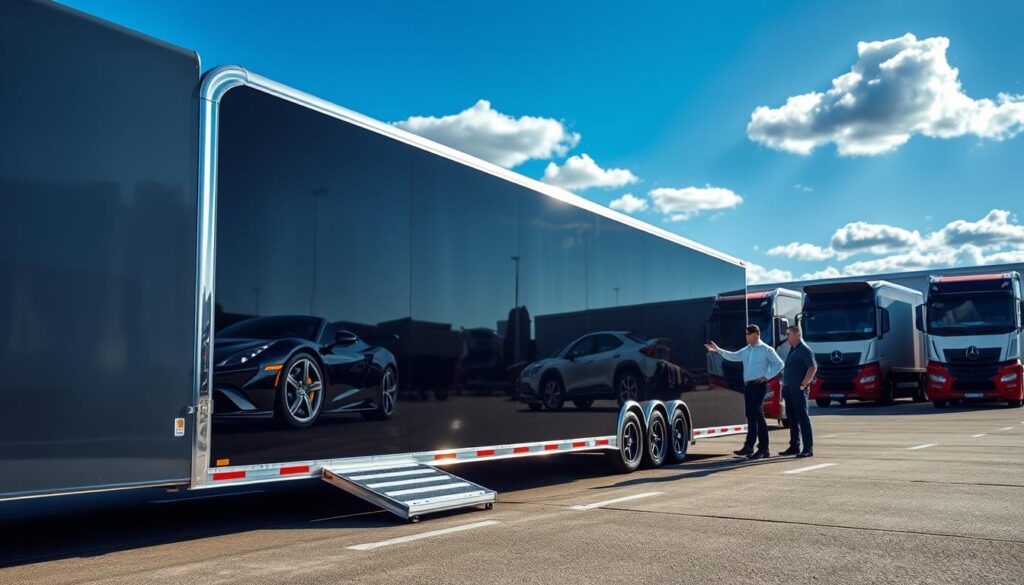
Auto transport comes in two common formats, each built for different priorities and budgets.
Defining open transport:
Defining Open Transport
Open transport moves most vehicles on multi-level trailers. A single trailer typically carries 7 to 10 cars.
This method is cost-effective and common for everyday vehicles. It exposes cars to weather and road debris during transit.
Defining enclosed transport:
Defining Enclosed Transport
Enclosed transport uses trailers that shield vehicles from rain, snow, salt, and debris.
These enclosed trailers provide added security and protection for high-value or sensitive vehicles. Professional carriers use specialized equipment to secure each load.
| Feature | Open Transport | Enclosed Transport |
|---|---|---|
| Typical load | 7–10 vehicles on multi-level trailer | Fewer vehicles, single-level or enclosed deck |
| Protection | Exposed to weather and road debris | Shielded from rain, snow, salt, and debris |
| Cost | More budget-friendly for everyday cars | Higher for added security and control |
| Best for | Standard vehicles and fleet moves | Classic, luxury, and low-clearance vehicles |
Is Enclosed Car Shipping Worth the Extra Cost?
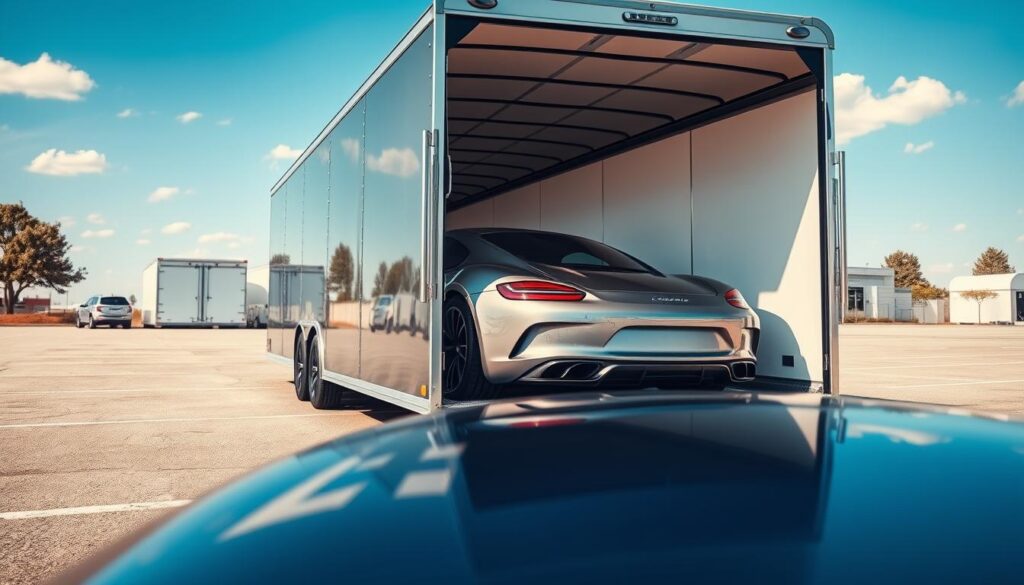
When value and risk matter, covered auto transport often becomes a clear option.
Decisions hinge on vehicle value and rarity. Owners of luxury or classic models often choose enclosed transport to avoid debris, weather, and road damage during transit.
SAKAEM Logistics has moved over 300,000 vehicles. That experience shows why some pay premiums for added security and safety.
Typical cross-country rates range from $1,400 to $2,800. For many high-value vehicles, that premium is less than potential repair bills after damage.
| Factor | Open Trailer | Enclosed Trailer |
|---|---|---|
| Protection | Basic, exposed to debris | High, shields from weather and road debris |
| Typical price | Lower | $1,400–$2,800 cross-country |
| Best for | Everyday cars | Luxury, classic, rare vehicles |
Best Car Shipping Inc. recommends enclosed carriers when repair risk exceeds the premium. For details and tailored services, visit enclosed auto transport companies or call (307) 288-5972.
Comparing Open and Enclosed Transport Methods
Choosing between open and enclosed transport shapes how a vehicle is protected during transit.
Open transport typically offers faster pickup windows. Carriers often arrive within 1 to 5 days after booking. This makes open transport a good fit for routine moves where speed and cost matter.
Enclosed transport acts like a garage on wheels. It shields vehicles from road debris and weather that can cause cosmetic damage. Owners of classic or high-value vehicles often prefer this option for added protection.
“Protecting a vehicle from road hazards is a primary benefit of enclosed auto services over open-air trailers.”
Best Car Shipping Inc. vets carriers to ensure safety and reliability. Staff provide clear details about transit time and protection levels. This helps customers choose the right transport for each vehicle.
| Feature | Open Transport | Enclosed Transport |
|---|---|---|
| Pickup window | 1–5 days | 2–7 days (often scheduled) |
| Protection | Exposed to road debris and weather | High protection from debris and elements |
| Typical use | Everyday vehicles, budget moves | Classic, luxury, low-clearance vehicles |
| Carrier load | 7–10 cars per trailer | Fewer vehicles per enclosed trailer |
- Open transport suits buyers focused on speed and lower cost for standard cars.
- Enclosed transport offers superior protection for vehicles sensitive to road hazards.
- Transparent transit times and vetted carriers reduce risk across both options.
The Financial Reality of Shipping Your Vehicle
Several practical factors determine final transport pricing. Distance, vehicle size, and current market demand shape most quotes.
Open transport remains the most economical way to move vehicles across long distances. For cross-country moves, typical rates range from $900 to $1,500 for open trailers.
Enclosed transport carries higher prices because of specialized trailers and fewer available carriers. Owners often weigh that premium against potential damage and protection needs for an enclosed car.
Seasonal demand affects transport costs. Winter routes and peak windows can raise prices by 15% to 25% as supply tightens and demand rises.
- Distance and route: longer hauls increase base pricing.
- Vehicle type: size, value, and clearance change rates.
- Market demand: seasonal spikes shift transport costs.
Best Car Shipping Inc. provides detailed quotes that factor in these variables. For a tailored estimate, request auto shipping quotes or call (307) 288-5972. Choosing the right carrier helps avoid unexpected damage and makes every dollar count.
When Enclosed Transport Becomes a Necessity
Low-clearance and high-value vehicles often demand specialized transport methods for safe delivery. Owners should assess risk before choosing a carrier. Some risks are avoidable with the right services.
Low Ground Clearance Vehicles
Vehicles with four inches or less ground clearance typically need hydraulic liftgates found on enclosed trailers. Standard ramps can scrape bumpers and undercarriage during loading or unloading.
Classic and Antique Models
Original paint and fragile interiors make classic and antique models highly sensitive to road debris and weather. Enclosed trailers shield finishes and preserve condition through transit.
High-Value Exotic Cars
Luxury cars and rare exotics benefit from white-glove handling and added security. Professional enclosed auto transport offers vetted carriers, careful handling, and reduced exposure to debris.
Best practice: choose enclosed car transport when repair risk exceeds premiums. For tailored solutions and quotes, see our guide to safe, secure enclosed car shipping or call (307) 288-5972.
Protecting Your Investment Against Environmental Hazards
Wind-driven grit and winter salt are silent threats during long transit.
Choosing an enclosed car option provides clear protection from rain, snow, and flying road debris. Enclosed trailers act as a barrier that keeps finishes and trim safe while on a trailer.
Salt spray on winter routes can start corrosion under paint. Owners of classic vehicles avoid that risk with covered transport.
Best Car Shipping Inc. vets each carrier to ensure proper security and handling. Assigned carriers use trailers designed to reduce exposure to weather and gravel.
- Primary benefit: long-term protection for high-value vehicles.
- Prevents cosmetic damage from road debris during cross-country transport.
- Reduces corrosion risk from salt and moisture on winter routes.
| Risk | Open Trailer | Enclosed Trailer |
|---|---|---|
| Exposure to weather | High | Low |
| Flying debris damage | Frequent | Rare |
| Salt corrosion risk | Elevated | Minimal |
“An enclosed environment delivers peace of mind and measurable protection during transit.”
To discuss tailored enclosed auto options and carrier selection, call (307) 288-5972 or email info@bestcarshippinginc.com.
Insurance Coverage and Liability Differences
Insurance limits and carrier liability shape how much protection a vehicle receives during transit.
Enclosed trailers often carry higher cargo limits. Typical coverage ranges from $250,000 to $1,000,000 per shipment. This helps protect high-value vehicles against damage from weather or road debris.
Open carriers usually maintain lower limits, commonly $100,000 to $250,000. That level suits many everyday moves but may fall short for luxury or classic models.
| Coverage Aspect | Open Trailer | Covered Trailer |
|---|---|---|
| Cargo insurance limits | $100,000–$250,000 | $250,000–$1,000,000+ |
| Best fit | Standard vehicles | High-value and classic vehicles |
| Claim risk | Higher likelihood of gaps | Broader protection for cosmetic and major damage |
Best Car Shipping Inc. verifies each carrier’s policy and confirms documents before pickup. Staff explain liability details so owners understand responsibility for damage and claim steps.
For guidance on covered options and policy limits, review our enclosed transport options or call (307) 288-5972.
Evaluating Your Specific Shipping Needs
Assess vehicle condition and ground clearance before choosing a trailer.
Start with value and vulnerability. High-value or classic vehicles need more protection. That often leads owners to choose covered transport or specialized handling.
Most everyday vehicles travel well on open transport. This option keeps transport costs lower and is suitable for routine moves.
Consider route and weather. Long highway hauls or salty winter paths raise damage risk. Low ground clearance requires liftgate access and careful loading.
| Factor | When open transport fits | When enclosed transport fits |
|---|---|---|
| Vehicle value | Standard value, lower risk | High value, rare or vintage |
| Ground clearance | Normal clearance, ramp OK | Low clearance, liftgate needed |
| Route conditions | Short routes, mild weather | Long hauls, winter or gravel roads |
Best Car Shipping Inc. offers a short consultation to match services and carriers to each vehicle. Call (307) 288-5972 for a recommendation based on value, condition, and route.
For local options, explore our page about car shipping in Scottsville, Kentucky to see examples of tailored plans.
Conclusion
A clear plan starts with vehicle value, route risk, and insurance limits.
Auto owners should weigh protection needs against budget when selecting transit.
For many, enclosed car shipping or enclosed transport makes sense for vintage or high-value models. Budget moves often use open transport on multi-vehicle trailers run by vetted carriers.
Assess ground clearance, condition, and policy limits before booking. For an accurate cost estimate and options, get a cost estimate from Best Car Shipping Inc.
Enclosed auto transport offers added security. Call (307) 288-5972 or email info@bestcarshippinginc.com to speak with a carrier and finalize a plan.