
Choosing a reliable transport option starts with a clear view of needs. Owners must match vehicle type, budget, and timeline to a qualified company.
Top firms provide full insurance coverage and transparent tracking from pickup to delivery. That coverage protects value and reduces stress during long moves.
Professional teams manage logistics, handle paperwork, and deliver a safer experience than ad hoc attempts to ship car models alone. Search for firms with strong safety records and good reviews.
Deciding factors include cost, transit days, and vehicle condition. Balancing speed and protection helps owners pick the right service for classic cars, daily drivers, or bulk fleet moves.
The guide that follows analyzes transport options and offers clear steps to choose a dependable shipping company. Contact info for trusted support is available for readers who need direct assistance.
Key Takeaways
- Match vehicle type and budget before choosing a transport service.
- Verify insurance and coverage for full transit protection.
- Pick a company with proven safety records and clear tracking.
- Balance cost, speed, and protection when evaluating options.
- Professional teams simplify logistics and improve the delivery experience.
Understanding Your Vehicle Transport Needs

Begin by matching transport choices to your vehicle’s size, value, and operating condition. A clear assessment prevents surprises and helps select secure, timely solutions. Consider distance and delivery dates before committing to a provider.
Inspect and document the vehicle now. Clean inside and out so any pre-existing marks are visible. Remove personal items and disable alarms for transit.
Decide between open or enclosed auto transport based on value and exposure concerns. Professional teams perform thorough inspections before and after transit to record condition and reduce disputes.
- Assess timeline, distance, and vehicle value when choosing a route.
- Confirm insurance and handling procedures with the carrier.
- Prepare vehicles with proper cleaning and checklist completion.
Reliable support matters. For tailored transport services and quotes, consult our team for moves across the United States at transport services. Contact info is available for direct coordination.
What Is the Best Car Shipping Method?
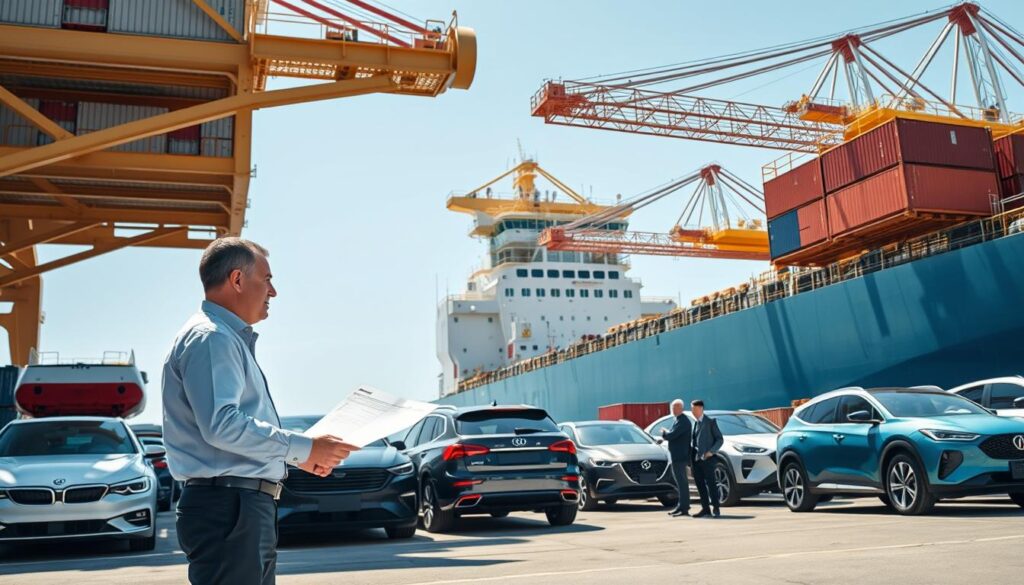
Start by matching your budget to realistic transport options and expected delivery timelines. A basic estimate guides choices between open and enclosed carriers and narrows viable services.
Evaluating Your Budget
Average car shipping cost runs near $650. Use that as a baseline when comparing quotes.
Door-to-door delivery raises convenience but can increase pricing. Terminal pickup cuts fees but adds pickup time.
Professional transparency helps. A reputable car shipping company shows itemized costs and insurance details before you commit.
Assessing Vehicle Value
Match value to protection. Enclosed transport offers extra security for classic or luxury cars and fragile models.
If a vehicle holds high value, prioritize protection and insurance over the lowest quote. For common cars, open carriers often provide safe, affordable transport.
- Consider distance and route when checking final costs.
- Ask about pickup windows and expected days in transit.
- Compare carrier reviews and services to ensure a smooth delivery.
For tailored estimates and reliable options, review our car shipping services in Scottsville.
Benefits of Open Carrier Transport
Open trailers move more cars per trip, which keeps customer costs low.
Open carrier transport is the most common, cost-effective option for routine moves across the United States. It allows multiple vehicles to travel together, lowering per-vehicle fees and improving schedule options.
While a vehicle on an open trailer has more exposure than with enclosed transport, professional carriers use secure loading and tie-down practices. These measures keep each car stable during transit and reduce damage risk.
- High availability of drivers often speeds pickup and delivery.
- Network experience ensures careful handling of varied vehicles.
- Transparent tracking keeps customers informed from pickup to drop-off.
| Feature | Open Carrier | Enclosed Option |
|---|---|---|
| Cost | Lower per vehicle | Higher due to added protection |
| Exposure | Open to elements | Protected from weather |
| Availability | Wide network, faster scheduling | Limited slots, premium service |
Choosing open carrier services helps manage a budget while receiving reliable auto transport services. For questions, contact info@bestcarshippinginc.com or call (307) 288-5972.
When to Choose Enclosed Auto Transport
Enclosed trailers offer a controlled environment that shields high-value vehicles from road hazards and weather. Owners who need maximum protection should consider covered options for long hauls or cross-country moves.
Protection for Luxury and Classic Cars
Enclosed auto transport is the premier choice for luxury and classic car owners. The vehicle travels inside a covered trailer, reducing exposure to debris, salt, and rain.
Special handling and extra security matter for vintage models and modern exotics. Professional teams secure each vehicle to minimize movement and risk during transit.
“Enclosed transport keeps the vehicle in showroom condition from pickup to delivery.”
- Fully covered trailers block weather and road debris.
- Specialized carriers offer tailored services and trained handlers.
- Extra insurance and careful loading protect high-value vehicles.
For detailed enclosed transport options and quotes, review our enclosed transport options. This service is ideal when preservation and peace of mind are the priority.
Exploring Rail and Train Shipping Options
Trains provide a steady, budget-friendly option when relocating cars across states. Rail freight blends affordability with reliable scheduling. This makes it a strong contender for long-distance auto transport.
Advantages of Rail Logistics
Predictable schedules let owners plan arrival and pickup with clarity. Rail routes often run on fixed timetables, which reduces uncertainty about delivery time.
Cost efficiency is another benefit. For long hauls, rail can lower per-vehicle expenses compared with door-to-door truck options.
Limitations of Train Terminals
Terminals require extra travel for pickup and drop-off. Rail rarely offers true door-to-door service for vehicles, so factor in local transit time.
- Amtrak’s Auto Train lets travelers ride with their car between Lorton, VA, and Sanford, FL.
- Trains can be slower overall due to terminal handling.
- Check terminal locations for convenience before you commit.
To evaluate if rail will work for your move, consult our team or ship by train for details and scheduling options.
The Speed and Security of Air Transport
Air logistics provide rapid, secure moves for high-value vehicles across long distances. This option reduces transit days and limits exposure to road hazards.
Car shipping by plane is the fastest option and suits urgent relocations or premium auto transport needs. Specialized handlers load and secure each vehicle to strict standards.
Protection and insurance are core advantages. For a rare classic car, air transport minimizes handling and protects finishes from road debris and weather.
“When time is of the essence, air transport stands out as the most efficient way to move your car.”
- Fastest transit times for coast-to-coast or international moves.
- Premium protection reduces damage risk during loading and flight.
- Higher cost but often justified for exotic or urgent shipments.
- Confirm airport capacity and required insurance before booking.
| Feature | Air Transport | Ground (Open/Enclosed) | Rail |
|---|---|---|---|
| Speed | Fastest (days) | Moderate (days–weeks) | Variable (weeks) |
| Protection | Highest; limited handling | Good; exposed on open | Moderate; terminal handling |
| Cost | Premium pricing | Lowest to mid | Lower for long hauls |
| Best use | Exotics, urgent moves | Everyday cars, budget moves | Bulk or long-distance economy |
Our company works with vetted air carriers and offers guidance to ship car assets safely. For a quote or to confirm airport options and insurance, contact info@bestcarshippinginc.com or call (307) 288-5972.
Evaluating Cost Factors for Your Move
A focused review of distance, vehicle specs, and access needs reveals most pricing differences. Owners gain control by checking each element before booking.
Distance and Route Complexity
Longer routes often lower price per mile, but total cost rises with distance. Remote destinations, mountain passes, and restricted roads add time and labor.
Vehicle Size and Weight
Large SUVs and trucks occupy more trailer space. That can push rates higher, especially for enclosed transport where capacity is limited.
Inoperable Vehicle Fees
If a vehicle won’t run, expect extra charges. Winching or forklift work requires special gear and trained crews, which increases cost.
Practical tips:
- Choose terminal pickup to reduce door fees when possible.
- Be flexible on delivery dates to find lower pricing.
- Request a full cost breakdown to avoid surprise charges.
| Factor | Impact on Cost | What to Ask Your Company |
|---|---|---|
| Distance / Route | Higher total; lower per-mile for long runs | Confirm route and any access limits |
| Vehicle Size | More space = higher fee | Provide exact dimensions and weight |
| Inoperable Status | Extra labor and equipment fees | Clarify winch or forklift charges |
| Delivery Type | Door-to-door costs more than terminal | Compare door vs terminal pricing |
BestCarShippingInc offers transparent estimates and an online calculator to help plan your budget. For a clear quote, email info@bestcarshippinginc.com or call (307) 288-5972.
Seasonal Impacts on Shipping Rates
Knowing peak and slow months helps owners lock in lower costs for auto transport.
February is one of the slowest months. Demand drops and many carriers lower pricing. This month often offers the most affordable car shipping rates.
Summer brings heavy demand. More drivers are on the road and availability tightens. That increases cost and can lengthen delivery time.
Plan ahead for December holidays. Many drivers take time off, so book early to avoid premium fees and scheduling delays.
- Save money: ship during slower months when possible to reduce total cost.
- Book early: reserve services well in advance during peak seasons.
- Expect delays: high demand affects delivery windows and carrier availability.
BestCarShippingInc monitors market trends and adjusts quotes by season. Contact info@bestcarshippinginc.com or call (307) 288-5972 for a tailored estimate and timing advice.
Preparing Your Vehicle for Safe Transit
Simple prep steps protect value and make pickup quick for both owner and carrier.
Clean the vehicle inside and out. A tidy car helps the driver spot dents and scratches during inspection.
Remove all personal items. Personal effects are not covered by insurance and can shift during transit.
- Fuel: keep about a quarter to half tank for safe loading and movement.
- Systems: disable alarms and ensure the battery, fluids, and tire pressure are checked.
- Documentation: take photos from multiple angles to document condition for insurance.
Prepare a brief checklist for the carrier to sign at pickup. This reduces disputes and saves time for both parties.
Final tip: confirm any special needs with the company before pickup, such as winching for inoperable vehicles. For help or a printable checklist, contact info@bestcarshippinginc.com or call (307) 288-5972.
Tracking Your Shipment via VIN
VIN-based tracking gives clear, real-time visibility into a vehicle’s route. Owners receive a unique identifier that links directly to location updates and status reports.
Benefits of Real Time Updates
Real-time updates reduce uncertainty. With a VIN you can see each checkpoint and estimate delivery time more accurately.
Professional companies provide access credentials and dashboard links. That transparency improves the pickup experience and lowers missed-delivery risk.
- VIN tracking offers minute-level location data so owners can plan for delivery and pickup.
- Accuracy from a unique identifier prevents mix-ups between similar vehicles.
- If online tools fail, support teams offer manual status checks and timely updates.
BestCarShippingInc prioritizes communication. For questions about VIN access or auto transport services, contact info@bestcarshippinginc.com or call (307) 288-5972.
Navigating Door to Door Versus Terminal Delivery
Deciding between direct pickup and terminal drop-off affects price, timing, and convenience for every move.
Door-to-door service offers maximum convenience. A carrier collects and delivers at your addresses. This reduces handling and saves time for busy owners.
Terminal delivery lowers costs when you live near a transport hub. Vehicles stay in a secure lot until ready for the final leg. This option suits customers who are flexible on pickup time.
Coast-to-coast transport typically takes 7 to 10 days. Your delivery type can shorten or extend that window. Choose based on budget, distance, and destination access.
- Door service: faster pickup and less lifting.
- Terminal option: lower cost and reliable staging.
- Consider access limits at both pickup and delivery points.
| Delivery Type | Cost | Typical Transit Time | Best for |
|---|---|---|---|
| Door-to-door | Higher | 7–10 days (coast-to-coast) | Convenience, tight schedules |
| Terminal-to-terminal | Lower | 7–10 days (may vary) | Flexible pickup, budget-conscious |
| Hybrid (terminal + local pickup) | Mid-range | Varies by distance | Remote destinations with cost limits |
BestCarShippingInc helps weigh these factors and match services to need. For tailored advice email info@bestcarshippinginc.com or call (307) 288-5972.
Comparing Professional Shippers and DIY Options
Choosing between a professional shipper and a DIY drive hinges on time, risk, and real costs. A quick cost estimate hides several variables that affect total price and stress.
Professional firms bring trained crews, proper equipment, and insurance. Nexus Auto Transport has a network of 59,000+ vetted carriers and a 99.9% customer satisfaction rate. This scale helps manage complex logistics and reduce delays.
Driving yourself may lower upfront fees. It adds fuel, lodging, wear, and higher depreciation risk. Long distances raise labor and arrival uncertainty.
| Option | Time | Typical costs | Best for |
|---|---|---|---|
| Professional carrier | Scheduled pickup, predictable delivery | Transparent quote, includes insurance | High-value vehicles, long distance |
| DIY drive | Flexible but unpredictable | Fuel, lodging, maintenance add up | Short moves, low urgency |
MoveBuddha reviewed 2,500+ shipping companies and highlights the value of vetted providers. For a reliable car shipping company or to request a quote, contact info@bestcarshippinginc.com or call (307) 288-5972.
Essential Documentation for Auto Transport
Organizing title, registration, and insurance copies ahead of pickup protects owners and carriers.
Gather key documents before the scheduled pickup. Typical items include vehicle title, current registration, and proof of insurance. These papers let a transport company confirm ownership and coverage quickly.
Keep a signed copy of the shipping agreement and the pre-shipment inspection report. These records are vital if any claims arise. A clear inspection reduces disputes about condition and liability.
Professional transport teams will guide you through required forms and state-specific rules. If you ship car across state lines, check for additional permits or notarization needs tied to that route.
- Before pickup: title, registration, insurance proof.
- At pickup: signed contract and inspection report.
- Keep copies: store digital and paper versions for claims or audits.
Questions about required documents or how they affect cost and services? Contact BestCarShippingInc at info@bestcarshippinginc.com or call (307) 288-5972. The company helps prepare paperwork and answers route-specific queries.
Avoiding Common Pitfalls in Vehicle Shipping
Select a vetted carrier to avoid surprise fees and service gaps during transit.
Start with clear pricing. Quotes that look too low often hide extra fees. Ask for an itemized estimate and confirm pickup and delivery terms.
Verify insurance and coverage. Confirm the carrier holds proper insurance and that coverage matches your vehicle value. Keep a copy of the policy and claims contact.
Choose between open transport and enclosed transport based on value and exposure. Check carrier reviews and recent delivery records for on-time performance.
- Keep personal items out of the vehicle; most policies exclude them.
- Maintain regular communication with your transport coordinator for status updates.
- Be flexible with pickup and door dates to reduce costs and stress.
Final safeguard: document condition with photos at pickup and delivery. This simple step speeds any claim and protects value.
If you need help selecting reliable shipping companies or planning a move, contact info@bestcarshippinginc.com or call (307) 288-5972.
Conclusion
Clear priorities — budget, protection, timing — lead to smoother auto moves. Owners who define these needs can choose a transport type that fits value and cost.
Prepare the vehicle, gather all documents, and confirm insurance before pickup. That cuts delays and lowers surprise costs.
Work with vetted companies that offer transparent quotes and tracking. A trusted company reduces handling risk and improves communication.
For a free quote or help to ship car with confidence, contact BestCarShippingInc at info@bestcarshippinginc.com or call (307) 288-5972. The team will review options and estimated costs to plan your move.