
Choosing an affordable time for vehicle transport starts with clear facts and simple planning. National cross-country moves often range between $700 and $900, depending on distance and vehicle size. That range gives owners a baseline when they search for a reliable carrier.
To get fair prices, request quotes from three to five reputable companies. A professional company will give a clear number for shipment and outline any extra fees. This protects customers and improves trust during pickup and delivery.
Understand how distance, vehicle size, and current market trends affect shipping cost. Proper planning helps secure the best open transport or auto transport option. For localized guidance on pricing and service choices, see this detailed guide on Houston shipping services: best car shipping in Houston.
Key Takeaways
- Expect nationwide car shipping between $700 and $900 on average.
- Collect 3–5 quotes to identify fair market pricing.
- Distance, vehicle size, and market demand drive price changes.
- Choose a licensed, insured carrier to avoid hidden costs.
- Book ahead and compare open transport versus enclosed options.
Understanding What Is the Cheapest Month to Ship a Car?
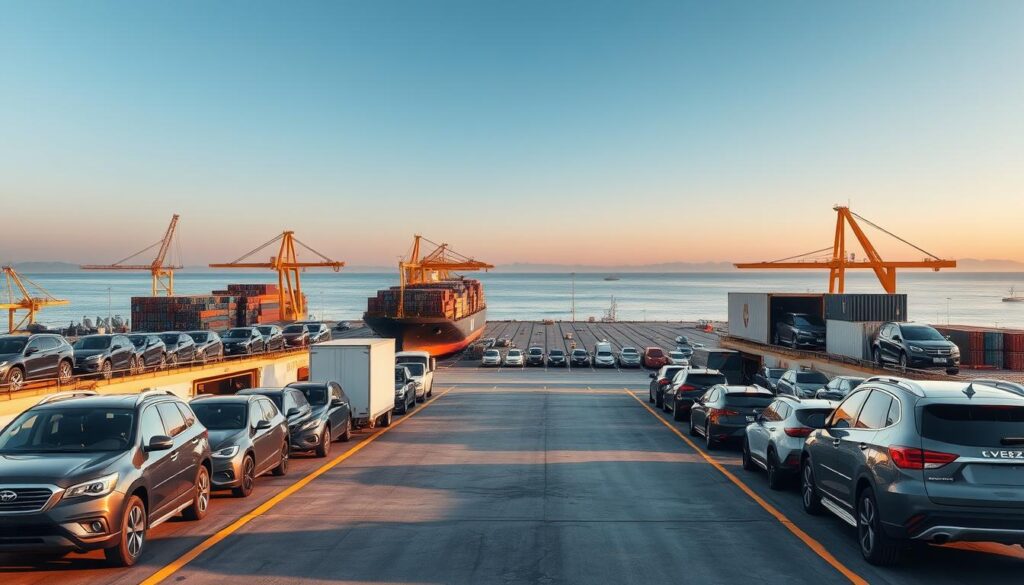
Seasonal demand and route availability drive most fluctuations in vehicle transport rates. In 2026, average car shipping ranges from $500 to $2,000, depending on season and route.
Vehicle shipping prices rise when carriers are scarce and fall when capacity frees up. Distance and vehicle type remain big drivers of final cost. A reputable company will give a clear number for your move and list any added fees.
Many companies provide a standard auto transport service that moves vehicles safely across the country. Professional carriers handle thousands of loads each year and improve delivery reliability.
“Understanding the annual cycle of car shipping helps owners choose the best booking window.”
For precise estimates, request an auto shipping quotes and compare service options. That step clarifies price and helps pick the right carrier for your vehicle shipping needs.
Seasonal Trends and Peak Demand Periods
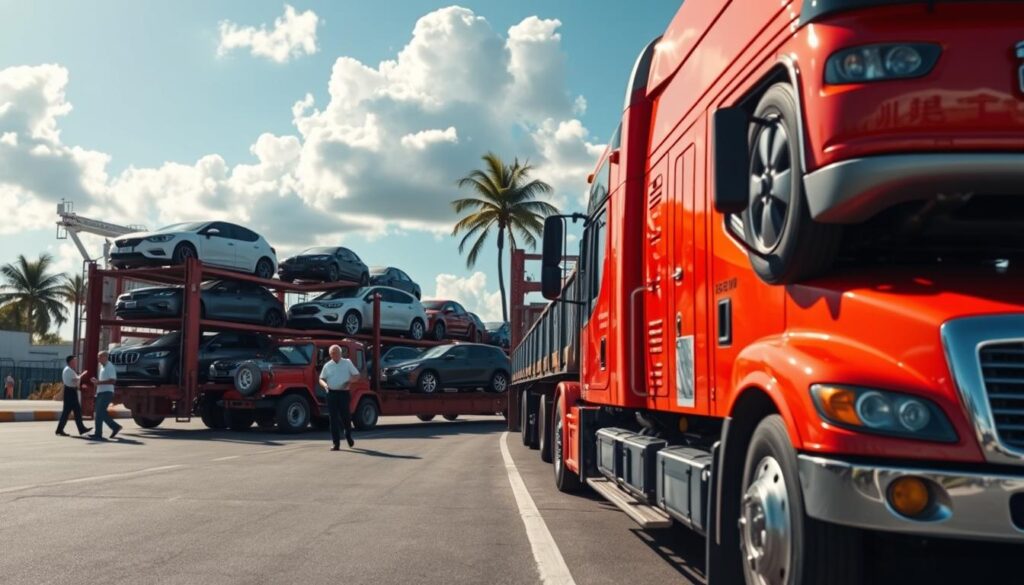
Summer brings the strongest demand for vehicle moves, and prices reflect that pressure. Peak season runs June through August when consumer moves and dealer transfers increase carrier utilization.
Summer months often push rates 10–20% above annual averages. Car owners who book during this window may face limited carrier options and longer lead times.
Summer Peak Season
High demand and full schedules make securing transport harder. Car transport during warm weather is popular for relocations, college moves, and vacation timing.
Expect higher costs and fewer flexible pickup dates during this period.
Off-Season Advantages
February typically shows the lowest demand and better carrier availability nationwide. Booking in that month can lower costs and shorten transit windows.
Plan off-season moves to avoid peak premiums and reduce risk of carrier shortages. For a clear pricing overview, check an updated auto shipping cost guide.
“Reliable auto transport providers track seasonal demand and adjust quotes to reflect true market conditions.”
- Summer: higher demand, fuller carriers, higher rates.
- Winter: possible weather delays in northern states.
- February: lower demand and better availability.
Strategic Planning for Lower Transport Rates
Small windows of flexibility often yield meaningful savings on vehicle shipping. Book your shipment two to three weeks ahead so carriers can plan efficient routes. Early scheduling reduces rush fees and improves available pricing.
Be flexible with pickup dates. Offering a three to five day pickup window helps carriers fill empty trailer spots. That flexibility commonly lowers the final price for the shipment.
Avoid last-minute booking. Within 48 hours the pool of available carriers drops and costs usually rise. Planning ahead prevents premium charges during peak season and bad weather in summer or winter.
- Book 2–3 weeks in advance for better routing and rates.
- Offer a 3–5 day pickup window to secure lower prices.
- Contact several companies to compare the best number for your distance.
“Reliable auto transport companies recommend booking early to ensure preferred timing and avoid added fees.”
For help with service selection or to get a clear number, contact Best Car Shipping Inc. at (307) 288-5972 or info@bestcarshippinginc.com.
Comparing Open and Enclosed Carrier Options
Different trailer types offer trade-offs between affordability and vehicle protection. Owners should weigh value, size, and required security when they ship car units. This step helps control total cost without sacrificing care.
Benefits of Open Transport
Open trailers are common and cost-effective. About 95% of carriers use this format. For standard cars like a 2023 RAV4 or Ford F-150, open transport is safe and reliable.
- Often 40–60% cheaper than enclosed options.
- Wider availability shortens pickup time and improves rates.
- Good for everyday vehicles and long routes.
When to Choose Enclosed
Enclosed carriers serve high-value vehicles that need full protection. This option suits luxury, exotic, or classic cars. Enclosed service is rarer and adds cost, but it prevents road debris and weather exposure.
- Best for collectible autos that need extra care.
- Use when value or size raises concern about open exposure.
- Professional auto transport providers can advise based on vehicle condition and budget.
Leveraging Popular Shipping Routes
Choosing busy corridors can lower final transport prices and improve timing. High-volume lanes allow carriers to fill trailers more efficiently. That efficiency often reduces your shipping cost and shortens transit windows.
Identifying High-Volume Corridors
I-95 and the New York–Florida lane rank among the busiest. Routes between California and Texas also see steady traffic. Constant demand on these corridors gives carriers flexibility and better rates during the summer peak.
If pickup or delivery is rural, expect higher charges. Meeting a carrier at a large parking lot or truck stop can cut fees. Professional companies track these lanes and use that data to provide a fair number for your move.
- Dense corridors produce competitive rates and faster pickups.
- Major metro pairs like CA–TX lower prices due to carrier flow.
- Rural pickup or delivery often raises the total car shipping cost.
- Smart scheduling during peak season leverages route availability.
For clear pricing and a reliable estimate, see the latest shipping cost.
The Impact of Pickup and Delivery Flexibility
Small timing allowances for pickup and delivery can unlock better rates from carriers already on the road. Offering a 3–5 day window increases carrier options and often lowers your final shipping cost.
Door-to-door service adds convenience, but flexibility with the pickup location reduces price. Meeting a carrier at a terminal or safe lot helps fill space on an existing route.
Rigid schedules restrict carriers and usually force premium pricing. Carriers prefer loads that fit current demand and routing. When a vehicle aligns with those runs, carriers accept lower rates.
- Allow 3–5 days for pickup and delivery to increase quotes.
- Be open to nearby pickup spots instead of strict door service.
- Expect weather and traffic to shift delivery time; flexibility reduces delays.
Professional auto transport providers focus on efficiency and protection. Customers who remain flexible often see lower costs and smoother shipment results. For local options and a clear number, review local car transport options or contact (307) 288-5972 / info@bestcarshippinginc.com.
Evaluating Terminal to Terminal Shipping
Choosing terminal delivery can cut your transport bill while keeping your vehicle secure.
Terminal-to-terminal service often saves $50–$150 versus door service. Many carriers operate secure yards across the United States. Vehicles may be stored briefly before final delivery.
Owners should check distance to the nearest yard. If driving time is short, the lower price usually outweighs the extra effort.
Professional companies will advise whether terminal pickup is the best option. They coordinate pickup and drop-off and confirm yard security before shipment.
| Option | Typical Savings | Best for | Considerations |
|---|---|---|---|
| Terminal-to-terminal | $50–$150 | Cost-conscious owners | Requires short drive to yard; check security |
| Door-to-door | None (convenience premium) | Full-service delivery | More convenient; higher price |
| Hybrid (terminal + short delivery) | $20–$80 | Balanced budget and convenience | May reduce distance while lowering price |
Tip: Verify yard hours, surveillance, and insurance. For guidance or a firm number, contact Best Car Shipping Inc. at (307) 288-5972 or info@bestcarshippinginc.com.
Common Mistakes to Avoid When Seeking Savings
A low initial number can mask hidden fees and extended transit times. Owners who pick solely by price often face delays, rerouting, or surprise charges.
Avoiding bait quotes
Watch for unusually low offers. These bait prices commonly lead carriers to request add-ons later or delay pickup until they can recoup losses. Choose licensed companies with clear pricing.
The Reality of DIY Driving
Driving long distance seems cheaper until you add gas, hotels, food, and wear. Typical DIY expenses run between $680 and $845. Time lost and vehicle depreciation make professional transport a competitive option.
Verifying Insurance
Every legitimate carrier must carry cargo insurance. Always request a certificate before loading. This step protects the vehicle and sets expectations for claims handling.
- Tip: Bold Auto Transport books thousands of shipments and advises against choosing the lowest price alone.
- The Autosled app can help owners self-dispatch while tracking rates and carriers.
- Plan moves in the off-season to avoid summer peak pricing and tighter availability.
“Verify insurance and read the full quote before confirming any booking.”
Conclusion
Smart timing and simple flexibility cut shipping expenses while keeping service quality high.
Book 2–3 weeks in advance and favor open transport for lower rates. This strategy balances seasonal demand and personal schedule and often reduces total cost without extra risk.
Choose reputable companies that show clear pricing and provide verified insurance for each vehicle. Avoid unusually low quotes that mask add-ons or delays.
Compare DIY driving costs against professional car shipping; real savings come from full cost analysis, not headline numbers.
For tailored advice and firm estimates, contact Best Car Shipping Inc. at (307) 288-5972 or info@bestcarshippinginc.com. Proper planning ensures safe, efficient transport any season.