
Choosing a secure method for vehicle transport begins with clear priorities: protection, reliable delivery, and transparent pricing. The global auto transport market now nears USD 314.9 billion by 2025, which means more carrier choices and varied services for owners.
Safe car shipping depends on picking the right company, proper insurance, and the correct trailer type for the vehicle. Enclosed trailers add weather and debris protection for high-value or classic autos. Licensed carriers that offer written quotes and real-time tracking reduce surprises and lower risk of damage.
Prepare the car, document its condition, and confirm coverage before handoff. For a practical primer on choosing providers and comparing quotes, consult our best car shipping guide. That helps secure fair price and smooth delivery.
Key Takeaways
- Prioritize licensed, insured transport companies with solid reviews.
- Choose enclosed transport for high-value or classic vehicles.
- Obtain transparent quotes and verify included services and fees.
- Document vehicle condition and follow prep steps before pickup.
- Use tracking and regular updates to ensure on-time delivery.
Understanding the Auto Transport Industry
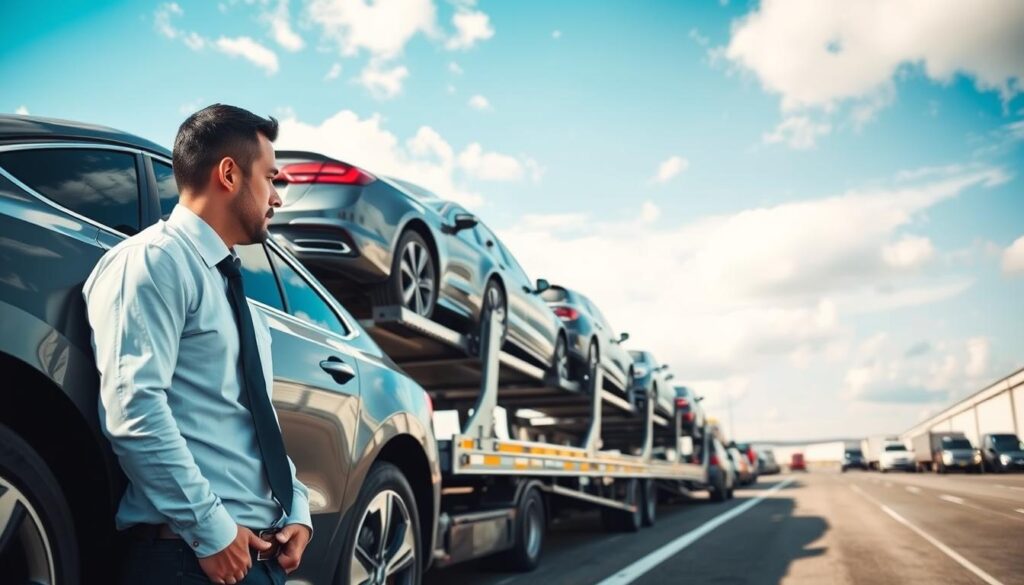
Modern vehicle transport blends logistics, equipment, and regulation to protect cars in transit.
The auto transport industry has grown into a major sector, with projections near USD 314.9 billion by 2025. This growth creates more routes, more trailer types, and more service choices for owners.
Professional car shipping firms use specialized rigs, secure tie-downs, and trained crews to limit damage. Several factors affect costs: distance, seasonal demand, vehicle size, and pickup or delivery locations.
Choosing an auto transport company means checking licenses, insurance, and clear quotes. Reliable companies communicate timelines and include written details about price, coverage, and delivery process.
Reliable carriers reduce stress by offering tracking, written quotes, and customer support during transit.
| Service | Typical Use | Cost Factors | Protection |
|---|---|---|---|
| Open trailer | Everyday car shipping | Distance, season | Standard tie-downs |
| Enclosed trailer | High-value car transport | Vehicle value, route | Full weather protection |
| Door-to-door | Home pickup and delivery | Access, time windows | Convenience, added handling |
| Terminal-to-terminal | Budget-conscious shipping | Pickup location, storage | Secure yard holding |
What Is the Safest Way to Ship a Car?
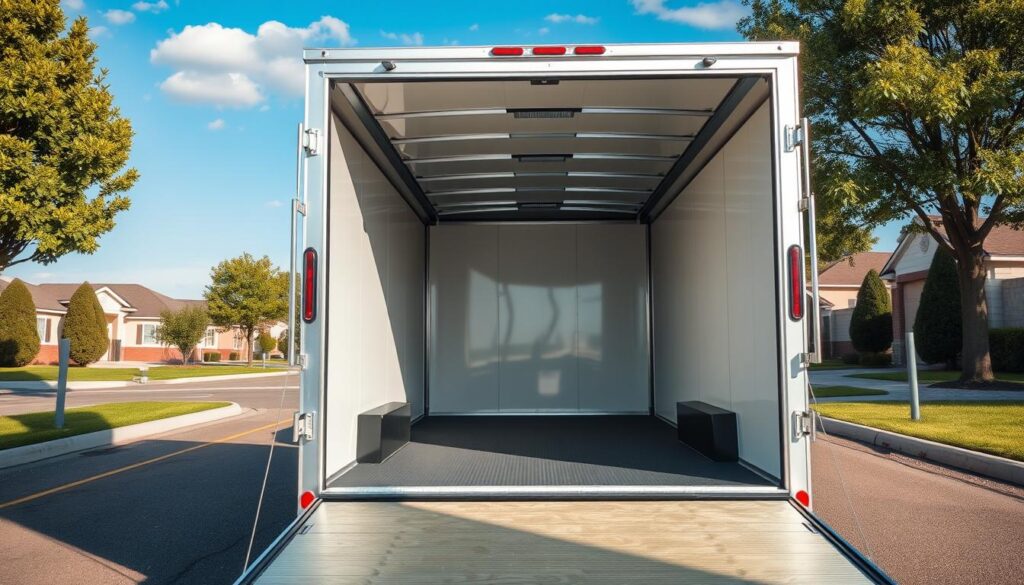
Enclosed Transport Benefits
Enclosed transport protects high-value vehicles from weather and road hazards during transit.
Owners of classic car models and luxury autos often choose an enclosed trailer for maximum security. This service shields vehicles from rain, salt, debris, and UV exposure. That protection reduces the chance of cosmetic damage and preserves resale value.
Choosing covered hauling means paying more. Still, many consider the extra price worthwhile for rare or irreplaceable vehicles. Compare quotes and confirm insurance limits before booking.
Professional Handling
Trained crews load and secure vehicles with industry-standard straps and frames. Proper tie-downs prevent movement and lower the risk of damage during long hauls.
With 7,858 businesses in the vehicle shipping industry, selecting a company that emphasizes experience and clear communication matters. Request written quotes, verify insurance, and ask about driver training and handling procedures.
- Prioritize enclosed transport options for high-value cars.
- Confirm insurance and written quotes before pickup.
- Choose companies with proven handling and tracking.
For more on reliable enclosed transport options, see our detailed guide: enclosed transport options.
Comparing Open and Enclosed Trailer Options
Selecting the right trailer type balances budget, vehicle value, and delivery timeline.
Open transport is the most common and cost-effective option for standard car shipping. Car owners often see large, double-decker rigs on highways. This method lowers price and suits routine transfers.
Open transport does leave vehicles exposed to weather and road debris. For many owners, that exposure is acceptable for daily autos.
Enclosed trailer service targets luxury, exotic, and classic vehicles. The enclosed trailer provides environmental shielding and extra security.
Enclosed hauling costs more. Limited carrier availability and specialized equipment raise the price and affect timing of delivery.
- Choose open transport for lower cost and wide availability.
- Choose enclosed trailer when protection, insurance limits, and vehicle value are priorities.
- Let the company explain pros and cons and provide clear quotes for each option.
Proper trailer selection is a critical factor in reducing damage during transit. Match the service to budget, vehicle condition, and expected delivery time.
Evaluating Potential Car Shipping Companies
Begin vetting carriers by confirming licenses and active DOT registration for each candidate. This step ensures the transport company operates legally and carries required coverage.
Checking Licensing and Credentials
Verify USDOT and MC numbers and request proof of insurance. Licensed firms must provide written quotes and policy limits. Sherpa Auto Transport’s Price Lock Promise helps prevent unexpected charges after booking.
Reading Customer Reviews
Review feedback on the Better Business Bureau and major review sites. Ratings reveal consistent strengths or recurring issues. SGT Auto Transport’s BBB Accreditation and B rating are examples of verified trust signals.
Verifying Experience
Ask about years in the auto transport industry, typical routes, and handling for specialty vehicles. Prioritize companies that explain the process, insurance limits, and delivery time clearly.
Compare at least three quotes and confirm which services the price covers. For a reliable partner, consider this detailed company review: smooth rides overview.
Choose carriers that communicate clearly and show documented experience. A transparent transport company reduces risk and improves shipping experience.
| Check | Why it matters | What to ask | Red flag |
|---|---|---|---|
| DOT/MC numbers | Legal operation | Provide registration and insurance | Refusal to share |
| Customer reviews | Service quality | Recent delivery experiences | Many unresolved complaints |
| Experience | Handling and logistics | Years in industry, specialty services | Vague answers on procedures |
| Price terms | Cost predictability | Written quote, included fees | Oral-only estimates |
Getting Accurate Quotes and Avoiding Hidden Fees
Accurate quotes start when carriers receive exact vehicle dimensions, pickup and delivery zip codes, and firm dates.
Provide full details about make, model, weight, and any modifications. Note if the vehicle runs, the type of trailer preferred, and whether door-to-door is required. These items shape the final price and delivery timeline.
uShip reports typical costs ranging from $0.78 per mile for long trips to $2.92 per mile for shorter moves. Low estimates that sit well below market averages often hide extra fees for fuel, storage, or shuttle services.
Ask the transport company to list included services: pickup style, insurance limits, tracking, and any lift-gate or oversized-vehicle charges. Transparent providers explain possible surcharges up front.
Demand written quotes and clear fee breakdowns. That reduces surprises and protects your vehicle during transit.
Compare at least three quotes and negotiate where possible. For interstate moves, consult our guide on how best to ship your car to another state for extra context on fees and timing.
| Quote Element | Why it matters | Typical impact on price | What to confirm |
|---|---|---|---|
| Vehicle details | Size and weight affect trailer choice | Moderate to high | Accurate make/model, operable status |
| Route & distance | Long routes lower per mile; short increase | Per mile variance | Exact zip codes and pickup windows |
| Service level | Door-to-door adds handling and cost | Medium | Included pickups, storage, tracking |
| Insurance & fees | Limits determine protection and claims | Low to high | Policy limits, deductible, surcharge list |
Essential Steps for Preparing Your Vehicle
A clean, inspected vehicle gives both owner and carrier clear proof of preexisting conditions.
Cleaning and inspection make it simple to note scratches, dings, and mechanical issues before pickup. Take dated photos from multiple angles. Walk the car with the transporter and sign the pre-shipment report.
Cleaning and Inspection
Wash the exterior and vacuum the interior to expose blemishes. Record tire condition, fluid levels, and any loose parts.
Removing Personal Items
Remove valuables and limit personal items to 100 lbs stored in the trunk or below the window line, per Sherpa Auto Transport rules. Many shipping company policies restrict onboard belongings for safety and insurance reasons.
Before the carrier arrives, set the gas tank to no more than a quarter full, disable alarms, and remove loose accessories. These steps cut weight, prevent false alerts, and reduce damage risk.
A well-prepared vehicle improves the shipping experience and helps protect owners if damage claims arise.
| Step | Action | Why it matters |
|---|---|---|
| Cleaning | Wash and document exterior/interior | Makes damage easier to spot |
| Inspection | Photograph and sign condition report | Provides proof for claims |
| Personal items | Limit to 100 lbs in trunk | Meets carrier rules and insurance limits |
| Prep | Disable alarm, set gas ≤25% | Prevents malfunctions and lowers weight |
For Spanish-language guidance on preparing vehicles, consult our transporte de carros resource.
The Role of the Bill of Lading
A Bill of Lading protects the owner by recording the exact condition and terms before a vehicle leaves for transit.
This document serves as both contract and receipt. It lists pickup and delivery dates, carrier details, and agreed services. It also records preexisting scratches or dents.
Before the transport company loads the car, the driver and owner inspect the vehicle together. They note any damage on the Bill of Lading and sign to acknowledge condition.
On delivery, use the same form to compare condition. Any new damage should be recorded before signing final paperwork.
- Keep a copy. Retain the Bill of Lading for insurance or claims.
- Confirm terms. Ensure the shipping company explains insurance and timelines.
- Document clearly. Photos plus the signed form speed claim resolution.
Careful documentation on the Bill of Lading protects the owner and clarifies responsibility for damage during transport.
For local quotes and reliable service, see this car shipping in Scottsville, Kentucky resource.
Navigating International Shipping Requirements
International moves demand careful paperwork, local rule checks, and early planning to avoid costly delays.
Regulatory and import rules vary widely by country. Fees for overseas transport commonly range from $1,000 to $2,000 per vehicle. Expect additional taxes, agent fees, and local import charges on arrival.
Many nations require safety or emissions modifications. Owners should confirm that their vehicle meets regional standards before booking. Quarantine rules are also common. Some ports insist on a deep cleaning prior to export.
Regulatory and Import Considerations
Work with an experienced company that manages customs, paperwork, and port agents. A trusted partner reduces the risk of delays from missing certificates or unexpected inspections.
Plan for extra time. Regulatory holds over safety equipment or documentation can add days or weeks to delivery. Verify insurance limits, required documents, and any necessary modifications well before pickup.
“Research destination import laws and confirm all documents to protect your vehicle and avoid costly setbacks.”
- Confirm taxes and local fees with customs agents.
- Request written quotes that list port and agent charges.
- Choose a carrier with international experience and clear timelines.
Weighing the Pros and Cons of Driving Versus Shipping
Owners must compare direct costs and hidden expenses.
Mileage, fatigue, and potential repairs are real trade-offs when deciding how to relocate a vehicle.
Driving can feel like an adventure. It adds wear and tear and consumes time. A 2,800-mile trip in a late-model Honda Accord can cost nearly $500 in gasoline alone. That figure excludes hotels, meals, and maintenance.
Professional car shipping removes long drives from the move. It preserves mileage and reduces the chance of mechanical issues. Shipping also protects resale value by avoiding extra miles and roadside risks.
Consider intangible benefits: less fatigue, fewer days away from work, and predictable delivery windows. A reputable auto transport company offers written quotes, tracking, and insurance that address those concerns.
“Factor total time, price, and vehicle condition when choosing between driving and shipping.”
- Drive: Lower upfront price for short trips; higher wear and time cost for long moves.
- Ship: Higher service cost but lower risk of damage and less personal time lost.
Managing Expectations for Delivery Timelines
Delivery windows for vehicle transport often shift because distance, routing, and unforeseen road conditions affect schedules.
Most car shipping providers aim for delivery within a week for typical routes. Road closures, heavy traffic, or severe weather can add days without warning.
Peak seasons such as summer and holiday periods extend pickup windows. High demand strains capacity and raises per mile prices.
Being flexible with dates can lower the final price and improve quote options. Expedited service is available from some shipping companies, but it increases cost.
Clear communication with the transport company matters. Request regular status updates and tracking so arrival times are predictable.
Plan for margins. Allow extra days in schedules and confirm any added fees tied to delays or reroutes.
- Expect variation by distance and route.
- Anticipate longer waits during peak time year.
- Choose expedited service only when timeline outweighs price.
For questions about timing, quotes, or insurance, contact Best Car Shipping Inc. at (307) 288-5972 or email info@bestcarshippinginc.com.
Protecting Your Investment with Proper Insurance
Ask the carrier for its insurance declaration page and policy limits before pickup. This simple step shows what types of damage the company covers and the dollar limits available for claims.
Most transport companies include basic coverage, but supplemental plans often make sense for high-value, classic, or exotic cars. Confirm whether weather-related loss, theft, and loading damage are listed.
Whether you choose open transport or enclosed shipping, get proof in writing. Review exclusions, deductibles, and the process for filing claims. If coverage looks thin, request written quotes for supplemental insurance from third-party brokers.
- Verify carrier policy: ask for the declaration page and contacts for claims.
- Compare coverage: check carrier limits versus vehicle value.
- Consider supplemental plans: especially for rare or high-priced vehicles.
- Check personal insurance: some auto policies add protection during transit.
Document coverage and retain signed paperwork at pickup. Clear proof of insurance speeds claim resolution and reduces disputes.
Conclusion
A focused review of quotes, insurance, and carrier history pays dividends at delivery.
Choose a reputable car shipping company that shows licensing, clear pricing, and solid reviews. Match service—open auto transport or enclosed— to vehicle value and budget.
Prepare the vehicle, document its condition, and confirm coverage before handoff. Work with an auto transport company that communicates and offers tracking for a smoother shipping experience.
For cost-effective routes and reliable open options, consider our open auto transport guide. Contact a trusted transport company for a written quote and confident delivery.