
Understanding higher transport fees starts with logistics. Remote pickups demand extra driving time, limited carrier options, and careful route planning. These factors push the average 2026 fee to about $1,200 for standard nationwide service.
Professional carriers add value through experience and safety protocols. Sherpa Auto Transport’s Price Lock Promise® guarantees the quoted amount stays fixed. That protects customers from surprise increases and hidden fees.
Limited availability of carriers in remote areas raises operational strain. Customers pay for trained crews, secure loading, and reliable delivery from pickup to final drop-off. Transparency is vital when comparing providers.
For clear answers, contact the team at info@bestcarshippinginc.com or call (307) 288-5972. The firm emphasizes care, clear pricing, and vehicle protection throughout transit.
Key Takeaways
- Remote pickups increase transit time and raise the average 2026 cost to about $1,200.
- Sherpa Auto Transport offers a Price Lock Promise® to prevent surprises.
- Fewer carriers in remote areas drive up rates and planning needs.
- Professional service covers secure loading and full transit protection.
- Prioritize transparency to avoid hidden fees and delays.
Understanding the Basics of Auto Transport
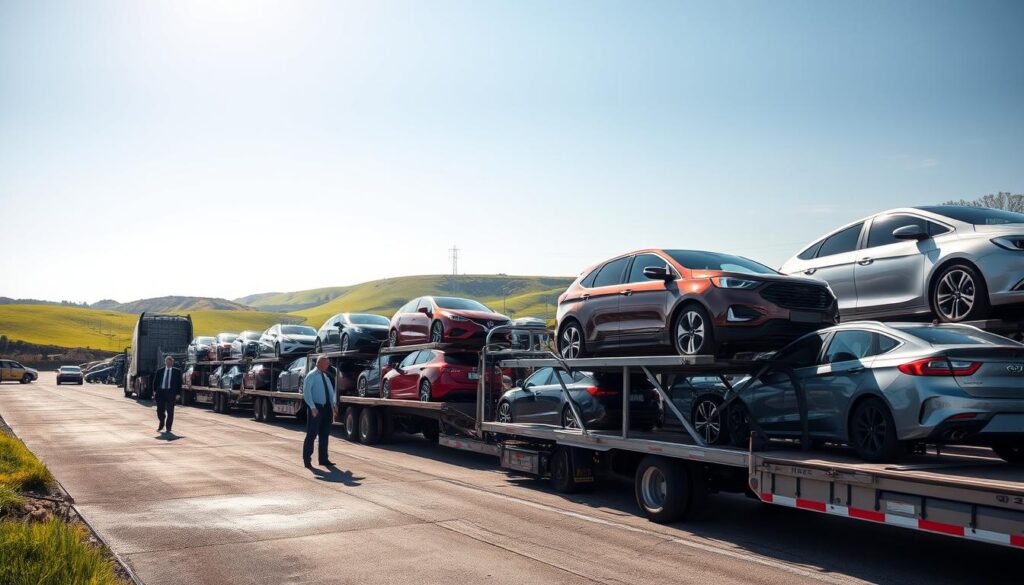
Moving a vehicle between states relies on a coordinated network of brokers and licensed carriers. Car shipping uses specialized trailers and trained crews to protect your asset during long trips.
What is Car Shipping
Car shipping is a professional service that transfers cars without adding mileage. It lets owners relocate personal vehicles or dealers move inventory with reduced risk.
How the Industry Works
Companies connect customers to carriers who schedule pickups and secure vehicles on trailers. Drivers follow routing plans and safety checks for each load.
- Professional transport uses experienced drivers to secure vehicles for long-distance transit.
- Options include door-to-door delivery and terminal-to-terminal services.
- The network scales to handle single cars or multiple vehicles for dealers.
Understanding how these providers operate helps you choose reliable transport companies. For assistance or a quote, contact info@bestcarshippinginc.com or call (307) 288-5972.
Why Rural Car Shipping Costs More
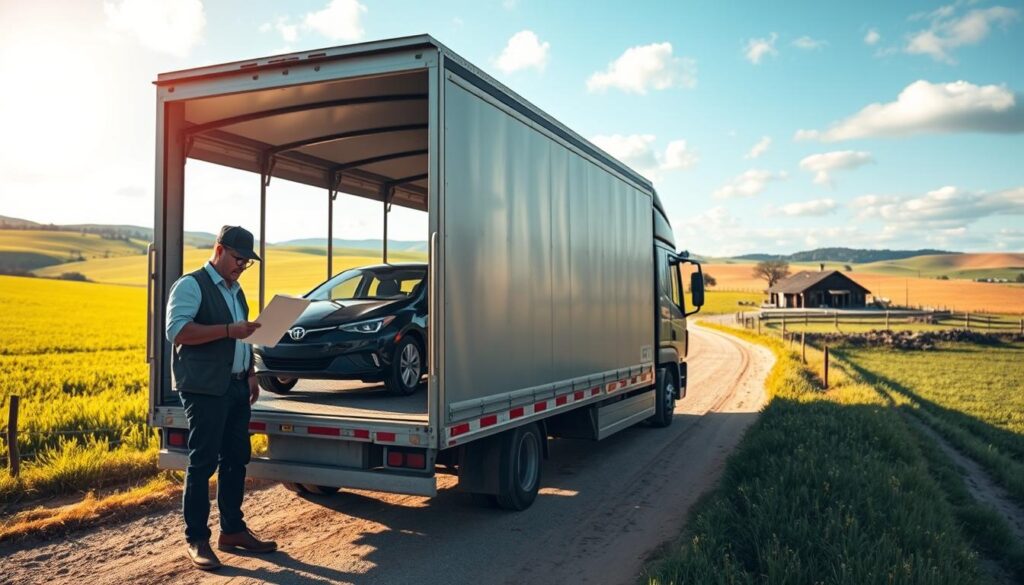
Delivering vehicles to remote addresses forces carriers to leave main routes and add dedicated miles. That adds fuel use and extra transit time.
Carriers often cannot find return loads in isolated areas. This raises the quoted price because drivers must run empty or take long detours.
Size and access matter. Larger trucks may struggle on narrow roads. Weight and space issues can require special equipment, which drives up fees.
- Deviating from interstates increases fuel and labor charges.
- Low local demand means fewer trucks and higher per-vehicle prices.
- Meeting a carrier at a nearby highway can reduce the overall cost.
| Factor | Urban | Remote |
|---|---|---|
| Route deviation | Minimal | Significant |
| Return load availability | High | Low |
| Equipment needs | Standard | Specialized |
| Typical effect on price | Lower | Higher |
Understanding these factors helps owners get realistic car shipping quotes. For a reliable transport quote or to ship car assets safely, contact info@bestcarshippinginc.com or call (307) 288-5972.
The Role of Distance and Mileage in Pricing
Distance directly shapes the pricing model for vehicle transport across states. Short runs and long hauls follow different math. Carriers spread fixed tasks, like loading and paperwork, across the total route.
Calculating Cost Per Mile
Short-distance shipments (0–500 miles) typically run between $1.60 and $2.60 per mile. Fixed loading and unloading drive that higher per mile figure.
Long-distance trips (1,501+ miles) are more efficient per mile. Expect roughly $0.60 to $0.95 per mile. Carriers lower rates because the same fixed work covers many more miles.
- The total distance is the main factor that sets the final price of a transport job.
- As distance rises, total cost goes up but the per-mile rate usually falls.
- Route demand, mileage and transit time also shape the quoted price and final costs.
Understanding mileage helps owners plan a realistic quote. For a clear estimate of your car shipping cost, visit car shipping cost or contact info@bestcarshippinginc.com for assistance.
How Carrier Availability Impacts Your Quote
When carrier pools tighten during busy months, customers see higher transport prices and longer lead times. Peak demand lets carriers be selective. That raises the quoted fee for many vehicle moves.
Urban areas usually have more available carriers. That competition helps keep the cost of car shipping competitive for owners and businesses.
If pickup is in less-served areas, expect fewer trucks and longer wait times. Larger vehicles need specific equipment. That factors into the final price.
RoadRunner Auto Transport monitors carrier pools and market demand. This helps provide an accurate, competitive quote for your vehicle.
- Plan ahead to secure better prices and earlier pickup windows.
- Watch fuel trends and seasonal spikes that affect carrier supply.
- Confirm vehicle size and access to avoid unexpected service needs.
| Factor | High Carrier Supply | Low Carrier Supply |
|---|---|---|
| Typical effect on price | Competitive | Increased |
| Pickup wait time | Short | Long |
| Equipment availability | Standard trucks available | Specialized trucks limited |
For a clear estimate of your car shipping cost, check current car shipping prices or contact info@bestcarshippinginc.com / (307) 288-5972.
Seasonal Fluctuations and Market Demand
Market demand shifts with the seasons, and that change filters directly into your vehicle’s quote.
Summer Peak Season
Summer is the busiest time for car shipping. Movers and buyers increase demand for available carrier space.
The result is higher prices and tighter pickup windows for open transport options.
Winter Weather Challenges
Cold, snow and ice in places like New York can close routes and delay delivery time.
Carriers factor extra fuel and safety time into the final quote. That raises the overall transport cost.
- Summer: high demand, higher prices, limited carriers.
- Fall: demand drops; prices often fall.
- Winter: weather risks, slower pickups, added fuel and time.
| Season | Demand | Typical effect on price |
|---|---|---|
| Summer | High | Increased |
| Fall | Moderate | Competitive |
| Winter | Variable | Higher due to delays |
Planning ahead helps control car shipping cost and reduces surprises. For a clear quote, contact info@bestcarshippinginc.com or call (307) 288-5972.
The Impact of Fuel Prices on Shipping Rates
Fuel price swings often set the tone for every vehicle transport quote.
Fuel is one of the largest operating expenses for carriers. When oil climbs, carriers add surcharges to cover diesel and extra run time.
These surcharges show up on a per mile basis. Even a small rise per mile can push the total price well above an initial estimate.
Long-distance moves, such as runs into New York, make fuel a larger portion of the final bill. Carriers price to protect margins over long miles and varied routes.
“Carriers adjust quotes to reflect current fuel markets so deliveries stay reliable and on schedule.”
BestCarShippingInc monitors fuel trends to provide accurate quotes. Customers who understand fuel’s role can better compare offers and avoid surprises.
- Fuel drives carrier pricing and affects the car shipping cost.
- Surcharges grow with distance and transit time.
- Ask for a fuel-breakdown in your quote to see the exact price impact.
For a current quote, contact info@bestcarshippinginc.com or call (307) 288-5972.
Vehicle Size and Weight Considerations
Vehicle dimensions and mass directly change how carriers plan loads and assign equipment.
Larger vehicles such as full-size SUVs or heavy trucks occupy extra trailer space. That reduces the number of vehicles a carrier can haul and often raises the final price.
Heavier vehicles increase fuel consumption and can trigger special permits on certain roads. Carriers may use extra straps, winches, or ramps to handle these loads safely.
Special Handling for Large Trucks
Enclosed transport is protective but limited in space. When a customer requests enclosed transport for a large truck, expect a higher quote due to fewer available slots.
Open transport is usually more flexible for standard cars. Still, oversized trucks may need tailored planning to meet road regulations and weight distribution rules.
- Provide exact dimensions when requesting a quote to avoid delays.
- Carriers balance weight to protect vehicles and meet safety rules.
- Longer distances and extra miles add fuel-related charges for heavy loads.
| Factor | Standard Car | Large SUV/Truck | Impact on Price |
|---|---|---|---|
| Trailer space used | 1 slot | 1.3–1.6 slots | Higher per-vehicle |
| Equipment needed | Standard ramps | Special ramps/winches | Additional fee |
| Fuel & miles | Lower | Higher | Increased cost |
| Transport option | Open transport common | Often enclosed or special plan | Higher prices |
Accurate vehicle size and weight lead to reliable quotes and smoother pickup. For a tailored estimate, request auto shipping quotes or contact info@bestcarshippinginc.com / (307) 288-5972.
Open Versus Enclosed Transport Options
Open racks on multi-car trailers handle the bulk of interstate moves. This option is the most common and budget-friendly choice for owners of standard vehicles.
Open transport serves over 90% of customers. It is cost-effective and widely available from most carriers, which shortens lead times and simplifies booking.
Enclosed transport offers premium protection. It shields your vehicle from weather, dirt, and road debris during the entire transit process. Owners of luxury or classic cars often prefer this option despite higher fees.
Consider vehicle value and tolerance for exposure when choosing. If protection is a priority, enclosed service is worth the investment. If budget and speed matter most, open service usually fits.
“Enclosed carriers reduce exposure and preserve finish during long hauls.”
Both options use professional carriers committed to safe, timely delivery. The team at BestCarShippingInc can recommend the best method for your needs. Contact info@bestcarshippinginc.com or call (307) 288-5972 for guidance.
| Option | Typical Use | Primary Benefit |
|---|---|---|
| Open transport | Everyday cars, common models | Lower price, faster booking |
| Enclosed transport | Luxury, classic, exotic vehicles | Superior protection from elements |
| Carrier availability | High across carriers | Shorter lead times for open loads |
Preparing Your Vehicle for Safe Transit
A brief inspection before pickup helps document condition and speeds up delivery.
Prepare early. Wash the vehicle so scratches and dings are visible. Clean surfaces make it easier to note pre-existing damage on the Bill of Lading.
Remove all personal items from the interior. Customers may store up to 100 lbs in the trunk, but keep valuables with you.
Check fluid levels and tire pressure. A vehicle in good running order reduces handling delays during loading and unloading.
- Take clear photos from four sides and the odometer for condition records.
- Have keys and paperwork ready at pickup to speed the process.
- Arrive or position the vehicle on time so the carrier can keep their schedule.
Proper preparation protects your interests and gives peace of mind throughout the shipping car process. For assistance, contact info@bestcarshippinginc.com or call (307) 288-5972.
Navigating Broker and Carrier Relationships
Clear roles and steady communication between brokers and carriers reduce surprises during transport.
Brokers act as an advocate for the customer. They post shipments to a vetted network of carriers and manage scheduling for pickup and delivery.
A reputable broker verifies insurance, safety records, and operating authority. That vetting protects your vehicle and gives you a reliable quote for services.
The carrier owns the truck and runs the physical move. Drivers follow the carrier’s plan to load, secure, and deliver the vehicle on schedule.
Effective communication among broker, carrier, and customer makes pickups and handoffs predictable. Sherpa Auto Transport partners with trusted carriers so customers get consistent service and care.
| Role | Main Responsibility | Customer Benefit |
|---|---|---|
| Broker | Scheduling, vetting, customer support | Better carrier matches and clear quotes |
| Carrier | Owns truck, moves the vehicle | Safe handling and timely delivery |
| Driver | Loading, securing, transit | Professional execution of pickup and delivery |
For a clear estimate or to learn how your shipment will be managed, visit how much is car shipping or contact info@bestcarshippinginc.com / (307) 288-5972.
Strategies to Lower Your Shipping Expenses
Advance planning and calendar flexibility make it easier for carriers to bundle loads and reduce per mile charges.
Booking in Advance
Reserve early to lock better price options and secure carrier availability. Carriers can plan routes when they know schedules ahead.
Maintaining Flexibility
Shift pickup or delivery windows if possible. Being flexible lets providers combine loads and lower overall transport fees.
Asking for Discounts
Request discounts for students, military, or multi-vehicle moves. Also compare open transport versus enclosed transport for larger vehicles.
“Small adjustments to timing or location often yield the largest savings.”
| Strategy | Typical Benefit | Use Case |
|---|---|---|
| Book 2–4 weeks ahead | Lower price, better slots | Long-distance moves |
| Flexible pickup/delivery | Reduced per-mile and fees | When carrier can reroute |
| Ask about discounts | Direct savings on quote | Students, military, multi-vehicle |
Avoid peak season like summer when possible. For tailored advice or a precise car shipping cost, check local options at car shipping and auto transport Upton or contact info@bestcarshippinginc.com / (307) 288-5972.
Avoiding Common Pitfalls and Scams
Scammers often win attention with very low quotes that hide fees until after pickup. Be skeptical of offers well below market prices. Low initial numbers frequently lead to surprise fees and delayed delivery.
Always get a written contract. It should list the total price, insurance limits, cancellation terms, and exact pickup and delivery windows. A clear contract protects money and prevents disputes.
Verify the carrier’s USDOT authority and insurance before your vehicle is collected. Confirm coverage amounts and request proof in writing.
Watch for large upfront cash demands. Legitimate providers use secure payment methods and will not insist on full cash payment before service.
- Compare multiple quotes to spot outliers in prices and per mile estimates.
- Confirm enclosed transport capacity and experience if you need extra protection for high-value vehicles.
- Read recent reviews and check complaints to verify reputation and delivery time records.
“Well-documented agreements and verified insurance reduce risk and keep delivery on schedule.”
For help evaluating a quote or verifying credentials, contact info@bestcarshippinginc.com or call (307) 288-5972.
Conclusion
A clear view of factors that shape each quote empowers better decisions when you need to move a vehicle long distance.
Shipping your vehicle across the country is manageable when you plan ahead, stay flexible, and pick a reputable provider. Prioritize reliability and clear communication over the lowest advertised price.
Expect per mile variations based on distance, service type, and timing. Use multiple quotes to compare total price and protection levels before you commit.
For specific route guidance — including the Florida–North Dakota timeline and typical fees — consult our detailed guide at Florida to North Dakota car shipping.
Questions? Contact info@bestcarshippinginc.com or call (307) 288-5972 for a tailored quote to ship car with confidence.