
Stable cooling keeps a car reliable for daily use. Modern vehicles use closed cooling systems with a reservoir tank to track fluid levels. If the gauge shows wide fluctuation, swift action can prevent costly repair.
Quick checks help spot trouble early. After driving a few minutes, most cars reach steady heat. If the gauge jumps or reads unusually high, let the vehicle sit for at least 15 minutes before inspecting coolant level or hoses.
Experts note that sustained readings above safe limits may cause severe damage in minutes. Regular checks, timely repairs, and clear information gathered over years keep a fleet moving with minimal downtime.
Key Takeaways
- Monitor the gauge each drive to catch early signs of excess heat.
- Keep coolant levels steady; the reservoir helps track fluid status.
- Allow the car to cool for about 15 minutes before inspecting the cooling system.
- Readings above safe thresholds can lead to major mechanical damage fast.
- Address fluctuations promptly to avoid extended repair and transport delays.
Understanding Your Vehicle Temperature Gauge
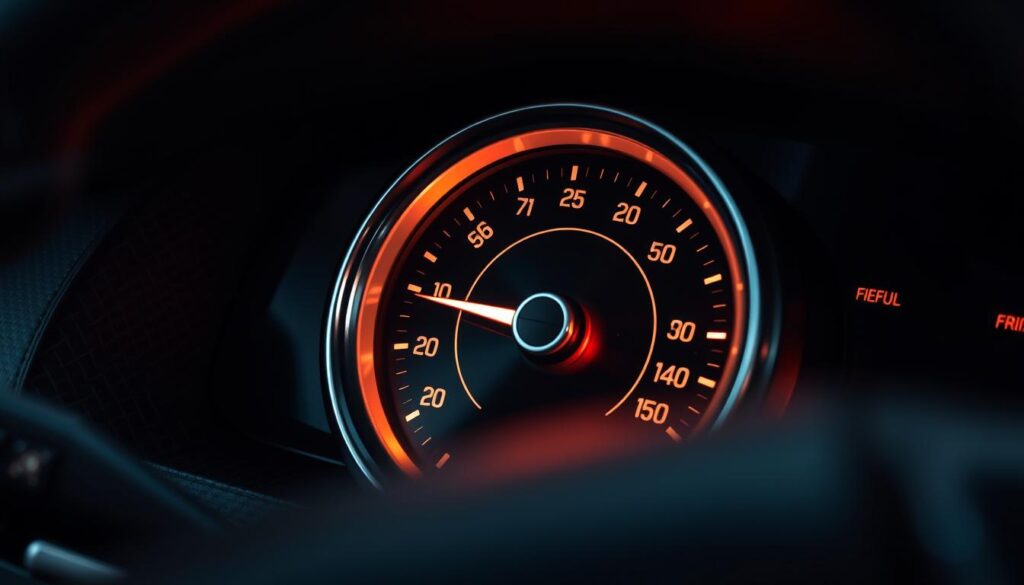
The dash gauge gives live feedback on how hot the coolant is running during each drive. This dial supplies immediate information about coolant temperature so owners can act before damage occurs.
Under normal use the needle climbs slowly after a few minutes and then rests near the center. That middle position indicates a properly functioning cooling system during routine driving.
If the gauge stays in the cold zone after long operation, a faulty thermostat or a bad sensor may be the cause. Expert technicians, with years of service experience, use that clue to narrow diagnostics quickly.
- The car relies on coolant to move heat away from the engine.
- A steady gauge reading signals efficient heat transfer and correct pressure in the system.
- An erratic needle often means the coolant is not circulating as it should.
Keep watching the gauge each trip. Early detection protects the car and reduces repair time.
Common Causes for the Engine Temperature Goes Up and Down Problem
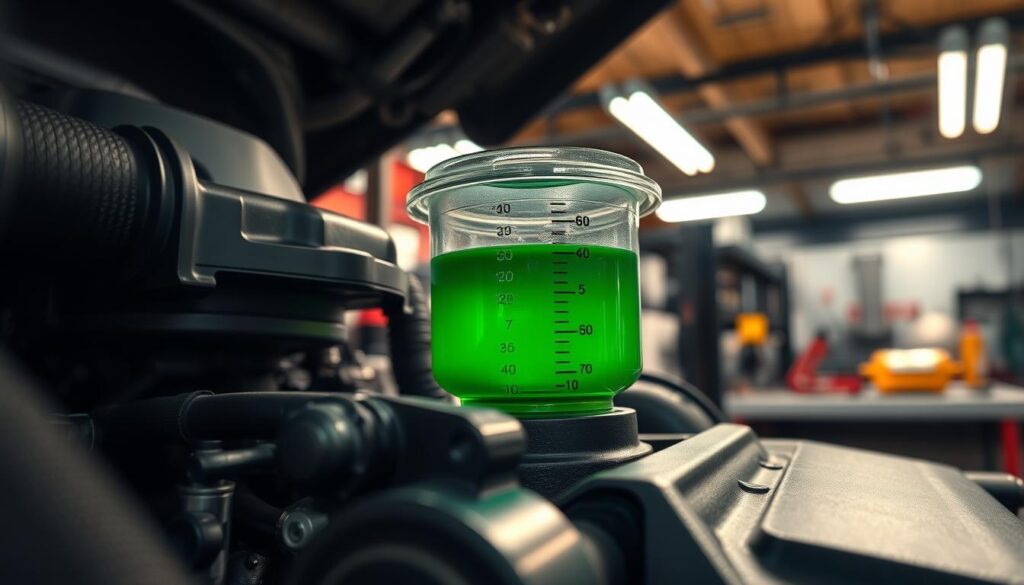
Fluctuating gauge readings usually point to a few predictable faults in the cooling circuit. Quick checks of fluid and moving parts often reveal the source. Timely action limits damage and costly service.
Coolant Level Issues
Low coolant is a frequent cause of an unstable dash readout. Small leaks from the reservoir, hoses, or radiator allow fluid to escape, dropping the coolant level and trapping air in the system.
Air pockets make the sensor detect steam rather than liquid, which causes swings on the temperature gauge. Check the coolant level after the vehicle has cooled for several minutes.
Water Pump Malfunctions
The water pump circulates coolant through the cylinder head and block. A failing pump restricts coolant flow and may cause rapid overheating or seizure in serious cases.
- Low flow from a worn pump reduces heat transfer at the radiator.
- Clogged hoses or a blocked heater core further impede circulation.
- A faulty fan can worsen readings while idling by reducing air through the core.
Action: If these signs appear, have a certified mechanic inspect the cooling system and pump. Addressing faults within minutes of detection saves hours of repairs and protects the vehicle.
Impact of a Malfunctioning Thermostat
A stuck thermostat can turn a steady dash reading into a sudden spike within minutes. When the valve remains closed, coolant cannot reach the radiator. That lack of flow lets heat build quickly and stresses the cooling system.
Conversely, a partially stuck valve lets coolant flow continuously. The car may never reach the proper operating heat. That leads to poor fuel economy and extra wear over years of use.
Signs of a Partially Stuck Valve
- Fluctuating gauge readings or a needle that stays too low despite normal driving.
- Longer warm‑up times and reduced heater output inside the cabin.
- Worse fuel consumption and rough running until the system is fixed.
Testing a thermostat is simple. Remove it and immerse it in hot water to confirm the valve opens at the specified coolant temperature. Replacing a faulty thermostat is a low-cost repair that restores proper coolant flow and improves performance.
Radiator and Cooling Fan Failures
Loss of airflow through the core often causes rapid gauge movement at idle or in heavy congestion. A failing radiator fan will let heat build when the car sits. This shows on the temperature gauge and may stress the engine quickly.
Aluminum radiators are preferred by many mechanics. They shed heat faster and resist corrosion better than older iron cores. That makes the cooling system more reliable over years of use.
A loose or defective radiator cap can admit air. Air pockets create unstable coolant readings and poor circulation. Sludge in the core signals neglect and often means a full flush or replacement is required.
- Failing fan causes higher readings while idling.
- Aluminum cores improve heat dissipation and durability.
- Loose cap or sludge leads to erratic coolant level and gauge action.
| Issue | Common Sign | Suggested Action |
|---|---|---|
| Fan failure | Gauge rises at idle | Test fan motor; replace if weak |
| Radiator corrosion/sludge | Poor heat transfer | Flush or replace radiator |
| Defective cap | Air pockets, unstable readings | Replace cap; bleed system |
Service at the first sign of fluctuation prevents costly repair. Owners with experience know prompt checks save time and keep the vehicle safe. For expert assessment, contact a certified mechanic or call Best Car Shipping Inc. at (307) 288-5972 or email info@bestcarshippinginc.com.
Serious Engine Damage from Blown Head Gaskets
A breach in the head gasket allows combustion gases into the cooling circuit, which can quickly upset coolant circulation and gauge readings.
A blown head gasket creates a leak between the cylinder head and the engine block. That leak lets oil and coolant mix. This contaminates both systems and harms the engine fast.
Combustion gases in the cooling system will cause erratic temperature behavior. The car may lose starting pressure if the seal fails. White smoke from the tailpipe often confirms coolant entering the cylinder.
- Severity: Driving while overheating risks permanent damage to the head and block.
- Symptoms: Loss of power, falling coolant level without visible leaks, and odd exhaust smoke.
- Repair: Fixing a failed head gasket requires removing the cylinder head and extensive labor and time.
Preventive care—protecting the cooling system from extreme heat and monitoring coolant flow—helps avoid gasket failures and keeps a vehicle reliable.
Diagnostic Procedures for Cooling System Air
Quick, methodical checks reveal whether inconsistent dash readouts are due to air or a faulty sensor. Follow a clear sequence to isolate trapped air in the cooling system before costly repairs.
Bleeding the Cooling System
Begin with a cold car. Remove the radiator cap only after the vehicle has cooled for about 20 minutes.
Run the engine briefly with the cap off to let trapped air escape. Watch for steady flow as coolant fills the neck. Repeat until bubbles stop.
Note: A loose cap or low coolant level can reintroduce air. If unsure, seek professional service.
Testing Sensor Accuracy
Locate the coolant temperature sensor near the base of the radiator. Use an expert-grade OBD2 scanner to read live data from the sensor and confirm dashboard values.
- Scan for faults and live readings before replacing parts.
- Replacement typically costs between $145 and $195, including labor.
- If the scan shows errors, have a certified mechanic perform the swap and bleed the loop.
“A proper bleed and an OBD2 check will rule out most causes quickly.”
For trusted help with sensor checks or a full bleed, see this auto transport and service page or contact a local expert.
Professional Repair and Maintenance Tips
A scheduled service visit with a certified shop prevents small faults from becoming costly failures.
Use proper tools for a thermostat replacement: a screw jack, vise grips, screwdrivers, and an adjustable wrench. These tools make the job safer and faster.
Regular maintenance of the water pump and radiator keeps the cooling system within safe temperature limits. Check the coolant level and radiator condition at each service visit.
If the gauge still fluctuates after basic checks, consult a professional mechanic. Rapid heat can damage the head and cylinder surfaces in minutes.
- Inspect fan operation during idle and highway runs.
- Record all service dates and parts replaced to protect resale value.
- Replace a faulty thermostat promptly to restore steady coolant flow.
| Service | What to check | Recommended action |
|---|---|---|
| Thermostat swap | Valve opening, part fit | Replace with OEM or quality aftermarket unit |
| Water pump | Bearing play, leaks | Replace if noisy or leaking |
| Radiator & fan | Core cleanliness, fan motor | Flush core; repair or replace fan |
Trust expert service for persistent faults. Experienced technicians offer the tools, years experience, and information needed to return a vehicle to reliable operation.
Conclusion
A steady glance at the temperature gauge each trip helps owners spot anomalies early. Regular monitoring is the most effective way to detect cooling issues before they become a blown head gasket.
Understanding common causes lets drivers act quickly. Routine service, timely repairs, and simple checks protect the cooling system and extend vehicle life.
Trust experienced technicians when signs persist. Quick attention saves time and money and prevents a costly head gasket repair later.
For questions or professional service, contact Best Car Shipping Inc. at (307) 288-5972 or info@bestcarshippinginc.com. Prompt care keeps your vehicle reliable.