
Recognizing early warning signs of a failing brake system is essential for every car owner. Quick action protects passengers and reduces repair costs. When a vehicle shows trouble stopping, the risk rises fast.
The mechanic should inspect the brake pads, fluid, and related components without delay. A timely check prevents small issues from becoming major repairs. Trustworthy technicians at facilities like Firestone Complete Auto Care offer expert guidance and reliable service.
Key Takeaways
- Early signs often include noise, vibration, or a soft pedal.
- Ignoring a warning costs more and increases safety risk.
- Prompt inspection can save money and downtime.
- Qualified shops provide diagnostics and clear repair options.
- Regular maintenance keeps the car in safe operating condition.
Understanding the Risks of Driving with Bad Brakes
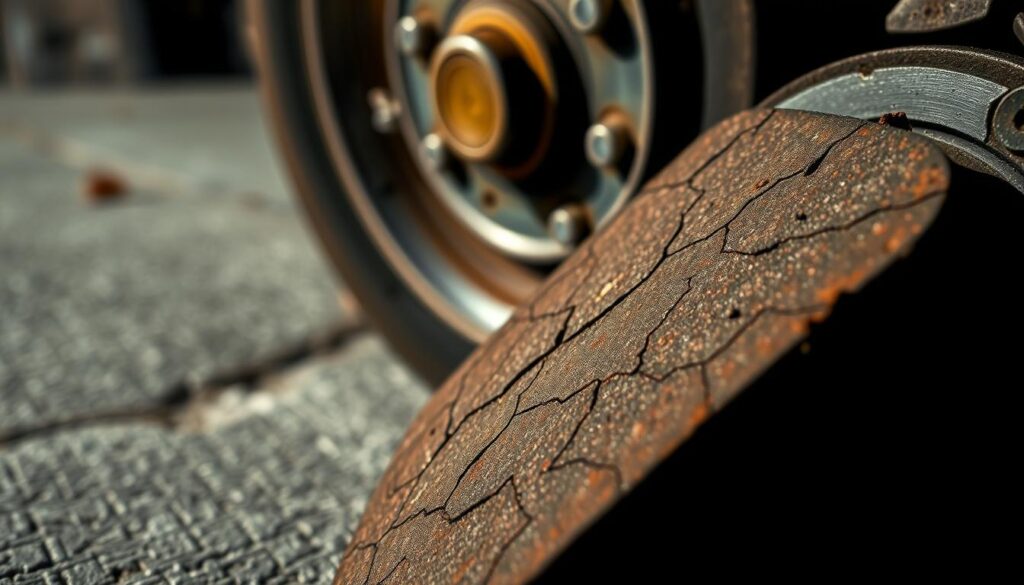
Reduced braking performance turns routine stops into risky maneuvers on busy roads. A worn brake pad or damaged rotor increases stopping distance. That raises the chance of a crash in heavy traffic or poor weather.
Immediate inspection can prevent escalation. Firestone Complete Auto Care offers professional brake system checks to avoid total brake failure. Technicians assess pads, calipers, rotors, and fluid to identify wear and damage early.
Increased Stopping Distances
Worn brake pads make the pedal feel soft and slow to respond. Drivers need more space to stop. In emergencies, that extra distance can mean the difference between a near miss and a collision.
Potential for Total Brake Failure
If pad material wears to metal, grinding damages rotors and calipers. That leads to costly replacement and wheel assembly damage. Overheated fluid from excessive friction reduces braking system performance further.
“Metal-on-metal grinding is a clear indicator that the brake system requires immediate repair to prevent further damage.”
- Warped rotors and damaged calipers result from ignored wear.
- Overheated fluid reduces braking power and pedal feel.
- Prompt service limits repair scope and protects safety.
| Issue | Immediate Effect | Potential Repair |
|---|---|---|
| Worn pads | Longer stopping distance, noisy braking | Brake pad replacement |
| Metal-on-metal grinding | Rotor scoring, caliper damage | Rotor and caliper replacement |
| Overheated fluid | Reduced pedal response | Brake fluid flush and inspection |
How Long Can You Drive with Bad Brakes

how long can you drive with bad brakes is a common emergency question for drivers. In extreme cases, experts advise a strict limit of 50 miles maximum if rotors are damaged and travel is unavoidable.
Attempting a long drive on known worn brake pads is unsafe. Every mile increases the chance of total failure and a serious car accident. Drivers should not treat this as a routine risk.
Professional mechanics strongly recommend against any long drive when the braking system shows wear. Repair costs rise if damage progresses from pads to rotors and calipers.
- Never exceed 50 miles in force majeure situations.
- Every mile traveled raises failure risk and endangers road safety.
- Prompt service limits repair scope and protects passengers.
“Do not start a long drive when brake warning signs are present; arrange inspection before traveling.”
For scheduling and safe transport options, consider reliable services like cheap car shipping to avoid risking passengers and further repair.
Common Signs Your Braking System Needs Attention
Unusual noises at the wheel or pedal are often the first clear signs of brake wear. These cues help drivers decide when to seek a professional inspection.
Squealing and Squeaking Noises
Squealing typically means the brake pads have reached their wear limit.
A persistent sound calls for immediate inspection to avoid further rotor damage.
Vibrations in the Steering Wheel
Shaking felt through the steering wheel or brake pedal often points to warped rotors.
This vibration affects stopping feel and signals that a rotor service is needed.
Visual Inspection of Rotors
A quick look can reveal rust, grooves, or uneven wear on brake rotors.
If pad material is missing and metal contacts rotor, a prompt replace brake action prevents wheel assembly damage.
“Squealing noises are a primary warning sign that your brake pads have reached their wear limit and require an immediate professional inspection.”
- Do not attempt pad replacement at home without proper tools and training.
- Grinding noises mean urgent replacement; metal-on-metal contact will harm the rotor.
- Regular service at a shop like Firestone Complete Auto Care helps catch issues early.
| Symptom | Likely Cause | Recommended Action |
|---|---|---|
| Squealing | Worn brake pads | Schedule inspection and pad replacement |
| Vibration | Warped rotors | Rotor resurfacing or replacement |
| Grinding | Pad material gone, metal contact | Urgent brake replacement and rotor check |
Why Ignoring Grinding Noises Leads to Costly Repairs
A sharp grinding sound under braking signals urgent mechanical damage to the wheel assembly.
Grinding often means worn brake pads have exposed metal. Metal-on-metal contact quickly scars rotors and may warp the caliper.
Once rotors are scored, replacement costs rise. A damaged caliper can force a full braking system overhaul for the car.
Ignoring this warning increases the chance of a brake failure. Brake fluid may overheat or contaminate, which makes repairs more complex.
“Address grinding immediately to avoid extensive wheel, rotor, and caliper damage.”
- Metal contact accelerates rotor and caliper damage.
- Neglect raises repair bills and the risk of total brake failure.
- Early service saves money versus replacing brake rotors and wheel components later.
| Issue | Immediate Effect | Recommended Action |
|---|---|---|
| Grinding noise | Rotor scoring, caliper wear | Inspect pads; replace brake pads and rotors if needed |
| Metal-on-metal contact | Rapid damage to wheel assembly | Professional service and possible caliper replacement |
| Compromised fluid | Reduced pedal feel and braking power | Brake fluid flush and full system check |
| Ignored warnings | Higher repair costs and safety risk | Schedule immediate service to prevent failure |
Factors That Accelerate Brake Pad and Rotor Wear
Certain driving patterns and road conditions speed the breakdown of brake components.
The Impact of Driving Habits and Environment
Aggressive braking and frequent stops shorten the life of brake pads. Typical pad life ranges from 25,000 to 70,000 miles depending on use.
Brake rotors often last about three years or near 60,000 miles under normal conditions. Hilly routes, heavy towing, and salt on roads cause rust and added wear.
Drivers who favor firm stops will need pad replacement sooner. A grinding sound is a clear sign that pad material is gone and the rotor is likely damaged.
- Stop-and-go traffic reduces pad lifespan well below 70,000 miles.
- Hilly terrain and road salt promote rotor corrosion and faster wear.
- Avoiding sudden stops helps the car reach typical brake rotors service time.
| Factor | Effect | Typical Result |
|---|---|---|
| Hard braking | Faster pad wear | Earlier replacement |
| Salt and moisture | Rotor rust | Shorter rotor life |
| Light, steady driving | Reduced wear | Longer service intervals |
Tip: Regular inspections catch early signs of wear and help avoid costly repair later.
Essential Maintenance Tips for Longevity
Simple maintenance steps extend rotor life and preserve consistent brake pedal feel.
Schedule a professional inspection every 6 to 12 months. This keeps pads and rotors in safe working order and spots early warning signs.
Keep brake fluid clean and at the correct level. Fresh fluid helps the braking system resist overheating during hard use or long trips.
- If a grinding noise appears, replace the brake pad promptly to avoid costly rotor damage.
- Wash the vehicle to remove road salt; salt speeds rotor and wheel corrosion.
- Invest in quality pads and professional service to save money on future repairs.
- Test pedal feel often; a spongy pedal is a warning that the system needs urgent repair.
“Replacing brake rotors can cost between $406 and $559, making regular maintenance a smart financial choice.”
| Maintenance Action | Benefit | When to Act |
|---|---|---|
| Professional inspection (6–12 months) | Early detection of wear and fluid issues | Annual or at first sign of noise |
| Brake fluid service | Prevents overheating and soft pedal | Every 2 years or per manufacturer |
| Immediate pad replacement | Avoids rotor replacement costs | When grinding or metal noises occur |
Conclusion
A final check of pads and rotors protects both passengers and vehicle value. Quick attention preserves safety and limits costly damage to rotors. A short service visit often prevents a full system failure.
Schedule an immediate inspection when noises or odd pedal feel appear. Early repair stops wear from spreading and reduces the chance that rotors need full replacement.
Never risk a long drive when warning signs exist. Proper maintenance of the brakes keeps control on the road and reduces emergency repair needs.
For expert support, call (307) 288-5972 or email info@bestcarshippinginc.com. Our team offers reliable service and clear guidance to keep your vehicle safe.