
This Buyer’s Guide helps readers estimate a realistic budget, compare service options, and book reliable auto transport without surprises. It explains industry benchmarks and clear steps to get a written quote.
Pricing varies widely. Nexus research shows an average near $650 and per-mile rates of roughly $0.40–$2.00 today. Other reports list national averages around $1,128–$1,150, with common ranges of $550–$2,450.
There is no single flat rate. Final price depends on distance, trailer type (open vs enclosed), whether the car is operable, rural versus metro pickup, season, and speed of transport.
Prioritize transparent pricing, realistic timelines, and reputable carrier networks over offers that seem too good to be true. Ask for a written quote and confirm what is included before booking.
For quick validation and scheduling, contact Best Car Shipping Inc. at (307) 288-5972 or info@bestcarshippinginc.com for personalized quote support.
Key Takeaways
- Expect wide pricing ranges; use averages as a planning guide.
- Major cost drivers include distance, trailer type, and vehicle condition.
- Request a written quote and confirm inclusions before paying.
- Choose transparent carriers with solid timelines and networked fleets.
- Call Best Car Shipping Inc. for fast quote help and scheduling.
What you’ll typically pay to ship a car in the United States right now
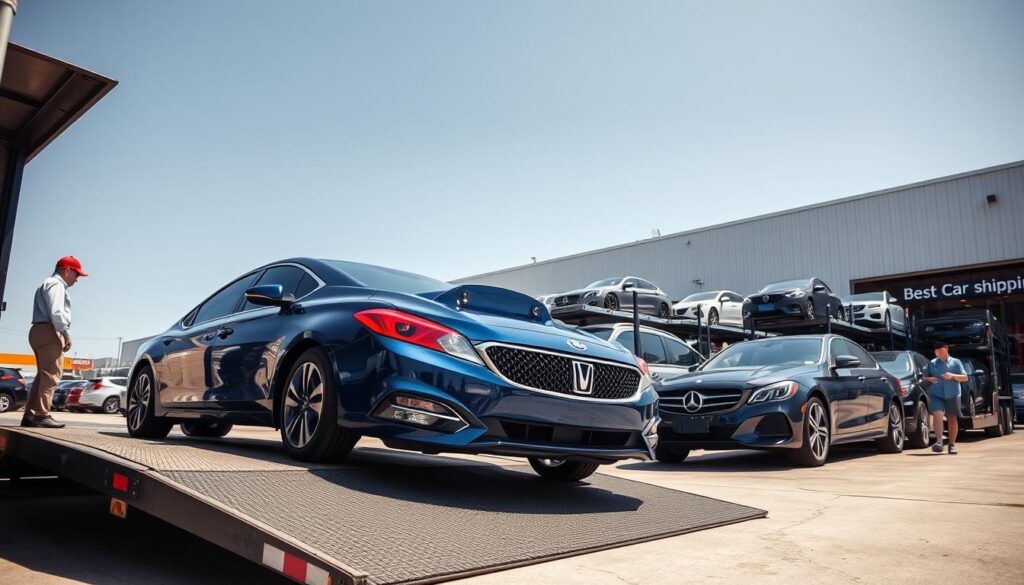
Nationwide quote patterns give a practical starting point for planning transport budgets. Nexus data shows open carrier averages near $630 for trips under 500 miles, about $1,135 for 500–2,500 miles, and roughly $1,350 for cross-country runs. Enclosed transport averages run higher: around $930, $1,550, and $1,830 for the same bands.
Other industry reports list mid-range averages near $1,128–$1,150 and typical ranges of $550–$2,450. Per-mile figures vary too; January data shows about $0.40–$2.00 per mile depending on demand and distance.
Short runs often carry higher per-mile rates but lower totals. Long hauls reduce per-mile pricing yet raise overall price. Open transport is the economical choice for most cars. Enclosed transport costs more but adds protection for higher-value cars.
Practical advice: compare multiple quotes, confirm insurance and pickup windows, and check for extra fees. Reliable pricing and responsive service are often worth a modest premium over the lowest market quote.
How much does shipping a vehicle cost by distance and per-mile rate
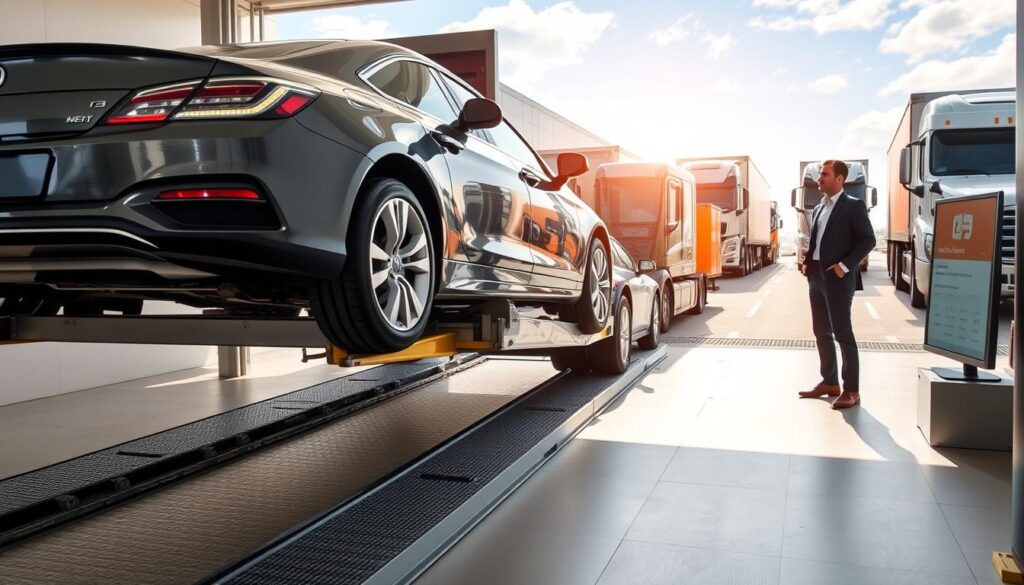
Per-mile rates and route distance drive most of the final invoice for car transport. Understanding common bands helps buyers evaluate quotes and set realistic expectations.
Short hauls under 500 miles
Short runs typically show higher per mile figures. Industry guides list about $1.55–$2.50 per mile for 0–500 miles.
Reason: fixed loading and pickup time, fewer routing options, and dispatch effort raise apparent pricing.
Mid-range routes (500–2,500 miles)
Mid-distance lanes often hit the best balance for pricing. Per-mile ranges drop to roughly $1.00–$0.55 depending on exact band and demand.
National averages place open transport near $1,135 for 500–2,500 miles, so buyers get better value on common lanes.
Cross-country trips over 2,500 miles
Long-haul shipments show the lowest per mile rates, roughly $0.50–$0.65 for trips beyond 2,500 miles.
Still, totals rise because of the greater miles and time in transit; expect higher overall pricing even with lower per-mile figures.
Why longer trips cost less per mile but more overall
“Carriers lower per-mile rates on long hauls because route efficiency and backhaul planning reduce marginal cost.”
Lane popularity and carrier flow matter. Two routes with equal miles can price differently when demand or repositioning needs differ.
Tip: verify pickup windows and conditions that could change the final shipment price, and compare the average cost per mile before booking.
Open transport vs enclosed transport: cost, protection, and best use cases
The trailer choice directly affects protection, timelines, and what you will pay.
Open transport pricing and when it’s the best value
Open transport is the standard option for most car shipping needs. It offers lower pricing and faster availability. Expect open averages like ~$914 nationally and the Nexus distance bands: ~$630 (2,500 mi).
Enclosed transport pricing and when the upgrade pays off
Enclosed transport costs roughly ~50% more on many lanes. Move.org lists enclosed averages near $1,342 versus open ~$914. Choose enclosed for classics, exotics, or freshly restored cars when cosmetic risk matters.
High-value cars and insurance considerations
Most carriers include standard cargo insurance, but limits vary. Confirm coverage, claim procedures, and whether higher limits are required for high-value autos. Ask for written confirmation of the carrier type and coverage before booking.
| Option | Typical Price Range | Best Use Case | Protection Level |
|---|---|---|---|
| Open transport | $630–$1,350 (by distance) | Daily drivers, SUVs, economy cars | Standard (exposed to elements) |
| Enclosed transport | $930–$1,830 (by distance) | Collector, luxury, rare trims | Premium (reduced exposure) |
| Insurance note | Varies by carrier | High-value autos | Confirm limits & claims process |
Buyers should read reviews, verify USDOT and insurance credentials, and get the carrier type in writing. That diligence protects the shipment and avoids surprises.
Vehicle type and size: how your car changes the shipping cost
Vehicle dimensions and weight change what carriers quote for transport and why totals rise with size.
Smaller sedans usually show the lowest charges. Nexus benchmarks list sedans at about $425, $725, and $925 for short, mid, and long lanes. Compact SUVs and full SUVs appear higher across the same bands.
Sedan vs SUV vs truck expectations
Sedans take less trailer space and weigh less. That yields lower per-trip charges.
Compact SUVs and SUVs increase the rate. Trucks and full-size pickups push prices higher still. Nexus shows trucks roughly $575, $925, and $1,275 across the three distance bands.
Weight, dimensions, and space on the carrier
Taller or longer cars can change loading position. That affects how many cars a carrier can haul on one trip. Routes and bridge rules sometimes limit oversized loads.
Modifications and accessories that can raise the price
Lift kits, roof racks, oversized tires, and external gear alter height or width. Carriers may require special handling. Move.org notes pickups can cost about 38% more to move due to weight and space.
Practical note: disclose accurate measurements and any mods before dispatch. That prevents day-of re-quotes and delays.
| Type | Short ( | Mid (500–2,500 mi) | Long (>2,500 mi) |
|---|---|---|---|
| Sedan | $425 | $725 | $925 |
| Compact SUV / SUV | $455 / $505 | $775 / $825 | $1,025 / $1,075 |
| Truck / Pickup | $575 | $925 | $1,275 |
Recommendation: for high-value or modified cars, choose enclosed transport and verify carrier insurance limits in writing.
Pickup and delivery details that move the price up or down
Geography plays a leading role in pricing: accessible urban hubs move faster and cheaper than remote stops. Carriers prefer lanes with steady freight flow. That reduces deadhead miles and makes scheduling predictable.
Metro vs rural pickup and delivery
Metropolitan pickup points usually have more carrier options and flexible windows. That often lowers the final quote and shortens transit time.
Rural pickup can add distance and labor. Carriers may need detours or special routing, which raises the quote and tightens scheduling.
Door-to-door service vs meeting near major routes
Door-to-door means delivery as close as legally and safely possible. Large rigs may not reach narrow streets or gated drives.
Meeting near highways or terminals is a practical cost-control tactic. Buyers can often lower their quote and speed pickup by choosing a safe, nearby meeting point.
Terminal-style options and when they make sense
Terminal pick-up or drop-off can be useful in constrained areas. Terminals may offer secure holding and set hours, but they add an extra step for the buyer.
Recommendation: weigh convenience against added handling. For tight access or high-security needs, terminals can be the better choice.
- Carriers price routes for efficiency; dense lanes are cheaper.
- Confirm pickup and delivery plans in writing.
- Document inspection steps and contact procedures before the shipment begins.
| Option | When to Use | Effect on Quote |
|---|---|---|
| Metro door-to-door | Urban residences, businesses | Lower to standard |
| Rural door-to-door | Remote addresses, farms | Higher (adds deadhead miles) |
| Meet near major route | Flexible customers, cost control | Often lower (reduces detour time) |
| Terminal pick-up/drop-off | Constrained access, secure needs | Mixed — may add handling fees |
Timing and seasonality: when car shipping is cheapest or most expensive
Different months bring distinct demand patterns that affect transit windows and pricing.
Winter and holiday timing
Winter brings weather risk and shorter daylight. Snow and ice can delay pickups and tighten carrier capacity.
December often needs booking three to four weeks early because many drivers take holiday time off. January shifts can boost southbound lanes.
Tip: book earlier for December moves to secure reliable service.
Late winter and spring shifts
February usually shows lower demand and softer prices as carriers resume normal runs.
Demand rises in late March. April–May bring northbound surges that push prices on seasonal corridors.
Summer peak realities
June through August is peak season. Relocations and travel raise demand and tighten pickup windows.
Expect higher pricing pressure on popular lanes and less flexibility in schedules.
Fall patterns
Fall often eases capacity constraints. October–November tend to offer better availability and improved rates.
September can spike in college move markets, so plan around campus calendars when relevant.
“Book early for peak months and consider February or late fall for better rate options.”
For fast validation of timelines and clear quotes, compare market rates and view detailed car shipping charges via our pricing guide.
Speed and service levels: standard vs expedited shipping costs
Choosing a faster service level shifts planning from flexible routing to priority dispatch and higher fees. Carriers price based on pickup window tightness and the dispatch effort required. That makes the trade clear for buyers who need firm dates.
Standard versus expedited service
Standard service offers multi-day pickup windows. Carriers schedule shipments to optimize routes and reduce empty miles. That flexibility usually lowers the quote.
Expedited service shortens the pickup time and prioritizes assignment. It speeds delivery and lowers date risk. Expect a noticeable premium for that convenience.
How pickup windows affect pricing
Tighter pickup windows force carriers to adjust routing and accept less efficient backhauls. That extra planning increases the price. Wider windows let carriers bundle loads and reduce the per-trip fee.
When expedited is worth the premium
Choose expedited if the cost of delay—hotel nights, missed work, or storage—exceeds the premium. For auctions, lease turn-ins, or job start dates, priority service often pays for itself.
“Get the promised pickup window in writing and confirm contact steps if plans shift.”
Tip: expedited does not remove weather or traffic risks. It secures faster assignment and higher dispatch priority, not guaranteed elimination of external delays.
For a clear market comparison or a written quote, check current figures at bestcarshippinginc.com.
Vehicle condition: operable vs inoperable shipping cost differences
Condition at pickup often changes which carriers will accept the load and what they will charge.
Operable typically means the car can start, roll, steer, and brake for normal loading. Carriers expect that standard function for ramp loading and secure tie-downs.
Winch, forklift and added labor
Inoperable units need winch or forklift work. That requires extra time and staff. Move.org data shows typical upcharges near $100–$300 for this service.
Practical risks and planning
Misreporting condition can delay pickup or trigger a higher on-site quote. Specialized equipment limits which carriers can accept the shipment.
- Disclose mechanical issues up front.
- Confirm the carrier has winch capability.
- Ensure safe access and clear loading space.
| Condition | Common Upcharge | Why |
|---|---|---|
| Operable | None | Standard loading |
| Inoperable (roll issues) | $100–$300 | Winch or forklift, extra labor |
| Severe recovery | Varies (higher) | Tow truck or special trailer, scheduling delay |
Tip: honest reporting protects the schedule and prevents surprise re-quotes. For help or to confirm winch capability, call (307) 288-5972 or email info@bestcarshippinginc.com.
How auto transport quotes are built and what to check before you book
Buyers should know which inputs shape a firm auto transport quote before they commit. Clear data up front reduces surprises and speeds confirmation.
The key inputs to provide
Provide origin and destination zip codes, total miles, year/make/model, operable status, desired dates, and open vs enclosed transport choice.
Accurate details let brokers and carriers generate reliable pricing and avoid day-of re-quotes.
Market-driven pricing and the bidding flow
Most bookings run through carrier bidding systems. Lane demand, carrier availability, and market shifts alter accepted price until a carrier confirms.
“Instant quotes can be ballpark unless backed by a written guarantee.”
Spotting hidden fees and getting transparency
Before you book, confirm whether taxes, insurance, terminal fees, and cancellation terms are included. Ask when payment is due.
Price protections and lock options
Some companies offer price guarantees or a “price lock” that limits later increases. For tight budgets, those protections reduce exposure to peak demand spikes.
Transparent pricing checklist
| Check | Why it matters | What to confirm |
|---|---|---|
| Included fees | Prevents surprise charges | Taxes, terminal, fuel, and tolls listed |
| Insurance & liability | Protects the shipment | Carrier limits and claims process in writing |
| Price guarantee | Budget protection | Terms, duration, and refund limits |
Final step: get the written quote, verify carrier USDOT and reviews, and confirm pickup and delivery windows. For competitive help and clear options, compare a trusted plan at cheap car shipping or call (307) 288-5972.
How to lower your car shipping cost without risking reliability
Smart planning and small trade-offs can cut your car shipping bill without raising risk.
Book early and compare quotes
Reserve space sooner in peak months. Early booking gives carriers time to assign reliable drivers at fair prices.
Request multiple written quotes and compare inclusions, not just headline numbers.
Stay flexible on dates and locations
Widen the pickup window and meet near major routes to lower final prices. Flexibility reduces deadhead miles and improves carrier options.
Choose open transport when appropriate
Open transport is the best-value option for daily cars. Use enclosed transport only for high-value or fragile autos.
Ask about discounts and multi-vehicle savings
Ask companies about military, student, or multi-vehicle discounts. Legitimate firms will confirm discounts and terms in writing.
Avoid unrealistically low quotes
Red flags: pressure to pay nonrefundable deposits, vague fee breakdowns, refusal to document terms, or inconsistent contact details.
- Check reviews and USDOT registration.
- Confirm insurance limits and get the quote in writing.
- Prioritize clear communication over the lowest price.
| Step | Action | Expected Savings |
|---|---|---|
| Book early | Reserve 2–4 weeks ahead in peak season | Moderate |
| Widen window | Allow 3–7 day pickup flexibility | High |
| Choose trailer | Pick open transport for standard cars | Significant |
For local options and transparent service, view trusted Denver car transport options at reliable Denver car transport.
Conclusion
Breathe easier with a clear plan. Define the route, confirm vehicle details, and choose open or enclosed transport based on value and risk.
Remember the pricing truth: longer distance often lowers per-mile pricing but raises total price, and seasonality can change rates on the same lane.
Before you book, verify transparent quote terms, documented pickup windows, payment timing, and insurance limits. Check carrier credentials and reviews for trust.
Compare multiple offers and pick the company with the clearest scope and best communication. Request a written quote or get a quick vehicle transport quote from Best Car Shipping Inc.
For calm, professional support contact info@bestcarshippinginc.com or call (307) 288-5972 for straight answers and booking help.