
A-1 Auto Transport has led the industry since 1988. The company holds an A+ rating with the Better Business Bureau and earns five-star reviews on Google, Yelp, and Trustpilot.
This concise guide explains how to move a prized automobile with confidence. It covers methods, documentation, protection options, and what to expect from professional transport teams.
The team focuses on secure handling and clear communication. Clients get a streamlined process and detailed inspections to protect value during transit.
Choose a reputable carrier and confirm insurance and delivery terms. For cross-state moves, see how to ship your car to another state with step-by-step support.
Key Takeaways
- A-1 Auto Transport combines decades of experience with top industry ratings.
- Use enclosed options and pre-shipment inspections for high-value automobiles.
- Confirm insurance, documentation, and delivery terms before pickup.
- Track transit and stay in contact with the transport team for updates.
- Choose a carrier with strong reviews and transparent pricing.
Understanding the Unique Needs of Luxury Vehicle Owners
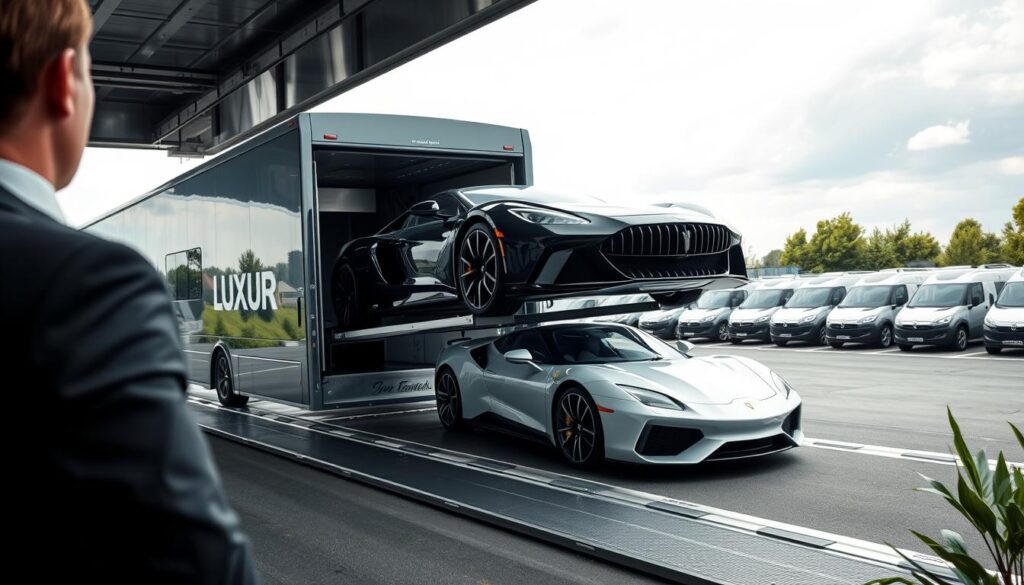
High-value automobiles demand handling that matches their engineering and finish. Owners expect more than basic pickup and drop-off. They need tailored care that protects both appearance and mechanical integrity.
Defining High-Value Assets
Exotic vehicles are rare, high-performance models with unique designs and advanced engineering. Premium cars offer superior comfort and amenities tied to top-tier brands. Both categories qualify as high-value assets and need special handling during transport.
The Risks of Standard Transport
Standard open carriers expose finishes to road debris and weather. That risk can lead to chips, scratches, or damage to rare parts that are costly to repair.
- Specialized services reduce exposure to hazards and protect custom paint.
- Experts treat each vehicle as an investment and use tailored protection methods.
- Choosing dedicated auto transport mitigates common transit risks to exotic models.
For an in-depth overview of nationwide procedures and expectations, consult the comprehensive car shipping resource.
Why Specialized Car Shipping Guide for Luxury Vehicle Owners Matters

Delivering prestige vehicles to shows or new homes calls for a higher standard of care and oversight. A-1 Auto Transport moves vehicles to events like Pebble Beach and Monterey Car Week. These assignments demand strict protocols and trained crews.
General carriers lack the tailored processes required for high-value transport. Experience with collectors, manufacturers, and enthusiasts ensures finishes and mechanical systems arrive intact.
“Proper handling preserves condition and market value, from pickup to final delivery.”
Services include enclosed trailers, custom tie-downs, and personalized routing. The team documents condition at pickup and upon delivery to reduce risk.
- Proven event logistics: Pebble Beach, Barrett-Jackson, Goodwood and Amelia Island.
- Personalized handling: Inspection, secure loading, and careful transport.
- Value protection: Steps to maintain condition and resale worth.
| Service | Typical Use | Benefit |
|---|---|---|
| Enclosed Transport | Concours & auctions | Weather and debris protection |
| Dedicated Routes | Event delivery | Timely, low-risk transit |
| Pre/Post Inspection | Collector moves | Documentation of condition |
Comparing Enclosed and Open Transport Methods
Choosing the right transport method starts with a clear look at risk, cost, and protection needs.
Enclosed trailers offer the highest security. They use hard-sided bodies, air ride suspension, and interior articulating ramps. These features reduce movement and shield finishes from road debris and weather.
Benefits of enclosed trailers
- Gold standard for luxury car shipping: full protection from rain, snow, and theft.
- Air ride and E-track flooring ensure a stable, cushioned transit for high-value vehicles.
- Ideal when preserving condition and resale value is the priority.
When open transport is appropriate
Open carriers typically cost 30–40% less. They are practical for routine moves and short routes where extreme protection is not required.
“For owners balancing budget and risk, open transport can be a sensible option.”
| Feature | Enclosed Transport | Open Transport |
|---|---|---|
| Protection | 100% from weather and road debris | Exposed; minimal shielding |
| Cost | Higher — premium delivery | Lower — budget-friendly option |
| Best use | Concours, auctions, investment cars | Everyday moves, non-collector vehicles |
For details on enclosed options and booking, see our enclosed transport page. Every transport method aims to protect the asset and meet delivery expectations.
Essential Equipment for High-End Vehicle Protection
Specialized lift systems and interior trailer features protect prized vehicles at pickup and delivery.
Hydraulic lift gates rated at 10,000 pounds keep a car level during loading and unloading. This reduces stress on low-clearance frames and prevents undercarriage damage.
Enclosed transport trailers include interior articulating ramps. These ramps avoid steep angles that can harm suspension or spoilers.
The equipment that matters
- 10,000-pound hydraulic lift gates maintain a level loading platform and reduce the risk of damage.
- E-track flooring and soft nylon straps secure vehicles without pressure points that chains create.
- Air-ride trailers and routinely maintained lift systems provide a smooth, stable transport option.
Protection from weather and road debris is enhanced by enclosed trailers and proper tie-down methods. Experienced drivers and calibrated equipment work together to keep vehicles pristine during shipping.
Preparing Your Luxury Car for Safe Transit
Careful preparation at pickup creates a clear record and protects value throughout transport. Owners should wash the vehicle before the driver arrives so every mark is visible for inspection. This helps document the exact condition prior to loading.
Remove all personal items, disable alarms, and take off toll tags. These steps comply with safety rules and reduce distractions during loading. They also lower the risk of interior damage during the transport process.
Check tire pressure and confirm the battery holds a charge. Proper inflation and a healthy battery make loading onto an enclosed transport smoother and faster.
- Washed and visible condition for inspection.
- No personal items and alarms turned off.
- Tires inflated and battery charged.
The team guides owners through each step to ensure protection from weather and road debris. Following these precautions increases the chance of delivery in the same condition as pickup and reflects a professional auto transport experience.
Top tips for stress-free vehicle transport are available for those who want extra preparation help. For questions, contact info@bestcarshippinginc.com or call (307) 288-5972.
Navigating Insurance and Financial Coverage
Understanding what your policy covers prevents surprises at delivery.
Insurance is central to the car shipping process. Every luxury car is paired with a comprehensive policy through vetted partners. Our Damage-Free Guarantee helps pay up to $500 of your deductible if damage occurs in transit.
Clients should confirm that carrier limits match the full value of their vehicle. While open transport is an available option, enclosed transport policies typically provide higher protection and peace of mind.
- Verify the policy limits before pickup.
- Confirm deductible terms and the Damage-Free Guarantee details.
- Request a copy of partner insurance certificates.
- Review what is excluded, such as pre-existing wear or personal items.
- Ask how claims are filed and expected timelines for resolution.
- Ensure all costs, including insurance fees, are transparent up front.
| Coverage Type | Applies To | Key Benefit |
|---|---|---|
| Carrier Liability | All transit modes | Primary protection during transport |
| Partner Insurance | High-value transfers | Broader limits for rare models |
| Damage-Free Guarantee | Enclosed and open | Up to $500 deductible assistance |
Questions about policy details or claims? Contact the team at info@bestcarshippinginc.com or call (307) 288-5972 for clear, prompt answers.
The Role of Professional Inspections and Documentation
A precise inspection process creates a clear, legal record of condition at pickup and delivery.
Professional inspections are the cornerstone of the car shipping process. Trained inspectors complete a Before and After Inspection Report that records paint, trim, and mechanical notes at both ends of transit.
Drivers note any existing marks during loading and sign the report. That record supports insurance claims and verifies coverage if damage appears after delivery.
- Detailed reports document condition for insurance and proof of handling.
- Inspectors confirm that personal items are removed before transit.
- Clear photos and signatures reduce disputes and speed resolution.
As a trusted company in auto transport, BestCarShippingInc uses meticulous documentation to protect your investment. For questions about inspection steps or coverage, contact the team at info@bestcarshippinginc.com or call (307) 288-5972.
Handling Inoperable or Low-Clearance Exotic Vehicles
Inoperable and low-clearance exotics require specialized handling that preserves finish and undercarriage integrity. BestCarShippingInc uses purpose-built winches and hydraulic lift gates to move non-running models safely. The team treats every high-end unit with the same protocol as an operational one.
Loading begins with a level approach. Technicians position the trailer at a controlled height. Soft straps and E-track systems prevent pressure points during loading and transit.
Enclosed transport provides an ideal environment. It shields vehicles from road debris and weather and reduces the chance of surface damage during long moves.
- Specialized equipment: winches, hydraulic lift gates, and low-angle ramps.
- Methodical loading: stepwise winch control and soft tie-downs to protect bodywork.
- Equal protection: inoperable units receive the same inspection and securement as running models.
The company prides itself on a careful process that minimizes risk and preserves condition. For complex moves, owners may request a pre-move consultation to review equipment needs and timelines.
Logistics for Nationwide and International Transport
Managing nationwide and international moves demands precise planning and vetted partners.
A wide logistics network of drivers and trucks supports moves across the United States and overseas. The team coordinates complex routes to keep timelines tight and reduce transit exposure.
Specialized enclosed transport trailers and dedicated equipment allow secure handling of high-value vehicles. The company manages documentation and regulatory steps required for international transit.
- Coordinated nationwide and international transport with experienced crews.
- Optimized routes to shorten time on the road and lower risk.
- Purpose-built equipment and enclosed trailers to protect finishes and mechanical systems.
Compliance and paperwork are handled by the logistics team to avoid delays at ports and borders. This reduces surprises during the process and speeds delivery.
“Our logistics experts ensure every movement is precise, documented, and on schedule.”
| Service | Scope | Key Advantage |
|---|---|---|
| Nationwide Routing | All U.S. states | Consistent pickup and delivery windows |
| International Transit | Major ports and corridors | Full documentation and customs handling |
| Enclosed Trailer Network | Specialized routes | Enhanced protection for high-value units |
To arrange an expert move or learn about regional options, review our local service page at auto transport in Scottsville or contact the logistics team at info@bestcarshippinginc.com or (307) 288-5972.
Evaluating Shipping Companies and Credentials
Start by confirming a company’s DOT registration and valid MC number. These records prove legal authority to operate and are easy to verify online.
Check insurance and policy details closely. A reputable company will list coverage limits and explain how claims handle damage from road debris.
Confirm that partner insurance covers the full value of your luxury car and that the policy is current. Ask for written proof before pickup.
Consider experience and payment terms. Choose a company with proven experience handling luxury cars and an established process. Our pay-on-delivery structure reduces upfront risk and shows confidence in service quality.
“Verify credentials, confirm coverage, and choose the method that matches the asset’s protection needs.”
- DOT/MC verification prevents rogue carriers.
- Transparent insurance ensures adequate coverage for high-value moves.
- Pay-on-delivery offers added financial assurance.
| Criterion | What to Verify | Why It Matters |
|---|---|---|
| Registration | DOT number, MC number | Legal authority and oversight |
| Insurance | Policy limits, exclusions | Coverage for road debris and damage |
| Experience | Past moves with luxury cars | Proper handling and reduced risk |
| Payment | Pay-on-delivery option | Lower upfront commitment; trust signal |
When ready to compare options or book, review our nationwide process at shipping a car across the country or contact the team at info@bestcarshippinginc.com or (307) 288-5972.
Managing Expectations for Delivery Timelines
Setting realistic timelines helps clients plan and reduces stress. Delivery windows depend on distance, carrier availability, and the special care required for high-value transports.
The process begins with an estimated arrival based on the route and trailer type. Owners receive regular updates so they know where their vehicle is and when to expect delivery.
When delays occur due to the carrier or logistics, A-1 Auto Transport and its partners work to make it right. In many cases, shipping companies offer free rental cars as compensation when the delay is caused by the carrier.
Personal items up to 100 lbs may be left inside during transit. This adds convenience but should be kept to essentials and documented during the pre-loading inspection.
- We provide honest delivery estimates and clear communication.
- Timely updates reduce uncertainty throughout the auto transport timeline.
- Customer satisfaction is central; solutions such as rental assistance are available when needed.
Choose a professional partner to protect your asset’s value and gain the confidence that realistic timelines and a careful experience bring. For questions, contact info@bestcarshippinginc.com or call (307) 288-5972.
Conclusion
The right transport partner reduces risk and simplifies every stage of the move.
This concise guide highlighted key steps: select enclosed or open methods based on risk, verify insurance and credentials, and document condition at pickup and delivery.
Choose a carrier with proven processes to protect value and minimize surprises. Best practices and clear communication make the process efficient and reliable.
Contact the team at info@bestcarshippinginc.com or call (307) 288-5972 to discuss specific needs or to schedule service. Trust experienced auto transport professionals to handle high-value moves with care and precision.