
Proper preparation is key to getting a vehicle to its destination safely and on time. This short introduction explains why choosing the right transport company matters and how clear steps reduce stress.
Professional auto transport services use specialized carriers that often beat the hassle and wear of driving long distances. A reliable company coordinates pickup, transit, and delivery to match your moving schedule.
Our overview highlights documentation, pre-shipment inspection, and simple safety checks that protect your asset. Compare carriers by reputation, licensing, and insurance. For a detailed walkthrough and to request a quote, visit ship your vehicle to another state.
Key Takeaways
- Prepare documentation and photos before pickup.
- Choose a licensed, insured carrier with strong reviews.
- Decide between open or enclosed transport based on value.
- Inspect and document vehicle condition pre-shipment.
- Schedule delivery to align with your move for a seamless transition.
Understanding the Car Shipping Guide for People Moving States
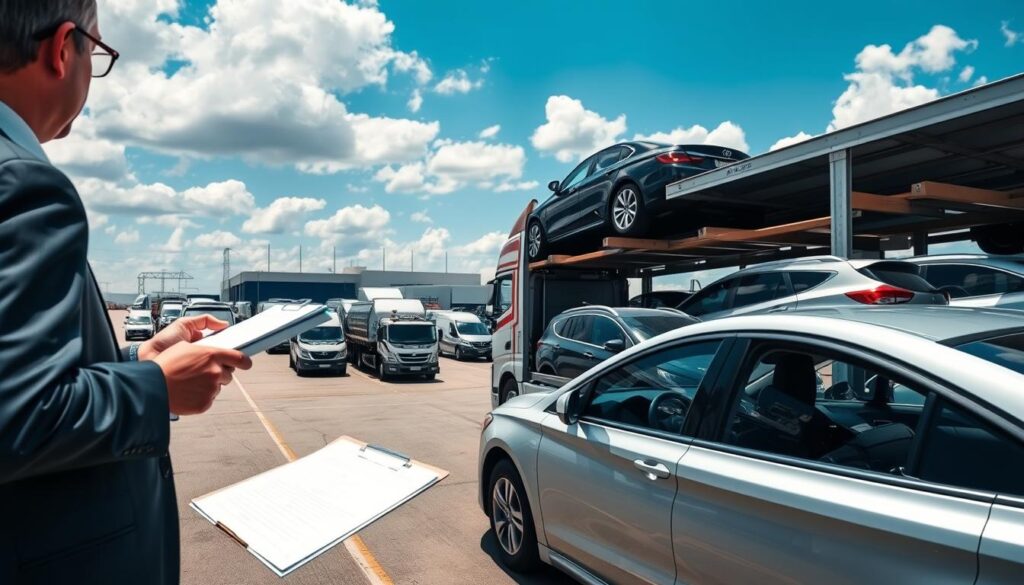
Knowing how professional transport firms operate removes guesswork and keeps your vehicle secure during long hauls. Commercial carriers follow DOT and FMCSA rules to protect owners and their assets.
Car shipping means moving a vehicle on a commercial carrier truck. Specialized equipment and trained drivers reduce risk compared to long personal drives.
Reliable companies coordinate pickup and delivery windows, insurance coverage, and condition reports. These factors affect timing and cost and should match your schedule.
- Professional services handle different vehicle types and secure loads for safe transit.
- Documentation and a clear bill of lading protect both owner and carrier during delivery.
- Choosing a licensed company simplifies claims, tracking, and communication.
For a detailed walkthrough of cross-state options, see our car transportation services. BestCarShippingInc emphasizes transparent timelines, licensed carriers, and customer care.
Why Professional Vehicle Transport Makes Financial Sense

For moves beyond 500 miles, relying on an experienced transport company often saves money and time. Long-distance trips add fuel, lodging, and wear that stack up quickly. Professional services bundle those costs and reduce risk.
Long Distance Cost Benefits
Using auto transport on travels of 500+ miles removes many variable expenses. Fuel and hotel bills are avoided. Depreciation and wear and tear on your vehicle are minimized.
Managing Multi-Vehicle Households
When several vehicles must go to another state, a single carrier coordinates pickup, routes, and delivery. This reduces coordination time and logistical headaches.
“Professional transport delivers practical savings and peace of mind when distance and scale make driving impractical.”
- Consolidated logistics: one booking covers multiple vehicles.
- Insurance coverage: regulated carriers protect your asset in transit.
- Time savings: coordination with MoveAdvisor can sync vehicle shipping with household relocation.
Comparing Open and Enclosed Transport Options
Open and enclosed methods serve different needs; the right pick balances budget and security.
Open transport is the most common method, used in 80–90% of shipments. It is cost-effective and suits standard vehicles that do not require extra protection.
Enclosed transport provides superior protection against road debris and weather. It is the preferred option for high-end and classic cars that need extra care.
- Consider vehicle size and the level of protection needed.
- Carrier type and equipment affect the total cost and transit risk.
- Professional carriers secure vehicles using straps, ramps, and covers as needed.
“Choosing the proper transport type protects value and reduces risk during transit.”
| Option | Protection | Typical Use |
|---|---|---|
| Open | Standard protection | Everyday vehicles; budget-conscious moves |
| Enclosed | High protection from elements | Luxury, classic, or rare vehicles |
| Factors | Size, route, carrier type | Impacts cost and delivery options |
Understanding these options helps owners balance cost and safety. For a quick estimate on cost, see our cost to ship page.
Essential Steps to Prepare Your Vehicle for Transit
A short inspection and tidy interior make condition reporting fast and clear at pickup. Begin with a full exterior and interior wash so the carrier can document the current condition without obstruction.
Cleaning and Inspection
Washing removes dirt that hides scratches. Take clear photos of all sides, the interior, and the odometer.
Documenting condition with images reduces the chance of disputes over damage at delivery.
Removing Personal Belongings
Remove loose items, floor mats, and garage door openers. Aftermarket accessories should be taken off if possible.
Note: Personal belongings are not covered by standard carrier insurance and may shift during transit.
Mechanical and Fuel Checks
Verify tires, lights, and battery. Keep fuel at about one-quarter tank to meet carrier equipment and safety rules.
These checks save time at pickup and help ensure on-time delivery to your destination.
“Proper preparation keeps the process efficient and protects the vehicle from unnecessary risk.”
For a specific route example and timelines, review this Florida to North Dakota transport overview.
Selecting the Right Auto Transport Company
Selecting an experienced carrier starts the process on solid footing. Owners should compare providers like A1 Auto Transport to get online quotes and confirm logistics support.
Vetting Carriers and Brokers
Research multiple companies and focus on insurance, experience, and verified reviews. Check a valid USDOT number and cargo insurance before booking.
Read customer feedback to spot patterns about delivery time and damage claims. A professional company will provide a clear quote that lists the truck type and included services.
- Verify licensing and cargo insurance.
- Compare quotes and ask about transit timelines.
- Confirm whether the provider uses carriers or brokers and how claims are handled.
“Your choice of company defines the entire shipping experience; prioritize transparency and proven performance.”
| Factor | What to Check | Why it Matters |
|---|---|---|
| Insurance | Cargo policy limits, claims process | Protects vehicle value against damage |
| Licensing | USDOT number, state authority | Ensures regulatory compliance |
| Quotes | Itemized pricing, truck type | Prevents surprise fees and sets expectations |
| Reputation | Verified reviews, delivery history | Indicates reliability and customer care |
Evaluating Door to Door versus Terminal to Terminal Shipping
Deciding between pickup at your address and a hub drop-off can simplify logistics or lower your bill.
Door-to-door service picks up the vehicle near the residence and delivers it to the new destination. This method increases convenience and scheduling flexibility. It usually costs more but reduces time and hassle for the owner.
Terminal-to-terminal is a cost-effective alternative. Owners drop off at a nearby hub and collect at the receiving terminal. This saves money when the distance to the terminal is short and hubs are accessible.
When choosing, compare travel distance, access for large carriers, and the added time you can accept. Professional auto transport companies can advise which option meets your needs. They assess factors like route, vehicle type, and whether enclosed transport is needed.
- Door-to-door: best for convenience and minimal effort.
- Terminal-to-terminal: best to lower cost if you can travel to a hub.
“Select the method that balances cost, time, and peace of mind during a move to another state.”
Navigating the Logistics of Pickup and Delivery
Well-documented handoffs at pickup and delivery protect owners and speed claims resolution.
Documenting Condition with the Bill of Lading
The Bill of Lading is both a receipt and a legal contract. Meet the driver at pickup to review and sign this document.
Take clear photos of all sides, the interior, and the odometer before the vehicle is loaded. These images verify condition at the start of transit.
Final Inspection Procedures
Cross-country transit typically takes 7–10 days. During that time the vehicle stays secured on the carrier truck for the long road ahead.
On delivery, do a final inspection with the driver. Compare the vehicle to the original report.
If new damage appears, note it on the paperwork and refuse to sign until the issue is recorded. Clear communication with the carrier ensures the process moves smoothly to the destination.
| Step | What to Do | Why it Matters |
|---|---|---|
| Pickup meeting | Inspect vehicle; sign Bill of Lading | Creates legal proof of condition |
| Photo documentation | Photograph exterior, interior, odometer | Supports claims and dispute resolution |
| Final delivery check | Re-inspect with driver; note any damage | Protects owner rights and speeds claims |
“Manage each handoff carefully to protect your vehicle and ensure a professional conclusion to the transport process.”
Questions? Contact BestCarShippingInc at (307) 288-5972 or info@bestcarshippinginc.com.
Alternative Methods for Moving Your Car
Beyond standard carriers, travel and DIY options let owners relocate their vehicles with control and flexibility.
Passengers who want to travel with their vehicle can consider Amtrak’s Auto Train. It runs between Washington, D.C. and Orlando and offers the convenience of riding the same route while the vehicle rides secured on the train.
For hands-on moves, renting equipment from national rental companies such as U-Haul lets owners tow or hitch their vehicle to a truck. This DIY method reduces service fees but adds responsibility for towing equipment, permits, and road time.
Other options include hiring a professional driver or asking a trusted friend to drive the vehicle to another state. These choices trade some cost for flexibility and can suit shorter distances or tight timelines.
- Considerations: cost, vehicle size, travel time, and available equipment.
- Some providers allow limited personal belongings inside the vehicle; check restrictions before departure.
- Get multiple quotes and compare enclosed transport versus a road trip to find the best mix of protection and price.
“Select the option that meets budget and schedule while protecting the vehicle during transit.”
For local scheduling and a tailored quote, explore trusted options at BestCarShippingInc services or contact the company directly at (307) 288-5972.
Common Mistakes to Avoid During the Shipping Process
Scheduling late limits choices and raises risk. Rushing a transport reservation often means fewer carriers, higher quotes, and scarce equipment. Plan ahead to keep options open and costs predictable.
Avoiding Last Minute Booking Issues
Book early to lock favorable rates and pickup windows. Last-minute requests can force pricier methods and tight delivery times.
- Verify insurance and review the company reputation before you confirm a quote.
- Do not accept the lowest offer without checking reviews and license details.
- Coordinate delivery with your move schedule to prevent missed handoffs or extra charges.
- Remove valuables; personal items are usually not covered and can be lost or cause damage.
- Ensure the vehicle runs; inoperable units need special equipment and increase total cost.
| Mistake | Consequence | How to Avoid |
|---|---|---|
| Last-minute booking | Higher cost; limited carrier choices | Request quotes early; reserve pickup windows |
| Skipping insurance checks | Uncovered damage claims | Confirm cargo policy limits and claims process |
| Choosing lowest quote blindly | Poor service or delays | Compare reviews, licenses, and detailed quotes |
| Poor delivery coordination | Missed delivery; extra fees | Align delivery with move timeline and driver availability |
“Avoiding these common errors ensures a smoother process and better protection for your vehicle during transit.”
Conclusion
Plan early and pick a reputable carrier to cut costs and avoid last-minute stress.
Shipping a vehicle to another state is safe and often cost-effective when scheduled ahead. Coordinating transport with household timelines reduces wear and saves time.
Prioritize providers that offer transparent communication, clear insurance, and a proven delivery record. Prepare the vehicle, document its condition, and confirm all details in writing before pickup.
Following these steps helps owners protect value and budget while ensuring a smooth transfer. For assistance, contact BestCarShippingInc at (307) 288-5972 or info@bestcarshippinginc.com.