
Moving a vehicle across long distances calls for clear planning and a trustworthy partner. This introduction explains how professional car shipping blends careful logistics with cost-conscious choices. The focus is on safe transport and reliable customer care.
Our company delivers a consistent shipping experience that protects your car from pickup to delivery. With years of hands-on experience, the team uses proven methods and strict safety checks. Contact support at (307) 288-5972 or email info@bestcarshippinginc.com for a clear quote.
Whether moving for work or personal needs, the service adapts to schedules and budgets. Expect transparent timelines, insured transport options, and friendly support that guides you through each step.
Key Takeaways
- Balance cost and care: smart planning keeps expenses down without cutting safety.
- Trusted carrier: experienced teams handle loading, transport, and delivery.
- Clear quotes and timelines available by phone or email.
- Insurance and safety checks are standard for every vehicle moved.
- Services scale for moves across country or shorter state-to-state transport.
Understanding Cross Country Vehicle Shipping
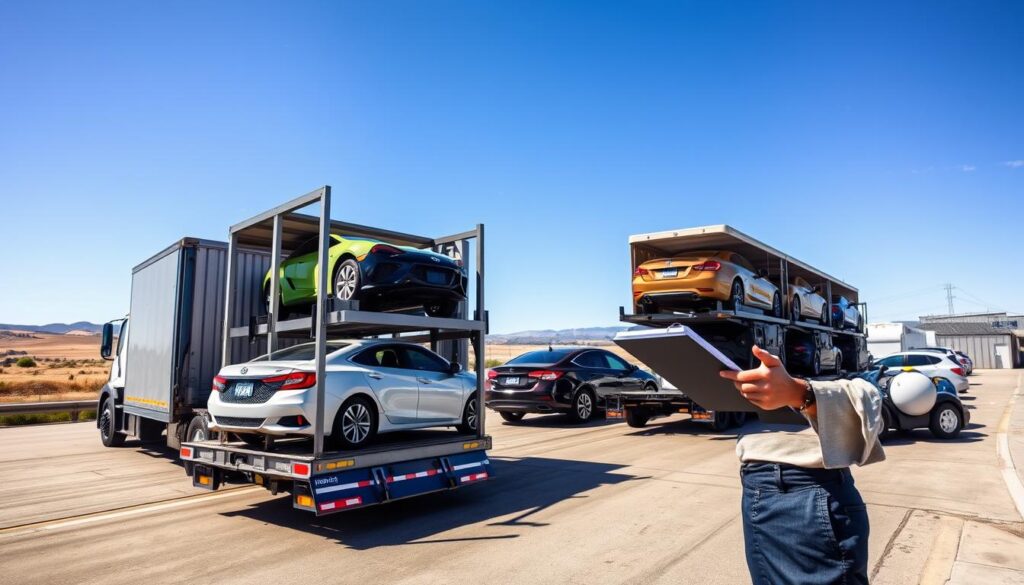
Long-distance auto transport simplifies relocation by handling every step of your vehicle’s journey. A professional auto transport company coordinates pickup, loading, and secure placement on a trailer.
Why owners choose professional shipping: it avoids extra miles on the car and reduces wear during major moves across the country. Qualified carriers move vehicles between states and coasts with safety checks and insurance.
- Logistics management from pickup to delivery.
- Secure loading on approved trailers.
- Regular status updates so customers know where their vehicle stands.
Understanding the process helps owners pick a reliable transport service. Our team provides clear communication at every stage and works with vetted carriers to protect your vehicle.
“Clear timelines and consistent updates reduce stress during long moves.”
| Service Type | Typical Use | Security |
|---|---|---|
| Open Transport | Most vehicles, cost-effective | Standard |
| Enclosed Transport | Luxury or classic vehicles | High |
| Terminal-to-Terminal | Budget conscious, fixed locations | Standard |
The Cheapest Way to Ship a Car Across the USA

Choosing the right transport option can cut your vehicle shipping bill without sacrificing safety.
Open Transport Benefits
Open transport moves multiple cars on one trailer. Carriers load more vehicles, which lowers per-vehicle prices by roughly 30–40% compared with enclosed options.
This option is the industry standard for reliable, affordable car shipping across country. It balances cost and protection, and it usually has fast transit time because drivers follow main routes.
Terminal-to-Terminal Savings
Dropping a vehicle at a major hub reduces residential pickup and delivery fees. Terminals attract drivers and cut door fees, so people often save money this way.
- Lower fees: avoid extra charges for navigating neighborhoods.
- Transparent quotes: our quotes explain average cost and current rates clearly—use the auto shipping calculator for an estimate.
- Insurance and protection: standard coverage applies whether you choose open or terminal service.
“Open transport and terminal pickup remain the most cost-effective choices for long-distance vehicle shipping.”
Navigating the Relationship Between Brokers and Carriers
Clear communication between the broker and the carrier keeps your auto transport on schedule. Knowing which party handles each step helps buyers choose a reliable company.
Brokers act as logistics experts. They match your vehicle with vetted carriers and handle paperwork, insurance checks, and quotes. This saves time and reduces surprises in price and delivery.
Carriers own the trucks and perform the physical transport. Drivers load and secure vehicles, follow routes, and complete delivery. Brokers keep status updates flowing between you and the driver.
“Brokers provide essential leverage with carriers to ensure accurate updates and fair pricing.”
- Practical tip: ask your broker how they verify insurance and handle claims.
- Door service: a broker coordinates with the driver for safe pickup and drop-off.
- Pricing edge: brokers use national load boards to find competitive vehicle shipping options across country.
Understand these roles to pick the right service and gain a smoother car shipping experience. For questions, contact info@bestcarshippinginc.com or call (307) 288-5972.
Selecting the Right Trailer for Your Budget
Picking the correct trailer affects both protection and final price for your vehicle.
Open transport trailers carry multiple cars on one truck. This makes them the most common and cost-effective option for standard vehicles.
Enclosed trailers shelter cars completely. They suit luxury or classic vehicles that need extra protection. Enclosed service usually increases prices, but it reduces exposure to road debris and weather.
Comparing Open and Enclosed Options
- Cost: open transport lowers per-vehicle price by hauling many cars at once.
- Protection: enclosed transport offers higher security for valuable vehicles.
- Insurance: every carrier used by the company maintains proper insurance for all trailer types.
- Advice: the company helps evaluate options so customers do not pay for unneeded premium service.
“Compare trailer types to balance budget and protection for your vehicle during its journey.”
| Trailer Type | Best For | Typical Price Range |
|---|---|---|
| Open Transport | Standard cars, everyday models | Lower |
| Enclosed Transport | Luxury, classic, show vehicles | Higher |
| Terminal-to-Terminal (Open) | Budget-focused shipments | Lowest |
For more detail on open options and how they affect final cost, see our open auto transport services page. Contact support at (307) 288-5972 or info@bestcarshippinginc.com for guidance tailored to your vehicle.
Timing Your Shipment for Maximum Savings
Booking at the right moment can lower auto transport bills without sacrificing service.
The peak car shipping season runs from April through September. During those months, demand pushes prices higher and transit times can stretch.
By contrast, January and February often offer lower rates. Shippers looking to save money see real savings in the off-season.
The Snowbird Effect
In late autumn, many carriers reposition for seasonal routes. That creates openings to ship car north at reduced prices.
Flexibility with pickup and delivery dates helps drivers slot a vehicle into an existing route. This can cut costs compared with strict door windows.
Seasonal Demand Fluctuations
Booking about two to three weeks before your move is the sweet spot for competitive quotes. That window gives the company time to test rates and match carriers.
- Plan outside peak months to lower overall price and avoid delays.
- Be open on dates so carriers can combine loads and reduce rates.
- Request multiple quotes to compare pricing and transit time across company options.
“Understanding seasonal demand helps customers avoid the ‘impatience tax’ and get the best value for vehicle transport.”
Optimizing Pickup and Delivery Locations
Small changes to pickup and delivery locations yield measurable savings on long-distance transport. Choosing major hubs instead of tight residential streets reduces access fees and cuts driver time spent navigating.
Large trucks struggle with narrow roads and tight turns. Meeting a driver at a nearby public lot or interstate stop avoids extra door charges and lowers the final quote.
Flexible pickup spots make your vehicle more attractive to carriers. When a carrier already plans a route through an area, they can slot your load without detours. That reduces transit time and often drops prices.
- Choose hubs: pick terminals or highway stops over isolated addresses.
- Meet the driver: use large parking areas for easier loading and safer handoffs.
- Discuss options: ask the broker which locations will cut costs and improve rates.
The company helps identify the best pickup and delivery locations so customers can save money while keeping service reliable. For custom quotes and location advice, contact info@bestcarshippinginc.com or call (307) 288-5972.
“Choosing accessible meeting points reduces time on the road and lowers overall costs for shipping car across country.”
Preparing Your Vehicle to Avoid Surcharges
A few quick checks at origin can prevent surcharges and speed up handoff with the driver. Preparing the vehicle reduces the chance of extra fees and keeps delivery on time.
Clean the car inside and out. A tidy vehicle allows carriers and the company’s team to perform a clear inspection. This step helps avoid disputes and prevents inspection delays.
Disable alarms and remove toll tags. An active alarm or leftover tags can cause a drained battery or added weight-related fees during transport.
Take out personal items and loose cargo. Personal property can shift and increase the vehicle’s weight. That may trigger a surcharge under DOT regulations.
- Document condition: a detailed inspection on the Bill of Lading protects insurance and records pre-shipping damage.
- Fold mirrors and retract antennas: these simple actions reduce damage risk and potential repair costs at delivery.
The company supplies a practical checklist and will review these steps with carriers before pickup. For regional guidance, see Florida to North Dakota car shipping or contact support at (307) 288-5972 or info@bestcarshippinginc.com.
“A clear inspection and documented condition are the best protections against surprise fees.”
Managing Personal Items and Fuel Levels
Small details like fuel level and trunk weight can change final transport costs and delivery reliability.
Weight Regulations and Safety
Most carriers allow about 100 lbs of personal items in the trunk, but this is not guaranteed. Exceeding that may trigger overweight fees at pickup.
Shipping a car with roughly 1/4 tank of fuel is standard practice. It keeps the vehicle light while leaving enough fuel for loading and unloading.
- Follow the 100‑pound guideline to avoid surprise fees from the carrier.
- Keep fuel near one quarter tank to reduce weight without risking operational problems.
- Excessive onboard weight can create safety issues or cause drivers to refuse the load under federal rules.
- These small steps make your vehicle “carrier-friendly” and help lower overall shipping costs.
- Always confirm your transport company’s policy on personal items to prevent day-of surprises.
“Proper weight management is a critical part of preparing your vehicle for a safe and compliant journey across the country.”
For specific guidance, contact the company at (307) 288-5972 or info@bestcarshippinginc.com. Clear pre-shipment checks protect both the owner and the carrier while keeping the final price predictable.
The Importance of the Bill of Lading
A clear Bill of Lading is the single most important document in any auto transport. It acts as your official receipt and a detailed condition report for the car before it leaves with the driver.
Before the truck departs, confirm that the carrier has recorded every scratch, dent, and existing mark on the Bill of Lading. Ask the driver to read back entries and sign each line.
At delivery, inspect the vehicle carefully before you sign. If you find new damage, take photos immediately and ensure the driver notes the issues on their copy.
- Why it matters: the Bill of Lading supports any claim with insurance and proves the delivery condition.
- What to do: keep your signed copy, document damage, and contact the company promptly for claims.
“A properly completed Bill of Lading protects your investment and ensures transparent, professional shipping service.”
Questions? Contact support at (307) 288-5972 or info@bestcarshippinginc.com for guidance on paperwork and claims.
Avoiding Common Lowball Quote Traps
Low quotes often hide costs that appear only after you pay a deposit. Consumers should treat unusually cheap estimates with caution. These offers can be bait-and-switch tactics used to secure funds quickly.
Pick a realistic price so a professional driver will accept the job. If a broker posts rates far below market, they may not find a carrier willing to move your vehicle. That can cause delays and extra fees.
Always compare multiple quotes. Avoid the very lowest and the very highest numbers. Aim for the “sweet spot” that balances pricing and reliability.
- Verify all fees: ask for pickup, delivery, insurance, and terminal charges in writing.
- Confirm carrier assignment: request carrier and driver details before payment.
- Get a clear timeline: realistic pricing usually means predictable transit time and fewer surprises.
“Transparent quotes protect your budget and ensure a professional auto transport experience.”
| Red Flag | Why It Matters | Ask Your Company |
|---|---|---|
| Very low upfront quote | May require add-on fees later | Request full fee breakdown |
| No carrier named | Broker may not secure a truck | Ask for carrier and insurance info |
| Pressure to prepay | Limits recourse if service fails | Use refundable deposit or pay on delivery |
For help verifying quotes, contact info@bestcarshippinginc.com or call (307) 288-5972.
Conclusion
Choosing open transport and flexible pickup dates often reduces price and shortens transit time. ,
Be meticulous with the Bill of Lading. A clear inspection and signed records protect your vehicle and support any insurance claim.
Terminal-to-terminal service and off-season bookings help people save money. Avoid lowball quotes and pick a company that offers transparent quotes and steady communication.
For trusted guidance and tailored options, contact the team for a fast quote or read our best car shipping guide. Call (307) 288-5972 or email info@bestcarshippinginc.com for reliable transport and peace of mind.