
Planning vehicle transport across states can feel complex. This introduction outlines what impacts the final pricing and how to get a fast, accurate quote.
Average rates hover near $650, and typical transit runs 2–3 days. Key drivers include route distance, vehicle size, and seasonal demand.
The team offers reliable, door-to-door delivery with secure handling and full insurance. Use the instant online auto transport calculator for an accurate quote and tailored scheduling.
Customers can compare options, choose open or enclosed equipment, and prepare vehicles for pickup with simple steps. For lane-specific planning and an immediate estimate, visit our detailed Hanson KY page at car shipping and auto transport in.
Key Takeaways
- Average market price is about $650 and transit often takes 2–3 days.
- Main cost factors: distance, vehicle size, transport method, and season.
- Door-to-door service and insurance help protect your vehicle in transit.
- Use the online calculator for a fast, accurate quote and scheduling.
- Preparing the vehicle before pickup speeds the process and reduces risk.
Understanding the Cost to Ship a Car From Kentucky to Florida

Transit pricing reflects mileage, carrier availability, and vehicle dimensions on each run. This route covers roughly 900 miles and normally completes in about 2–3 days. These two facts drive most quotes and influence carrier choice.
Distance and Route Popularity
Longer routes raise fuel and labor portions of the price. Popular corridors have more carriers available, which often lowers rates.
- The ~900 miles between states is a primary pricing factor.
- High-demand lanes produce competitive quotes and faster pickup windows.
- Our team examines traffic and road conditions to improve delivery time.
Vehicle Size and Weight
Larger models take extra trailer space. Trucks and SUVs can increase per-vehicle charges on open carriers.
Use the online calculator to see how dimensions and weight change your quote. Insurance and door service are included in our pricing overview.
| Factor | Impact | Typical Effect |
|---|---|---|
| Mileage (~900 miles) | High | Increases base rates and travel time |
| Route popularity | Medium | More carriers, often lower rates |
| Vehicle size/weight | High | Larger vehicles cost more per spot |
Average Pricing for Auto Transport Routes
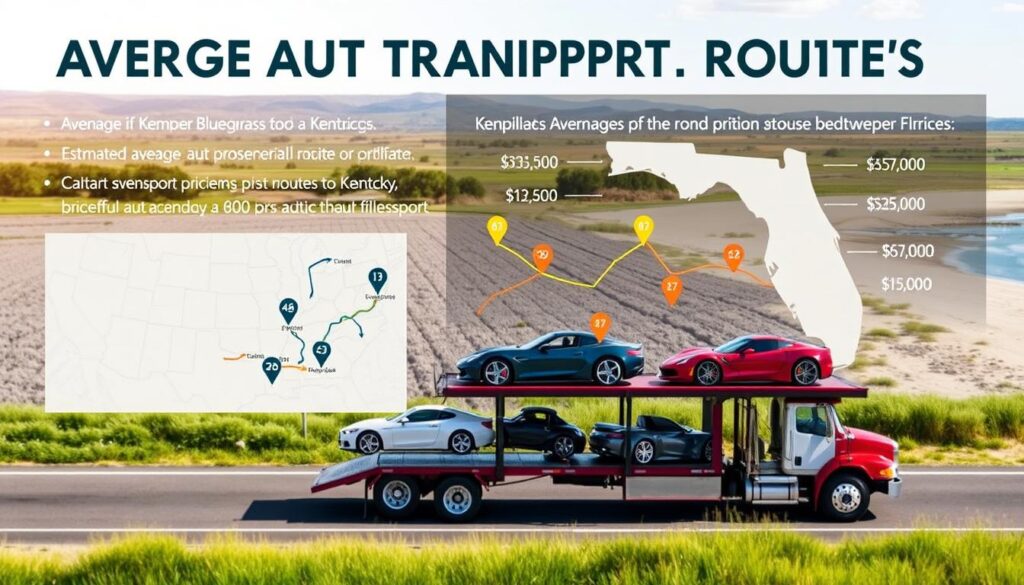
Market averages give a quick benchmark for planning. Many standard routes fall near $650, but high-demand lanes show higher numbers.
Kentucky–Florida shipments typically range between $699 and $899. That range reflects miles, seasonal demand, and vehicle class.
Use the online car shipping calculator for a current quote. It analyzes live carrier availability and fuel trends.
- Our pricing model reviews thousands of shipments to keep rates transparent.
- Insurance and door pickup are included in most standard options.
- Distance in miles and seasonal demand remain primary factors affecting final prices.
| Item | Typical Range | Notes |
|---|---|---|
| Standard route average | $650 | Common benchmark for many lanes |
| Kentucky–Florida range | $699–$899 | Reflects demand and distance |
| Included services | Insurance, door pickup | Protects vehicle from pickup to delivery |
Factors Influencing Your Final Shipping Quote
Several clear factors affect the final quote for car shipping. Mileage and the chosen route set the baseline for most estimates.
Vehicle type and condition also play a major role. Running cars use standard loading methods. Inoperable vehicles need specialized equipment and extra labor, which raises the price.
Seasonal demand changes carrier availability. Peak periods shorten pickup windows and increase rates. The online calculator models these swings to give timely quotes.
Customers get transparent quotes that list all costs, including insurance and door delivery options. The company vets carriers so that insured, professional companies handle each transport.
- Total miles and route popularity influence base rates and transit time.
- Vehicle size, weight, and operability change both space and handling needs.
- Flexible scheduling helps secure better rates during high demand.
| Factor | Effect | What to expect |
|---|---|---|
| Miles / route | Primary | Sets base price and transit time |
| Vehicle condition | High | Inoperable vehicles add handling fees |
| Seasonal demand | Medium | Can raise rates and shorten availability |
Comparing Open and Enclosed Carrier Options
Selecting the correct trailer type balances budget, safety, and the level of protection your vehicle needs.
Benefits of Open Trailers
Open carrier car shipping is the most common method. It uses multi-car trailers that move many cars across long miles efficiently.
Open transport averages about $1,205 per shipment, making it cost-effective for standard vehicles. This option is ideal for everyday models and routine auto transport.
When to Choose Enclosed Transport
Enclosed auto transport provides full protection from weather and road debris. Collectors, luxury owners, and classic car buyers value this extra care.
Enclosed shipments average about $1,804 per shipment. Choose this when protection and low exposure to elements matter more than price.
- Open trailers are efficient and affordable for most shipping needs.
- Enclosed carriers offer a covered, secure environment for high-value vehicles.
- The service team helps compare benefits and select the best option for each vehicle and budget.
- All carriers are fully insured, giving peace of mind regardless of the chosen transport method.
| Option | Average Price | Best For |
|---|---|---|
| Open trailer | $1,205 | Standard cars; cost-sensitive shipments over many miles |
| Enclosed carrier | $1,804 | Luxury, classic, and high-value vehicles needing extra protection |
| Service support | Included | Carrier vetting, insurance, and transport coordination |
How Vehicle Condition Affects Your Total Price
Mechanical readiness matters. If a vehicle cannot roll, extra gear and labor are required and that raises the final price.
Non-running units typically add about $311 because carriers must use winches and ramps for safe handling.
Most carriers expect your car to roll, brake, and steer during standard loading. Meeting these checks avoids added fees and speeds pickup.
- The condition of your vehicle is a key factor in auto transport pricing.
- Inoperable cars need special equipment and extra labor during shipping.
- Accurate condition details help the team give a precise quote and prevent surprises.
| Condition | Extra Fee | Note |
|---|---|---|
| Runs and drives | $0 | Standard loading |
| Non-running | $311 | Winch/equipment required |
| Limited steering | Varies | Carrier assessment at pickup |
BestCarShippingInc provides clear guidance so customers can prepare their vehicle and often secure better rates. For questions about service or a precise quote, contact the team at (307) 288-5972 or info@bestcarshippinginc.com.
Seasonal Impacts on Shipping Rates
Market patterns during the year create predictable swings in shipping rates and transit times. Understanding these cycles helps plan smarter moves and avoid surprises.
Winter and Spring Considerations
February often brings the lowest demand for car shipping. Fewer bookings mean more carrier options and lower rates.
Spring sees rising activity as people relocate and buy vehicles. That increase can reduce carrier availability and push prices up.
- February: Competitive prices and shorter wait times.
- Spring: Higher demand can lengthen pickup windows and raise costs.
- Summer: Peak months (June–August) usually show the highest rates and longer transit times.
BestCarShippingInc monitors these trends and advises customers on timing. Booking during off-peak periods often lowers the overall price and gives more flexible pickup and delivery options.
Best Times of Year to Book Your Transport
Booking well ahead gives more options and usually secures lower rates for transport. Reserving service 2–3 weeks before your preferred date improves carrier availability and scheduling flexibility.
January through March is the least busy window for car shipping. Lower demand in these months often produces the most competitive pricing and shorter pickup windows.
Plan vehicle moves around off-peak times to reduce overall shipping costs. Early booking also lets the team provide an accurate quote and avoid last-minute price spikes.
- Book auto transport 2–3 weeks in advance for the best rates and pickup options.
- Use the quieter Jan–Mar months when possible to maximize savings.
- Flexible scheduling helps secure carriers on your preferred date and route.
BestCarShippingInc helps manage scheduling and adjusts plans based on market demand. For lane-specific guidance, see our car shipping from New York to page or contact the team for a tailored quote and reliable service.
Preparing Your Vehicle for Pickup
Proper preparation ensures a smooth pickup and clear documentation. Drivers need an uncluttered vehicle for a fast pre-shipment inspection. Small steps now prevent delays and protect your asset.
Cleaning Your Car
Clean the interior and exterior before the driver arrives. Dirt and debris can hide dents or scratches during the inspection.
Removing Personal Belongings
Remove all items from the cabin and trunk. Personal goods are not covered by standard shipping insurance and can shift during transit.
Checking Fluid Levels
Verify fluids and battery health. Keep between a quarter and a half tank of gas so the driver can move the vehicle if needed.
- Do a visual walk-around: note pre-existing damage for records.
- Disable alarms and secure loose parts.
- Follow the provided checklist from the team for faster processing.
A proper inspection at pickup documents condition and avoids disputes. Contact BestCarShippingInc at (307) 288-5972 or info@bestcarshippinginc.com with questions about preparing your vehicle.
Navigating the Booking Process
A brief online form captures vehicle and route details and returns a reliable estimate within minutes. Use the instant calculator for a quick quote and side-by-side options.
The booking follows a simple three-step process: request a quote, schedule pickup, and receive delivery. Nexus Auto Transport taps a vetted network of 59,000+ carriers, so customers see accurate pricing and realistic timing.
Customers choose a preferred pickup date and opt for door-to-door handling. The team assigns a carrier, confirms the schedule, and sends tracking updates until delivery.
- Transparent quotes with no hidden fees.
- Coordinated pickup and final door delivery.
- Live updates and support through every step.
| Step | Typical Timing | What the customer gets |
|---|---|---|
| Request a quote | Minutes | Estimate and options via calculator |
| Schedule pickup | 1–14 days | Assigned carrier and confirmed date |
| Delivery | Transit window | Door delivery and final inspection |
Questions? Call (307) 288-5972 or email info@bestcarshippinginc.com for help booking and managing your auto transport.
What to Expect During Vehicle Transit
Expect clear status updates and professional handling from pickup until final delivery. Communication is regular. The carrier shares location and timing so customers stay informed.
Transit times vary by distance. Regional moves usually take 1–3 days. Cross-country runs often need 5–10 days.
Drivers perform a written inspection at pickup and again at delivery. You sign the Bill of Lading at both points to confirm condition.
- Carriers use the right equipment to secure your vehicle throughout transit.
- The logistics team manages routing and scheduling for timely transport.
- Experienced drivers execute loading, handling, and final inspection.
- Support staff are available if you have questions during transit.
“A documented inspection at pickup and delivery protects both owner and carrier.”
| Stage | What Happens | Typical Time |
|---|---|---|
| Pickup | Inspection, Bill of Lading signed | Same day |
| Transit | Secure loading, status updates | 1–10 days |
| Delivery | Final inspection, handoff | Same day |
Need lane-specific details? See this guide on Florida to North Dakota car shipping or contact support at (307) 288-5972 or info@bestcarshippinginc.com.
The Importance of Insurance and Protection
Verified cargo insurance forms the foundation of safe, professional vehicle transport. Every carrier in the network must maintain full cargo policies that cover vehicles during transit.
Before a carrier receives an assignment, the team confirms the policy is active and meets strict standards. This step reduces risk and speeds any claim handling.
Documentation helps. Owners should photograph their vehicle from multiple angles before pickup. Those images support any claim and protect both parties.
- Insurance is a required element of the service, providing clear protection for your vehicle while on the road.
- Carriers are vetted; only those with compliant policies are assigned.
- The company can supply policy details for your specific shipment on request.
Peace of mind matters. Choosing this provider means a comprehensive approach to safety and reliable handling. For lane-specific insurance details, see this guide on shipping between popular routes or contact the team at (307) 288-5972 or info@bestcarshippinginc.com.
“Your vehicle’s protection starts with verified coverage and careful carrier selection.”
Avoiding Hidden Fees and Scams
Hidden fees often appear in small print and can turn a fair quote into an expensive surprise.
Transparent pricing is a hallmark of the company’s service. Customers receive upfront estimates that list each line item clearly. This approach removes uncertainty and reduces disputes at pickup or delivery.
Be wary of quotes that are significantly lower than the industry average. Extremely low offers often indicate shortcuts, poor service, or added charges later.
- Always request a written quote that details all fees and expected costs.
- Compare quotes from vetted providers to spot outliers in prices and services.
- Ask questions about fuel, access, and handling fees before booking.
| Warning Sign | What It Means | How BestCarShippingInc Responds |
|---|---|---|
| Unusually low estimate | May add fees later | Provides transparent, itemized quotes |
| No insurance details | Greater financial risk | Shares carrier policy information on request |
| Vague contract terms | Can hide final costs | Explains all terms and final cost drivers |
Get a fair quote and clear explanation of final cost. Call (307) 288-5972 or email info@bestcarshippinginc.com for an accurate estimate without hidden fees.
Benefits of Professional Broker Services
Working with an experienced broker puts an advocate on your side during every stage of transport.
Brokers secure better rates and handle logistics. They negotiate with multiple carriers and simplify scheduling. This reduces hassle and often improves final pricing.
Professional brokers give access to a wide network of vetted auto transport companies. Each carrier is checked for insurance, safety records, and proper equipment before assignment.
Customers benefit from one point of contact. The broker coordinates pickups, tracks the shipment, and resolves issues. That saves time and lowers risk.
- Access to vetted companies and reliable equipment.
- Negotiated rates and clear, itemized quote options.
- Claims support and carrier oversight backed by thousands of positive reviews.
BestCarShippingInc has earned over 5,000 five-star reviews across platforms. Contact the team for an instant quote and an efficient, professional service at (307) 288-5972 or info@bestcarshippinginc.com.
Managing Delivery and Final Inspection
Delivery day centers on a clear, documented inspection and the Bill of Lading review. The final check at the destination confirms the vehicle matches its recorded pickup condition.
Owners will walk the vehicle with the driver, review the Bill of Lading, and note any changes. Signing the form completes the transfer and records acceptance.
Photographs at delivery help document condition for records and any claim. Keep images with the signed paperwork for quick reference with insurance.
- Final inspection verifies the vehicle is in the same state as at pickup.
- The driver and owner review and sign the Bill of Lading on delivery.
- The service team is available if issues arise during inspection.
- All companies in the network follow strict delivery and inspection protocols.
Clear documentation protects the owner and carrier. For lane-specific questions or route pricing guidance, see our route pricing guide or contact support at (307) 288-5972 or info@bestcarshippinginc.com.
Why Driving Yourself May Cost More
When tallying real travel expenses, self-driving can cost far more than hiring an experienced carrier.
Fuel, meals, and overnight stays add up over long routes. These outlays pile onto wear and tear and extra miles on the vehicle.
Long trips often require several days on the road. That increases depreciation and raises the chance of unscheduled maintenance.
- Self-driving usually costs more when you include gas, food, and lodging.
- Extra miles and extended days increase depreciation and service needs.
- Professional auto transport protects cars from wear and saves time.
- Reputable companies offer competitive pricing that can beat DIY expenses.
Below is a clear comparison of likely expenses for a representative long haul.
| Expense | Self-Drive (Estimate) | Professional Transport (Estimate) |
|---|---|---|
| Fuel & tolls | $300–$500 | Included in carrier fee |
| Lodging & meals | $200–$400 | $0 |
| Vehicle wear / extra miles | High (depreciation + maintenance) | Minimal |
| Total time (days) | 2–4 days | 2–3 days |
Contact BestCarShippingInc at (307) 288-5972 or info@bestcarshippinginc.com for a quote and see how much money you can save by choosing professional auto transport over a long drive.
Conclusion
Selecting a trusted partner makes the difference between a smooth move and unexpected problems.
The team provides an accurate quote and clear breakdown of each price element. This helps owners budget and avoid surprise charges.
Transparent pricing and vetted companies ensure reliable handling and strong customer care. Understanding key cost drivers lets customers make informed choices when they need to ship car.
Contact the team for an instant quote, or learn more about lane specifics at New Jersey to Florida transport. Call (307) 288-5972 or email info@bestcarshippinginc.com for support.