
Planning a long-distance move? RoadRunner Auto Transport offers clear pricing and dependable service for vehicle relocations between these states. With over 30 years in the industry, the company combines experience with a nationwide network of 25,000 carriers.
The average price for standard transport runs near $930. Most shipments arrive within 4 to 6 days, depending on route and carrier availability. Customers can request a free quote through the online calculator or by calling (888) 777-2123.
Transparency and protection are priorities. RoadRunner provides clear pricing, optional insurance, and personalized service for different vehicle sizes and types. The team aims for on-time pickup and safe delivery every time.
For quick assistance, contact info@bestcarshippinginc.com or (307) 288-5972. The process is straightforward and built for busy owners who need reliable auto transport with honest information.
Key Takeaways
- Average pricing for standard transport is around $930 and includes nationwide carrier access.
- Transit typically takes 4–6 days, subject to route and availability.
- RoadRunner has 30+ years of experience and a 25,000‑carrier network.
- Customers can get free quotes online or by phone for tailored pricing.
- Transparent pricing and optional insurance protect vehicles during shipment.
Understanding the Cost to Ship a Car From Utah to Texas
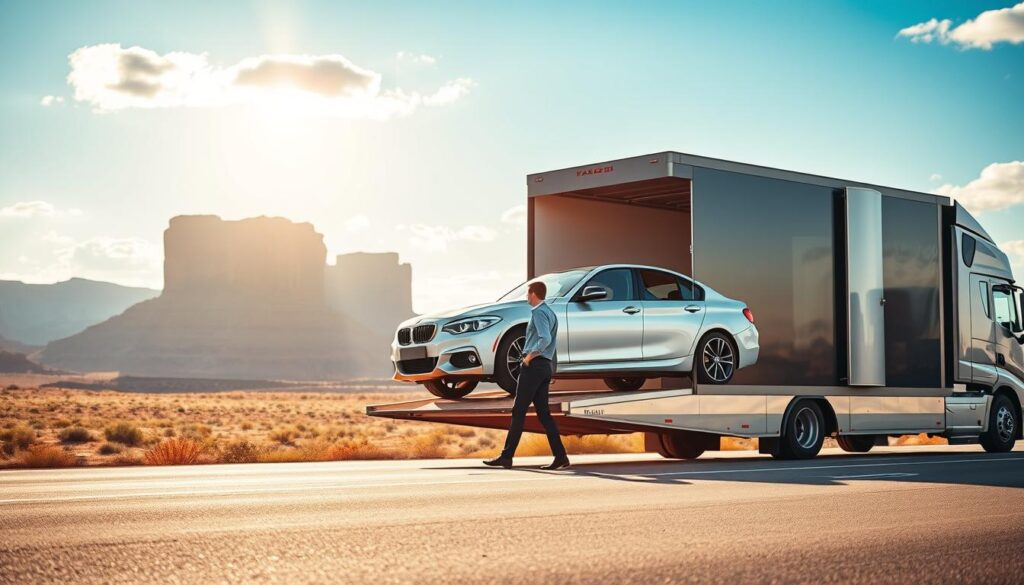
Expect quotes that reflect distance and demand; many runs average under $1,000 for standard service. This section breaks down typical pricing and shows how regional differences affect your final quote.
Average Pricing Estimates
Typical pricing centers near $930 for standard transport. Specific routes shift that number up or down.
For example, Salt Lake City to Houston generally ranges from $726.00 to $1,133.00. Provo to Dallas commonly falls between $633.00 and $988.00.
The average driving distance between major hubs is about 1,624 miles. Transit for standard auto transport usually takes 4 to 6 days.
Regional Variations in Shipping Rates
Rates vary with seasonal demand, vehicle type, and carrier availability. Routes with more carrier traffic tend to be cheaper.
Key considerations include route complexity, pickup and delivery accessibility, and vehicle size. Comparing multiple quotes helps find the best price and timing.
- Average estimate: $930 (varies by city pair).
- Salt Lake City ⇢ Houston: $726–$1,133.
- Provo ⇢ Dallas: $633–$988.
For regional shipping tips and a free quote, view our regional shipping guide or contact the team for tailored information.
Factors Influencing Your Auto Transport Quote
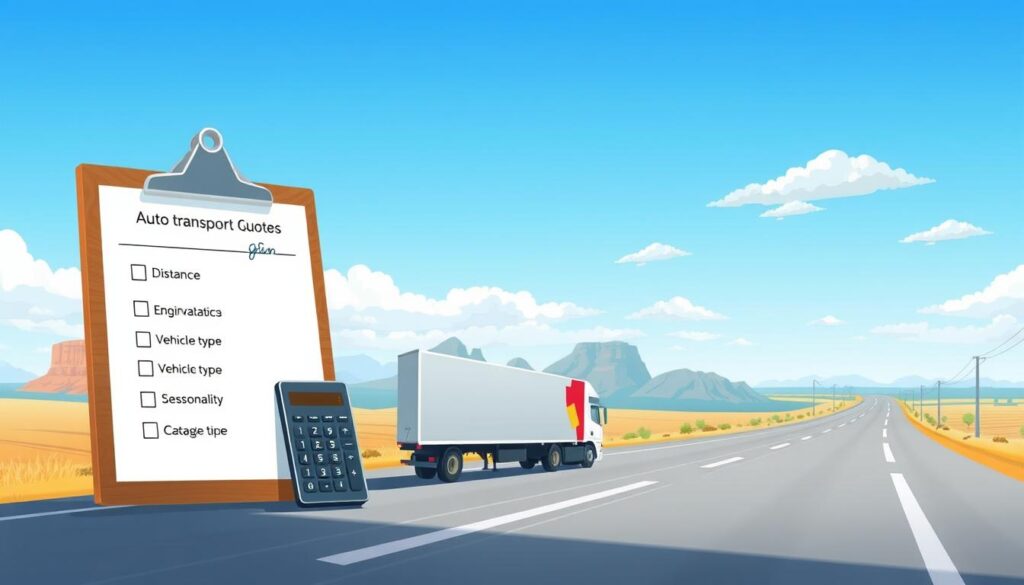
Several clear variables affect the final quote for car shipping. Distance is primary: longer routes raise fuel and labor expenses for carriers. This influences pricing for any long-haul shipment.
Vehicle size and weight matter next. Larger SUVs and trucks take more trailer space and can increase the price of car transport. Weight can also affect carrier limits and fuel use.
Pickup and delivery access affect logistics. Tight streets, gated communities, or rural drives may require special equipment or curbside staging. That changes the final price and timing.
- Seasonal demand shifts shipping prices during peak moving months and holidays.
- Expedited services speed transit but add fees to the cost ship car quote.
- Insurance and coverage options are shown transparently and impact total pricing.
- Experienced carriers and customer service help secure accurate quotes and safe transit.
Actionable tip: Discuss route specifics and desired timing with a representative. Clear details yield the most accurate quote and reduce surprises on pickup day. For help, contact info@bestcarshippinginc.com or (307) 288-5972.
Estimated Transit Times for Your Vehicle
Transit estimates hinge on daily mileage and routing, which determine when your vehicle will arrive.
Standard carriers typically cover about 500 miles per day. That pace sets the baseline for delivery planning.
A 1,000-mile route generally requires 2 to 3 days, depending on road conditions and driver schedules. Every additional 500 miles usually adds roughly one day of transit.
Total delivery time is commonly between 2 and 8 days. Weather, traffic, and pickup access can affect that window.
Mileage and Delivery Speed
- The primary factor is mileage between pickup and delivery points.
- Expedited services are available for faster delivery when necessary.
- Carriers provide pickup and delivery updates so customers know shipment status.
- Professional companies coordinate routes to meet projected times and protect vehicles.
For route-specific guidance and a tailored quote, view our car shipping route or contact the team at info@bestcarshippinginc.com or (307) 288-5972.
Choosing Between Open and Enclosed Transport
Deciding between open and enclosed carriers shapes the level of protection your vehicle will receive. Open carrier shipping is the most common, cost-effective solution for everyday vehicles. It moves multiple cars on exposed trailers and keeps pricing lower.
Enclosed transport adds a layer of security. These trailers shield vehicles from weather and road debris. That makes enclosed ideal for high-value, classic, or delicate cars.
RoadRunner Auto Transport offers both options. The company works with carriers that specialize in each service. Customers receive clear quotes and help picking the right option.
- Open service: economical and fast for standard vehicles.
- Enclosed service: extra protection for valuable vehicles.
- Transparent pricing and carrier selection by the company.
| Feature | Open Carrier | Enclosed Carrier |
|---|---|---|
| Protection | Standard exposure protection | High — weather and debris shielded |
| Typical use | Everyday vehicles | Classic and luxury cars |
| Price | Lower | Higher |
Tip: Ask for a tailored quote and carrier options when booking. For enclosed options and scheduling, visit enclosed options or contact info@bestcarshippinginc.com and (307) 288-5972.
Preparing Your Vehicle for Pickup
Proper prep before pickup reduces delays and protects your vehicle during transport. Clear steps help drivers inspect and load quickly. They also protect owners from surprises at delivery.
Cleaning Your Car
Clean the interior and exterior before the driver arrives. A tidy vehicle lets the carrier document existing condition accurately.
This step speeds inspection and supports any future insurance claims.
Removing Personal Items
Personal items are allowed if they weigh under 100 pounds and stay below the window line.
Note: Personal belongings are generally not covered by insurance if lost or damaged during shipment.
Secure loose objects or remove them. This prevents damage and keeps the load balanced.
Disabling Alarms
Disable car alarms before pickup. An active alarm can delay loading and disrupt the carrier’s schedule.
Also, keep fuel between a quarter and a half tank. That level eases loading while keeping the vehicle light for safe transport.
- Tip: Confirm pickup time and any special instructions when you request a quote.
- Tip: Ask the company about enclosed transport if extra protection is needed.
- Contact: For help with prep or scheduling, view our Texas car shipping page or email info@bestcarshippinginc.com.
Navigating Texas Vehicle Registration Requirements
Getting a vehicle road-ready in Texas involves licensing, insurance, and inspection requirements.
New residents have 90 days to obtain a driver license from the Department of Public Safety after moving. Registering the vehicle promptly ensures it may be driven legally on public roads.
Texas requires liability insurance with minimum limits of 30/60/25. That means $30,000 per person injured, $60,000 per accident, and $25,000 for property damage. Maintain proof of coverage at all times.
All vehicles must pass an annual safety inspection. Inspectors check brakes, lights, steering, tires, and other key systems to confirm roadworthiness. This inspection is part of standard auto compliance.
There is a one-time $90 new resident tax for vehicles previously registered in another state or foreign country. Check local fees and timelines to avoid late penalties.
- Register and confirm compliance after arrival.
- Carry 30/60/25 liability insurance at all times.
- Pass the annual safety inspection for brakes, lights, and tires.
- Obtain a Texas license within 90 days of moving.
“Understanding these requirements helps prevent delays once your car arrives and keeps you compliant with local law.”
Need help? The team can explain how registration, insurance, and inspection fit into the shipping and transport timeline. Contact info@bestcarshippinginc.com or call (307) 288-5972 for guidance once your vehicle arrives in the state.
Benefits of Professional Auto Shipping Services
Professional vehicle transport removes the stress of long drives and handles every logistical detail.
RoadRunner Auto Transport uses a vetted network of over 25,000 carriers. This scale delivers reliable pickup and timely delivery across long routes.
Customers gain real-time tracking and 24/7 updates. State-of-the-art monitoring keeps owners informed about shipment status and expected days in transit.
Comprehensive insurance options add protection while the vehicle is on the road. A dedicated support team answers questions from booking through delivery.
- Full-service handling from initial quote to final delivery.
- Reduced wear, saved time, and lower travel expense compared with driving yourself.
- Access to enclosed transport when extra protection is needed.
- 24/7 tracking and responsive customer support for peace of mind.
| Advantage | What it means | Why it helps |
|---|---|---|
| Large carrier network | 25,000+ vetted carriers | Better availability and competitive price |
| Real-time tracking | 24/7 status updates | Visibility and predictable timing |
| Insurance options | Coverage tiers available | Added protection for your vehicle |
| Customer support | Dedicated team during pickup and delivery | Fast answers and smoother service |
Request a tailored quote by contacting the company at info@bestcarshippinginc.com or calling (307) 288-5972. Professional auto transport offers a reliable, time-saving solution backed by experience and reputation.
Comparing Local and National Shipping Companies
A side-by-side look at local and national companies reveals trade-offs in flexibility and customer care.
Local providers such as Redman Van & Storage and Freight Tec Management Group often deliver personalized service. Redman holds a 3.84 out of 5 rating for interstate work. AMPM Auto Transport in Salt Lake City adds expedited delivery and handles classic cars and RVs.
Local teams may know neighborhood pickup routes best. They can offer focused support during pickup and delivery. However, capacity can be limited on busy days.
National carriers bring scale. Larger networks give better scheduling options and more competitive pricing. They also handle multi-state routing and urgent requests with greater ease.
How to decide: Compare ratings, insurance, and quoted timelines. Ask for a written quote that lists pickup windows and estimated days. Our team evaluates shipping companies so customers find the right balance of price, protection, and punctual delivery.
Need help? Contact the office at info@bestcarshippinginc.com or call (307) 288-5972 for a tailored quote and carrier recommendations.
Seasonal Impacts on Shipping Rates
Monthly patterns in relocation and travel directly influence carrier availability and rates. Summer (June–August) is the busiest period. Increased moves and vacation traffic push demand higher.
February often has the lowest demand and more affordable auto transport quotes. That month is a good window for planning if flexibility exists.
Winter brings weather risks like snow and ice. Delays may extend transit days and affect delivery windows.
September sees a small rise in pricing from students and seasonal moves. October and November usually ease, improving availability and sometimes lowering rates for enclosed transport.
Practical tip: Book early during busy months and request a firm quote. The company monitors trends and offers transparent pricing so customers can choose the best timing.
| Season | Demand | Typical Impact |
|---|---|---|
| February | Low | Lower quotes, better availability |
| June–August | High | Higher rates, limited carriers |
| September | Moderate | Small price increases |
| Oct–Nov | Lower | Better availability, good enclosed rates |
Plan ahead and request multiple quotes for the best pricing and timing. For route-specific guidance, view this Del Rio to Los Angeles route or contact info@bestcarshippinginc.com and (307) 288-5972.
Alternative Methods for Moving Your Vehicle
Several practical alternatives exist for moving a vehicle across long distances that may better match your budget or timeline.
Rail service often offers the most economical route for long hauls. Trains provide secure handling and lower wear on the car. This option suits owners who value affordability over door-to-door speed.
Hiring a professional driver is another option. It gives door-to-door delivery but usually costs more than standard auto transport. Choose this when timing and convenience outweigh price.
- Combined moving services: Many interstate movers partner with car transport providers for a bundled solution that simplifies logistics.
- Drive it yourself: Direct control and no carrier scheduling, but adds substantial mileage and wear to the vehicle.
- Tow with a trailer hitch: Effective if you have proper equipment and driving experience. Not recommended for novice drivers.
- Train shipping: Often the budget-friendly method and secure for long-distance transport.
“We present alternatives so owners can compare costs and benefits and pick the best option for their move.”
RoadRunner and similar providers explain each method. The goal is clear: help customers pick the right balance of price, timing, and protection for their car transport needs in the state. Contact info@bestcarshippinginc.com or call (307) 288-5972 for tailored guidance.
Ensuring Your Car Arrives Safely
Careful inspections, carrier training, and 24/7 tracking form the backbone of secure vehicle transport. Every shipment includes basic liability coverage while the vehicle is in transit.
RoadRunner conducts a detailed inspection at pickup and again at delivery. The final check confirms the vehicle left and arrived in the same condition.
An adult over 18 must be present or an authorized representative must sign inspection reports at both pickup and delivery. This protects the customer and the carrier.
- All shipments carry basic liability insurance; comprehensive options are available for high-value vehicles.
- Online tracking runs 24 hours a day so owners can monitor progress and safety in real time.
- Professional carriers follow handling protocols and use secure loading practices, including enclosed transport when extra protection is required.
Delivery windows are managed carefully, and drivers document condition with photos and forms. For route planning and related service details, view the Tennessee–California route guide or contact the office at info@bestcarshippinginc.com or (307) 288-5972.
Conclusion
Selecting the right provider makes long-distance vehicle moves straightforward and secure.
Compare offers from multiple shipping companies and review coverage, timelines, and ratings. That helps owners find the best car option and the most transparent cost ship estimate for their needs.
Choose a reputable car shipping company that explains auto protection, transit windows, and pickup steps. Reliable services reduce stress from booking through final delivery.
Contact the team at (307) 288-5972 or email info@bestcarshippinginc.com for a tailored quote. The staff will guide you through options, compare shipping companies, and arrange professional auto services for a smooth move.