
Understanding transport pricing helps vehicle owners plan long moves across the United States. Small swings in fuel can change a long-haul transport quote, especially for a typical cross-country run of about 2,100 miles.
Best Car Shipping Inc. tracks market trends so their services stay competitive. Car haulers usually carry eight to nine cars at once, which spreads fuel out and helps keep the per-vehicle price stable.
Distance, route choice, season, and driver availability all shape the final price. Customers should compare like-for-like quotes and confirm that fuel-related fees and insurance are listed in writing.
For a clear estimate, request a professional quote from the team via auto shipping quotes or call (307) 288-5972.
Key Takeaways
- Long routes (about 2,100 miles) make fuel a key factor in transport rates.
- Shared hauler capacity (8–9 cars) reduces per-vehicle fuel burden.
- Season, distance, and service type influence the final quote.
- Verify fuel surcharges and insurance on all written estimates.
- Contact Best Car Shipping Inc. for transparent, professional quotes.
Understanding How Fuel Prices Affect Car Shipping Costs
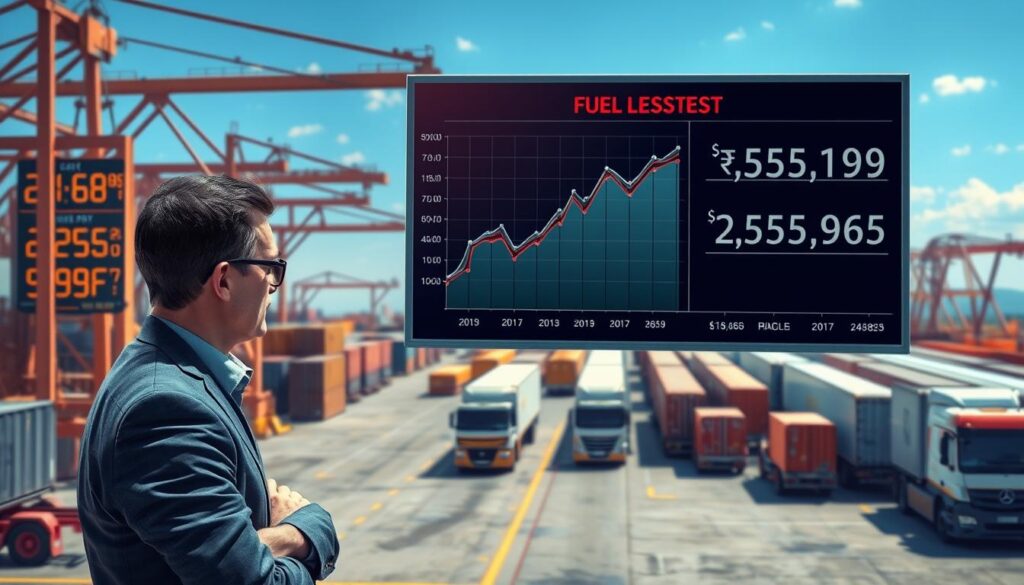
Rising crude benchmarks ripple through the logistics chain, increasing operating expenses for haulers. That initial change starts a chain reaction that shows up in every shipment budget.
The Chain Reaction of Fuel Expenses
When global oil rises, carriers face higher per-mile outlays. These fuel costs make up a significant share of the total service price for professional transport firms.
To protect margins, companies adjust rates and add surcharges. That means the price on your quote can shift with market swings. Customers who understand this can compare quotes more effectively.
Shared Expenses Among Multiple Customers
Consolidation reduces impact on any single vehicle. Carriers plan routes to carry many cars at once and spread fuel out across shipments.
Shared loads lower the per-vehicle burden. This is why booking through reputable companies often yields better car shipping costs than moving one vehicle alone.
- Efficiency: Route optimization keeps rates competitive.
- Transparency: Ask for a breakdown on fuel and surcharges in your quote.
The Link Between Global Oil Markets and Freight Rates

Worldwide oil trends form the backdrop that underpins most long-haul freight tariffs. When crude moves, carriers update per-mile rates. This is why small shifts in global markers change local transport quotes and overall shipping costs.
Historically, diesel costs track crude closely. Trucking is a major diesel consumer, so market swings flow straight into the logistics sector. That makes car shipping rates sensitive to international volatility.
- Baseline: Oil markets set the starting point for freight rates.
- Distance matters: Long routes magnify fuel exposure and the final quote.
- Carrier relationships: Strong partnerships help secure better rates when markets shift.
- Efficiency: Route planning and consolidation reduce per-vehicle impact.
Best Car Shipping Inc. monitors these factors to keep transport reliable and cost-effective. For a transparent estimate, see our detailed car shipping prices and request personalized quotes based on your route and service.
How Diesel Price Volatility Impacts Transport Fees
When diesel markets turn volatile, national carriers must rebalance rates to preserve service margins. Sudden geopolitical events — especially near the Strait of Hormuz — can tighten tanker movement and push diesel higher almost overnight.
Speculation and Market Trends
Market speculation often causes brief spikes even without physical supply losses. Traders react to headlines, and that reaction flows into wholesale diesel and retail pump levels.
Carriers respond by adding or raising surcharges. That raises the per-vehicle fees carriers charge to cover longer hauls and heavier routes.
“Even temporary diesel spikes change operating budgets for US transport companies and influence quoted rates.”
Best Car Shipping Inc. monitors these trends and works with reliable carriers to keep service and safety consistent. For a clear estimate, request an estimate for your vehicle so quotes reflect current market factors and delivery needs.
Seasonal Demand and Its Influence on Shipping Quotes
Peak seasonal moves drive higher demand for vehicle transport during the mid-year months. Summer relocation and college moves concentrate volume. That concentration tightens carrier schedules and pushes rates up.
During peak periods, carriers often increase fees by roughly 15% to 30% because capacity fills fast. Booking between March and September requires earlier planning to lock a better rate.
Best Car Shipping Inc. recommends scheduling as far ahead as possible. January through March usually offers more availability and lower rates.
- Routes and distance: Longer hauls during busy months amplify surcharges.
- Pickup and delivery: Popular terminals fill faster, affecting timing and final quote.
- Carrier availability: Limited capacity raises per-vehicle fees across the board.
Customers can request a transparent quote tailored to their route and timing. For cross-border inquiries see cost of shipping car from Canada to or contact the team for a detailed estimate.
The Role of Vehicle Size and Weight in Fuel Consumption
Load weight and vehicle size are central drivers of per-mile fuel consumption. Heavier vehicles force carriers to burn more diesel and lower overall fleet efficiency.
Large trucks and full-size SUVs take up extra trailer space. That limits how many cars a driver can haul, which raises the per-unit price on long runs.
Impact of Heavy Vehicles
Non-running vehicles often need winches and extra labor. That service can add $100 to $300 to the total.
- Oversized units reduce carrier capacity and may trigger a surcharge.
- Carriers optimize load distribution to limit additional fuel use.
Electric Vehicle Considerations
Electric models can weigh 1,000 to 2,000 pounds more because of battery packs. Many companies place EVs in a higher pricing tier for that reason.
Best Car Shipping Inc. provides clear, detailed quotes that reflect size, weight, and special handling. For a tailored estimate, request a quote at how much is car shipping or call (307) 288-5972.
Why Route Selection Matters for Your Final Price
Where a pickup or delivery lies on the map often matters more than raw distance for the final quote. Carriers run frequent lanes and prefer major corridors. That means routes like I-95 or I-10 usually offer better rates because trucks stay full more often.
Rural pickups or door deliveries can add an extra surcharge. Expect an added $75 to $200 when carriers must detour from main highways.
Best Car Shipping Inc. analyzes route options to balance timely delivery with lower fuel use. Flexibility in pickup or delivery location often yields a more competitive transport quote.
- Minimize empty miles: Busy corridors cut wasted travel and lower per-vehicle rates.
- Avoid rural surcharges: Adjust pickup or delivery points when possible to save on fees.
- Carrier network: Trusted carriers familiar with common routes improve reliability and delivery times.
Distance is important, but demand and available loads along the path also shape the final price. For a clear, business-minded explanation and a written quote, call (307) 288-5972 or email info@bestcarshippinginc.com.
Operational Costs Beyond the Pump
Beyond pumps and tanks, carriers face steady expenses for driver pay, maintenance, and liability protection. These items are part of the baseline that shapes final quotes for transport services.
Insurance and Labor Costs
Every licensed carrier must carry cargo insurance. Federal rules require a minimum of $750,000 in liability coverage for protection of the vehicle and third parties.
Insurance premiums have risen across the industry. That trend adds upward pressure on rates even when fuel is stable.
Labor is another major line item. Professional drivers earn wages, and their time on long routes increases payroll exposure.
| Expense Category | Typical Impact | Why It Matters |
|---|---|---|
| Liability & Cargo Insurance | High | Federal minimums and premium increases raise per-vehicle fees |
| Driver Wages | Moderate–High | Long hauls and trained staff increase labor cost |
| Equipment Maintenance | Moderate | More repairs in peak months raise operating overhead |
| Seasonal Demand (summer) | Variable | Higher volume and maintenance in summer can lift fees |
Best Car Shipping Inc. partners with trusted companies that maintain strong coverage and safety programs. The company builds these operational factors into transparent quotes so customers see the full breakdown.
For a clear estimate, consult the detailed vehicle transport cost guide or call (307) 288-5972. Email: info@bestcarshippinginc.com.
Strategies for Booking During Market Fluctuations
Secure pickup dates 7 to 14 days ahead to avoid rush premiums. Last-minute requests under three days often carry a 15%–30% surcharge. Planning ahead saves money and reduces stress.
Be flexible with delivery windows and pickup points. Small adjustments in routes and timing let carriers match your vehicle to other shipments. That lowers per-vehicle rates and keeps overall transport more efficient.
Best Car Shipping Inc. monitors market demand in real time. The team shops multiple carriers to find the best quote for the distance and route you need. This hands-on approach protects customers from sudden market swings.
- Book early: 7–14 days is the optimal window to avoid premiums.
- Stay flexible: Alter pickup or delivery points to reduce added fees.
- Request quotes: Compare written quotes that list surcharges and delivery timing.
Contact the office for a clear, itemized quote and professional guidance on timing. Call (307) 288-5972 or email info@bestcarshippinginc.com to secure the best rates and protect your shipment.
Comparing Open and Enclosed Transport Options
Choosing between open and enclosed transport depends on protection needs, vehicle size, and budget. Open carriers typically haul seven to ten cars. That makes open transport the most affordable way to move a standard vehicle.
Enclosed trailers add a 30% to 60% premium. They shield vehicles from road debris and weather. Owners of classic or luxury models often prefer this extra protection despite higher prices.
“Enclosed transport is an investment in protection for high-value vehicles.”
Best Car Shipping Inc. provides clear quotes for both options. The team compares services based on vehicle size, weight, and declared value. Insurance coverage and door versus terminal pickup are shown up front.
- Open transport: Cost-effective, common, higher carrier capacity.
- Enclosed transport: Superior protection, higher price, limited capacity.
- Service choice: Balance budget with the need for specialized care.
| Option | Capacity | Typical Premium |
|---|---|---|
| Open | 7–10 cars | Baseline rate |
| Enclosed | 2–6 cars | +30% to +60% |
Contact the team for a tailored recommendation and a written quote that includes insurance and expected shipping costs. Call (307) 288-5972 or email info@bestcarshippinginc.com.
Managing Expectations for Delivery Timelines
Delivery windows can stretch when carrier fleets face high demand and long routes. That reality shapes pickup and delivery times for many vehicle moves.
Fuel represents roughly 20% to 40% of a carrier’s expense. Large spikes may force temporary route adjustments and slower transit times.
During peak summer periods, demand rises and wait times lengthen. Winter months usually provide more predictable timelines and lower pressure on rates.
Best Car Shipping Inc. provides realistic estimates tied to current route conditions and vehicle needs. The team stays in constant contact with carriers to share status updates.
Booking in advance improves reliability and can reduce fees tied to last-minute scheduling. Customers receive clear information on possible variables, including insurance and route changes.
- Plan early: Secure dates 7–14 days ahead when possible.
- Stay informed: Expect updates if market demand or routes shift.
- Ask for transparency: Confirm all fees and timing in writing.
| Factor | Typical Effect | Suggested Action |
|---|---|---|
| Peak summer demand | Longer wait times, higher rates | Book early; allow flexible windows |
| Fuel expense spikes | Route changes; slower delivery | Accept revised ETA; confirm fees |
| Carrier availability | Variable pickup times | Request status updates; confirm pickup |
| Vehicle special needs | Longer handling or service | Share details upfront; get written quote |
For a reliable estimate and clear timeline, call (307) 288-5972 or email info@bestcarshippinginc.com. The company aims to protect your vehicle and your money with transparent service.
Conclusion
Reliable service, and clear planning help prevent surprises when arranging transport. Smart timing and route choices lead to steadier quotes and fewer unexpected fees.
Understanding market drivers makes it easier to manage car shipping costs for long moves. Consider route selection, vehicle size, and seasonal demand when you book to improve outcomes.
Best Car Shipping Inc. is committed to safe, professional handling of vehicles. The team provides transparent quotes for pickup and delivery and answers questions promptly.
Call (307) 288-5972 or email info@bestcarshippinginc.com for a written estimate and friendly guidance.