
Nationwide vehicle transport averages about $1,200 in 2026. This figure helps set expectations for most long-distance moves. Prices still vary widely by distance, vehicle type, and chosen transport method.
Auto transport remains the safest, most convenient way to move vehicles across the United States. Professional companies use trained crews and specialized equipment to protect each shipment. Seasonal fuel shifts and route demand affect final rates, so planning ahead matters.
For those comparing options, using an auto transport calculator and requesting multiple quotes delivers clarity. Sherpa Auto Transport, for example, offers a Price Lock Promise® that keeps the quoted amount firm. Learn more about realistic estimates and how providers break down fees at car shipping price guide.
Key Takeaways
- Average nationwide shipping sits near $1,200, with common ranges from $600–$2,500.
- Distance, vehicle type, and transport method drive most pricing differences.
- Season, fuel, and route demand can raise or lower final rates.
- Price-lock guarantees and clear quotes reduce surprise charges.
- Use calculators and compare quotes to manage total delivery costs.
Understanding How Much Does It Cost to Ship a Car in the USA in 2026
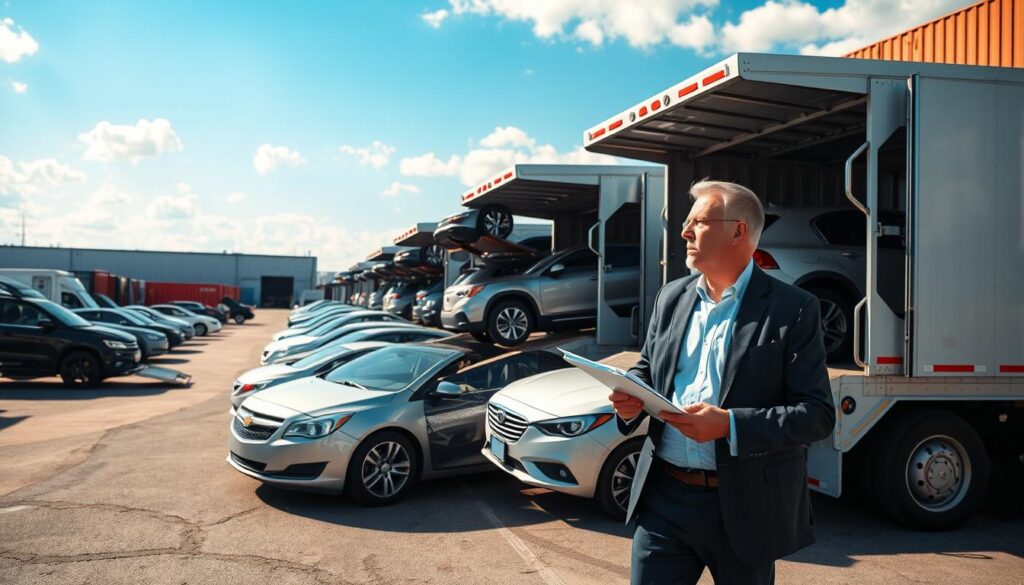
Economic shifts in 2026 shape what owners pay when arranging car shipping across the United States. Exchange rates, fuel, and labor affect base rates for auto transport. Knowing these forces helps set realistic budgets.
When an owner chooses to ship car services, they hire pros who fold each vehicle into a national logistics network. Most moves use a broker-carrier model so carriers match loads quickly and safely.
Base rates reflect distance and vehicle type. Additional variables — seasonal demand, route complexity, and insurance needs — change final costs. Transparent companies list fees up front, reducing surprises.
Researching current market pricing lets buyers compare quotes and secure fair shipping. Whether moving a collector or a family car, understanding base auto transport charges is the first step toward a smooth, reliable transport.
- Tip: Request multiple quotes and ask for itemized fees.
- Tip: Verify broker and carrier credentials before booking.
The Fundamentals of Auto Transport
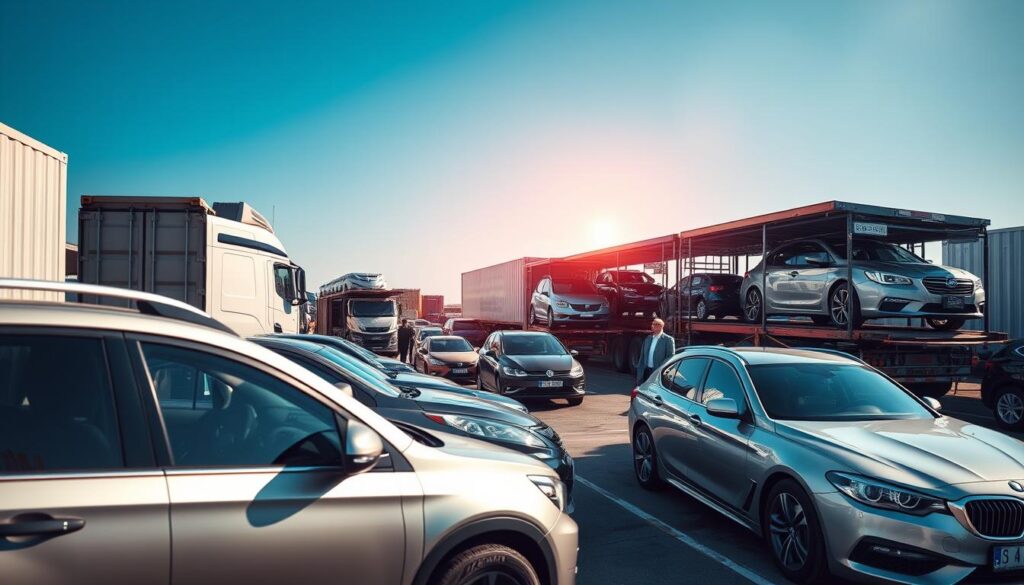
Knowing how broker and carrier roles divide responsibility makes booking smoother.
Broker firms match customer orders with licensed carriers. Brokers handle quotes, scheduling, and paperwork. Carriers operate the rigs that move each vehicle.
The Broker-Carrier Relationship
Understanding this link clarifies who is liable at pickup, during transit, and at delivery. Brokers coordinate logistics. Carriers secure and drive the load.
How the Process Works
Booking starts with a quote. A carrier picks up the vehicle, secures it on specialized trailers, and moves it along planned routes.
- Professional teams use straps, wheel chocks, and tiered racks for safety.
- Each step reduces risk and documents condition.
- Reputable companies provide clear timelines and insurance details.
| Role | Primary Task | Customer Benefit |
|---|---|---|
| Broker | Match loads and manage quotes | Faster booking and price options |
| Carrier | Physical transport and securing vehicle | Safe delivery and certified operators |
| Customer | Provide pickup details and payment | Transparent expectations and control |
Learn more about realistic pricing and services at car shipping price guide.
Key Variables Influencing Your Shipping Quote
A handful of variables drive what you pay when arranging auto transport. Carriers set rates from clear, measurable inputs. Start with distance: short runs (0–500 miles) often fall between $1.60 and $2.60 per mile depending on route and availability.
Vehicle size matters. Larger SUVs and heavy trucks occupy more trailer space and raise the cost of car shipping. Modifications and nonstandard height or weight also change equipment needs.
Fuel price swings trigger carrier surcharges. Seasonal demand — peak summer and winter periods — reduces available trucks and lifts rates. Pickup or delivery in remote locations adds time and handling fees; urban terminals are usually cheaper.
- Distance affects per-mile price; longer trips often lower the mile rate.
- Vehicle condition (operable vs inoperable) changes gear and costs.
- Disclose mods and size to get accurate quotes.
Tip: For a tailored estimate, request an itemized quote and compare offers from multiple companies. Use this shipping estimate tool: vehicle shipping estimate.
Preparing Your Vehicle for Safe Transit
Simple pre-shipment checks protect value and ensure smooth auto transport. Follow a short checklist before pickup to reduce delays and limit risk during shipment.
Cleaning and Inspection
Wash the exterior so scratches and dings are visible. Note any damage in writing.
Removing Personal Items
Do not leave personal belongings inside. Personal items are not insured and can trigger fines. Clear trunks and gloveboxes before the driver arrives.
Documenting Condition
Take high-resolution photos from several angles. Capture close-ups of existing marks.
Keep a digital copy of photos for claims and compare them at delivery during the final inspection.
- Keep fuel at roughly one-quarter tank to limit weight.
- Check tire pressure and battery charge before transport.
- Remove roof boxes, spoilers, or other aftermarket parts.
- Leave a spare key with the driver and confirm pickup time.
- Sign the Bill of Lading only after you confirm the vehicle condition at delivery.
Comparing Open and Enclosed Transport Methods
Choosing between open and enclosed trailers frames the tradeoff between budget and protection.
Open transport is the industry standard. Over 90% of Sherpa customers select it because it is affordable and efficient. These double-decker rigs move multiple vehicles at once. That keeps rates competitive for most vehicle owners.
Enclosed carriers offer premium protection. They shield luxury and classic vehicles from weather and road debris. Expect enclosed shipping to run about 50% higher than open transport. Fewer carriers operate this specialized service, which raises prices and limits availability.
Decide based on vehicle value and tolerance for exposure. For everyday vehicles, open trailers deliver reliable service at lower price. For high-value or one-of-a-kind vehicles, enclosed carriers provide peace of mind.
Compare options and request itemized quotes before booking. For a detailed pricing overview, review the shipping vehicle cost guide.
- Open transport: Best value for standard vehicles and wide carrier availability.
- Enclosed transport: Recommended for high-value, classic, and exotic vehicles.
How Fuel Prices and Economic Trends Impact Rates
Fuel volatility reshapes route planning and availability for long-distance vehicle moves. Rising oil prices raise operating costs for carriers and shift how companies price car shipping.
The Impact of Oil Prices
When diesel climbs, many auto transport firms add a fuel surcharge. That extra line item keeps companies solvent on long routes.
Carriers also become selective about lanes. They prefer routes that save miles and time. This reduces capacity on low-return runs.
“When fuel spikes, the market tightens and customers see higher rates and fewer pickup options.”
- Book early: Locking a quote can protect against sudden price swings.
- Flexibility helps: Flexible pickup or delivery dates often mean lower shipping rates.
- Fleet upgrades: Companies investing in fuel-efficient rigs can limit future cost increases.
| Effect | Carrier Response | Customer Action |
|---|---|---|
| Higher fuel prices | Fuel surcharges applied | Compare quotes and lock rates |
| Route selectivity | Prioritize efficient lanes | Be flexible on dates |
| Economic/regulatory shifts | Fleet investments or reduced capacity | Request itemized quotes from companies |
Navigating Seasonal Price Fluctuations
Timing a move outside busy months can yield better rates and more choice among carriers. Peak demand in January and during summer months often increases car shipping prices. Higher demand tightens capacity and lifts transport rates across many lanes.
Plan ahead by booking at least two weeks before your desired pickup. That window usually secures a firmer quote and better availability from top companies.
Flexibility with pickup and delivery dates is one of the simplest ways to avoid peak-season premiums. Shifting a shipment by a few days can reduce costs and shorten transit time.
- Expect higher prices during holidays and summer travel months.
- Weather events, like winter storms, can delay delivery and raise shipping costs.
- Moving in slower months often yields more competitive rates and reliable service.
Professional transport companies can advise on low-demand windows for your route. Use that guidance to budget accurately and lock a competitive price when you request your quote.
Regional Logistics and the Last Mile Challenge
Access limitations and terrain shape the final delivery plan for many vehicles. Urban centers usually offer faster pickups and lower rates. Terminals, wide streets, and multiple carriers make routing efficient.
Urban vs Rural Pickup
Rural pickups often add transit time and extra miles. Carriers may need to deadhead long distances. That raises the costs and extends delivery days.
Meeting a driver at a nearby lot or terminal can reduce fees. Flexible customers often get better rates and faster service.
Navigating Mountainous Terrain
Mountain routes require experienced carriers and sometimes special equipment. Winter travel through passes increases risk and fuel use.
Professional companies use GPS tracking and regional expertise to protect vehicles and manage schedules.
| Scenario | Impact on Price | Best Customer Move |
|---|---|---|
| Urban pickup | Lower rates, shorter transit | Use curbside or terminal delivery |
| Rural pickup | Higher price due to deadhead miles | Meet driver at accessible location |
| Mountainous routes | Higher fuel and time costs | Choose experienced carriers; plan dates |
Tip: For an accurate route-based estimate, try the vehicle shipping calculator.
Evaluating Professional Shipping Companies
Prioritize transport companies that maintain strong customer review scores and high bond ratings. A top-rated firm shows reliability and steady service. Sherpa Auto Transport, for example, holds a 4.9 out of 5 Total Review Score from thousands of customers.
Verify FMCSA registration and required insurance before booking. Confirm liability and cargo coverage. Ask for proof so your vehicle is protected during the shipment.
Demand transparency. The best auto transport providers share carrier vetting details like maintenance records and accident history. They also offer real-time tracking and clear communication through pickup and delivery.
- Check review scores and bond status.
- Request itemized quotes and compare prices.
- Avoid unusually low offers that hide costs.
| Checklist | What to Ask | Why It Matters |
|---|---|---|
| FMCSA registration | USDOT & MC numbers | Ensures legal, regulated carriers |
| Insurance | Liability and cargo limits | Protects vehicle value during transport |
| Carrier vetting | Accident and maintenance records | Confirms safety and reliability |
| Tracking & communication | Real-time status updates | Reduces uncertainty and saves time |
For questions or to request a quote, contact Best Car Shipping at info@bestcarshippinginc.com or (307) 288-5972.
The Role of Insurance and Legal Documentation
Clear insurance terms and accurate documents protect owners and speed claims when problems arise.
Every legitimate transport company must carry liability and cargo insurance. That coverage protects your vehicle while it rides on the trailer. Review policy limits and exclusions before signing any agreement.
The Bill of Lading is the controlling legal record. It serves as the contract and the condition report. Ensure all preexisting dings are noted before the driver leaves with the car.
Understanding Liability Coverage
Liability typically covers damage from accidents or equipment failure during transit. If damage occurs, the carrier’s insurance handles the claim. A reputable broker will advocate for the shipper during resolution.
- Confirm cargo limits and exclusions in writing.
- Check whether personal auto insurance adds extra protection for shipping.
- Keep detailed photos and a signed Bill of Lading for faster claims.
Ask for proof of FMCSA registration and insurance before booking. For help or questions, contact Best Car Shipping at info@bestcarshippinginc.com or (307) 288-5972.
Managing Costs for Specialty and Non-Standard Vehicles
Specialty rigs and extra clearance needs raise final rates for modified and oversized vehicles.
Shipping lifted trucks, heavy vans, or over-height models often requires space that reduces available slots on a trailer. That drives up the price and may change pickup windows.
Motorcycles and bikes need skids, crates, or wheel chocks. Electric vehicles require about a 50% battery charge for safety and weight rules. Classic and luxury cars benefit from enclosed transport for extra protection.
- Disclose modifications: Oversized tires, roof racks, or lifts must be noted when requesting a quote.
- Expect higher rates: Larger or inoperable vehicles add handling time and special equipment costs.
- Use experts: Professional carriers handle unique requirements and reduce delivery risk.
| Vehicle Type | Recommended Transport | Cost Impact |
|---|---|---|
| Lifted truck / oversized | Specialized carrier or single-slot | High |
| Motorcycle | Crate or skid on open transport | Moderate |
| Classic / luxury | Enclosed transport | High |
“Provide exact dimensions and condition details up front to avoid surprise charges.”
For accurate, itemized pricing, request auto shipping quotes and confirm carrier experience with specialty shipments.
Avoiding Common Scams and Low-Ball Quotes
Watch for bait pricing. A suspiciously low quote often hides extra fees. Scammers lure customers with an attractive price, then demand add-ons at pickup or delivery.
Verify credentials. A legitimate transport company will show an MC number registered with the FMCSA. Confirm that number online before you book.
Do not pay large deposits before a carrier is assigned. Reliable carriers and brokers require modest deposits or payment at delivery. Vague contracts that omit insurance limits or delivery dates are a red flag.
- Avoid lead-generation sites that sell your data and flood you with unreliable quotes.
- Demand a clear breakdown of fees: insurance, fuel surcharges, and door-to-door service.
- Trust providers with solid reputations and transparent communication.
Stay informed. Knowing these factors protects your car and budget. For route-specific tips, see the Florida to North Dakota car shipping guide or contact Best Car Shipping at info@bestcarshippinginc.com or (307) 288-5972.
Strategic Tips for Securing the Best Rates
Smart timing and a small window of flexibility often unlock the lowest shipping rates. Book at least two weeks before pickup so companies have time to find the right carrier and competitive bids.
Be flexible with pickup and delivery dates. Allowing a few extra days lets carriers optimize loads and reduces the final cost of your shipment.
Ask about discounts. Military, students, and first responders frequently qualify for special offers. If moving more than one vehicle, request multi-vehicle pricing to lower the per-car price.
Choose open transport when protection needs are standard. This is the most cost-effective way for everyday cars and keeps overall prices down.
Compare itemized quotes and confirm route details. Distance, fuel, and road conditions are key factors that affect rates and transit days. For help, contact Sherpa Auto Transport at (855) 631-1128 or Best Car Shipping at info@bestcarshippinginc.com / (307) 288-5972.
- Book early and avoid major holidays.
- Request written quotes with line-item fees.
- Compare companies and ask about carrier vetting.
Conclusion
Clear expectations and documented agreements protect owners through transit.
Shipping a vehicle involves several moving parts: fuel, vehicle size, and scheduling. Plan early and allow extra time for seasonal delays.
While the nationwide average sits near $1,200, actual rates vary by distance and service level. Compare several quotes and ask for itemized details before booking.
Work with trusted firms and verify credentials. Reputable companies provide insurance info, tracking, and clear pickup windows for a smoother experience.
Need help? Contact Best Car Shipping at info@bestcarshippinginc.com or (307) 288-5972 for an itemized quote and guidance.