
RoadRunner Auto Transport offers instant quotes for reliable cross-country vehicle moves. Their team provides clear options and fast estimates so owners can plan with confidence.
Nexus Auto Transport supports service by tapping a large network of vetted carriers. This network helps ensure secure loading and steady transit for every transport request.
Professional car shipping frees drivers from long hours on the road. Loading happens on specialized trucks and crews follow strict safety checks before departure.
The process is transparent. Customers receive tailored quotes and can compare carrier choices, service types, and delivery timelines. For detailed pricing and sample estimates, see our link about car shipping costs.
Key Takeaways
- Instant quotes speed planning for long-distance vehicle moves.
- Vetted carriers improve reliability and reduce risk.
- Professional shipping avoids wear from long drives.
- Open and enclosed options match budget and protection needs.
- Transparent estimates help compare true transport value.
Understanding How Much to Ship a Car 1,000 Miles?
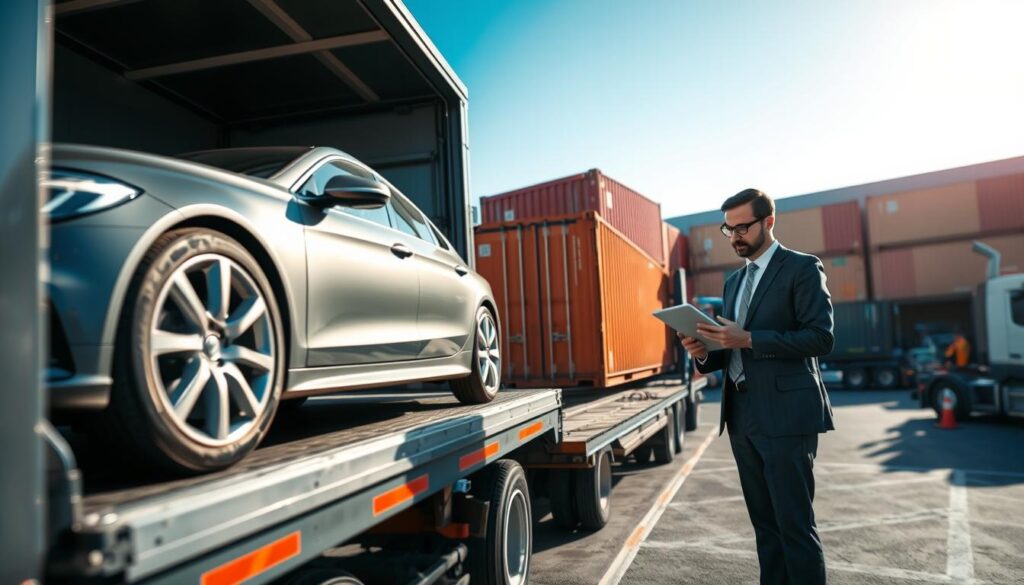
Average rates across the U.S. give practical context for long-haul vehicle transport.
National Averages
As of October 2025, the nationwide average car shipping cost was $1,215 for a median distance of 987 miles.
The median cost per mile sat at $1.23, which helps when estimating budgets for similar runs.
Distance-Based Pricing
Longer distances often lower the price per mile. When you ship car beyond 1,000 miles, carriers commonly reduce per-mile rates.
Route-specific data also matters. For example, New York to Florida fell from $1,315 in February 2025 to $1,215 in October 2025. California to Virginia averaged about $2,225. Michigan to Texas ran near $1,495 in January 2025.
- Seasonal demand—snowbird moves can raise prices on popular routes.
- Longer hauls—typically mean lower per-mile figures.
- Professional carriers provide clearer quotes and reliable delivery timelines.
| Route | Sample Price | Median Distance (mi) |
|---|---|---|
| Nationwide Average | $1,215 | 987 |
| NY → FL | $1,215 | ~1,000 |
| CA → VA | $2,225 | ~2,800 |
| MI → TX | $1,495 | ~1,300 |
For a tailored estimate, request a vehicle shipping estimate. That gives a precise quote based on route, vehicle, and timing.
Key Factors Influencing Your Auto Transport Quote

Your shipment price is driven by a mix of distance, vehicle size, timing and market conditions.
Distance is the top driver of the final shipping cost. Longer hauls usually lower the per mile rate, but total cost rises with miles.
Vehicle size and type affect space on the carrier. Larger cars and SUVs take more room and often increase the car shipping cost.
- Pickup and delivery locations matter: urban routes have more carriers and better rates.
- Rural or hard-to-reach spots can add fees and time to the shipment.
- Timing and seasonal demand influence quotes—peak periods raise prices.
Fuel prices and market conditions are built into carrier rates. Drivers, weather, and local demand also shape final quotes.
For a quick, personalized estimate use the auto shipping calculator. It factors distance, vehicle type, and timing to produce realistic shipping costs.
Comparing Open Versus Enclosed Carrier Options
Choosing between open and enclosed trailers affects both protection and final price. This decision shapes delivery time, pickup flexibility, and the overall shipping cost.
Benefits of Open Trailers
Open trailers are the most common and economical choice for routine moves. Modern open carriers are built for safe loading and secure transport.
RoadRunner Auto Transport supports more than 10,500 certified open carrier experts for flexible pickup and delivery across the country.
- Lower cost per shipment compared with enclosed options.
- Faster availability and wider carrier coverage.
- Designed to minimize risk and protect vehicles during transit.
When to Choose Enclosed
Enclosed transport gives superior protection from weather, road debris, and dirt. It is ideal for luxury or classic vehicles that need extra care.
Expect to pay a premium: enclosed options typically add a few hundred dollars to the price because of specialized equipment and limited availability.
“Enclosed trailers deliver peace of mind when protection matters more than the extra cost.”
For most drivers, open trailers balance price and performance. Owners of high-value cars should consider enclosed transport for added protection and security. Contact our team for a tailored quote and guidance on the best option for your vehicle and budget.
How Vehicle Condition Affects Your Final Price
Car condition affects loading time, equipment needs, and the final transport price.
Running vehicles cost less. A vehicle that starts, steers and rolls loads quickly onto a standard trailer. That reduces labor and lowers the car shipping cost.
Inoperable units need winches, dollies, or forklifts. These tools add time and fees. Carriers may bill extra for added labor and safety checks.
“Ensuring basic brake and steering function avoids extra handling and keeps shipping costs lower.”
RoadRunner Auto Transport accommodates varied conditions but includes surcharges for non-running cars. Transport specialists will ask about condition to provide an accurate quote.
- Inoperable vehicles often carry equipment and labor surcharges.
- Confirming vehicle operability before pickup helps prevent delays and extra costs.
- Accurate condition details produce better quotes and smoother shipments.
| Condition | Typical Impact | Likely Fee |
|---|---|---|
| Running, drivable | Standard loading; fast pickup | No surcharge |
| Partial operable (turns but needs winch) | Extra handling time | $75–$200 |
| Non-running, requires dolly | Specialized gear and crew | $200–$500 |
For an accurate quote call (307) 288-5972 or email info@bestcarshippinginc.com.
Seasonal Trends and Their Impact on Shipping Rates
Seasonal shifts reshape demand and influence transport prices across the country.
Summer Peak Demand
Summer brings the highest demand for car shipping. Families relocate and dealers move inventory.
Result: higher prices on many routes, though strong competition among transport companies can temper spikes.
Winter Weather Challenges
Winter adds weather risk. Snow and ice reduce carrier availability and slow delivery times.
Carriers may charge premiums for hazardous routes or limited access. Customers should expect possible delays.
Off-Peak Savings
Fall and late winter are commonly less busy. February is often the slowest month and yields the lowest shipping cost.
Planning outside peak months can lower overall car shipping costs and improve scheduling flexibility.
- Book early during summer to secure pickup and the best quote.
- Consider open transport for lower prices; choose enclosed transport when protection matters.
- Monitor seasonal trends and compare quotes from multiple carriers.
| Season | Typical Effect | Tip |
|---|---|---|
| Summer | High demand; higher rates | Book early; compare companies |
| Winter | Weather delays; limited carriers | Allow extra time; expect surcharges |
| Off‑peak (Fall/Feb) | Lower prices; more availability | Schedule for savings and flexibility |
For a targeted estimate, consult the car shipping cost guide and request quotes based on your route and timing.
Navigating Pickup and Delivery Logistics
Where carriers can reach your driveway affects both price and delivery timing. Drivers try to provide door‑to‑door service when it is safe and legal.
Residential streets with tight turns, low branches, or narrow lanes may require a nearby meeting point. In those cases, schedulers suggest a public lot or commercial curb for pickup and delivery.
Urban centers usually offer more carrier options and competitive pricing. Rural or remote locations can raise the final shipping cost because of added time and effort.
Clear directions, proper documentation, and timely communication keep the shipment on schedule. Transport specialists coordinate with customers to confirm access, timing, and any local restrictions.
- Door‑to‑door: preferred when legal and safe.
- Meeting point: used for narrow or restricted streets.
- Urban routes: often yield lower prices due to carrier density.
- Rural pickups: may incur extra fees and time.
| Pickup Type | Typical Impact | Customer Tip |
|---|---|---|
| Residential door‑to‑door | Convenient; standard price | Provide clear access notes |
| Nearby meeting point | May reduce access issues | Choose a safe, public lot |
| Rural/remote pickup | Higher cost and longer time | Allow flexibility and confirm route |
For questions or to finalize pickup details, contact (307) 288-5972 or email info@bestcarshippinginc.com.
Essential Steps to Prepare Your Vehicle for Transit
Taking a few minutes before pickup improves inspection accuracy and protects the vehicle during transport. Clear prep reduces surprises and helps carriers keep the schedule.
Cleaning and Documentation
Wash and vacuum the interior and exterior. A clean car makes pre-shipment inspections fast and precise.
Keep the gas tank at about one-quarter. That lowers weight and follows standard safety rules for shipping.
- Remove personal items and loose accessories like antennas or spoilers.
- Take detailed photos from several angles before the driver arrives.
- Check tire pressure, fluid levels, and battery charge for smooth loading.
“Documenting condition with photos provides the best evidence if damage occurs.”
RoadRunner Auto Transport and other companies require personal items to be removed. Clear notes about condition help carriers give an accurate quote and avoid extra fees.
For questions or final pickup details call (307) 288-5972 or email info@bestcarshippinginc.com.
Why Professional Transport Beats Driving Yourself
Hiring a professional carrier removes many hidden costs and stress that come with a long drive. Fuel, lodging, meals, and added miles all add up. Those expenses often exceed the quoted shipping price.
Professional car transport saves valuable time. Customers can focus on moving tasks while carriers handle pickup, routing, and delivery.
Nexus Auto Transport works with vetted carriers to deliver secure, reliable service. Their network reduces risk and speeds scheduling.
- Avoid fuel, hotel, and wear costs tied to a DIY road trip.
- Gain insurance coverage and added protection during shipment.
- Save time and reduce chance of on-road incidents or damage.
- Choose open transport for budget moves or enclosed options for extra protection.
For many customers, the convenience and reliability of professional shipping outweigh the drive‑yourself option. Request a quote or contact customer support at (307) 288-5972 or email info@bestcarshippinginc.com.
“Professional transport turned our long move into a single, worry-free shipment.”
Tips for Securing the Best Shipping Rates
Being flexible with pickup and delivery dates often lowers the final price. Carriers can bundle routes when customers allow wider windows.
Compare quotes from multiple transport companies. Use an instant car shipping calculator to see rates for open transport, enclosed transport, and expedited tiers.
Nexus Auto Transport offers Expedited, Standard Open Carrier, and Premium Enclosed Carrier. Choosing the right tier balances protection and cost.
- Allow time flexibility so carriers optimize routes and reduce per mile charges.
- Avoid extremely low offers; they can indicate poor service or hidden fees.
- Confirm pickup delivery terms and any extra fees for remote access or weather delays.
“Plan ahead and compare multiple quotes; small scheduling shifts can save hundreds.”
For current pricing, call (224) 218-2949 or request a local estimate for Upton via car transport Upton. This ensures customers receive clear, trustworthy pricing and protection for their vehicles.
Conclusion
A clear plan and a vetted carrier make long-distance vehicle moves straightforward and secure.
Understanding key drivers helps budget for car shipping costs and the final car shipping cost. Distance, vehicle size, timing, and seasonality shape estimates. Prioritize carriers with transparent quotes and strong reviews.
Choose open or enclosed transport based on value and risk. For route specifics like Florida–Michigan, check sample data and timelines via this Florida–Michigan route. Customers seeking an accurate estimate may use the instant quote tool or contact the team for help.
For assistance, call (307) 288-5972 or email info@bestcarshippinginc.com. The team stands ready to ensure safe, reliable delivery and excellent service.