
Moving a vehicle across state lines need not be chaotic. This guide offers clear steps for safe, reliable transport with a focus on protection and service quality.
Choose reputable providers. Brokers often give better leverage for updates and claims, says Sherpa Auto Transport expert Jeff Dominas. That makes resolution easier if issues arise.
Plan around seasonality. Peak demand runs April through September and can raise prices and transit time. Prepare your vehicle before pickup by removing personal items and keeping fuel at roughly a quarter tank.
Confirm insurance and carrier credentials before you sign. Ask for a written quote and read customer reviews. For a transparent estimate, consider contacting Sherpa Auto Transport at 877-850-1231 or email info@bestcarshippinginc.com.
Key Takeaways
- Work with vetted companies or brokers for better communication and claims handling.
- Expect higher rates and longer timelines in peak season (April–September).
- Prepare the vehicle: remove items, secure the battery, and keep fuel low.
- Verify insurance coverage and obtain written quotes before hiring.
- Read customer reviews and confirm DOT/FMCSA registration for peace of mind.
Understanding Cross Country Vehicle Shipping

Cross-country vehicle shipping moves your car long distances without adding miles or wear. This auto transport process lets owners relocate vehicles across the country while avoiding a road trip and preserving vehicle value.
Reputable companies handle the entire logistics chain. They pick up the vehicle, secure it on specialized trucks, and arrange delivery at the destination state.
Trucks remain the most common transport method for coast-to-coast moves. Licensed carriers use straps, wheel chocks, and other gear to protect cars during transit.
The process includes scheduling, pickup inspection, transit tracking, and final delivery. Choosing a reliable company reduces delays and provides clear communication through each step.
- Why use shipping: saves time and prevents excessive miles on the car.
- What to expect: pick up, secure transport, and safe delivery.
- Expert tip: compare companies and review licensing for confident service.
For local service locations and carrier information, consider checking vehicle shipping services at our locations.
How to Ship a Car to Another State Without Stress
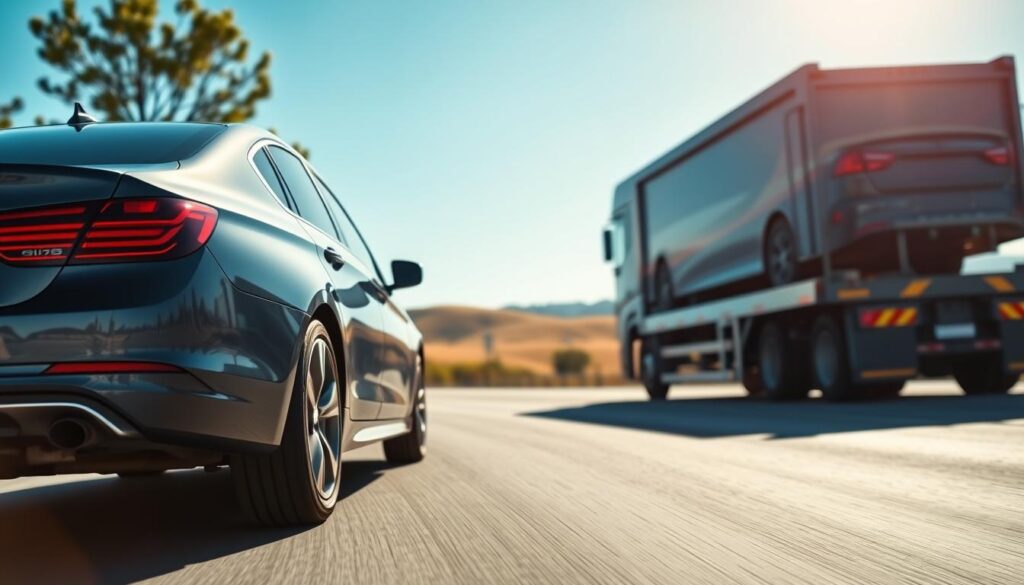
Start planning at least two weeks ahead. That gives time to compare companies, request formal quotes, and reserve a reputable carrier. Early booking reduces last-minute price increases and improves route options.
Planning Your Timeline
Be flexible with pickup and delivery dates. Carriers can optimize routes and offer better pricing when dates are not fixed.
Most professional shippers aim for delivery within a week, but distance, weather, and road conditions can change transit time. Expect occasional minor delays and plan accordingly.
Setting Realistic Expectations
- Request written quotes from several companies to compare price and service.
- Confirm insurance coverage and ask about transit tracking options.
- Understand transport methods so you pick the right option for your vehicle and budget.
“Clear communication and early planning cut surprises and make delivery predictable.”
Tip: For more route-specific guidance and an additional quote, visit the Florida–North Dakota resource available at this guide.
Evaluating Your Transport Method Options
Assess each transport type by weighing exposure risk, transit time, and insurance limits. These factors determine the proper balance between cost and protection for your vehicle.
Open Trailer Transport
Open trailers are the most common choice for standard cars. They offer the lowest cost and steady service, but vehicles are exposed to weather, dust, and road elements.
Enclosed Trailer Protection
Enclosed trailers add a layer of security for luxury, exotic, or classic cars. This option reduces exposure and gives added peace of mind when protection matters most.
Rail and Air Alternatives
Rail can save time and often reduces road exposure, though it is less common and may need extra insurance. Air transport is fastest and safest but carries the highest costs and limited availability.
| Method | Best For | Protection | Typical Cost | Transit Time |
|---|---|---|---|---|
| Open Trailer | Standard cars | Moderate (exposed) | Low | Standard |
| Enclosed Trailer | Luxury, classic | High (covered) | Higher | Standard |
| Rail | Long-distance, secure | Good | Moderate | Often faster |
| Air | Urgent, high-value | Highest | Very high | Fastest |
Quick checklist: match the method to your car, budget, and delivery needs. Ask carriers about insurance and specific shipment protections before booking.
Key Factors That Influence Shipping Costs
Different variables combine to shape the final price for car shipping services.
Distance is the largest driver. Longer trips usually cost more overall, though per-mile rates can fall for long hauls. uShip notes averages from about $0.78 per mile for moves over 1,000 miles to $2.92 per mile for trips under 200 miles.
Vehicle type and method matter. Standard cars on open trailers are the cheapest option. Enclosed transport raises the price. Classic or exotic vehicles may add up to $3,000 for special handling and extra insurance.
The time of year affects price as well. Peak season runs April through September. Higher demand often increases rates and limits carrier availability.
| Factor | Impact on Price | Typical Range |
|---|---|---|
| Distance | Primary driver | $0.78–$2.92 per mile (typical) |
| Transport method | Open vs. enclosed affects cost | Low to high |
| Vehicle type | High-value cars cost more | Standard to +$3,000 premium |
| Seasonality | Peak months raise demand | April–September higher rates |
Seek multiple quotes from reputable companies. Comparing quotes and reviews helps confirm a fair price and service level.
Tip: Book off-peak when possible and ask carriers about insurance limits. For a detailed cross-country planning resource, consider our guide at the ultimate guide to having your car shipped across the.
Preparing Your Vehicle for Transit
A clean, documented vehicle sets the stage for a smooth transit and clearer damage records. Before pickup, wash the exterior and vacuum the interior so dents, scratches, and paint chips are visible. This helps when noting pre-existing condition with the carrier.
Cleaning and Inspection Protocols
Keep fuel at roughly one-quarter of a tank. This reduces weight and meets common safety rules for transport crews.
Remove all personal items from the trunk and cabin. Most companies refuse extra cargo and it may affect insurance coverage.
“A clear, mutual inspection at pickup and delivery protects both owner and carrier.”
| Step | Action | Reason |
|---|---|---|
| Clean | Wash and vacuum | Show true condition |
| Fuel | ~25% tank | Safety and weight |
| Inspect | Complete BOL with driver | Damage documentation |
Final note: Follow these prep steps for reliable auto transport service and peace of mind. For more details, visit our guide on car transportation services.
The Role of Brokers Versus Carriers
Choosing between a broker and a carrier shapes your overall transport experience. Brokers act as intermediaries and use industry contacts to find the best price and schedule for car shipping.
Carriers are the companies that physically move your vehicle. They focus on logistics, driving routes, and safe loading.
Brokers negotiate with multiple carriers. That gives customers access to a wider network across the country and better chances of timely delivery.
Benefits of working with a reputable broker:
- Negotiates price and secures competitive quotes.
- Coordinates scheduling and provides frequent updates.
- Assists with claims and insurance questions if damage occurs.
“Brokers are essential for accurate updates and resolving claims,” — Jeff Dominas, Sherpa Auto Transport.
Select a broker with strong reviews and verifiable credentials. That combination improves customer experience and helps ensure your shipment meets expectations.
For questions about quotes, insurance, or the transport process, contact the team at info@bestcarshippinginc.com or (307) 288-5972.
Navigating International Shipping Requirements
Ocean freight is the practical route for vehicles headed to islands and overseas ports. This method handles most long-distance moves, including Hawaii and Puerto Rico.
Expect fees commonly between $1,000 and $2,000 per vehicle. Additional costs may appear as agent fees, taxes, import duties, and destination holding charges.
Local regulations vary widely. Owners must confirm safety equipment rules and component legality before export. Failure to comply can delay delivery or block registration.
- Plan for customs: prepare paperwork and pay applicable duties.
- Work with specialists: experienced carriers and companies manage agents and local steps.
- Protect the vehicle: choose appropriate crating or enclosed options where available.
Professional guidance reduces risk and shortens transit time. A vetted carrier can coordinate agents and provide clear timelines for shipment and arrival.
“Thorough research and an expert carrier make international vehicle shipping predictable and secure.”
| Item | Typical Cost | Notes |
|---|---|---|
| Ocean freight | $1,000–$2,000 | Primary method for islands and overseas |
| Import duties & taxes | Varies by country | Check local customs rules |
| Agent & destination fees | $100–$600 | Holding, inspection, paperwork |
For support with international vehicle shipping regulations and carrier referrals, contact info@bestcarshippinginc.com or call (307) 288-5972.
Comparing Driving Versus Professional Transport
The decision between driving and hiring pros hinges on time, cost, and preserving vehicle value.
Driving offers flexibility and an adventure. Yet fuel, hotels, and meals add up quickly. For example, a 2,800‑mile trip in a fuel‑efficient car can cost about $500 in fuel alone.
Professional auto transport removes thousands of miles from your odometer. That reduces wear and lowers long‑term maintenance and depreciation risks.
Consider lost wages and fatigue. Hiring a company saves personal time and stress. It also limits liability for long road trips and the added costs of towing.
“Professional transport often proves the more cost-effective option once you include all travel and vehicle expenses.”
- Drive: Lower control, higher incidental travel costs and wear.
- Transport: Predictable price, no added miles, faster focus on relocation tasks.
- Towing: Requires a capable tow vehicle and increases maintenance on both rigs.
| Option | Best For | Primary Trade-off |
|---|---|---|
| Drive yourself | Short moves or those seeking adventure | Time, fuel, lodging costs |
| Professional transport | Long-distance moves, high-value vehicles | Transport fee but no added miles |
| Tow with trailer | When immediate control of vehicle is required | Extra wear and towing equipment costs |
For a tailored quote and regional comparisons, check the detailed route guide at New Hampshire to Texas transport guide. This helps decide which option best fits budget and schedule.
Researching Reputable Auto Transport Companies
Start by verifying credentials and recent customer reviews before you request formal quotes.
Check ratings and credentials. Look for BBB accreditation and a clear DOT number. SGT Auto Transport, for example, holds a BBB accreditation with a B rating.
Compare service options and discounts. AmeriFreight offers discounts for military, seniors, and students. Montway Auto Transport is noted for a simple quote process. Sherpa provides door-to-door delivery and reliable drivers. Easy Auto Ship covers motorcycles and some international routes.
“Clear communication and transparent pricing are the best protections for vehicle owners.”
- Request at least three written quotes that list price and insurance limits.
- Read recent customer reviews for delivery times and damage handling.
- Match the company’s services to your vehicle type and shipment needs.
| Company | Standout Feature | Best For |
|---|---|---|
| SGT Auto Transport | BBB accreditation (B) | Reliable, vetted shipping |
| AmeriFreight | Discounts for special groups | Budget-minded customers |
| Montway Auto Transport | Easy quote process | Fast price comparisons |
| Sherpa Auto Transport | Door-to-door delivery | High service expectations |
Final step: Choose the company with clear terms, recent positive reviews, and a quoted price that fits your schedule and costs. For assistance, contact info@bestcarshippinginc.com or call (307) 288-5972.
Essential Tips for a Smooth Delivery Experience
Clear communication is the backbone of a smooth delivery experience. Keep open lines with your carrier for regular location and status updates. This reduces surprises and saves time for both parties.
Be present at pickup and delivery, or name a trusted representative. Inspect the car and sign paperwork only after you confirm condition. That protects both owner and company.
Document everything. Keep copies of the shipping contract and all correspondence. Photos before and after transit provide proof if damage appears.
- Note any damage on the Bill of Lading and take photos before the driver leaves.
- Keep records handy for claims or follow-up with customer service.
- Ask the carrier for expected arrival windows and daily updates when possible.
Professional auto transport companies value cooperation. Clear records and timely inspections make the shipping experience faster and fairer for the customer.
“A documented handoff and steady communication reduce disputes and deliver peace of mind.”
For questions or assistance, contact the company at info@bestcarshippinginc.com or call (307) 288-5972. Staying informed ensures a reliable vehicle delivery with minimal hassle.
Conclusion
A clear plan and reliable partner make long-distance vehicle moves predictable and manageable.
Plan early, compare reputable providers, and match the transport method to budget and protection needs. Proper preparation and open communication with the carrier reduce delays and protect your vehicle.
Take time to document condition, limit fuel, and confirm insurance before pickup. These steps shorten claims processing and improve the delivery experience.
For route-specific tips and real-world timelines, see our CT–CA transport guide. Questions? Contact info@bestcarshippinginc.com or (307) 288-5972 for assistance.