
Understanding how vehicle size affects car shipping price helps owners plan a move with confidence. This brief introduction explains why dimensions and weight matter when arranging auto transport across the United States. Clear information cuts surprises and saves money.
Larger models take more trailer space and can require special equipment or a dedicated carrier. That increases transit time and carrier fees, and it can change pickup and delivery logistics.
Smaller sedans usually fit standard open haulers, which keeps rates lower. Low-clearance or oversized units may need enclosed carriers or lift gates, and that raises shipping costs.
Best Car Shipping Inc. offers transparent quotes and expert guidance so people can compare options and manage their budget. For tailored estimates, request an auto shipping quote or call (307) 288-5972.
Key Takeaways
- Vehicle dimensions and weight influence carrier choice and rates.
- Larger units often cost more due to space and handling needs.
- Smaller cars usually qualify for standard, lower-cost transport.
- Special-clearance or enclosed moves add time and fees.
- Get a clear, itemized quote to compare options and save money.
Understanding How Vehicle Size Affects Car Shipping Price
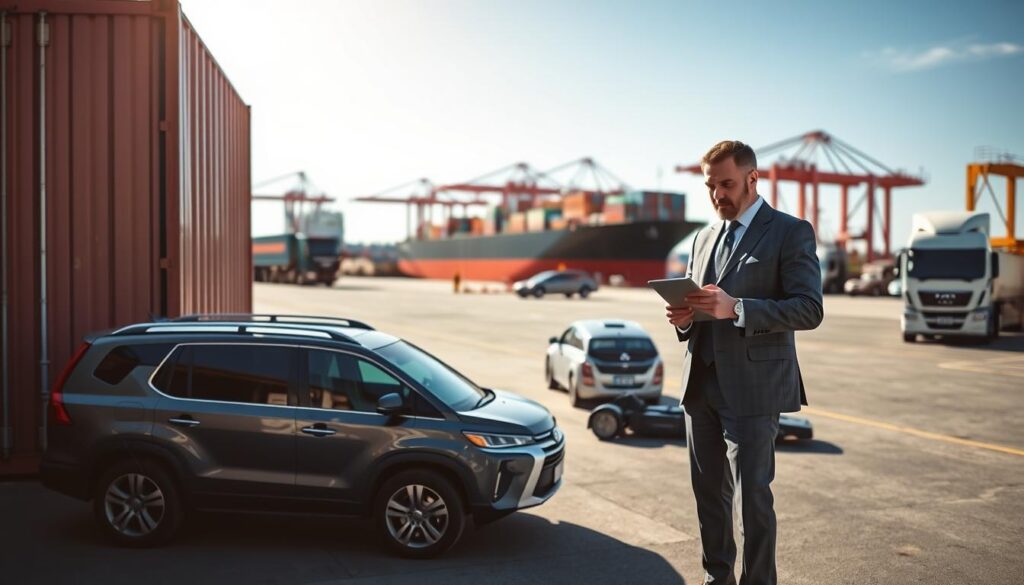
Weight and exterior dimensions directly change how many vehicles a trailer can carry, which alters per-mile rates.
Weight and space constraints force carriers to consider legal load limits and usable deck area. Heavy or wide models reduce available spots on a trailer. That drives up the car shipping cost and the shipping cost per mile compared with standard sedans.
Weight and Space Constraints
Across the continental U.S., the average cost to ship a car is about $1,128. Larger pickups can add roughly 38% to that figure. Carriers fit fewer heavy units on a load, so the cost per mile increases.
Impact on Carrier Capacity
Choosing open transport often lowers rates for typical cars between major locations. When customers provide exact dimensions, logistics coordinators plan routes and loads more efficiently. That transparency helps reduce unexpected charges at pickup or delivery.
“Providing exact vehicle details leads to the most accurate quote and a smoother shipment.”
Request a tailored quote by contacting Best Car Shipping Inc. at (307) 288-5972 or info@bestcarshippinginc.com for a clear estimate based on your vehicle’s specs.
The Role of Distance and Route Efficiency

Long-distance moves demand careful route planning because corridor choices shape total transport costs.
Shipping a vehicle beyond 500 miles involves complex logistics. Route efficiency affects both the per mile rate and the overall car shipping costs. Carriers favor busy interstate corridors. That lets them keep trailers full and offer better rates.
If pickup or delivery locations sit in remote areas, carriers must detour. Those detours add time and cost. Best Car Shipping Inc. coordinates pickup delivery windows to keep routes tight and timelines predictable.
We monitor market demand and assign a carrier that fits your schedule. Our quotes reflect actual distance, lane demand, and any route complexity so the final shipping cost has no hidden fees.
“Selecting efficient corridors lowers per-mile rates and reduces unexpected charges at delivery.”
- Long runs: often lower per-mile rates but higher total costs.
- Busy routes: yield more competitive prices.
- Remote areas: may increase rates due to detours and time.
For an exact estimate, use our vehicle shipping calculator. A clear quote helps people choose the best timing and service option for their shipment.
Comparing Open and Enclosed Transport Options
Choosing between open and enclosed transport starts with matching protection needs to the shipment budget. This decision shapes the service level and the overall cost for moving a vehicle across the country.
Benefits of Enclosed Protection
Enclosed transport is the premium choice for high-value cars and classic models. It shields the vehicle from weather, road debris, and prying eyes during long trips.
Expect enclosed costs to run about 40% to 60% more than open transport. The per mile rates rise because trailers hold fewer vehicles and require careful handling by a professional carrier.
Open transport remains the industry standard for most daily drivers. It offers reliable, lower-cost shipping since carriers can move multiple vehicles together and optimize routes.
- When to pick enclosed: exotic, classic, or luxury cars needing extra protection.
- When open works: everyday cars where affordability and wide availability matter.
“Choosing the right method ensures the vehicle arrives as it was at pickup.”
Best Car Shipping Inc. provides clear comparisons and personalized quotes to help people decide which service fits their needs. Call (307) 288-5972 or email info@bestcarshippinginc.com for a tailored quote and guidance.
Impact of Vehicle Condition on Final Quotes
Condition at pickup often changes the equipment and crew a carrier assigns for a move. Inoperable units need extra tools like winches or forklifts and more time on site.
Shipping an inoperable vehicle typically adds $150 to $300 to the total. This increase reflects extra labor, safety steps, and the special gear required for a safe load and delivery.
Disclose any modifications such as lift kits or oversized tires. These details affect how a vehicle fits on a trailer and the final quote. Even a 500 miles run will change if the unit does not roll.
- Documented condition: Best Car Shipping Inc. records the state of the vehicle at pickup.
- Transparent quotes: Estimates account for operational status to prevent surprise fees.
- Preparation: Honest disclosure helps carriers bring the right equipment and keep the move efficient.
“Accurate condition reports lead to clear quotes and a smoother delivery.”
For a tailored quote that reflects condition and other factors, call (307) 288-5972 or email info@bestcarshippinginc.com. Best Car Shipping Inc. handles both running daily drivers and non-running project cars with professional care.
Navigating Seasonal Demand and Market Fluctuations
Seasonal peaks and market swings can change transport availability and final costs in surprising ways.
Peak shipping seasons like summer moves and snowbird transfers push demand higher. That reduces carrier availability and raises car shipping costs. Customers should book early to secure a spot and avoid last-minute rate spikes.
Peak Shipping Seasons
Booking weeks in advance often yields better rates and more flexible pickup and delivery windows. Best Car Shipping Inc. monitors lane demand to offer realistic quotes and timing.
Fuel Price Volatility
Fuel swings directly affect per mile charges. A $1 per gallon rise in diesel can add about $100 to a cross-country transport. This element shows up in final quotes and overall shipping cost.
| Factor | Typical Impact | What Best Car Shipping Inc. Does |
|---|---|---|
| Seasonal demand | Higher rates; limited carriers | Advises early booking and alternate timing |
| Fuel volatility | Increases cross-country cost (~$100 per $1/gal) | Adjusts quotes and explains fuel surcharges |
| Off-peak timing | More carriers; lower prices | Recommends flexible pickup for savings |
“We track market trends so clients get transparent quotes that reflect current conditions.”
For clear, up-to-date car shipping prices and a tailored quote, contact Best Car Shipping Inc. at (307) 288-5972 or info@bestcarshippinginc.com.
The Influence of Pickup and Delivery Locations
Where a shipment starts and ends can change the quote more than distance alone.
Pickup delivery points shape route planning and final car shipping costs. Rural pickup or delivery often forces carriers to detour. That detour can add $200 or more compared with a city-to-city move of the same miles.
Shipping from major hubs like Los Angeles or Dallas lowers per-mile rates. High carrier traffic in these areas keeps routes full and prices competitive. Customers in remote spots can often save money by meeting an open carrier at a nearby highway or town.
Best Car Shipping Inc. helps identify cost-effective pickup and delivery options. The team works with a network of professional carriers who understand location-based costs. That expertise keeps quotes realistic and service reliable.
“Choosing a more accessible pickup or delivery location improves route efficiency and reduces your total cost.”
- Tip: Ask for alternate pickup points to lower your quoted price.
- Tip: Meeting a carrier on a major route often reduces fees and transit time.
Call (307) 288-5972 or email info@bestcarshippinginc.com for tailored quotes and location guidance.
Expedited Services and Timing Considerations
When time is tight, expedited transport delivers a faster pickup and delivery window for urgent moves.
Expedited service is a premium option. It typically costs about 30% to 50% more than standard runs. That extra fee pays for prioritized pickup, rerouting, and faster handling by the assigned carrier.
Even a 500 miles trip can see a meaningful change in the final shipping cost and logistics. Expedited lanes reduce transit time but raise the per mile rate and overall cost.
Life events such as job relocations or emergency moves often justify the convenience of guaranteed timing. Best Car Shipping Inc. coordinates with carriers to balance speed and careful handling.
“Prioritized routing and clear timing reduce stress for customers on tight schedules.”
For transparent estimates and to weigh options, use the auto shipping calculator or contact the team for tailored quotes. Call (307) 288-5972 or email info@bestcarshippinginc.com to discuss timing needs and the best service for your situation.
Essential Preparation for Accurate Cost Estimates
Clear preparation upfront reduces surprises and helps carriers give precise estimates. Proper details let teams build an accurate quote that matches actual needs. Move.org analyzed 800 quotes and found that specific disclosures significantly change final costs.
Disclosing Vehicle Modifications
Always list custom bodywork, lowered suspensions, oversized tires, or other mods. Carriers need this to plan loading and to avoid delays. Honest details prevent last‑minute adjustments to the quoted cost.
Verifying Insurance Coverage
Review the carrier’s policy before pickup. Confirm limits, deductibles, and what protection the carrier provides. If the policy falls short, consider supplemental coverage to protect high‑value vehicles during transport.
Documenting Vehicle Condition
Take clear photos of the exterior and interior before the carrier arrives. Note scratches, dents, and mechanical issues in writing. This record supports claims and keeps both parties aligned on the vehicle condition.
Provide exact pickup delivery ZIP codes and your preferred transport method—open transport or enclosed transport—when you request quotes. That helps Best Car Shipping Inc. produce a precise estimate and avoid rural surcharges or unexpected route fees.
“Preparation is the key to a smooth move and truthful pricing.”
For a realistic estimate and friendly guidance, request an answer to how much is car shipping or call (307) 288-5972. The team will review condition, protection needs, and route details to deliver a reliable quote.
Conclusion
Clear planning around transport details delivers better quotes and fewer surprises at delivery.
Understanding carrier choice, type of transport, and the unit’s condition helps you control final costs. This lets customers compare service levels and save money without sacrificing protection.
Whether you select open transport or the added care of enclosed transport, Best Car Shipping Inc. pairs experienced carriers with honest quotes. Expect transparent estimates that reflect miles, route complexity, and any extra handling needs.
For a personalized estimate on your move and to learn the exact cost to ship a car, call (307) 288-5972 or email info@bestcarshippinginc.com. Thank you for trusting Best Car Shipping Inc. with your shipment.