
The bill lading is the core document for any vehicle transport across the United States.
The form acts as a receipt, a contract and proof of title for your vehicle during transit. It lists key details such as carrier name, shipper instructions, cargo weight and delivery destination.
At pickup, the document records vehicle condition and any existing scratches or damage. That condition report becomes vital evidence if a claim arises after delivery.
Understanding this paperwork helps owners avoid disputes and speeds the process. For trusted assistance and full documentation support, see our service page at Best Car Shipping Inc. service overview.
Key Takeaways
- The bill lading serves as receipt, contract and title for vehicle shipments.
- It documents vehicle condition at pickup and verifies delivery status.
- Clear terms and carrier details reduce risk of claims and damage disputes.
- Keep a copy of the form and photos to prove condition at handover.
- Professional handling of paperwork ensures smoother auto transport and peace of mind.
Understanding the Bill of Lading in Car Shipping Explained
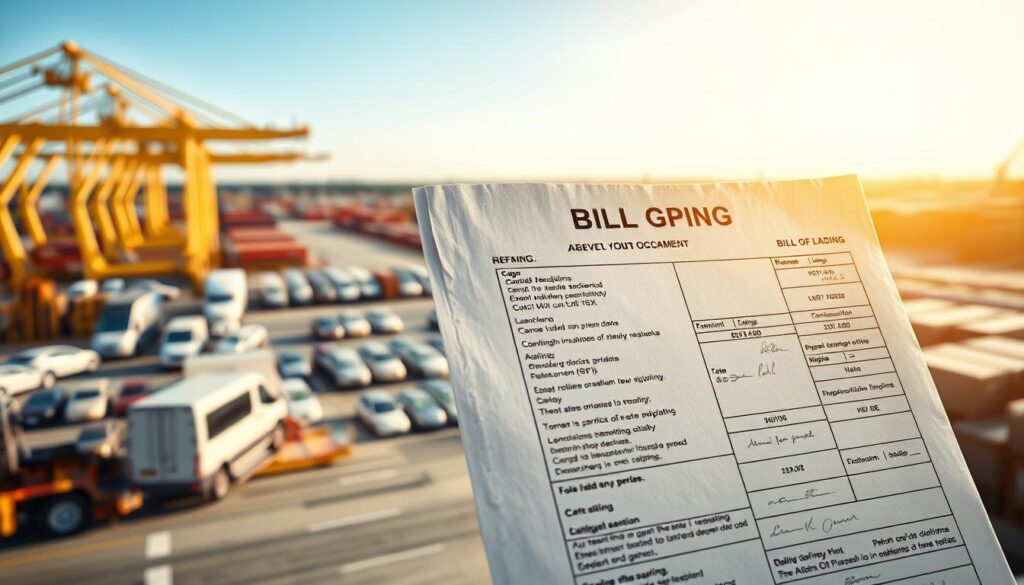
This document records every step of a vehicle’s transfer and assigns clear duties to the carrier and driver.
The transport record is required across many industries, not just auto moves. It gives drivers and carriers the data they need to process a shipment correctly.
As a legally binding agreement, the form protects both the shipper and the transport company. It confirms possession, lists conditions at pickup, and sets delivery instructions.
- The bill lading serves as the primary record for movement across the United States.
- It defines carrier responsibilities and keeps the process organized and professional.
- Owners should keep copies and photos to support any future claim.
For clear pricing and to compare options, review our transport pricing. Best Car Shipping Inc. explains every form so customers feel confident from pickup to delivery.
Core Functions of the Shipping Document
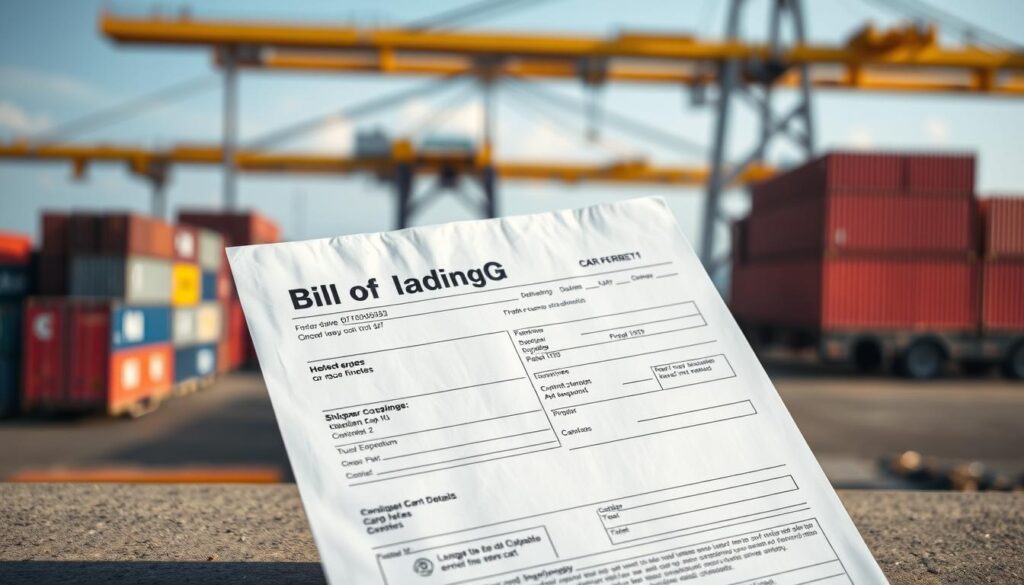
The shipping record sets the legal framework that governs responsibility and claims during transit. It performs three distinct roles that protect all parties and keep transport predictable.
Evidence of Contract
The form records agreed terms between carrier and shipper. It lists services, fees, and special instructions before loading.
Receipt of Goods
The carrier issues this receipt when it accepts the freight. It notes the vehicle condition at pick-up and confirms possession.
Document of Title
As a title document, it allows legal transfer of cargo to the designated party at delivery. That clause is crucial for ownership clarity.
“Accurate documentation prevents disputes and speeds claims resolution.”
| Function | What It Shows | Why It Matters |
|---|---|---|
| Contract Evidence | Terms, carrier name, service details | Defines responsibility and limits disputes |
| Receipt | Acceptance date and vehicle condition | Proof of possession for claims |
| Title | Transfer rights to recipient | Legal basis for delivery and ownership |
Best Car Shipping Inc. completes each form with care to limit damage claims and protect owners. For local support, see our Jackson transport services.
Essential Information Included in the BOL
A complete BOL lists every identifying detail and special instruction that guides a vehicle through transit.
The document names the shipper and consignee with full addresses. It also records pick-up and delivery dates to set a clear timeline for the shipment.
The form lists vehicle make, model, color, weight, and NMFC code. The NMFC code helps carriers set freight class and shipping rates.
- Special handling instructions to limit damage during transport.
- Accurate weight and volume to meet DOT rules and safe loading.
- Verification steps performed by our team to reduce errors and claims.
| Field | Why It Matters | Who Confirms |
|---|---|---|
| Shipper & Consignee | Ensures correct destination and legal delivery | Carrier and dispatcher |
| Vehicle Details | Identifies cargo and supports condition checks | Driver at pickup |
| NMFC Code & Weight | Determines freight class and compliant loading | Operations team |
Best Car Shipping Inc. verifies every line to avoid delays and reduce damage claims. For full service terms, review our terms and conditions.
How the Auto Transport Inspection Process Works
A clear inspection routine protects owners and carriers by documenting vehicle condition before transit begins.
The Role of the Vehicle Condition Report
The driver and the customer perform a joint walk-around at pick-up. They note every mark and dent on the condition report using letter codes, such as ‘S’ for scratches and ‘D’ for dents.
This report becomes evidence if damage appears at delivery that was not on the original record. The form also acts as the receipt and confirms the shipment details for both parties.
Signing at Pick-up and Delivery
Both carrier and shipper sign the bill lading at pick-up to validate the initial inspection. Signatures must be from someone at least 18 years old.
- The owner and driver sign the document at handover (for example, a custom Cadillac moved from Los Angeles to Montana).
- At delivery, a second walk-around compares current condition to the original copy.
- Any new damage forms the basis for insurance claims and follow-up paperwork.
“Accurate inspections and signed records minimize disputes and speed claims resolution.”
After every move, the carrier provides a copy of the signed bill lading and condition report to the customer. For reliable auto transport support and local options, consider our auto transport services in Scottsville, Kentucky.
Distinguishing Between Freight Bills and Delivery Orders
Understanding paperwork reduces confusion at pick-up and at delivery.
A freight bill is primarily an accounting record. It lists charges, payer details and payment terms. It does not usually create a carriage contract.
The bill lading is the legal contract. It assigns responsibility to the carrier and documents condition and receipt of the vehicle.
- Freight bill: financial summary for invoices and accounting teams.
- Delivery order: authorizes release of cargo to a named party at the destination.
- Contract document: the bill lading serves as primary proof of carriage and carrier obligations.
Knowing which form to present prevents delays and limits claims for damage. Owners should keep copies of all documentation and photos of vehicle condition before transport.
“Clear paperwork keeps delivery smooth and claims manageable.”
For help identifying the correct forms for your auto transport, visit our local service page at Jeanerette, Louisiana auto transport.
Navigating Different Types of Bills of Lading
Some documents let ownership move with the paper; others fix delivery to one named recipient.
Understanding the options helps owners and logistics teams choose the right path for a vehicle shipment.
Negotiable Versus Non-Negotiable Documents
Negotiable documents allow title and rights to transfer to another party. That feature is common in international trade and certain cargo sales.
Non-negotiable forms are consigned to a single named recipient. A Straight bill lading is a frequent non-negotiable option for ground transport. It ensures the vehicle is released only to the consignee on the paperwork.
- Navigating types is important: some are transferable, others are not.
- A negotiable form permits transfer of title; useful in broader logistics deals.
- Non-negotiable forms protect delivery by naming the exact party.
Best Car Shipping Inc. specializes in domestic auto transport documentation. The team confirms which document fits your shipment to reduce damage risk and speed delivery.
Additional Documentation Required for Vehicle Transport
Certain routes and ownership situations need extra paperwork before a carrier can accept a vehicle for transport.
When shipping from Hawaii to the mainland, a safety inspection certificate is required alongside the standard bill lading.
If a vehicle has an active loan, formal lienholder authorization is mandatory before the carrier begins the transport process.
- Title and registration must be available; the team helps gather these documents.
- The vehicle condition report must be completed accurately to support any damage claim.
- Keep a signed copy of every form to document condition and delivery instructions.
Best Car Shipping Inc. advises customers on route-specific requirements and verifies paperwork to prevent delays.
“Maintaining complete documentation makes delivery smoother and speeds any claim resolution.”
For tailored guidance and local options, review our Charlotte, Michigan transport services.
Conclusion
Final check matters: confirm every detail so the vehicle, the documentation, and the expectations align. Verify that all written information is accurate. Review the condition report at pick-up and again at delivery to record the true state of the car.
Sign and keep a copy of the transport report. Note any new damage at handover and photograph it. Clear, prompt notes speed any damage review and make claims simpler to file.
For help with paperwork or questions about your vehicle transit, call (307) 288-5972 or email info@bestcarshippinginc.com. Best Car Shipping Inc. stands ready to provide reliable, transparent service and to ensure your vehicle arrives safely and in the expected condition.