
Planning a vehicle move across the United States requires realistic expectations. Weather can change routes, slow trucks, and shift pickup or delivery windows. Reliable auto transport firms prioritize safety over strict timetables.
Best Car Shipping Inc. tracks conditions and adjusts carrier assignments to protect each vehicle. Customers get clear updates so they understand possible delays and revised transit time. This reduces stress and keeps the shipment secure.
The team balances route choice, carrier availability, and seasonal risks to maintain service quality. For questions, call (307) 288-5972 or email info@bestcarshippinginc.com for direct communication about your transport.
Key Takeaways
- Weather impacts route choice and can add transit time.
- Professional carriers adjust schedules to protect vehicles.
- Clear communication reduces uncertainty for pickup and delivery.
- Plan with flexibility to avoid surprise delays.
- Contact Best Car Shipping Inc. for transparent updates and support.
Understanding How Weather Affects Car Shipping Timelines
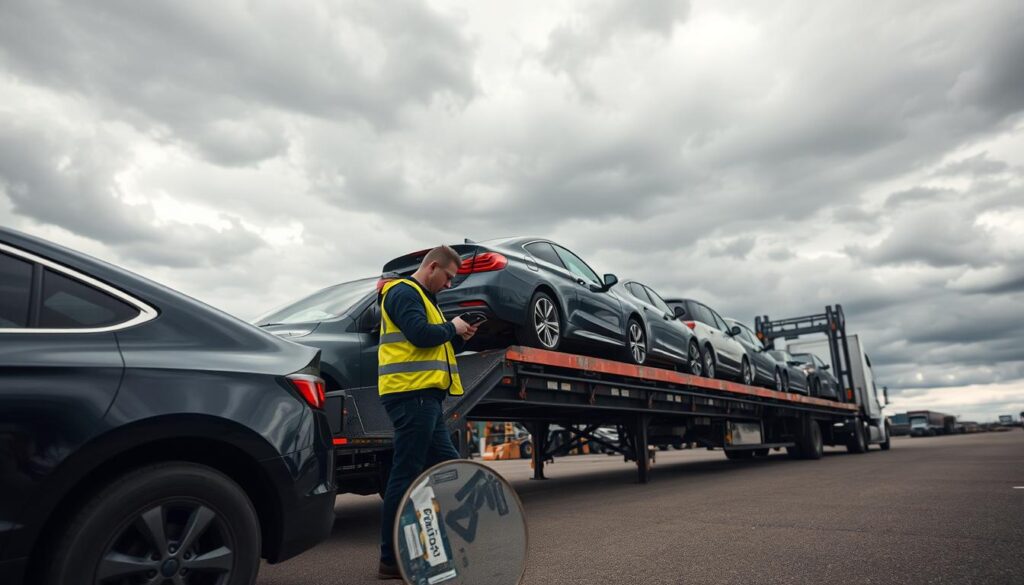
National weather patterns reshape carrier routing and timing for most vehicle transports. Carriers always choose safety over strict schedules. This often means revised pickup or delivery windows when roads become unsafe.
Professional auto transport teams monitor conditions in real time. They reroute trucks, delay departures, or pause transit to protect vehicles. These actions can add miles and transit time, but they lower the risk to each shipment.
Clear communication keeps customers informed. Best Car Shipping Inc. issues estimates that factor seasonal risk and provides updates when carriers alter routes.
- Road closures and detours increase transit distance and time.
- Carriers prioritize vehicle protection and driver safety.
- Quotes include seasonal timing expectations and flexibility notes.
| Situation | Carrier Action | Typical Impact | Customer Tip |
|---|---|---|---|
| Blizzard or heavy snow | Delay pickup; choose alternate route | 1–3 day delay; longer miles | Allow flexible delivery window |
| Severe storms/flooding | Reroute or hold at secure yard | Variable delays; possible depot wait | Confirm contact info and tracking |
| High winds or heat | Adjust speed; choose enclosed if needed | Minor timing shifts; safety checks | Discuss protection options when booking |
For specific questions or to review an estimate, request auto shipping quotes or call (307) 288-5972. Email is info@bestcarshippinginc.com for written details.
The Role of Distance and Route Popularity

The miles between pickup and delivery drive scheduling and carrier selection. Interstate moves usually finish in two to nine days. This range depends on distance, routing, and demand along the path.
Carriers average 400 to 500 miles per day on standard routes. That benchmark helps estimate transit time and set realistic pickup and delivery windows.
Distance as a Primary Factor
Greater distance raises the chance of delays from varying conditions and adds to total transit time. Logistics teams factor mileage into pricing and scheduling to protect every vehicle during transport.
Popularity of Major Corridors
Routes across hubs like New York and Los Angeles see high carrier availability, which speeds booking and reduces wait time.
- Optimized routing balances shortest path with safe, reliable roads.
- High-demand corridors improve pickup and delivery predictability.
- For cross-country moves, request a tailored estimate to understand pricing and schedule impacts: car shipping options.
Contact (307) 288-5972 or info@bestcarshippinginc.com for a detailed breakdown of how distance and route popularity affect your vehicle’s estimated arrival.
How Carriers Plan Routes Around Storm Systems
Dispatch teams use live DOT alerts and storm models to protect scheduled car shipping runs. Carriers monitor road conditions and forecast data to choose safe routes. This reduces risk for vehicles and drivers.
When a storm threatens a planned route, dispatchers reroute trucks quickly. That step can add miles and extend a delivery window by a day or two. The team never sends a carrier through unsafe roads.
Advanced logistics systems flag likely delays before they occur. This helps auto transport teams adjust pickup times and update customers. Clear communication keeps people informed during transit.
- Carriers prioritize driver safety and vehicle protection over speed.
- Proactive alerts improve scheduling and carrier availability decisions.
- Customers receive timely updates if a carrier needs to change a route.
Trust the process: experienced dispatchers and trained carriers manage storms so your vehicle arrives securely. For questions, call (307) 288-5972 or email info@bestcarshippinginc.com.
Winter Weather Challenges for Auto Transport
Winter months — November through March — bring the biggest risks for vehicle moves. Snow, black ice, and low temperatures change route safety and carrier decisions. Dispatch teams add margin to delivery windows to protect people and vehicles.
Snow and Black Ice Hazards
Snow and black ice force carriers to reduce speed on major highways, especially in the Midwest and Northeast. Reduced speed increases transit time and can add miles as drivers choose safer routes.
Reduced Visibility Concerns
Whiteouts and heavy snowfall lower visibility and raise accident risk. Professional drivers often pause transit until conditions improve. Plans should include 2 to 4 extra days for delivery in winter months.
Regional Winter Hotspots
Mountain passes in Colorado and Utah are monitored closely. The company works with experienced carriers who route vehicles around the worst conditions to maintain safety and timely communication with customers.
Book early to secure carrier availability and protective options. For route-specific guidance or to arrange winter transport, call (307) 288-5972 or email info@bestcarshippinginc.com.
Impact of Heavy Rain and Flooding on Delivery
Flooded streets force carriers to make quick decisions about pickup locations and delivery windows. Flooded roads are treated as automatic no-go zones for commercial trucks. This rule protects vehicles, drivers, and other people on the road.
When a pickup or delivery site is affected, dispatch coordinates a safe nearby meeting point. Carriers then adjust the route and timing to keep the shipment secure. These detours can add miles and extend transit time.
Carriers navigate wet roads with extreme caution. Slower speeds and paused travel reduce risk but may cause delays. Customers should allow flexibility in their pickup window during the rainy season.
- Dispatch uses real-time flood maps to avoid compromised access.
- Constant communication keeps drivers and customers informed of changes.
- Professional planning minimizes impact on delivery and pricing.
Contact info@bestcarshippinginc.com or call (307) 288-5972 for concerns about local conditions or to confirm pickup arrangements.
Managing High Wind Risks During Transit
Strong gusts can turn an ordinary open-trailer run into a high-risk transit scenario for vehicle loads.
Open carriers expose more surface area to wind. Drivers reduce speed or pull over when advisories appear. This protects vehicles and people on the road.
Dispatch monitors wind advisories across regions such as the Midwest and Southwest and issues updated pickup and delivery windows when progress is paused.
- Professional drivers follow protocols to avoid rollovers.
- Customers receive timely updates and revised arrival estimates.
- Safety takes priority over rapid transit to prevent damage and liability.
| Condition | Carrier Action | Typical Impact |
|---|---|---|
| High gusts on open routes | Reduce speed or stop; secure load | Hours to 1–2 day delay |
| Persistent crosswinds | Reroute to protected corridors | Additional miles; adjusted delivery |
| Severe wind advisory | Hold at secure facility | Depot wait; updated ETA |
For expert guidance when you ship car units, consult experienced auto transport teams and review trusted automobile shipping companies at automobile shipping companies. Call (307) 288-5972 or email info@bestcarshippinginc.com for specific concerns.
Extreme Heat and Equipment Reliability
Summer heat places extra stress on transport equipment and raises the risk of roadside breakdowns.
Tire blowouts and overheated engines are more common in high temperatures. Both the truck and trailer tires face added wear. Drivers may stop for inspections to prevent larger issues.
Hydraulic systems used for loading can falter in desert routes. Carriers schedule extra checks when routes cross hot regions to avoid sudden stops during pickup or delivery.
Best practices include regular maintenance, shaded staging when possible, and contingency crews on standby. These steps reduce delays and protect each vehicle during transit.
| Risk | Carrier Action | Typical Impact |
|---|---|---|
| Tire failure | Pre-trip tire inspection; spare ready | Short repair stop; minimal delay |
| Engine overheating | Cooling checks; limit idle time | Maintenance stop; updated ETA |
| Hydraulic issues | Extra system checks before loading | Delayed pickup; alternate loading |
Customers receive realistic updates if extreme temperatures change delivery windows. For detailed pricing or to review options, see car shipping prices or contact info@bestcarshippinginc.com or (307) 288-5972.
Seasonal Demand and Its Effect on Scheduling
Peak transport months bring higher demand and tighter carrier schedules across many U.S. corridors.
The peak season runs from May through September. Families relocating and students moving create a surge in requests for car shipping and auto transport services.
High demand can reduce carrier availability. Customers should book early to secure pickup windows and avoid last-minute price spikes.
Summer bookings often yield faster pickups but higher market prices. The company tracks these cycles and offers dynamic pricing guidance to help customers plan.
“Plan ahead for peak months to lock in availability and lower the chance of service gaps.”
- Book well in advance for moves during May–September.
- Expect quicker pickup but stronger pricing during the surge.
- For holiday moves, reserve space early to prevent gaps in service.
Need help scheduling? Contact the team at (307) 288-5972 or email info@bestcarshippinginc.com. To begin, use the secure booking form to send my car and get tailored timing and pricing advice.
Why Professional Carriers Prioritize Safety Regulations
Regulatory limits on driving hours determine realistic delivery windows.
FMCSA Hours of Service caps drivers at 11 hours of driving per day. This rule reduces fatigue and protects people on the road.
When customers arrange car shipping or auto transport, mandatory rest breaks are built into the route plan. Those pauses can extend the estimated delivery time.
Professional carriers follow these rules without exception. That compliance keeps vehicles safe and lowers accident risk.
- Drivers stop for federally required rest, which can change pickup and delivery windows.
- In severe weather, drivers must legally pause transit until conditions improve.
- Dispatch teams set realistic timeframes so customers know what to expect.
Choosing a carrier that values safety protects your vehicle and supports industry standards. For questions about how regulations affect your ship car schedule, contact info@bestcarshippinginc.com or call (307) 288-5972.
The Difference Between Open and Enclosed Transport
Choosing between open and enclosed transport changes protection, cost, and booking lead time for your vehicle.
Open carriers are the practical choice for most moves. They typically carry eight to ten vehicles and offer broad availability for standard shipments.
Enclosed transport is a specialty service. Enclosed trailers protect vehicles from road debris and weather. These units make up about ten percent of the national fleet.
Benefits of Enclosed Protection
Enclosed options shield high-value and classic vehicles during long transit. They reduce exposure to elements and lower risk of cosmetic damage.
Availability of Open Carriers
Open carriers are easier to book and more economical. They suit everyday models and tight schedules when carrier availability matters most.
| Feature | Open Transport | Enclosed Transport |
|---|---|---|
| Capacity | 8–10 vehicles | 2–6 vehicles |
| Protection | Standard; exposed to road | Full cover; weather and debris shield |
| Price | More economical | Higher price; premium service |
| Booking Lead Time | High availability; faster booking | Limited fleet; book earlier |
Decide based on vehicle value, budget, and desired delivery window. The team will match your needs to the right carrier and route.
Questions? Call (307) 288-5972 or email info@bestcarshippinginc.com to discuss the best transport option for your upcoming shipment.
How Urban and Rural Locations Influence Timing
Delivery timing often depends on whether the address sits near an interstate hub or down a single-lane road.
Urban locations generally offer faster pickup and delivery. Proximity to major routes and high carrier availability shortens booking and transit time.
Rural moves often add planning and miles. A carrier may detour to reach remote farms or small towns, adding 1 to 3 days to the initial pickup window.
Dispatch consolidates nearby jobs whenever possible. This approach improves efficiency and reduces per-vehicle price impact for remote routes.
- If a delivery address is hard to access, the team may set a nearby meeting point to keep handover safe and timely.
- Transparent communication explains how pickup location and road access influence total transit and possible delays.
- Choosing a professional auto transport service gives access to logistical expertise and better route planning.
For a customized estimate that accounts for pickup and delivery locations, email info@bestcarshippinginc.com or call (307) 288-5972. Clear guidance helps set realistic expectations and secure carrier availability.
Real Time Tracking and Modern Logistics Technology
Live tracking and predictive tools let dispatch teams act before delays impact delivery.
Navi Track 360™ provides continuous visibility into each car’s location. Customers see progress on a secure portal and receive automated alerts at key milestones.
Predictive routing flags likely blockages and reroutes carriers before slowdowns occur. This reduces idle time and improves on-time performance.
Real-time data helps teams coordinate faster when road closures or severe conditions appear. The result is clearer updates and fewer surprises during transport.
- Automated alerts inform owners without extra calls.
- Dispatch uses live feeds to adjust carrier routes rapidly.
- Transparent tracking builds trust and reduces stress.
| Feature | Benefit | Impact on Delivery |
|---|---|---|
| Real-time GPS | Continuous location visibility | Faster issue detection; timely ETA updates |
| Predictive routing | Proactive reroute suggestions | Less downtime; fewer missed windows |
| Automated alerts | Owner notifications by SMS/email | Improved communication; fewer status calls |
Contact (307) 288-5972 or info@bestcarshippinginc.com to learn how tracking tools support secure and reliable transport for your vehicle.
Strategies for Minimizing Weather Related Delays
Start planning early to reduce the chance of delay when adverse conditions threaten transit.
Book early when your schedule allows. Reserving space well ahead of peak seasons increases options and lowers last-minute risks.
Stay flexible with pickup windows. A larger window lets dispatch match your vehicle with a carrier already routed through safer corridors.
- Plan in advance to improve carrier availability and secure the best route.
- Ask for guidance on protecting the vehicle from exposure during transit.
- Consider expedited options if a fixed delivery deadline is essential.
- Rely on long-range forecast monitoring to pick the most favorable transport dates.
Clear, proactive communication reduces stress. Contact the team at info@bestcarshippinginc.com or call (307) 288-5972 to begin planning with a partner who prioritizes safety and timely delivery.
Preparing Your Vehicle for Harsh Conditions
A few simple steps before pickup can protect your vehicle and improve the transport experience.
Remove personal items to secure belongings and avoid extra weight. This limits liability and speeds the inspection process.
Check battery and tire pressure. A quick inspection helps prevent breakdowns or delays during transit. Take photos of the battery area and tires for your records.
- Document condition: photograph dents, scratches, and the odometer before loading.
- Fold mirrors and secure loose parts to reduce damage from road debris.
- Consider an enclosed carrier in winter to shield the vehicle from salt and ice.
- Most customers are advised to book early to reduce exposure to extreme conditions and lock in carrier options.
| Action | Why it matters | Time |
|---|---|---|
| Remove personal items | Protects belongings and limits claims | 5–10 minutes |
| Check battery & tires | Reduces risk of roadside stops | 10–15 minutes |
| Photograph vehicle | Clear condition record for claims | 5 minutes |
| Fold mirrors & secure parts | Minimizes cosmetic damage | 3–5 minutes |
Our team provides clear instructions and answers before pickup. For route-specific guidance, see Connecticut to California auto transport.
Questions? Call (307) 288-5972 or email info@bestcarshippinginc.com for help preparing your vehicle for a safe move.
Financial Implications of Weather Disruptions
Interruptions along busy routes across the country can increase market rates and limit capacity.
Short-term price spikes may occur when carriers detour or face higher fuel usage. Longer miles and slower runs raise operating costs that can be passed to customers.
Severe storms reduce available carriers. Lower supply with steady demand pushes prices higher, especially on high-traffic corridors.
Best Car Shipping Inc. provides clear, transparent pricing and alerts customers if conditions will likely change the final cost. The team works to secure competitive rates even when logistics grow more complex.
- Expect honest quotes that reflect current market forces.
- Ask about alternative dates or transport options to lower expense.
- Contact specialists to balance cost and protection for your vehicle.
Questions about your budget? Reach out at info@bestcarshippinginc.com or call (307) 288-5972 for a reliable, written quote and guidance.
Conclusion
Clear planning and trusted logistics turn uncertain transit days into manageable schedules.
Proactive steps and open communication help owners navigate delays with confidence. Professional teams monitor routes, adjust plans, and keep customers informed at every milestone.
Remember to book early to secure your preferred transport window and reduce the chance of last-minute changes. Choosing a carrier that prioritizes safety and transparency puts your vehicle in capable hands.
The company is committed to a smooth, stress-free move despite seasonal challenges. For questions or to reserve service, call (307) 288-5972 or email info@bestcarshippinginc.com.