
Professional car shipping is a dependable way to move a vehicle across the United States. In 2026, the average cost to ship a car is about $1,200, though distance and season affect final rates.
This guide outlines how carriers handle pickup, transport, and delivery. It explains insurance, quotes, and options like enclosed transport to protect high-value cars.
Choosing a reputable company reduces the risk of damage from road debris or weather. A licensed carrier uses secure tie-downs, inspections, and a Bill of Lading to document condition at pickup and delivery.
Whether you need to ship car after an online purchase or move a vehicle for work, knowing transit timelines and service types saves time and money. For detailed service options and quotes visit our Upton auto transport page.
Key Takeaways
- Average nationwide cost in 2026 is roughly $1,200; rates vary by distance and season.
- Licensed carriers provide inspections, Bill of Lading, and basic insurance for each shipment.
- Enclosed transport offers added protection for luxury or high-value vehicles.
- Accurate quotes depend on origin, destination, vehicle details, and pickup date.
- Choosing a reputable company reduces the chance of damage from road or weather factors.
Understanding Long-Distance Car Shipping Explained

Moving a vehicle across miles requires a professional transport service that manages logistics and care.
Car shipping is a dedicated service for individuals and dealerships. It covers everything from daily sedans to high-value classics.
Many people choose this option when relocating for work, going to college, or buying a car from another state. A licensed carrier handles pickups, secure tie-downs, and delivery.
Shipping costs depend on miles, vehicle type, and current fuel and labor prices. Reputable companies give clear quotes and insure the vehicle during transit.
- Convenience: Car owners avoid wear and long drives.
- Security: Carriers secure vehicles to prevent damage.
- Predictability: Timelines and pricing are provided up front.
Using professional carriers reduces stress and ensures the vehicle arrives without added mileage or mechanical wear. This service is a practical, reliable solution for anyone who needs to ship a car across the country.
Benefits of Professional Vehicle Transport
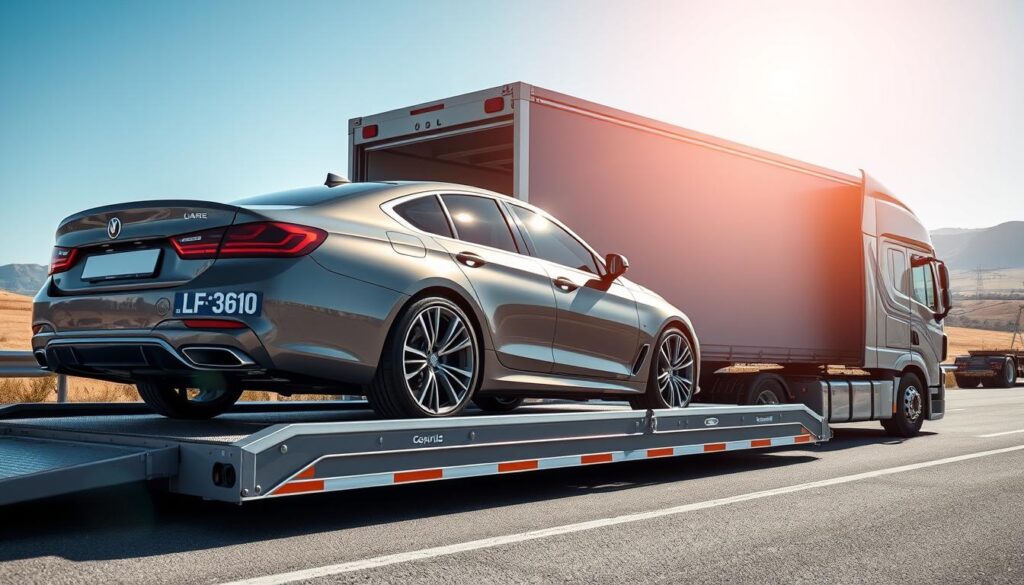
A trusted transport provider delivers vehicles while customers fly to their destination. This saves substantial time and removes the fatigue of a multi-day drive. For example, driving from Los Angeles to New York takes about 40 hours of actual drive time, not counting stops.
Time Savings
Professional car shipping lets owners avoid long hours behind the wheel. They can book a flight and arrive refreshed while the vehicle is routed by experts.
Protecting Your Investment
Using a reputable company prevents unnecessary wear and tear. Transport avoids the mechanical stress of thousands of highway miles and keeps odometer miles low.
- Convenience: Fly to the destination while vehicles arrive separately.
- Care: Professional carriers handle tie-downs and inspections to protect the vehicle.
- Logistics: Services support families and professionals moving multiple vehicles.
For a detailed overview of moving a vehicle across the country, see the ultimate guide.
Key Factors Influencing Shipping Costs
Factors like fuel and seasonality shape how much people pay to ship a vehicle. Knowing these helps plan budgets and avoid surprise fees.
Fuel Prices
Fuel is a primary cost driver. Carriers depend on diesel to move vehicles, and rising diesel raises rates for nearly every route.
Seasonal Demand
Summer brings higher demand. More customers need transport, so rates and wait times can increase.
Distance and Location
Longer trips often cost less per mile than short regional moves. Shipping to or from remote, rural areas is usually pricier than urban pickup or delivery.
Additional factors include vehicle size and weight, flexible pickup delivery windows, and how many carriers serve the route.
- Sherpa Auto Transport offers a Price Lock Promise® to keep a quoted price steady.
- Flexible dates often reduce cost because carriers can optimize routes and save money.
- Always compare quotes from multiple companies to plan your costs accurately.
Comparing Open and Enclosed Transport Methods
Deciding how to move a vehicle comes down to balancing price and protection.
Open transport is the most common option. Over 90% of Sherpa customers choose it for affordability and reliability. Open trailers use large double-decker trucks to move many cars efficiently across miles.
Enclosed transport provides extra protection. It typically costs about 50% more than open trailer service. This method shields vehicles from weather and road debris and suits high-value, classic, or exotic cars.
Carriers offering enclosed transport are less common, which raises prices. Fuel and carrier availability also affect rates, so market conditions influence costs for both methods.
- Open: Efficient, lower price, ideal for most standard vehicles.
- Enclosed: Higher price, better protection from elements and debris.
Consider vehicle value and tolerance for exposure when choosing. For budgeting and precise rates, check current estimates at how much it costs to ship a.
Preparing Your Vehicle for Transit
Proper prep before the carrier arrives reduces risk and speeds up the delivery process. A few focused steps make inspections quick and protect the vehicle during transport.
Cleaning and Inspection
Clean the exterior and interior. Washing and waxing repels water, insects, and road debris. A clean surface makes it easier to spot existing marks.
- Remove all personal items from the cabin and trunk; carriers do not cover belongings.
- Leave the gas tank about 1/4 full to cut weight but allow immediate use after delivery.
- Document the condition with photos from multiple angles and note existing scratches or dents.
- Confirm the vehicle runs or advise the company if it is inoperable; non-running units need special loading equipment.
These steps reduce claims and save time on pickup. Drivers can focus on secure tie-downs and safe movement when the process is clean and documented.
For route-specific tips, see Florida to North Dakota car shipping. Proper preparation supports a smooth delivery and lowers the chance of damage during the trip.
Navigating Insurance and Liability Coverage
Understanding a carrier’s liability policy is the best way to protect your vehicle and budget when arranging transport. Read the policy before you book.
Reputable companies must carry liability insurance to cover damages caused by carrier negligence. Ask for written proof and the policy limits.
If the car arrives with damage, note every item on the bill of lading and have the carrier sign it immediately. That step starts the claims process and preserves your rights.
Most shipping providers include basic insurance, but limits and exclusions vary. Check deductibles and whether the policy excludes severe weather or other “acts of God.”
- Verify carrier coverage and request proof.
- Confirm whether your personal auto insurer covers transport-related damage.
- Document condition with photos before pickup and after delivery.
Clear insurance checks reduce surprise costs and speed resolution if damage occurs. For questions or assistance, contact the company at (307) 288-5972 or email info@bestcarshippinginc.com.
How to Spot and Avoid Shipping Scams
Scammers often target vehicle owners by promising unrealistically low rates and urgent pickup windows. Watch for a quote that is much lower than other prices. That is a common lure.
Red flags include high-pressure calls, requests for full payment before a carrier is assigned, and vague insurance details. A legitimate company will explain rates, insurance, and the pickup process clearly.
Verify credentials with the Federal Motor Carrier Safety Administration. Check ratings and complaints on the Better Business Bureau before you commit.
- Compare multiple quotes to understand true market costs and avoid hidden fees.
- Read recent customer reviews and ask for proof of insurance and licensing.
- Refuse companies that demand wire transfers or full payment up front.
Keeping records of quotes and written agreements protects customers if issues arise. When in doubt, contact a trusted provider or call (307) 288-5972 or email info@bestcarshippinginc.com for guidance.
Managing Delivery Expectations and Timelines
Expect a delivery window, not an exact hour, when arranging transport. Most carriers provide a range so drivers can sequence pickups and stops efficiently.
Typical timing: a cross-country shipment usually takes about 10 days. Remote addresses or low carrier availability can extend that time.
Tracking Your Vehicle
Many companies offer GPS tracking so owners can monitor a vehicle in real time. Tracking reduces uncertainty and helps plan flights or ground pickup.
Handling Potential Delays
Weather, road conditions, and traffic are common causes of delay. Communicate directly with your carrier for status updates and revised windows.
- Pack light: you may store up to 100 lbs of personal items below the window line.
- Stay flexible: the truck must manage multiple vehicles and stops.
- Call for help: contact the transport company for revised ETA or questions.
| Tracking Method | Common Delay Causes | Typical Time Impact |
|---|---|---|
| GPS / Live Updates | Traffic, reroutes | Hours to 1 day |
| Phone Updates | Weather, road closures | 1–3 days |
| Carrier Portal | Driver scheduling, distance to next mile | 1–2 days |
For a smooth pickup and delivery, confirm pickup instructions and keep contact info handy. To get started or to ship your car to another state, reach out to the provider listed on your booking.
Essential Documentation for Your Shipment
Documentation is the backbone of every successful vehicle transport; it starts at pickup.
The bill of lading is the most important document for any shipment. It serves as a receipt and records the condition of the car at pickup and delivery.
Keep copies. Ask the carrier to sign the bill of lading and keep a copy of the inspection photos. That paperwork is required to file a claim if damage occurs.
You may be asked to show title, registration, or proof of insurance to the driver. Bring a photo ID and any order confirmation the company provided.
- The bill of lading documents the vehicle’s condition before and after transport.
- Insurance and coverage details are provided in writing; read them closely.
- Retain inspection reports and the order confirmation for your records.
Accurate, signed documents speed the process and protect both the customer and the carrier. To learn more about how to ship a car across the country, visit ship a car across the country.
Conclusion
A clear plan, accurate quotes, and the right carrier make shipping car straightforward. Compare prices and rates to save money and time while protecting your vehicle.
Whether people choose open or enclosed transport, professional providers handle pickup and delivery with care. Prepare the car and review insurance before the pickup date to avoid surprises.
Decisions depend on distance, days in transit, and your budget. For a personalized quote or help to ship car, call (623) 292 4141 or email info@bestcarshippinginc.com.
Choose the option that matches your priorities, and the move will arrive on schedule and in good condition.