
Understanding open car transport begins with knowing how vehicles move on an open-air trailer. This method is the most common and cost-effective way to ship a vehicle across states.
Choosing this option means your auto travels on a multi-vehicle carrier. While enclosed transport offers extra protection, open transport serves most daily drivers with reliable service and clear timelines.
Insurance covers shipments from loading to delivery, and a licensed driver handles each pickup and drop-off. For a transparent quote, call Sherpa Auto Transport at 877-850-1231 or request details online via this guide.
Reputable providers prioritize communication and careful handling. That gives vehicle owners confidence through every step of the shipping process.
Key Takeaways
- Open transport is the industry standard for cost-effective car shipping.
- Insurance protects the vehicle from load to delivery.
- Licensed drivers and routine checks support safe transit.
- Enclosed transport adds protection but costs more.
- Call 877-850-1231 for a clear, no-surprise quote and service details.
Understanding Open Car Transport Explained for Beginners
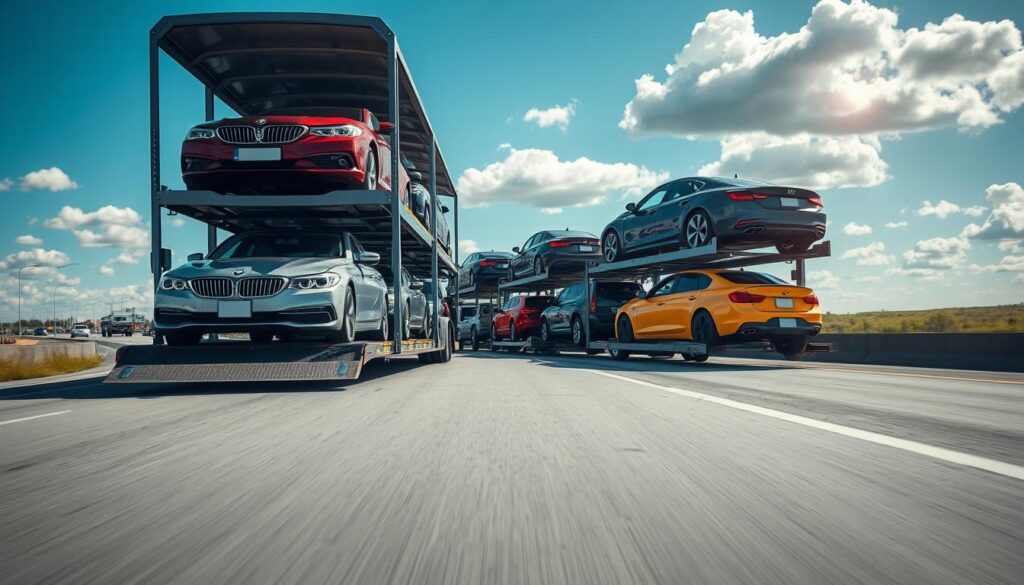
Large multi-level carriers handle dozens of vehicles at once, making this shipping method highly efficient.
This is the industry’s most common way to move cars across states. Two-level trailers let carriers load multiple vehicles, which spreads cost and speeds delivery.
Every business in this field offers licensed drivers and insurance that covers the vehicle from pickup to delivery. That makes the option ideal for daily autos that do not need enclosed protection.
Requesting a quote typically shows this is the most budget-friendly choice. The standardized trailers keep schedules predictable and help nationwide carriers maintain steady flows.
“Choosing a reliable carrier reduces risk and simplifies logistics.”
For more on how this option works and to compare services, see our guide on open auto transport services. Contact (307) 288-5972 or email info@bestcarshippinginc.com for a clear estimate.
How the Open Carrier Process Works
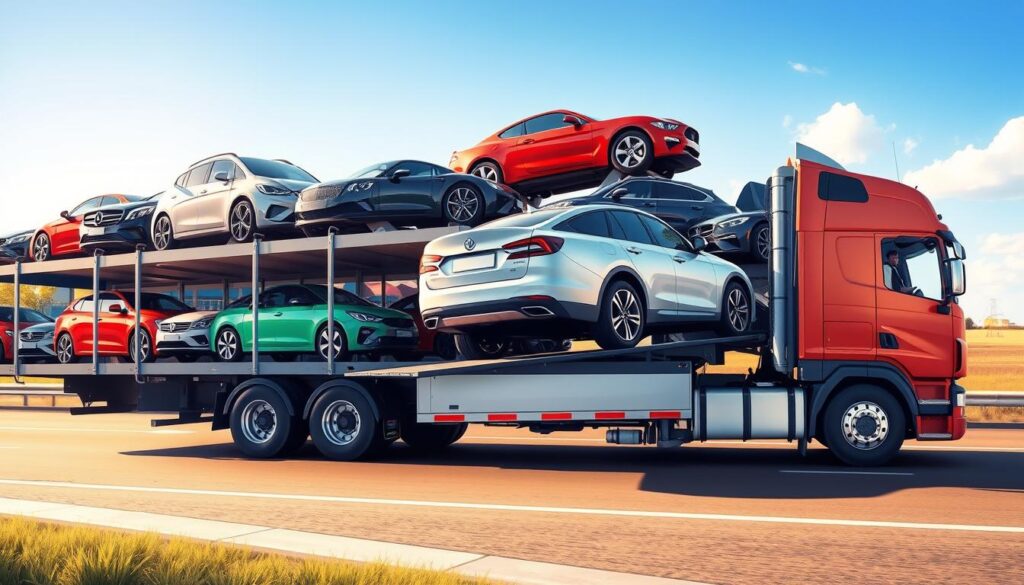
The process begins with a step‑by‑step inspection that records your vehicle’s condition before any loading occurs. The driver documents this on the Bill of Lading to protect both parties and to set clear expectations at pickup.
Inspection Procedures
Pre‑load checks note scratches, mileage, and existing damage. This official report supports insurance claims should any issue arise during transit.
Drivers typically log 400–500 miles per day, depending on weather and traffic. That rhythm helps carriers plan realistic delivery time windows.
Loading and Securing
During loading, trained drivers use straps, wheel chocks, and ramps on the trailer to secure vehicles. Specialized equipment keeps the car stable for the entire shipment.
Once secured, the carrier selects the most efficient route and updates the customer with an estimated delivery time. At delivery, the customer performs a final inspection and compares it to the initial report.
“Clear communication and standardized procedures ensure each vehicle retains its value during transit.”
For a reliable car shipping quote or more details on this method, contact info@bestcarshippinginc.com or call (307) 288-5972.
Essential Equipment and Trailer Capacity
High-capacity trailers set the baseline for efficient long-distance transport. Standard units run between 48 and 53 feet and let carriers move many vehicles in one trip.
- Length and space: Most trailers measure 48–53 feet, which maximizes load per run and reduces cost per vehicle.
- Vehicle count: These trailers typically hold 7–10 cars at once, making them an economical option for auto transport.
- Weight limits: The legal gross limit of 80,000 pounds governs how many and which vehicles can be safely loaded.
- Secure loading: Trained crews use straps and chocks during loading to lock each vehicle in place.
- Exposure and protection: While cars travel exposed to road and debris, tie-down systems provide essential protection throughout transit.
- Operational planning: Carriers plan loads around weight, size, and route to maintain safety and meet schedules.
Choosing open car transport with a reputable carrier offers a proven balance of capacity and cost. For clear answers about equipment or loading standards, contact (307) 288-5972 or email info@bestcarshippinginc.com.
Comparing Door to Door and Terminal Services
Door-to-door service brings the carrier as close to your property as regulations and safety allow. This option reduces time and handling. It is ideal when driveways, streets, and local codes permit truck access.
If access is limited, the driver may request a nearby meeting point. Residential access considerations include street width, parking rules, and overhead clearance. Business addresses often ease pickup and delivery.
Service Choices and Practical Trade-offs
Terminal-to-terminal shipping can lower the overall cost but adds handling time. Vehicles may sit at terminals while staff process paperwork and stage loads.
Regardless of the chosen option, the carrier’s insurance covers the vehicle while it sits on the trailer in transit. Customers should confirm coverage limits before booking.
“Discussing location needs with the carrier ensures the most convenient and efficient shipping experience.”
- Door-to-door: More convenient, fewer handoffs, quicker delivery.
- Terminal-to-terminal: Often lower cost, may take longer due to processing.
- Recommendation: Review budget, timeline, and vehicle needs to select the best method.
For a clear estimate tied to your choice of service, see our shipping cost guide or contact (307) 288-5972 or info@bestcarshippinginc.com.
Factors Influencing Your Shipping Quote
Several practical factors shape how much a carrier will charge to move your vehicle. Quotes blend distance with operational realities to give a final price.
Seasonal Demand
Peak seasons push prices up. Summer and holiday months raise demand for open carriers across the country.
Route Complexity
Long routes with limited access, steep grades, or detours increase fuel use and time. That raises the overall cost and affects delivery windows.
Vehicle Condition
If a vehicle is inoperable or needs a winch, carriers add handling fees. Accurate details at booking help avoid surprises at pickup.
- Fuel and weather are factored into every quote.
- Insurance and declared value affect price and protection level.
- Transparent quotes list these factors so customers understand the final cost.
| Factor | Typical Impact | What to Provide |
|---|---|---|
| Seasonal demand | Moderate to high | Desired pickup date |
| Route complexity | Variable | Exact pickup and delivery addresses |
| Vehicle condition | Low to high | Operable status, keys, and notes |
“Providing accurate details helps create a precise quote and avoids surprises.”
For a tailored quote, contact the team at (307) 288-5972 or email info@bestcarshippinginc.com.
Preparing Your Vehicle for Transit
A few practical checks at home make the pickup and delivery process smoother.
Wash the vehicle so the driver can document its condition on the Bill of Lading. Clean surfaces reveal scratches and dents that might otherwise be missed.
Remove personal items. These items are not covered by insurance and add weight during shipping. Empty the trunk and glovebox.
- Fuel: Keep about one-quarter tank to reduce weight but allow movement.
- Photos: Take time-stamped images from all angles as proof of condition.
- Accessories: Fold mirrors and remove loose racks to protect against road debris.
- Operability: Ensure the vehicle runs, or notify the carrier in advance if it is inoperable.
Following these steps helps the driver load the vehicle onto the trailer quickly. It also speeds release at delivery and reduces unexpected fees.
“Thorough prep leads to a smoother pickup and greater peace of mind.”
For more tips on a stress-free move, see our stress-free vehicle transport guide or contact (307) 288-5972 or info@bestcarshippinginc.com.
Safety Protocols and Insurance Coverage
Safety is the top priority in the auto transport industry. Every carrier must follow strict protocols to protect your vehicle during transit.
Carriers complete documented pre‑trip inspections. Drivers check tie-down systems, wheel chocks, and brake systems before departure. These checks repeat during long runs to maintain secure loads.
Comprehensive insurance is mandatory for contracted carriers. Policies cover physical damage while your car sits on the trailer and during loading and unloading.
Best practices include verifying a carrier’s active policy and declared value limits. The company keeps transparent records so customers can confirm coverage before pickup.
“Every shipment is handled with care, reflecting a commitment to protect assets and provide peace of mind.”
- Regular checks: Tie-downs and securement systems are inspected at key points.
- Verified insurance: Coverage confirmation occurs before the carrier accepts a shipment.
- Documented records: Bills of Lading and policy copies are maintained and shared on request.
| Coverage Level | What It Protects | Customer Action |
|---|---|---|
| Basic Liability | Damage caused by carrier operations during transit | Request policy limits and carrier name |
| Declared Value | Additional protection tied to vehicle value | Declare accurate value at booking |
| Supplemental Coverage | Extra protection for classic or high-value autos | Purchase add-on insurance if needed |
Choose a professional service that enforces these standards. For questions about coverage or to verify a policy, contact (307) 288-5972 or email info@bestcarshippinginc.com.
Managing Expectations for Delivery Times
Delivery windows vary; carriers plan routes that balance multiple stops and legal driving limits. This means customers receive an estimated arrival, not a precise minute.
Most haulers travel 400–500 miles per day. Weather, traffic, and construction can change that pace. These factors influence the final delivery time of your vehicle.
Customers should remain flexible with pickup and drop-off windows. The carrier’s route and other scheduled stops affect timing.
- Updates: The team will notify you about your shipment status and any delays.
- Price and time: The quoted cost reflects realistic timeframes and routing needs.
- Communication: Clear contact reduces surprises; reach out with questions about your auto transport timeline.
“Expect a delivery window and plan accordingly; communication ensures a smoother arrival.”
For a specific quote or questions about insurance and scheduling, contact (307) 288-5972 or email info@bestcarshippinginc.com. The service aims to deliver vehicles efficiently while keeping customers informed.
Why Choose Open Over Enclosed Transport
For routine moves, exposed carriers usually deliver the best combination of value and availability.
Cost advantage: This option cuts price compared with an enclosed car trailer. That makes it the top pick when budget matters.
Practical safety: Exposed trailers are safe and reliable for daily vehicles. Drivers use secure tie-downs and documented checks to protect each vehicle.
Network and speed: A larger pool of carriers means faster pickup and more flexible routing. That often reduces transit time and logistical delays.
- Efficient loading moves multiple vehicles on one run, lowering per-vehicle cost.
- Enclosed options exist for classic or exotic cars that need extra protection.
- The company offers both methods so customers can match the option to budget and value needs.
| Advantage | Open Option | Enclosed Option |
|---|---|---|
| Cost | Lower per vehicle | Higher due to added protection |
| Availability | Wider carrier network | More limited |
| Protection | Standard road exposure | Shielded from elements |
“Open carriers offer unmatched value for most everyday cars.”
If you need help choosing the right option, contact the team at (307) 288-5972 or email info@bestcarshippinginc.com.
Handling Personal Items and Prohibited Goods
Most carriers will not accept a vehicle that contains personal items due to regulatory and insurance limits. Federal rules prohibit hauling personal possessions inside a car during shipping. Insurance typically does not cover those items.
Leaving belongings in a vehicle increases weight and can complicate loading. Extra weight may stress the undercarriage or affect securement during transit.
Valuables should never be left inside. Personal items attract attention during stops and are not protected under the carrier’s policy.
- Hazardous materials, firearms, and large sums of cash are strictly prohibited and must be removed before pickup.
- Removing items helps maintain compliance with FMCSA rules and ensures smoother loading and delivery.
- The team will provide a checklist to confirm no prohibited goods remain in your vehicle before handoff.
“Keeping a vehicle free of belongings protects its value and simplifies the shipment process.”
For questions about policies or to review enclosed options, see enclosed options or contact (307) 288-5972 or info@bestcarshippinginc.com.
Common Misconceptions About Auto Shipping
Some people worry that shipping a vehicle exposes it to unacceptable risk, but carriers follow strict procedures to prevent damage.
Myth: open car transport is unsafe. Fact: It is the most common method in the industry and relies on secure tie-downs and routine checks.
Myth: shipping costs more than driving. Fact: When fuel, time, and wear are tallied, the service often proves cheaper.
Myth: you must be present at the exact pickup time. Fact: Someone 18 or older can sign at pickup or delivery, which simplifies scheduling.
- Vehicles travel exposed to road and debris, yet carriers use straps and wheel chocks to protect condition.
- Enclosed car service helps high-value autos, but everyday cars usually receive adequate protection on an open trailer.
- Insurance covers damage during transit; request a clear quote and policy limits before booking.
| Misconception | Reality | Recommended Action |
|---|---|---|
| Unsafe shipping | Standardized checks and securement | Verify carrier credentials and insurance |
| More costly than driving | Often cost-effective after expenses | Compare a quote to driving expenses |
| Must be present | Authorized signer aged 18+ suffices | Provide alternative contact at booking |
“By understanding the facts, customers can book with confidence.”
For clear answers or a personalized quote, call (307) 288-5972 or email info@bestcarshippinginc.com.
Conclusion
In closing, a professional service reduces risk and keeps your shipment on schedule. Drivers follow secure procedures and insurance protects vehicles during loading and delivery.
This option often offers the best balance of speed and cost compared with enclosed transport. Customers benefit from clear timelines, transparent price quotes, and dependable handling.
Request a free quote today to see how our auto transport solutions match your needs. Start online or learn more about affordable options by visiting open carrier car shipping in Pomona. For assistance, call (307) 288-5972 or email info@bestcarshippinginc.com.