
Professional auto transport simplifies long-distance moves and protects your vehicle during a 2,731-mile cross-country route. Sherpa Auto Transport holds a 4.86-star average across 9,690 reviews and a BBB A+ rating, which underscores reliability and trust.
Choosing vetted carriers reduces risk. Experts handle pickup, secure loading, and delivery in an efficient 7 to 15 days. This avoids added mileage and exposure to road hazards on major interstate routes.
The process is straightforward. Customers receive clear communication, transparent pricing, and an option for enclosed or open transport based on coverage needs. Reliable insurance and vetted carriers give owners peace of mind throughout the shipment.
Get a quote to compare pricing, transit time, and carrier availability. For questions or to book service, contact the team at (307) 288-5972 or email info@bestcarshippinginc.com.
Key Takeaways
- Auto transport offers safe, efficient long-distance delivery without adding miles to your odometer.
- Sherpa’s high reviews and BBB A+ rating reflect strong carrier vetting and customer focus.
- Typical transit runs 7–15 days for coast-to-coast routes near 2,731 miles.
- Transparent quotes and insurance options help clarify pricing and protection.
- Customers benefit from clear updates during pickup, transit, and final delivery.
Understanding the Logistics to Ship a Car From Los Angeles to Miami

Cross-country transport requires tight coordination across state lines and carrier schedules. The full route spans 2,731 miles and calls for careful planning of pickup windows, driver availability, and transit milestones. Major interstates like I-10 are used to keep the vehicle moving efficiently.
Distance drives both time and cost. Professional auto transport providers analyze road conditions and traffic patterns to give realistic transit estimates. That analysis helps customers pick the right service and timing for their move.
Vetted carriers manage safety and logistics for long-haul shipments. Choosing experienced carriers reduces risk, avoids added mileage, and minimizes exposure to wear and tear that comes with driving across multiple states.
- Route overview: Interstate routing via I-10 and connecting highways.
- Distance considerations: 2,731 miles affects days in transit and pricing.
- Planning tip: Book early to secure better quotes and pickup slots.
Estimating Your Total Transport Costs
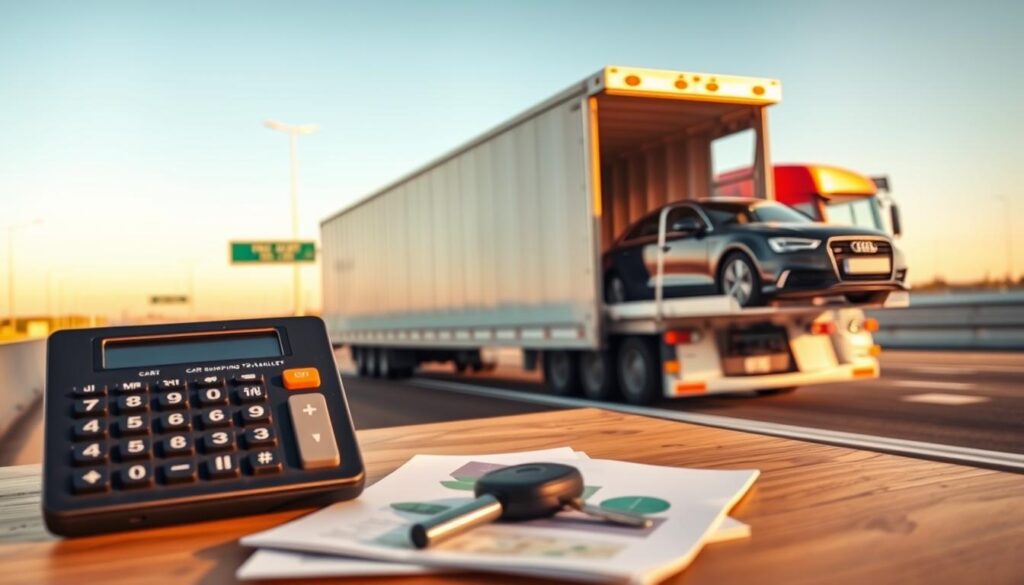
A reliable budget begins with an accurate quote that reflects current market drivers and route length. Typical car shipping rates for this cross-country run range from $1,737 to $2,644 depending on demand and fuel.
Key cost drivers include vehicle size, seasonal demand, and fuel prices. These factors change pricing and can add surcharges during peak times.
Professional auto transport providers include insurance in the final price. That coverage protects your vehicle during the 2,731-mile transit and reduces risk for customers.
| Factor | Impact | What to check |
|---|---|---|
| Vehicle size | Higher for large SUVs, trucks | Provide make and model for quote |
| Fuel & season | Variable surcharges | Book early to lock pricing |
| Insurance & carriers | Included or optional coverage | Verify policy limits before pickup |
Use an online car shipping calculator and request detailed quotes. Transparency in pricing prevents surprise charges and helps customers pick the best transport option.
Factors That Influence Your Final Shipping Price
Your final price depends on vehicle type, seasonal demand, and fuel trends. These elements guide carrier quotes and help customers set realistic budgets.
Vehicle Size and Weight
Large SUVs and trucks need more space on a trailer and more labor to load. That raises the cost for auto transport and affects rates for each shipment.
Fuel Price Fluctuations
Fuel swings along the 2,731-mile route influence pricing. Professional carriers monitor indexes and adjust pricing to cover fuel and labor.
Seasonal demand also matters. Peak months increase rates as carriers see heavier traffic and fewer open slots.
| Factor | How it affects pricing | What customers should do |
|---|---|---|
| Vehicle size/weight | Higher for larger, heavier vehicles | Provide exact make/model for an accurate quote |
| Fuel & market trends | Variable surcharges during spikes | Book flexible pickup to lower rates |
| Seasonal demand | Higher rates in peak periods | Schedule ahead and compare quotes |
Our team explains how specifications and market conditions shape final pricing. Contact (307) 288-5972 or email info@bestcarshippinginc.com for help with a detailed quote.
Selecting the Right Auto Transport Method
Start by matching vehicle value and timeline to available transport options for the smoothest delivery.
Open transport is the most common and cost-effective choice for standard vehicles. It keeps price and transit time competitive. Professional carriers secure vehicles and manage pickup and delivery with routine checks.
Enclosed transport suits luxury, classic, or high-value vehicles. It protects against debris and weather and offers added peace of mind during long runs.
Consider budget and condition when choosing. If preservation matters more than price, enclosed is worth the cost. If affordability and speed matter most, open transport fits most needs.
- Compare options and request a detailed quote for price and timeline.
- Verify that the carrier handles your vehicle type and offers clear pickup windows.
- Choose the transport offers that match your delivery date and protection needs.
Customers can review service features and contact the team at (307) 288-5972 or email info@bestcarshippinginc.com. For more details, see the best car shipping company guide.
Comparing Open Versus Enclosed Trailer Options
Trailer selection balances budget limits with the level of protection your vehicle needs on cross-country runs. Open trailers are the industry standard for car shipping. They offer lower cost and broad carrier availability along the los angeles corridor. This makes open transport ideal for everyday vehicles and tight budgets.
When to Choose Enclosed Protection
Enclosed trailers deliver maximum protection against weather, road debris, and dust. Choose enclosed for high-value, classic, or custom-painted vehicles. They are also best for low-clearance models that need careful loading.
Enclosed transport costs more and can reduce carrier options and pickup windows. Still, the extra price often pays off when preservation matters most.
- Open: lower price, faster pickup, wider carrier pool.
- Enclosed: higher protection, limited carriers, premium price.
- Team support: the company helps evaluate options and provides a detailed quote based on vehicle type and delivery timeline.
Professional carriers maintain both trailer types to keep vehicles secure during transit. Contact (307) 288-5972 or email info@bestcarshippinginc.com for help choosing the right option.
Essential Steps for Preparing Your Vehicle for Transit
Preparing the vehicle before pickup reduces delays and protects its condition during transit. Follow a short checklist so the carrier can document condition and load quickly.
Cleaning and Inspection
Wash the vehicle so scratches and dents are visible. Take dated photos of all sides and the interior. Keep these images with your records for any damage claim.
Removing Personal Items
Remove all personal items. Carriers cannot transport household goods across state lines. Empty the glove box, trunk, and under seats before pickup.
Securing Loose Accessories
Remove or firmly fasten spoilers, bike racks, antennas, and loose trim. If parts are removable, store them separately and note this on the Bill of Lading.
- Checklist: clean, photos, remove items, secure accessories, verify fuel level.
- Professional carriers perform a pickup inspection and record condition on the Bill of Lading for your records.
Following these steps improves the transport experience and helps ensure your vehicle arrives in excellent condition. For help or a quick reliable car shipping services quote, call (307) 288-5972 or email info@bestcarshippinginc.com.
Navigating Seasonal Demand and Peak Shipping Times
Peak travel months often reshape carrier schedules and push pricing higher for seasonal moves.
Winter snowbird demand can limit carrier availability and increase rates for cross-country transport. Booking early helps secure pickup windows and steadier pricing.
Flexibility matters. Shifting pickup or delivery by a few days often yields better quotes and shorter transit time.
“Book at least two weeks ahead during peak periods to lock in your carrier and preferred dates.”
- Plan off-peak: lower prices and more carrier options.
- Monitor trends: the team tracks market shifts and shares timely guidance.
- Be flexible: alternate dates reduce cost and improve availability.
| Seasonal Factor | Impact | Recommended Action |
|---|---|---|
| Snowbird movement (winter) | Higher rates, limited carriers | Book 2+ weeks early; accept flexible pickup |
| Summer peak travel | Increased demand on key routes | Request multiple quotes and compare pricing |
| Off-peak months | Lower rates, more carrier availability | Schedule transport for best pricing and timing |
For help timing your shipment or to get a detailed quote, contact the team. They provide expert advice to move vehicles efficiently while managing cost and carrier availability.
Understanding Insurance Coverage and Liability
Understanding who is responsible for loss or damage is critical before any long-distance transport. Customers should confirm how liability and cargo coverage apply to their vehicle. Short checks reduce risk and speed claims if needed.
Verifying Carrier Insurance Policies
Every carrier in the network carries at least $1,000,000 in liability and $100,000 in cargo insurance. This baseline protects the owner while the vehicle moves across state lines.
Our vetting process confirms active policies before booking. The team checks certificates and policy dates so the customer has written proof of coverage at pickup.
Note: Florida requires PIP and PDL minimums of $10,000 each at registration. Customers should review state rules and discuss gaps with their personal insurer.
- Request the carrier’s insurance certificate and policy limits.
- Keep clear documentation with the Bill of Lading.
- Consider supplemental coverage from your auto insurer if needed.
For peace of mind, contact the team at (307) 288-5972 or email info@bestcarshippinginc.com for confirmation of carrier coverage before shipment.
Managing Documentation and the Bill of Lading
Good documentation protects owners and clarifies responsibility at pickup and delivery. The Bill of Lading is the official receipt and inspection report. It records vehicle condition at both pickup and final delivery.
Keep every page. Our team provides a copy of the Bill of Lading with photos and notes. That record supports any claim and verifies the agreed condition during the car shipping process.
Professional carriers handle required paperwork and confirm compliance with state and federal rules. At arrival, the driver completes a joint inspection with the customer to match the original report.
| Document | Purpose | What you should do |
|---|---|---|
| Bill of Lading | Official receipt & condition report | Keep signed copy; compare at delivery |
| Quote & Pricing | Agrees on price and services | Store PDF and confirm terms before pickup |
| Insurance Certificate | Shows carrier coverage limits | Verify policy and keep a copy for claims |
| Inspection Photos | Visual proof of condition | Save dated images until delivery is complete |
Store all records safely until the shipment is complete. For questions about your quote or the auto transport process, contact the team at (307) 288-5972 or email info@bestcarshippinginc.com.
Key Differences in Vehicle Regulations Between California and Florida
State rules can change what you must do when registering and insuring a vehicle after relocation. California requires annual safety inspections and sometimes emissions checks. Florida does not mandate regular safety or emissions inspections for residents.
Insurance obligations differ, too. Florida requires PIP and PDL coverage of $10,000 each to complete registration. Owners must confirm coverage before beginning the registration process.
California law asks new residents to get a state driver’s license within 10 days. Florida has different timelines and rules for licensing. Understanding both sets of rules prevents fines and delays.
Practical steps:
- Verify current registration and inspection status before transport.
- Secure required Florida insurance limits ahead of arrival.
- Plan for license and registration deadlines to avoid penalties.
The team provides resources and guidance to ensure your vehicle meets local requirements after delivery. For help, call (307) 288-5972 or email info@bestcarshippinginc.com.
Coordinating Pickup and Delivery Logistics
Timely communication and precise scheduling keep every pickup and delivery on track. The customer, carrier, and logistics team share clear windows so moves stay predictable. This level of planning improves the car transport experience.
Professional carriers contact the owner to confirm the pickup location and arrange delivery timing. If streets are narrow or trees hang low, the driver may suggest meeting in a nearby lot for safer loading.
Provide accurate contact information. That detail helps the carrier reach you quickly and confirm exact arrival times. It also reduces delays and missed appointments.
Our logistics team coordinates route updates and shares status messages during transit. Drivers call before pickup, send progress updates in transit, and confirm expected delivery time before arrival.
We prioritize your schedule. The team aligns pickup and delivery windows with personal needs and handles any last-minute adjustments. For questions about this service or to confirm details, call (307) 288-5972 or email info@bestcarshippinginc.com.
Evaluating Potential Shipping Alternatives
Alternative delivery methods can reduce cost but may trade off convenience and coverage. Review each method against your timeline and the vehicle’s needs before deciding.
Rail transport can be economical for long distances. It often offers fewer pickup and delivery options than professional auto carriers. That may add local drayage costs or extra handling time.
Driving yourself adds wear and extra mileage. This option suits owners who prefer control and can handle fuel, lodging, and time on the road.
Professional driver service is a premium choice. It moves the vehicle without the owner present but costs more than standard carriers.
Our recommendation: weigh budget, timeline, and vehicle condition. The company’s auto service remains the most reliable method for secure delivery. For high-value vehicles, choose enclosed transport. If cost matters, choose open transport for broad availability and savings.
Compare transport offers to see total cost and protections. For guidance or a tailored quote, call (307) 288-5972 or email info@bestcarshippinginc.com.
Tips for Saving Money on Long Distance Routes
Minor shifts in your pickup or delivery dates often improve route efficiency and cut overall cost. Booking early secures lower price and better availability for preferred pickup windows.
Be flexible with timing. Allow carriers to choose a broader window so they can bundle loads and offer lower rates.
Choose off-season travel and avoid major holidays to reduce pricing pressure. Opt for open transport rather than enclosed transport when protection needs are standard; that choice lowers cost without sacrificing professional handling.
- Compare multiple quotes to confirm the best price for your route and schedule.
- Plan ahead: early booking cuts premium surcharges and improves carrier availability.
- Avoid peak weeks to find steadier rates and shorter transit time.
“Planning ahead and staying flexible are the easiest ways to control price while keeping service quality.”
For tailored advice, contact the team at (307) 288-5972 or email info@bestcarshippinginc.com. They help balance cost, timing, and protection so customers get reliable service within budget.
What to Expect During the Transit Process
During the 7–15 day transit window, customers get regular updates about their vehicle’s location and estimated delivery time. Professional carriers follow planned interstate routes and log each checkpoint.
At pickup and again at delivery, drivers perform a thorough inspection and record condition on the Bill of Lading. These joint checks protect the customer and document any changes during the shipment.
Communication is central. Carriers provide status messages and ETA updates so customers can plan around delivery windows. Weather and traffic are monitored and may affect time, but teams work to limit delays.
Expect transparent handling of insurance and coverage questions. Staff are available to answer concerns and explain how cost and route factors influence price and timing.
For more detail about transit milestones and what customers should prepare, see the detailed transit guide or contact the team at (307) 288-5972.
Final Inspection and Receiving Your Vehicle
A careful walk-around at delivery ensures any variance from the pickup report is noted and addressed.
Perform the final inspection with the driver. Check exterior panels, glass, tires, and interior for signs of damage or shift in condition.
If you find discrepancies, note them on the Bill of Lading before signing. That record is essential for any claim and protects both parties.
Receiving the vehicle is the last step in the professional service. Drivers complete the joint inspection so the owner can confirm delivery and sign off with confidence.
If questions arise after delivery, the team is available to assist. Contact (307) 288-5972 or email info@bestcarshippinginc.com for prompt follow-up.
- Quick checklist: verify condition, compare photos, record issues on Bill of Lading.
- Professional carriers aim to hand over a vehicle ready to drive upon arrival.
- Feedback is encouraged—customers help improve future delivery and service.
| Step | Action | Why it matters |
|---|---|---|
| Inspection | Walk-around with driver | Confirms condition at delivery |
| Documentation | Note discrepancies on Bill of Lading | Supports claims and resolution |
| Follow-up | Contact support if needed | Ensures timely assistance |
Conclusion
Ending a cross-country move with confidence starts by choosing a trusted transport partner. Proper planning reduces stress and helps control price and transit time. This makes the overall experience smoother for vehicle owners.
When customers work with a reliable auto transport provider, protection and clear communication come standard. Transparent pricing and careful handling protect the shipment over long distances.
For personalized guidance or a tailored quote, contact the team at (307) 288-5972 or email info@bestcarshippinginc.com. Learn more about regional options on the Ohio service page.