
Deciding whether to drain a vehicle’s fuel tank is a frequent concern for owners who have spent years caring for a car. Clear information helps a transport service plan safely and avoid delays.
Professional logistics teams set specific rules for vehicle preparation. Many carriers prefer a low fuel level, not a fully drained fuel tank. This approach balances safety and the time needed for pickup.
Adding water or other substances to a fuel tank is not a recommended way to prepare for transit. Such actions risk damage and complicate the carrier’s handling procedures.
Contact Best Car Shipping Inc. for clear guidance. Call (307) 288-5972 or email info@bestcarshippinginc.com for service details and authoritative information on vehicle transport.
Key Takeaways
- Owners often ask about draining the fuel tank prior to transport.
- Professional carriers usually request a low fuel level rather than a fully emptied tank.
- Introducing water or additives into the fuel system is unsafe and unnecessary.
- Preparation time and clear information speed pickup and delivery.
- Call (307) 288-5972 or email info@bestcarshippinginc.com for reliable guidance.
Should You Empty Your Gas Tank Before Shipping?
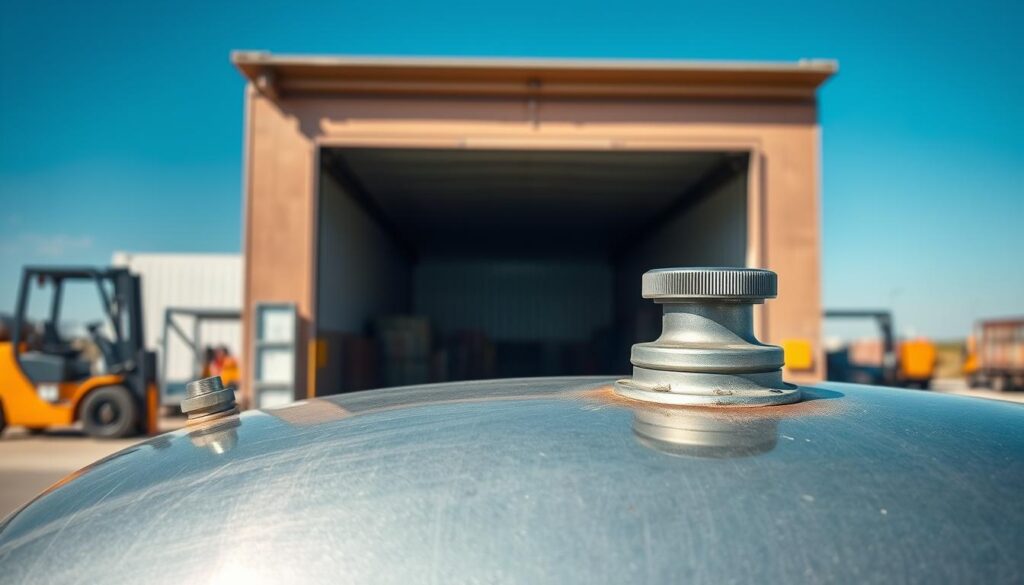
A common question from car owners concerns fuel levels during vehicle transit. Guidance from transport professionals helps protect the vehicle and keep pickup on time.
Full draining is not required. Most carriers advise keeping about one-fourth of a tank so the car can be moved during loading and unloading. This balances safety with operational needs.
Avoid adding water or DIY additives. Introducing water into the fuel system risks corrosion and long-term damage. Leave complex work to a qualified shop.
- Remove custom parts and loose accessories to protect the fuel tank and other components.
- Keep minimal fuel to reduce weight while preserving enough for movement on loading ramps.
- Contact Best Car Shipping Inc. at (307) 288-5972 for tailored advice and fast scheduling.
For a full checklist on vehicle prep, see the preparation guide.
Why Fuel Levels Matter for Auto Transport
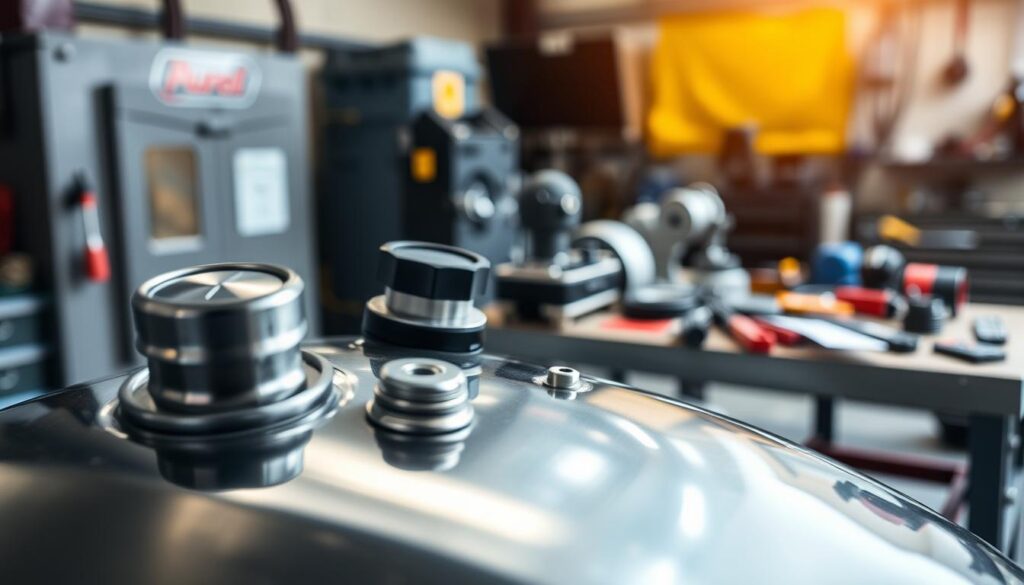
Controlling how much fuel sits in a vehicle affects load limits and handling during transit. Clear guidance reduces risk and saves time at pickup.
Weight Considerations
Low fuel levels cut overall weight. Maintaining a reduced amount helps protect the engine and the carrier’s capacity. This lowers stress on axles and limits wear on tires during long hauls.
Safety During Loading
Less fuel lowers the chance of spills or leaks. Over the years, carriers have noted that a full gas tank raises the risk of oil or transmission fluid leaks during movement.
- Keep roughly one-fourth of a tank to allow vehicle movement on ramps.
- Avoid adding water or additives to the fuel tank; such steps can cause long-term damage.
- For more information on recommended levels, contact (307) 288-5972 for direct help.
Best Car Shipping Inc. has spent years refining safety protocols to protect each car and transport asset. For related route details, see Florida to North Dakota car shipping.
Essential Steps to Prepare Your Vehicle for Transit
A short, focused routine makes transit-ready cars less likely to incur damage. Clear steps reduce hold-ups on pickup and protect the interior and exterior.
Cleaning the Interior
Remove loose parts and personal items. Small items and aftermarket parts can shift and scratch surfaces. Ensure no water or other liquids remain that could spill and stain upholstery.
Disabling Alarm Systems
Turn off or set alarms to a transport mode. An active alarm may trigger during movement and delay loading. This simple service prevents unnecessary stops and inspections.
Checking Tire Pressure
Inspect inflation at the shop prior to pickup. Under-inflated or over-inflated tires face higher risk during loading and long hauls.
- Follow the eight-point prep checklist: interior clean, loose parts removed, alarms addressed, tires checked.
- Removing custom accessories protects the gas tank area and exterior from damage noted over years of transport.
- For further help, contact info@bestcarshippinginc.com or consult stress-free transport tips.
Managing Leaks and Tank Maintenance
A leaking fuel system creates safety risks that carriers will not ignore. Inspect the undercarriage for oil or transmission fluid leaks first. A leaking car may be refused to protect other loads.
Address fuel odors promptly. If a strong smell exists, a concentrated degreaser can help. Pour half or more of a bottle of Mean Green degreaser into the tank, add two gallons of water, slosh gently, then drain.
Remove sediment from the tank before any cleaning. Sediment can clog the engine and cause performance issues over the years.
- Verify all fuel system parts are secure to prevent spills during transit.
- Fix aggressive leaks at the shop prior to the scheduled pickup to avoid service delays.
- Document repairs and report them when booking transport for faster clearance.
For professional guidance, contact Best Car Shipping Inc. at (307) 288-5972 or info@bestcarshippinginc.com.
Final Thoughts on Vehicle Shipping Safety
Small, practical actions make a big difference in transit safety. Keep minimal gas and secure the tank to cut weight and reduce spill risk.
Maintain basic checks on the car and confirm no active leaks or excess fuel remain. A clean, water-free tank lowers inspection hold time at pickup.
Clear documentation saves time and protects the vehicle. Years of service backed by consistent protocols help avoid delays and preserve condition in transit.
For more information or rapid assistance when a car won’t start after long drives, see car won’t start after long drives or contact the team at (307) 288-5972 or info@bestcarshippinginc.com.