
Professional auto transport makes seasonal moves simple and secure. This service delivers vehicles door-to-door so owners can fly south without the long drive. The process is clear: get a quote, book in advance, and prepare the vehicle for pickup.
The team offers transparent pricing and insurance options. Carriers handle loading and delivery with care to reduce wear and tear. Booking several weeks ahead helps secure top carriers during peak season.
Customers save time and money compared with driving. Pickup delivery logistics and multiple transport options suit most vehicles. For more details on routes and timing, see this related resource at car transport from New Jersey to.
Key Takeaways
- Choose door-to-door service for convenience and less handling.
- Request a transparent quote before you book to know the cost.
- Book several weeks in advance to get the best carriers.
- Remove personal items and prepare the vehicle for pickup.
- Verify insurance and carrier credentials for peace of mind.
- Auto transport saves time and prevents road wear during seasonal moves.
Understanding the Snowbird Migration
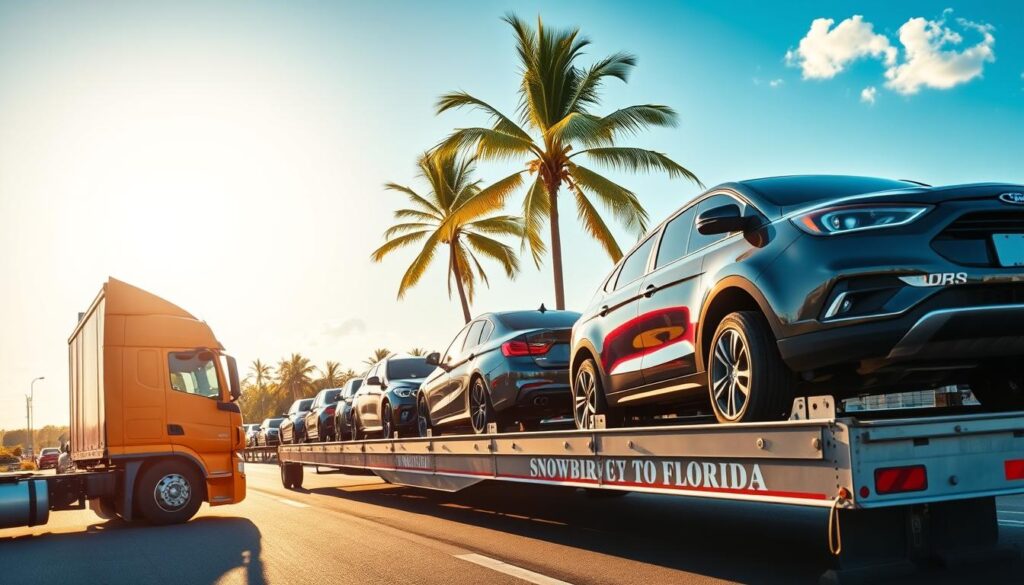
When temperatures drop, many people choose trusted vehicle carriers rather than risk long winter drives. The seasonal migration involves thousands of retirees and travelers moving south each year.
Many of these travelers prefer to have their car transported. This avoids icy roads and long hours behind the wheel. Professional auto transport offers a safer, more efficient alternative.
Companies tailor services for multi-vehicle logistics, peak-season demand, and return trips in spring. Planning early secures the best carriers and keeps costs predictable.
- Reliable pickup and delivery for seasonal stays.
- Options for enclosed or open transport based on vehicle value.
- Support for first-time and repeat travelers with clear timelines.
| Need | Benefit | When to Book |
|---|---|---|
| Avoid winter driving | Reduced risk and stress | 4–8 weeks before departure |
| Multiple vehicles | Coordinated pickup schedules | 6–10 weeks for groups |
| Return in spring | Reliable reverse transport | Book early to reserve spots |
| Insurance and care | Protection during transit | Confirm before booking |
For detailed regional options and to secure a trusted provider, visit our connecticut car shipping page.
Why You Need Professional Snowbird Car Shipping From Connecticut to Florida

A dedicated transport team manages pickup, transit, and delivery, so owners can travel without driving their cars. This service removes fatigue and the many hidden trip expenses that add up on a long winter route.
Professional auto transport ensures each vehicle arrives at the door in the same condition it left. Carriers provide secure loading and a documented process that protects value and reduces wear.
Clients receive a transparent quote before booking. That clarity prevents surprise costs and shows true transport cost, insurance options, and timeline.
Hiring a verified carrier also saves time. Owners avoid hotel, meal, and fuel costs while relying on an experienced network of carriers that schedule pickups and on‑time delivery during peak season.
Trust and convenience are central. This service frees snowbirds to focus on travel plans while professionals handle logistics, paperwork, and vehicle care from pickup through final delivery.
Benefits of Seasonal Vehicle Transport
Seasonal vehicle transport reduces exposure to hazardous winter conditions while preserving vehicle value. It offers a clear, professional alternative to driving in bad weather.
Safety Advantages
Keeping cars off icy roads lowers accident risk. Professional drivers use modern equipment and route planning to avoid dangerous stretches.
Monitoring and protection matter: carriers check fuel levels and secure vehicles before transit. That attention prevents common roadside problems during long trips.
“Using professional transport provides protection and peace of mind during seasonal moves.”
Avoiding Wear and Tear
Long drives add miles and strain to engines, brakes, and tires. Vehicle transport preserves mechanical condition and limits depreciation.
Choosing a trusted auto transport service reduces exposure to road debris and weather damage. This helps protect resale value and extends the life of your vehicle.
- Reduced mileage and mechanical stress
- Minimized exposure to winter road hazards
- Secure loading and monitored delivery
| Advantage | What It Protects | When to Use |
|---|---|---|
| Safety | Passengers and cars | Winter months and severe weather |
| Protection | Exterior and mechanical systems | Long-distance moves |
| Value preservation | Resale and condition | Seasonal migrations |
Comparing Driving Versus Shipping Your Car
A direct drive can mean multiple long days on the road, while professional transport shifts that burden to an experienced carrier.
Driving yourself demands time, planning, and extra expense. Fuel, hotels, and meals add up quickly during a long trip. Winter routes can increase risk and stress.
Using a shipping service saves time and fatigue. Owners fly south and let an auto transport team handle pickup, transit, and delivery. This reduces wear and tear on the vehicle.
- Cost comparison: Compare the transport quote with projected driving expenses.
- Options: Open or enclosed trailers suit different needs.
- Process: A reliable carrier offers clear timelines and tracking.
| Factor | Driving | Shipping |
|---|---|---|
| Time | Multiple days on the road | Fly and receive vehicle in days |
| Cost | Fuel, lodging, meals | Transparent quote from carrier |
| Vehicle wear | High mileage and wear | Minimal wear during transit |
| Risk | Weather and road hazards | Professional handling and insurance |
Decision tip: For many snowbirds, this auto transport service is the practical choice. Request a quote and compare real costs before you decide. For questions, contact info@bestcarshippinginc.com or (307) 288-5972.
Essential Preparation Steps Before Your Vehicle Pickup
Simple pre-pickup tasks help ensure a smooth handoff to the carrier. Clear preparation reduces delays and protects value during the transport process.
Mechanical Maintenance
Have routine maintenance completed before pickup. Check brakes, fluids, tires, and belts.
Minor repairs should be done in advance to avoid breakdowns during loading or transit.
Battery and Fuel Levels
Keep the battery fully charged so the driver can move the vehicle if needed.
Maintain about one-quarter tank of fuel. This meets carrier safety guidelines and limits extra weight.
Documentation
Gather registration and insurance papers for the pickup delivery. Drivers verify documents at the door.
Remove personal items before the carrier arrives; these are not covered by carrier insurance.
- Clean the vehicle for a clear inspection.
- Provide a spare key to the driver.
- Follow the checklist supplied by the service team to save time on pickup day.
| Prep Item | Why It Matters | Action |
|---|---|---|
| Maintenance | Prevents roadside issues | Service before scheduled pickup |
| Battery & Fuel | Enables loading and safe transit | Charge battery; keep ~25% fuel |
| Documentation | Smooth verification at delivery | Have registration and insurance ready |
| Keys & Personal Items | Facilitates access; protects belongings | Provide spare key; remove items |
Need more details? Review an example route and scheduling tips at car transport from Florida to Illinois.
How to Properly Clean and Inspect Your Car
A quick exterior wash and detailed inspection save time and prevent disputes at pickup.
Clean the vehicle thoroughly before the transport process. Washing removes dirt that can hide scratches or dents.
Take clear photos from all angles. These photos serve as proof for insurance and support a smooth delivery review.
Inspect the vehicle in good weather so details show clearly. Note any existing damage on the bill of lading.
- Document every detail to verify condition at delivery.
- A clean vehicle speeds the pickup process and helps the team load safely.
- Follow the carrier’s checklist for a consistent inspection process.
| Step | Why It Matters | Action |
|---|---|---|
| Exterior wash | Reveal pre-existing damage | Wash and dry before inspection |
| Photos | Evidence for insurance | Capture all angles and close-ups |
| Weather check | Accurate condition assessment | Inspect on a clear day when possible |
| Checklist | Faster pickup and fewer disputes | Use the carrier’s inspection form |
“A clear record of condition is a vital part of professional auto transport standards.”
Need help? Contact the team at info@bestcarshippinginc.com or (307) 288-5972 for guidance before pickup.
Managing Personal Items and Valuables
Keeping valuables out of the vehicle before pickup prevents avoidable losses and claim disputes.
Remove personal items and any loose belongings before the driver arrives. These items are not covered by carrier insurance and may increase risk during loading.
Take clear photos of the empty interior and trunk. Photos document condition and confirm that no valuables remain. This step helps during the pickup and at delivery.
Insurance Limitations
Carrier insurance covers vehicle damage, not personal property. The policy limits mean the company cannot be held responsible for items left inside.
- Pack personal items separately for travel or luggage shipping.
- Ask the service team about any allowed exceptions before pickup.
- Provide a spare key and confirm pickup instructions with the driver.
| Action | Why It Matters | Recommended Step |
|---|---|---|
| Remove personal items | Not covered by carrier insurance | Clear interior; take photos |
| Document condition | Proof for claims and delivery | Photograph all areas before pickup |
| Pack separately | Protect valuables and essentials | Use luggage or freight services |
Need help? Contact the team at info@bestcarshippinginc.com or call (307) 288-5972 for guidance on what to leave in your snowbird car and how to prepare for safe transport.
Understanding the Costs of Seasonal Transport
Seasonal transport prices vary widely, and understanding the drivers behind them helps plan a realistic budget.
Typical range: Expect car shipping costs to start around $600 and to exceed $1,200 for certain routes or larger vehicles. This range covers common pickup and delivery windows during the busy winter season.
Our auto transport quote reflects distance, route demand, and vehicle type. The carrier network and timing also affect final pricing.
- Distance: Longer runs increase fuel and labor expenses.
- Demand: Peak winter demand raises rates and shortens availability.
- Service level: Enclosed trailers cost more than open shipping.
“A clear cost breakdown lets customers compare offers and avoid surprise fees.”
| Factor | Impact | Typical Effect on Price |
|---|---|---|
| Distance | Fuel and driver time | Moderate to high |
| Seasonal demand | Carrier availability | High during winter |
| Vehicle type | Size, weight, special handling | Varies—luxury and oversized cost more |
| Service options | Door-to-door, enclosed, expedited | Adds to base fee |
Tip: Book several weeks ahead to lock in competitive rates and secure reliable delivery days. For a tailored quote, contact the team at info@bestcarshippinginc.com or call (307) 288-5972.
Factors That Influence Your Shipping Quote
A precise quote reflects mileage, route complexity, and current carrier availability along your corridor. The provider evaluates known highways, detours, and typical transit times to calculate a fair rate.
Distance and Route Impact
Longer mileage raises labor and fuel expenses. Routes using major corridors such as I-95 or I-84 often move faster and cost less per mile.
Detours, tight city pickups, and limited access add handling time and may increase the final amount. Car owners should expect these items to appear on a detailed quote.
Seasonal Price Fluctuations
Demand rises during winter and peak season. That pressure reduces carrier availability and pushes rates higher.
Booking several weeks in advance helps secure a better rate and reliable pickup windows.
“Transparent pricing helps customers plan and prevents unexpected fees.”
| Factor | Effect on Price | Action |
|---|---|---|
| Distance & route | Higher fuel and time costs | Choose main highways when possible |
| Seasonal demand | Rate spikes in busy months | Book weeks in advance |
| Carrier access | Limited carriers raise fees | Allow flexible pickup days |
| Weather & road | Delays and reroutes | Confirm contingency plans |
Choosing Between Open and Enclosed Transport
Choosing the right trailer type sets expectations for cost, protection, and pickup timing.
Open transport is the most popular and cost‑effective option for routine car shipping. It moves more cars per trailer, which lowers the overall cost. Open trailers are suitable for most vehicles when weather is not extreme.
Enclosed transport offers superior protection against weather and road debris. This option is recommended for luxury, classic, or high‑value vehicles that require extra care during transit.
Our auto transport service provides both options and a clear quote for each. Experienced carriers handle loading and delivery at the door. Customers can choose the balance of protection and cost that fits their needs.
“Selecting the right transport method ensures the vehicle arrives in the expected condition and on schedule.”
- Open: cost effective, common for everyday cars.
- Enclosed: maximum protection, ideal for classics and luxury models.
- Both: professional carriers, clear pickup and delivery schedules.
| Option | Protection | Typical Cost | Best For |
|---|---|---|---|
| Open Transport | Standard | Lower | Daily drivers and standard cars |
| Enclosed Transport | High | Higher | Classic, luxury, and show cars |
| Service Choice | Depends on needs | Quote-based | Owners balancing cost and protection |
For a tailored quote or questions about protection and timing, contact the team at info@bestcarshippinginc.com or call (307) 288-5972. The carrier will confirm pickup windows and delivery expectations.
Navigating Seasonal Demand and Booking Windows
Peak season demand often tightens carrier schedules, so reservations made early capture the best pickup and delivery windows.
The importance of early booking cannot be overstated. Book at least 2–4 weeks in advance to secure reliable service during busy winter and spring months.
Early reservations help avoid sudden cost increases and give customers more options for pickup times and delivery days. The auto transport process runs smoothly when schedules are set ahead.
Practical booking tips
Confirm plans first, then book snowbird transport. A clear quote and timeline make it easy to plan travel and arrival logistics.
- Reserve early to lock in competitive rates and flexible pickup windows.
- Ask for a written quote that lists transit days and estimated delivery.
- Allow a few extra days of buffer for peak-season routing and weather.
“Booking ahead protects your schedule and reduces surprise costs during peak months.”
For a targeted route estimate, request a specialist review or visit car transport Philadelphia to Florida for more details.
The Role of Insurance in Vehicle Transport
Understanding insurance terms is essential before handing over a vehicle to a carrier. Proper coverage defines responsibility from pickup until delivery. It reduces financial risk and speeds resolution if damage occurs.
Every carrier in the network carries cargo insurance. That baseline protection covers common transit risks and complements the policy shown in your quote.
Our auto transport service adds supplemental coverage for extra protection. This gives owners practical support and a clear claim process if needed.
- Review insurance limits listed on the quote before booking.
- Confirm carrier credentials and their claims record.
- Note driver procedures and required inspection photos at pickup.
Insurance is part of our service commitment. Clear policy details help owners feel secure and save time during claims. Trust the vetted carriers and the team to manage transport with professional care.
“Comprehensive coverage ensures your vehicle is protected through every mile of transit.”
Coordinating Pickup and Delivery Logistics
Coordinating pickup and delivery begins with one point of contact who confirms scheduling, access, and vehicle readiness.
The logistics team communicates with the customer, the driver, and the assigned carrier. This clear chain of communication keeps everyone aligned on the pickup window and delivery expectations.
Pickup occurs at the agreed location and the vehicle is transported directly to the recipient’s door. Regular status updates are sent so owners know estimated arrival days and any routing changes.
- Experienced carriers handle loading and secure transport with documented inspections.
- A transparent quote covers logistics costs from pickup through final delivery.
- The team is available to answer questions and coordinate special instructions.
Priority: get the vehicle delivered on time and in the same condition it left. Customers who want a focused route estimate can request a specialist review or learn more about Florida options at Florida car shipping.
Legal and Registration Requirements for New Residents
Establishing residency triggers several legal steps for your vehicle that deserve early attention. New residents must register vehicles within 60 days under state DMV rules.
Prepare documentation in advance. Have title, current registration, and proof of insurance ready. The transport provider supplies arrival paperwork that helps speed the DMV process.
Research your new state’s requirements before the vehicle is delivered. Rules and fees vary. Knowing them prevents fines and unexpected delays.
Our team follows state and federal regulations during every transport. Drivers carry the necessary bills of lading and inspection records. This reduces hold-ups at pickup and delivery.
- Register within the required 60‑day window.
- Keep title, registration, and insurance documents accessible.
- Use the carrier’s paperwork to verify condition and ownership at arrival.
Questions? Contact the support team at info@bestcarshippinginc.com or call (307) 288-5972 for guidance on paperwork and compliance.
Tips for a Stress-Free Seasonal Move
Start your seasonal move by setting a clear timeline and locking in transport at least two to four weeks ahead. Booking in advance secures better rates and reliable carriers.
Clean the vehicle and take photos before pickup. Clear images document condition and speed any insurance review if needed.
Remove personal items and loose belongings. This protects valuables and keeps the load compliant with carrier rules.
Check the weather forecast along your route. Bad weather can change pickup days and affect delivery timing.
Door-to-door delivery saves time and can help you save money by cutting lodging and fuel costs during a seasonal move.
Plan for spring or winter moves with extra flexibility in your schedule. Allow a few days of buffer for transit and routing changes.
- Confirm pickup delivery windows with the driver and logistics team.
- Keep documentation and insurance details accessible on pickup day.
- Contact the support team for advice or a tailored plan: request a route review.
Trust the experts to manage the process from initial pickup through final delivery so owners can focus on their move and enjoy the season.
Conclusion
Choosing experienced transport providers ensures predictable timelines and fewer surprises during seasonal moves.
Professional transport provides documented pickup and secure delivery so owners can rely on experts for a smooth transfer. The team emphasizes safety, clear communication, and respect for your vehicle.
Trust the driver and logistics staff to handle loading, monitoring, and arrival on schedule. Book in advance to secure the best rates and optimal pickup windows.
For route details and a tailored estimate, visit route details or contact info@bestcarshippinginc.com or (307) 288-5972 to get started.