
Best Car Shipping Inc. guides vehicle owners through seasonal nuances that affect transit. This short introduction explains how careful planning reduces risk and keeps your car safe during busy months.
Professional teams follow clear, industry standards and keep communication open from pickup to delivery. Customers receive straightforward timelines, tracking options, and written quotes.
Whether you need to ship car for a move or temporary relocation, prepare with a pre-shipment inspection and required documents. Use door-to-door or terminal options based on budget and convenience.
Contact support at (307) 288-5972 or email info@bestcarshippinginc.com for a tailored plan. For state-to-state moves, see this resource for more details: ship your car to another state.
Key Takeaways
- Plan early and choose the right transport method for value and protection.
- Request a clear, written quote and ask about tracking tools.
- Complete a vehicle inspection and secure loose items before pickup.
- Expect higher demand during peak months; schedule to avoid delays.
- Contact Best Car Shipping Inc. for tailored support and transparent service.
Understanding Summer Car Shipping Tips in the USA
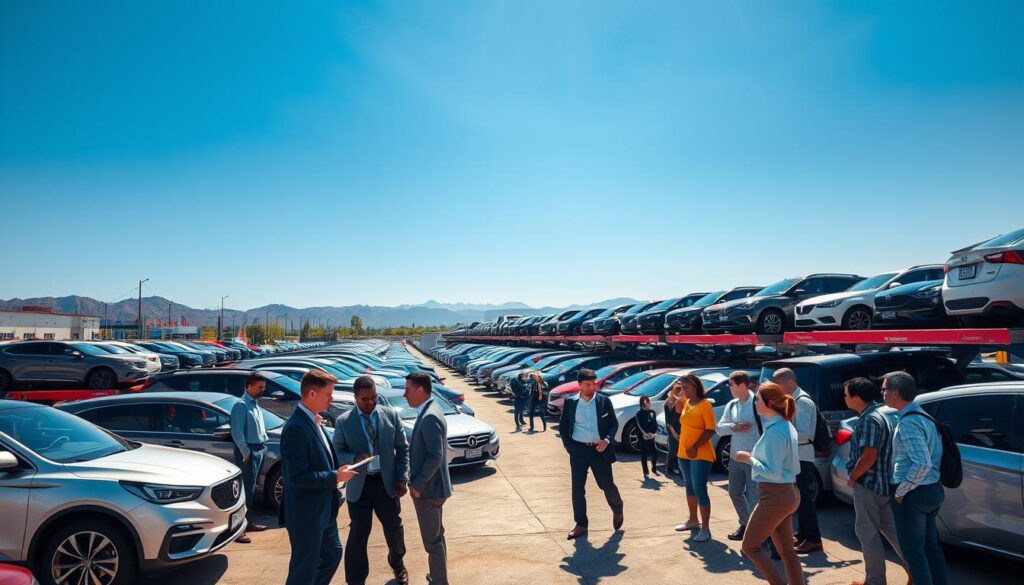
Hot-weather months create distinct market swings that affect timelines and availability for auto transport. Demand rises near vacation hubs and second homes, so owners should plan earlier than usual.
More than seven million second homes influence carrier capacity and peak routing. That surge changes pricing and lead times for reliable car transport.
Experts help you make informed choices. Best Car Shipping Inc. analyzes current trends and offers clear, actionable advice tailored to each shipment.
Professional oversight reduces risk from heat and heavier traffic. Proper loading, routing, and carrier selection protect your vehicle during transit.
- Schedule early to avoid tight windows and higher shipping costs.
- Confirm carrier credentials and insurance before pickup.
- Ask for routing options and climate-aware handling for sensitive vehicles.
For route-specific guidance, review our detailed resource on Florida to North Dakota car shipping.
Why Seasonal Timing Impacts Your Transport Strategy

Seasonal demand changes can alter availability, costs, and delivery times for vehicle transport.
Large migrations, like the movement of over 31,000 older migrants to Sarasota County, FL from November through March, shift carrier schedules. That surge affects pricing and capacity. It also creates routing delays for short windows.
Across the United States, roughly 7 million second homes push demand during peak months. When many owners request services at once, rates rise and transit times lengthen.
The Snowbird Migration Effect
Snowbird flows concentrate loads on certain routes. Carriers must reassign trucks and adjust schedules. This can cause higher prices and fewer pickup slots for those who wait.
Off-Peak Advantages
Shipping during slower months often yields lower rates and faster service. Flexible timing lets customers secure better options and avoid common delays.
| Season | Typical Demand | Customer Advantage |
|---|---|---|
| Peak (summer months) | High | Book early to secure carrier and rate |
| Off-peak (winter for some routes) | Lower | Lower prices, more flexible delivery times |
Comparing Open and Enclosed Transport Options
Deciding between open trailers and enclosed carriers starts with your vehicle’s value and exposure tolerance. Best Car Shipping Inc. evaluates risk and cost to recommend the best option for each shipment.
Benefits of Open Trailers
Open auto transport remains the most cost-effective choice for standard vehicles. It lowers fees and speeds scheduling for most routes.
Keep in mind open trailers expose vehicles to weather, road grime, and sunlight. For routine models, trained carriers secure vehicles to prevent movement and damage.
When to Choose Enclosed Shipping
Enclosed transport is ideal for high-value, classic, or exotic vehicles. It provides a solid barrier against dust, debris, and extreme heat.
“Enclosed trailers help ensure rare and luxury vehicles arrive in showroom condition,” says an industry operations manager.
Every carrier in the network follows strict safety protocols. This service adds cost but reduces transit risk for valuable assets.
- Open trailers: best for budget-focused moves and standard models.
- Enclosed transport: recommended for classic, luxury, or fragile vehicles during peak months.
- Carriers are trained to secure vehicles properly on both trailer types.
Managing Costs During Peak Summer Months
When demand spikes during warm months, planning ahead keeps transportation costs from ballooning.
Average pricing shows a clear gap: about $1,100 for summer car shipping versus $850 during winter. That difference reflects higher demand and tighter carrier capacity.
To control costs, book early and compare options. Choosing open transport lowers prices for standard vehicles. Enclosed service adds protection but raises rates.
Best practices:
- Secure quotes early to lock rates and times.
- Ask for transparent pricing models to compare services.
- Consider flexible pickup windows to reduce fees.
“Advance booking and clear pricing reduce surprises and keep total costs manageable.”
Best Car Shipping Inc. optimizes routing and carrier assignments to limit extra fees. For a detailed cost breakdown, review our auto shipping cost resource or contact support at (307) 288-5972 or info@bestcarshippinginc.com.
Essential Vehicle Preparation for High Temperatures
A few simple checks before pickup can reduce delays and limit heat-related damage during transport. Best Car Shipping Inc. recommends a focused pre-trip routine to protect vehicles when temperatures rise.
Fluid and Battery Maintenance
Check oil, coolant, and brake fluid to prevent leaks and overheating. Low fluids increase the risk of engine trouble during transit.
Test the battery and replace weak units. High heat strains electrical systems and a failed battery can cause costly delays.
Cleaning and Inspection
Wash and dry the exterior so carriers can document pre-existing condition. A clean vehicle makes inspection faster and helps with insurance claims if damage occurs.
Note any dents or scratches and photograph them. Keep records with your pickup paperwork.
Removing Personal Belongings
Remove all personal items before pickup. Personal property is not covered by carrier insurance and can shift during transit.
Schedule pickup for early morning or late evening when possible. That best time reduces heat stress and lowers risk of weather-related delays.
Request a checklist from the company and get a clear vehicle shipping estimate to confirm timing and pricing.
Navigating Regional Infrastructure and Traffic Strains
Infrastructure strain on key corridors forces carriers to reroute, which affects delivery timing and cost. Regional pressure is common in states like Florida and Arizona where peak demands stress roads and services.
Winter brings its own hazards: crews apply more than 15 million tons of road salt annually. That treatment affects pavement conditions and vehicle exposure on some routes.
Summer months, by contrast, require managing heavy traffic and widespread construction. Those delays change expected arrival windows and may raise costs.
- Logistics coordinators use real-time traffic data to select efficient paths.
- The company provides updated delivery estimates based on regional conditions.
- Coordination with carriers ensures teams know route constraints before pickup.
Proactive routing and close carrier communication reduce surprises. This approach helps ensure your car reaches its destination with minimal disruption to your moving schedule. Contact Best Car Shipping Inc. at (307) 288-5972 or info@bestcarshippinginc.com for route-specific advice.
How Weather Patterns Influence Delivery Timelines
Weather swings—from extended heat to sudden storms—directly shape realistic delivery estimates for vehicle transport. Carriers adjust routes and timing to protect drivers and loads. This keeps delivery windows reliable and reduces risk.
Mitigating Heat-Related Delays
Safety first: With over 5.8 million weather-related crashes each year, carriers prioritize safe routing and slower transit when conditions worsen.
Proactive planning helps prevent heat-related hold-ups. Teams choose shaded stops, cooler pickup times, and checks on vehicle fluids and batteries.
- Regular status updates help customers plan moves across country with confidence.
- Flexible pickup windows let carriers avoid peak heat and traffic delays.
- Tracking and check-ins reduce surprises and show real-time progress.
| Condition | Common Action | Effect on Delivery |
|---|---|---|
| Heat wave | Schedule early/late pickups | Minor delays; preserved vehicle health |
| Thunderstorms | Reroute or pause | Moderate delays; increased safety |
| Winter storms | Postpone or detour | Longer delays; higher costs |
For route-specific guidance and carrier options, review recommendations from Best Car Shipping Inc. at best car shipping in Houston. The company keeps communication clear when weather challenges arise.
Selecting a Reputable Auto Transport Company
Start with reputation and licensing to avoid surprises when arranging auto transport for any season.
Verify licensing and insurance. Confirm USDOT numbers, insurance limits, and written policies. This protects the vehicle and clarifies liability during transit.
Read customer reviews. Check Google and the Better Business Bureau to make informed choices about rates, service, and reliability.
Demand clear quotes and communication. A trustworthy company provides written pricing, pickup windows, and real-time updates throughout vehicle shipping.
- Ask about transport options to match budget and protection needs.
- Confirm carrier vetting and driver experience before booking.
- Request written proof of insurance and a detailed bill of lading at pickup.
Best Car Shipping Inc. emphasizes transparent support and proven processes. For Spanish-language guidance, visit transporte de carros or contact info@bestcarshippinginc.com and (307) 288-5972 for a tailored quote.
Addressing Potential Risks During Transit
Proactive safeguards cut the chance of damage from road debris and extreme conditions during delivery. Best Car Shipping Inc. treats risk management as a core service. Staff plan for exposure to dust, debris, and harsh weather across long routes.
Protecting Against Dust and Debris
Enclosed transport is offered as a premium option to shield vehicles from grit and sun during peak summer moves. This option reduces surface wear and lowers cleaning needs on arrival.
The company requires every carrier to carry confirmed insurance. That coverage protects customers against unforeseen damage during transit.
Drivers perform documented inspections at pickup and delivery. Photos and signed records ensure condition is tracked at all times.
- Choose enclosed service for high-value models or sensitive finishes.
- Confirm insurance limits and ask about routine inspection protocols.
- Request clear pickup windows and status updates to monitor progress.
Best Car Shipping Inc. encourages customers to ask about protection steps before booking. Clear plans and carrier vetting create a secure transport experience for vehicles moved across state lines or nationwide.
Planning Your Cross-Country Move Effectively
Coordinating vehicle pickup with household moving milestones keeps timelines aligned and reduces last-minute stress. Plan transport around key moving dates so pickup and delivery match your personal schedule.
Book at least 3–4 weeks ahead to secure preferred dates and avoid peak demand. Early booking helps lock rates and reduces the chance of delays during busy months.
Best Car Shipping Inc. offers door-to-door service to simplify pickup and delivery. The company coordinates with movers and carriers to streamline logistics while customers focus on other tasks.
Understand seasonal challenges, costs, and time expectations. A clear budget and timeline reduce surprises from rate changes or route congestion.
- Request written quotes and confirm pickup windows.
- Ask about auto transport options and protection against damage.
- Use tracking updates to monitor delivery and arrival times.
Contact Best Car Shipping Inc. at (307) 288-5972 or info@bestcarshippinginc.com for tailored support on cross-country moves and vehicle transport.
Conclusion
Smart planning balances price, protection, and schedule when arranging long-distance transport. , Clear choices reduce unexpected cost and shorten overall time when demand rises.
Auto transport customers should weigh how weather and season affect service. Winter can offer lower rates but brings unique weather risks and potential delays.
Book early to limit exposure to high demand and minimize scheduling problems. For personalized support, call SAKAEM Logistics at (888) 725-0005 or contact Best Car Shipping Inc. at (307) 288-5972 or info@bestcarshippinginc.com.
The team is committed to reliable, professional service that keeps your vehicle secure, whatever the weather brings.