
Modern engineering now lets drivers choose models that save fuel without sacrificing performance. Daily trips, business runs, and long hauls can all benefit from higher efficiency and lower operating costs.
EPA ratings and mpg figures show many recent vehicles deliver impressive numbers. These figures help owners plan budgets and reduce gasoline spending.
Best Car Shipping Inc. brings practical guidance to this decision. The team evaluates each model and engine type to highlight reliable options for both hybrid and traditional setups.
Whether an owner needs a compact vehicle for city runs or a larger model for regional travel, this guide focuses on proven efficiency and real-world reliability.
Key Takeaways
- Modern vehicles offer strong fuel efficiency without losing performance.
- EPA mpg and other ratings provide useful, comparable numbers.
- Both hybrid and traditional engines can be efficient choices.
- Best Car Shipping Inc. evaluates models to guide buyers and fleets.
- Choosing a high-efficiency vehicle reduces gasoline costs and downtime.
Understanding the Importance of Fuel Efficiency
Rising regulatory pressure and consumer demand now push automakers to trim fuel use across their lineups.
Since the 1973 oil embargo, global priorities shifted. Manufacturers began to redesign engines and drivetrains to lower consumption and extend distance per gallon of gasoline.
For businesses, prioritizing efficiency is no longer optional. Choosing the right vehicle reduces operating costs and protects budgets from energy price swings.
Key operational advantages:
- Lower daily running costs through improved fuel economy and smarter route planning.
- Consistent fleet economy that supports reliable budgeting and asset protection.
- Regulatory compliance and reduced environmental footprint for modern logistics.
- Improved mileage performance on long routes, helping planners meet delivery targets.
Evaluate each vehicle in service for total cost impact. Focus on real-world performance, not just lab numbers.
| Metric | Short-Haul Impact | Long-Haul Impact |
|---|---|---|
| Average mpg | Improves stop‑and‑go efficiency | Extends range between refueling |
| Operational cost | Reduces city fuel spend | Lowers annual gasoline expenses |
| Fleet reliability | Enhances uptime | Supports predictable budgets |
Top Contenders for the Best Car with Gas Mileage
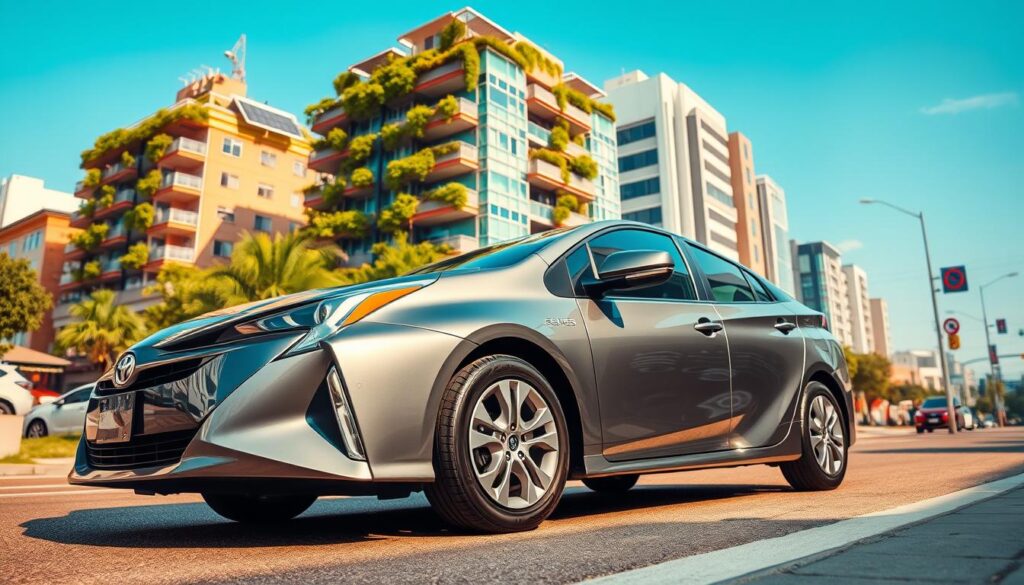
Several recent models combine proven hybrid systems and thoughtful packaging to cut fuel spending on daily routes. Shoppers should balance mpg figures against interior space, driving needs, and price.
Toyota Prius and plug-in options remain leaders in hybrid efficiency. The 2026 Prius posts 49–57 mpg combined. The Prius PHEV reaches up to 127 MPGe on battery power alone, making it an ideal hatchback choice for many commuters.
Mid-Size Family Sedans
The 2026 Honda Accord pairs roomy interior space and a refined drive with strong fuel economy. It suits families who need comfort and steady mpg on highway and city trips.
Compact Sedan Efficiency
The 2026 Hyundai Elantra targets budget-conscious buyers. It delivers notable city and highway performance at a lower price point.
- Luxury hybrid option: The 2023 Lexus ES 300h offers about 44 mpg combined while providing a premium interior.
- Consider powertrain choices: Hybrid models like the Prius can significantly reduce fuel costs on regular commutes.
- Whether a crossover or a sedan fits needs, evaluate space, engine type, and long-term economy.
“For many drivers, hybrid models transform the daily commute into a more efficient experience.”
Modern Hybrid Technology and Performance
Today’s hybrids pair quiet electric motors and efficient engines to offer reliable performance on city and highway trips.
The 2022 Ford Escape FWD HEV shows how far hybrid systems have come. Its 2.5-liter engine and electric motor combine to reach about 41 mpg. That level of economy fits a practical crossover while keeping a roomy interior and useful cargo space.
Electric assist smooths acceleration and eases load on the engine. Drivers notice steady performance and lower fuel use during stop-and-go traffic. On highways, the system helps maintain steady mileage over long runs.
- Comfort retained: Body style and interior space remain comparable to traditional vehicles.
- System efficiency: Integrated controls optimize when the engine or motor supplies power.
- Versatile models: Options include standard hybrids and plug-in hybrid variants for extended electric range.
“Hybrid systems now deliver usable economy without sacrificing utility or daily performance.”
Lessons from Automotive History
When oil supplies tightened in the 1970s, the industry shifted toward lighter, more efficient models. That era set long‑term priorities for fuel economy and engineering design.
The Impact of Oil Embargoes
The 1973 OAPEC embargo forced automakers to rethink engines, body design, and overall vehicle weight. Designers focused on reducing fuel use across city and highway driving.
Engineering Triumphs of the Past
The 1986 Honda Civic Coupe HF proved that clever engineering yields real results. Its CVVC‑inspired advances helped the model reach about 46 mpg combined.
The 1994 Geo Metro XFI offered 47 mpg combined through simple, lightweight construction. Early hybrids followed. The 2001 Toyota Prius showed how hybrid technology could change daily drive economy.
- Design lesson: Lighter bodies and efficient engines reduce gasoline use without sacrificing utility.
- System lesson: Engine controls and hybrid systems improved both city and highway economy.
“Efficiency became a design priority long before hybrids dominated the market.”
For fleets and private owners, these historical advances matter. They show why modern models and hybrid systems deliver consistent mpg and long‑term savings. For help moving a vehicle, see our shipping guidance.
Key Factors for Selecting Your Next Vehicle
Choosing a vehicle means weighing laboratory mpg against how you actually drive each day. Official ratings guide decisions. They do not guarantee identical results on familiar routes.
Evaluating EPA Ratings and Real-World Driving
Compare city and highway figures. Look at combined numbers, but separate city and highway ratings tell you how a model will perform on daily runs and long trips.
Consider total cost of ownership. Factor the purchase price, engine maintenance, and the money saved on gasoline over time. This reveals true economy.
Assess body and interior space. A luxury sedan and a practical crossover offer different comfort and cargo options. Choose the option that fits your time on the road.
“Always compare the city and highway ratings to see how a vehicle performs in your typical driving environment.”
Need help? Our team at Best Car Shipping Inc. can help find the right model and analyze fuel efficiency and performance. For transport needs, see our vehicle shipping in Newnan, GA.
Comparing Sedans and Hatchbacks for Daily Commutes
Choosing between sedans and hatchbacks hinges on how often you need cargo space versus passenger comfort. Sedans give a conventional driving experience and a defined trunk. Hatchbacks offer a taller body and more flexible interior space for bulky items.
The Toyota Prius is a common hatchback example. Its layout adds vertical cargo room that many sedans cannot match. That makes it useful for trades, deliveries, and weekend hauling.
Consider where you mostly drive. In the city, a compact hatchback can simplify loading and parking. On the highway, a sedan often feels quieter and more stable at speed.
Practical step: test drive both styles. Compare interior ergonomics, entry height, and real cargo capacity. Measure how each body suits daily tasks and price expectations.
- Space vs. style: hatchbacks favor volume; sedans favor a traditional cabin layout.
- Operational fit: choose the body that saves money and time for your routine.
“Test drives reveal which interior and body configuration best supports your daily driving and business needs.”
Need help finding the right model? Contact Best Car Shipping Inc. at (307) 288-5972 or info@bestcarshippinginc.com for guidance and transport options.
Conclusion
A clear buying plan helps owners match efficiency, performance, and long‑term reliability to their daily needs.
Review EPA figures and consider how driving routes affect results. Pair official ratings with real‑world tests and lessons from automotive progress to make a sound decision.
Whether choosing a hybrid, a sedan, or a hatchback, focus on total cost and practical use. Modern options offer more ways to reduce fuel spend and improve uptime.
Best Car Shipping Inc. provides professional guidance and transport support. Call (307) 288-5972 or email info@bestcarshippinginc.com for assistance and reliable solutions.